Side-by-Side Cognitive Profiles
The Cosmic Pet Pet IQ Lab employs five key dimensions to evaluate canine intelligence, offering a nuanced understanding beyond simple obedience. Let's examine how the Siberian Husky and Pointer measure up across these specific cognitive traits.
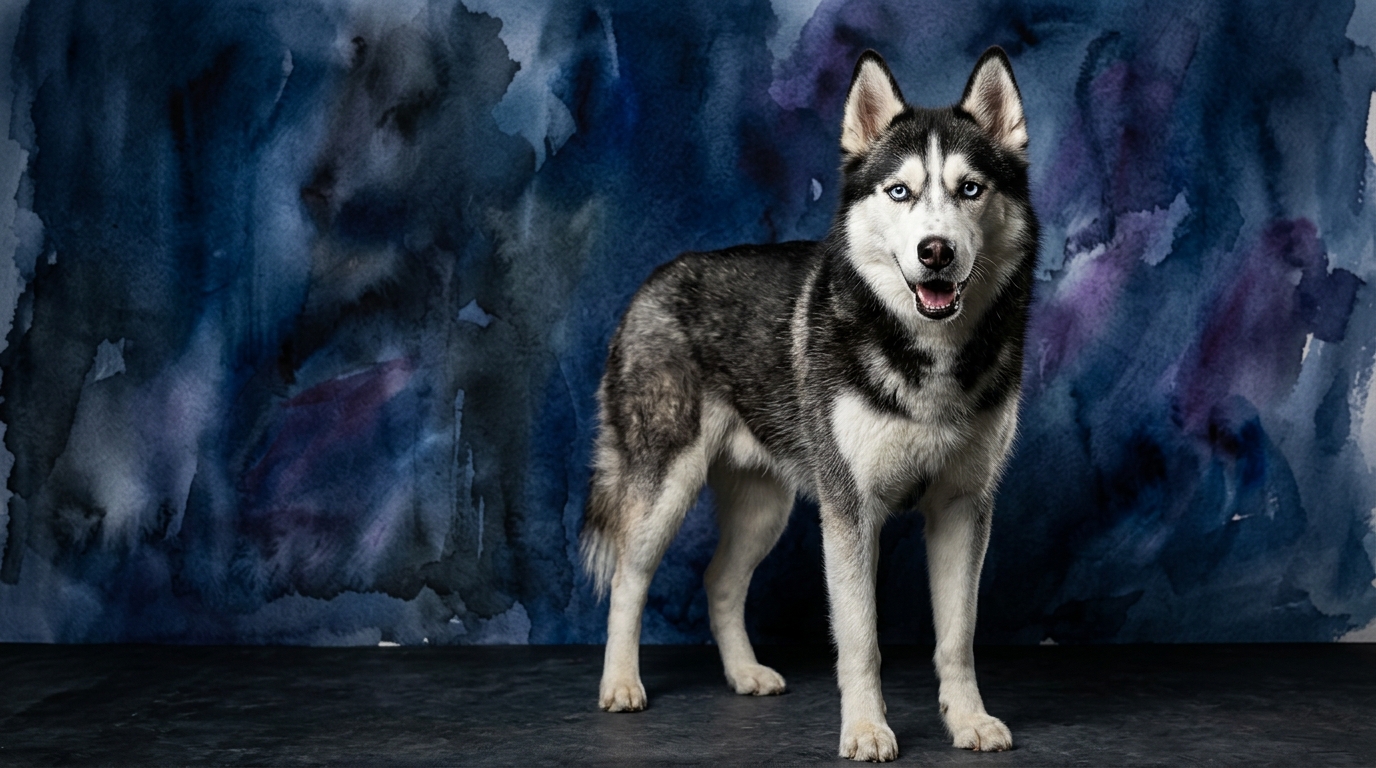
**Siberian Husky:** This breed, Coren-ranked #45, exhibits a strong independent mind. Their Problem Solving is rated 4/5, indicating a significant capacity for navigating complex environments and devising creative, often self-directed, solutions. Training Speed stands at 2/5, suggesting they require patient and engaging methods due to their independent nature. Social Intelligence is 3/5; they are generally amiable but their interactions often stem from pack dynamics rather than a strong desire to please humans. Their Instinctive Drive is an exceptional 5/5, reflecting a profound urge for pulling, exploration, and often a high prey drive. Memory is strong at 4/5, aiding their ability to retain complex routes and learn from experiences.
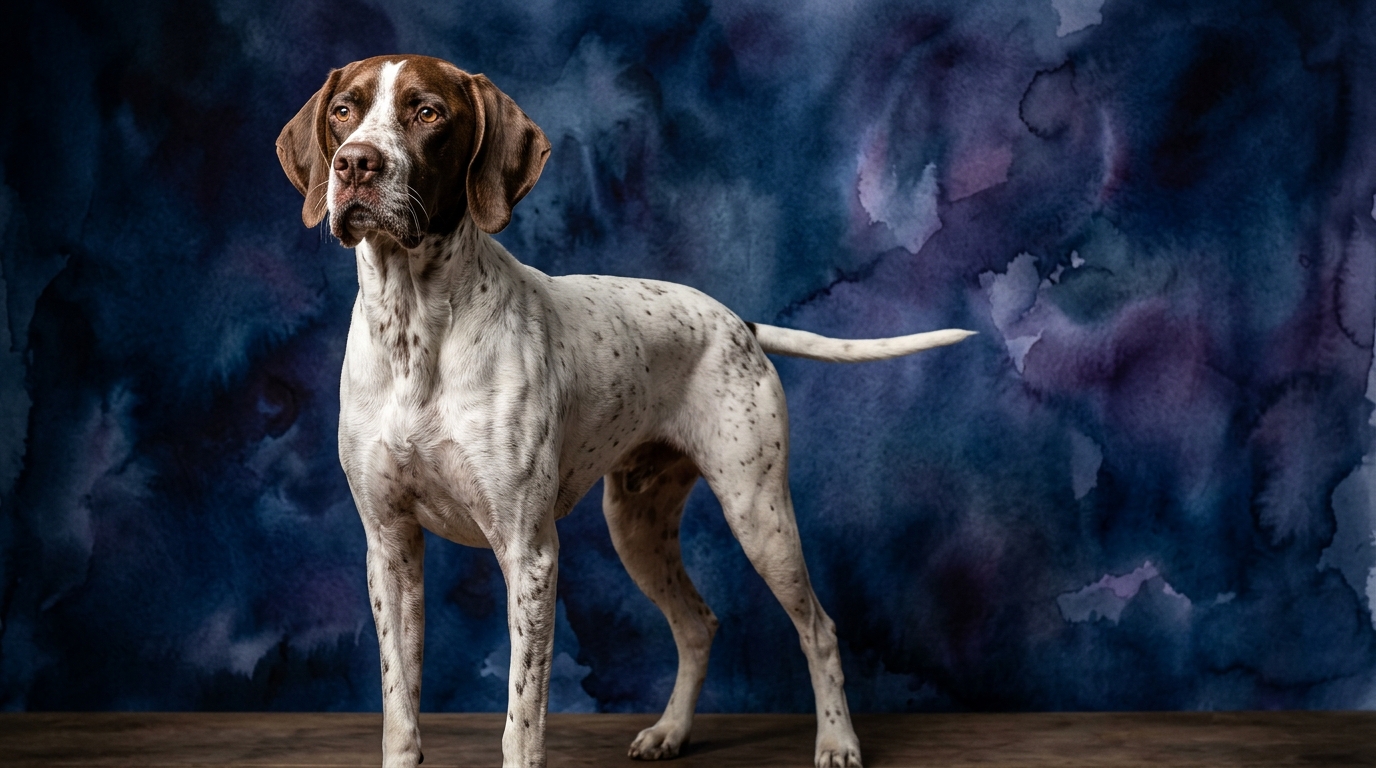
**Pointer:** As a Sporting Group dog, the Pointer is not individually Coren-ranked, but they demonstrate a distinct cognitive makeup tailored to their field work. Their Problem Solving is 3/5, indicating competence in practical, task-related challenges, though perhaps less abstract ingenuity. Training Speed is 3/5, showing a moderate responsiveness to learning commands, especially with proper motivation. Social Intelligence is 3/5, characterized by affection and a tendency to form strong bonds with their families. Instinctive Drive is 3/5, focused distinctly on pointing and hunting, a drive that is typically channeled and controlled. Memory is 3/5, sufficient for recalling learned commands and routines essential for their roles.
Where the Siberian Husky Excels Cognitively
The Siberian Husky's cognitive strengths shine particularly in problem-solving (4/5), instinctive drive (5/5), and memory (4/5). Their capacity for independent thought allows them to devise ingenious solutions to environmental challenges, whether it's outsmarting a fence or finding a hidden treat. This resourcefulness stems from a long history of navigating vast, challenging terrains without constant human direction. Their exceptionally strong instinctive drive translates into an innate ability to process cues related to endurance and navigation over long distances, a specialized cognitive skill critical for their heritage as sled dogs. Furthermore, their superior memory enables them to retain complex information, such as intricate routes or sequences of actions, which underpins their remarkable self-sufficiency and ability to learn from past experiences in a profound way.
Where the Pointer Demonstrates Cognitive Advantages
The Pointer's cognitive advantages become apparent in areas that prioritize human-canine partnership and focused learning, particularly their training speed (3/5) relative to the Husky. While their problem-solving (3/5) is more task-oriented than independently creative, their moderate responsiveness to commands means they generally acquire new skills with greater efficiency. Their instinctive drive (3/5), though less intense than a Husky's, is distinctly channeled towards cooperative hunting tasks. This means a Pointer's brain is wired for sustained attention to a handler's signals and environmental cues relevant to their shared objective, making them more predisposed to structured learning and compliance in a working context. This cooperative mental framework gives them an edge in activities demanding teamwork and consistent direction.
Training Dynamics: Husky Independence vs. Pointer Partnership
When considering ease of training, the Pointer generally presents a more straightforward path. With a training speed of 3/5, they tend to pick up commands at a moderate pace, often displaying an eagerness to please that aligns well with positive reinforcement methods. Their background as a cooperative hunting dog has ingrained a propensity for working alongside humans, making them more attuned to handler cues and direction. This natural inclination towards partnership means they are often less likely to challenge commands and more inclined to comply, viewing training as a shared activity.
In contrast, the Siberian Husky, with a training speed of 2/5, demands a significantly more patient and creative approach. Their strong problem-solving abilities (4/5) and profound independence mean they are less inclined to blindly follow instructions. Instead, a Husky often assesses the value or logic of a command from their own perspective, which can manifest as "stubbornness" but is truly a reflection of their self-reliant cognitive style. Effective training for a Husky requires making the desired behavior intrinsically rewarding and engaging, often through games or activities that tap into their instinctive drives rather than rote obedience. This difference in intrinsic motivation and cognitive processing makes the Pointer typically easier to guide through traditional training protocols.
Matching Breeds to Lifestyles: Active Engagement is Key
Neither the Siberian Husky nor the Pointer are suitable for truly relaxed owners, as both possess significant exercise and mental stimulation requirements. However, their demands differ in nature.
The Siberian Husky is best suited for highly active, experienced owners who appreciate a dog with a strong independent streak and who can provide ample outlets for their immense instinctive drive (5/5) and problem-solving capabilities (4/5). This translates into a need for extensive daily exercise, such as long runs, hiking, or participation in dog sports like canicross or sledding. Owners must also be prepared for their Husky's ingenuity in finding ways to explore, necessitating secure environments and consistent mental challenges to prevent boredom-driven destructive behaviors or escapes.
The Pointer, while also requiring an active lifestyle, typically thrives with owners who enjoy structured, cooperative activities. Their instinctive drive (3/5) for field work translates well to long walks, runs, and dog sports that involve handler interaction, like agility or obedience. They need consistent physical activity to satisfy their sporting heritage, but their greater receptiveness to training (3/5) means their energy can often be channeled more directly through handler-led activities. While they are active, their cognitive makeup makes them generally more amenable to following a human's lead, making them a good fit for active owners who enjoy a strong partnership in their adventures.
The Verdict
If you're an experienced owner who thrives on independent, problem-solving companions and can provide immense physical and mental outlets for a dog with a profound instinctive drive, the Husky will be a rewarding, albeit challenging, partner.
If you seek a cooperative, responsive canine partner for structured activities and enjoy a dog that learns commands at a moderate pace and focuses its sporting drives in partnership with you, the Pointer is an excellent fit.
🧠 Find Your Pet's IQ Score
Our Pet IQ Lab assessment covers 25+ tests across 5 cognitive dimensions — personalized to your breed.
Take the Full IQ Test →Frequently Asked Questions
Are Siberian Huskies difficult to train?
Siberian Huskies are not inherently difficult to train, but they possess a lower training speed (2/5) and a strong independent streak, which means they require consistent, patient, and highly motivating training methods. Their problem-solving abilities (4/5) often lead them to question commands if they don't see the immediate benefit.
Do Pointers need a lot of exercise?
Yes, Pointers are sporting dogs with an instinctive drive (3/5) for activity and exploration, requiring regular, vigorous exercise to remain content and healthy. Daily long walks, runs, or structured playtime are essential to prevent boredom and maintain their physical condition.
How do their social behaviors differ?
Both breeds have a social intelligence rating of 3/5, but their expressions differ; Siberian Huskies often exhibit strong pack dynamics and independent social interactions, while Pointers tend to be more people-oriented and eager to engage with their human family, reflecting their cooperative hunting heritage.