Side-by-Side IQ Profile: Husky vs. Pug
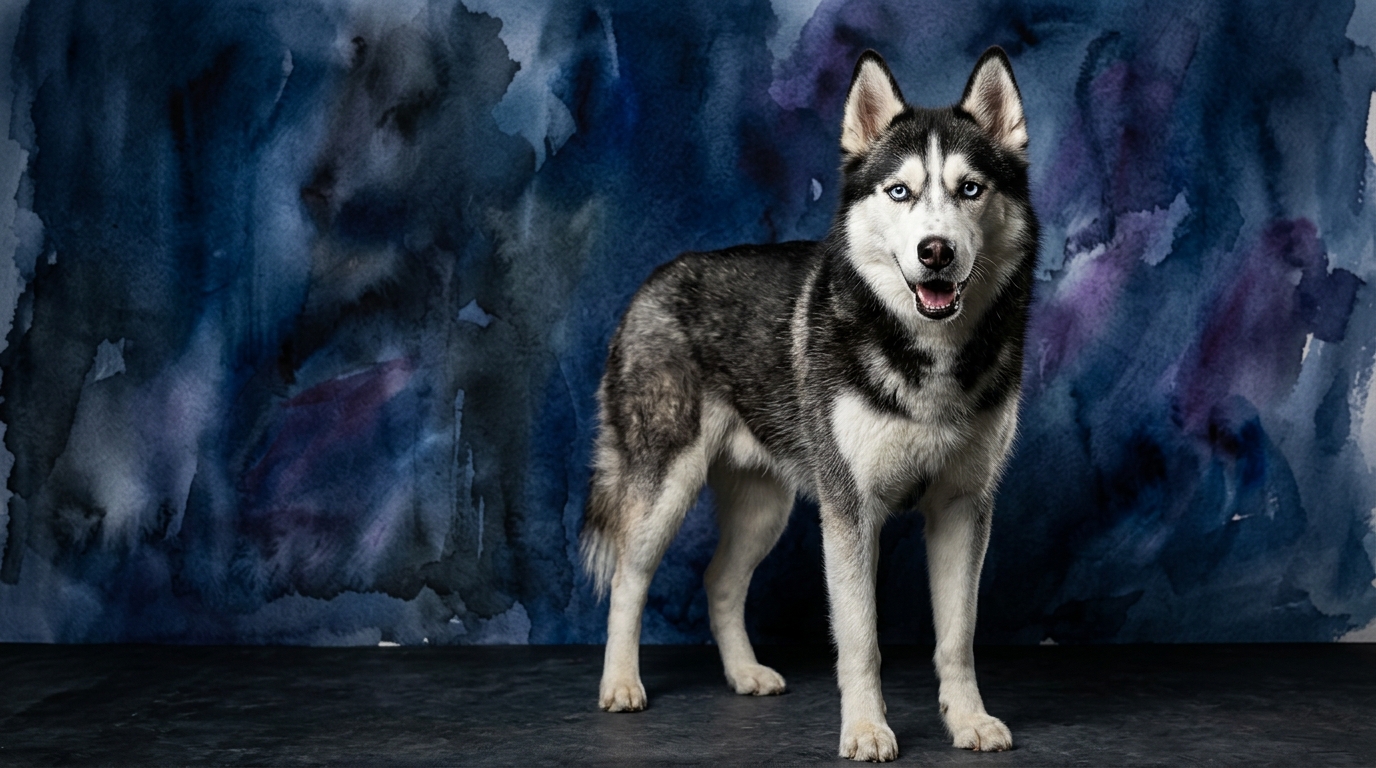
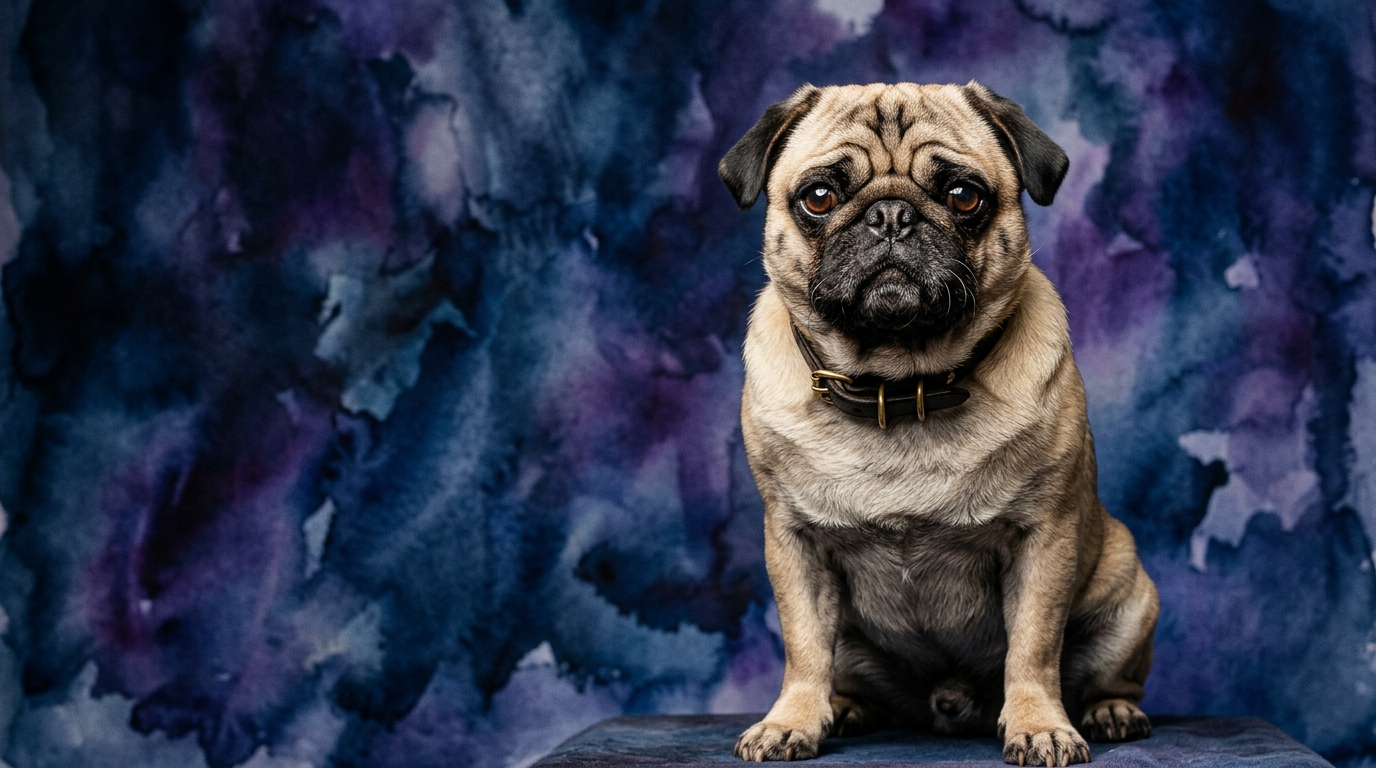
At The Cosmic Pet Pet IQ Lab, we assess canine intelligence across five key dimensions, providing a nuanced view of each breed's cognitive strengths. The Siberian Husky, a Working group dog with a Coren rank of #45, and the Pug, a Toy group dog with a Coren rank of #57, present distinct cognitive blueprints.
The Siberian Husky's profile highlights its operational capabilities and independent thought. Its Problem Solving is rated 4/5, indicative of a breed that can figure out complex environmental challenges, often finding creative solutions to obstacles. Training Speed is 2/5, not due to a lack of understanding, but rather a strong-willed independence that requires consistent, engaging motivation. Social Intelligence is 3/5, reflecting a pack-oriented nature that is generally friendly but not overly focused on constant human validation. Its Instinctive Drive is a powerful 5/5, showcasing a profound urge to roam, pull, and hunt, directly tied to its sled dog heritage. Finally, its Memory is 4/5, allowing it to recall complex routes and past experiences effectively.
Conversely, the Pug's cognitive landscape is shaped by its role as a dedicated companion. Its Problem Solving is 2/5; Pugs tend to rely more on charming their human counterparts for solutions rather than independent analytical thought. Training Speed, also 2/5, often stems from a combination of a desire for comfort and a shorter attention span, though they are eager to please their favored people. Where the Pug truly shines is its Social Intelligence, rated a perfect 5/5, demonstrating an exceptional ability to read human emotions, seek attention, and integrate seamlessly into family dynamics. Its Instinctive Drive is 2/5, indicating a low urge for strenuous activity or independent exploration, preferring proximity to its human companions. The Pug's Memory is 3/5, sufficient for remembering routines, beloved individuals, and pleasant interactions.
Where the Siberian Husky Wins Cognitively
The Siberian Husky's cognitive strengths are evident in its capacity for navigating and manipulating its environment. Its superior Problem Solving (4/5) means it excels at tasks requiring spatial reasoning, such as figuring out how to open gates, navigate complex trails, or even outsmart owners to reach desired objects. This mental agility is a direct reflection of its historical role, where independent decision-making in challenging conditions was paramount.
Furthermore, the Husky's unparalleled Instinctive Drive (5/5) represents a cognitive win for sustained effort and purpose-driven activity. This drive isn't just physical; it's a deep-seated mental framework that motivates them through long distances and arduous tasks, allowing for prolonged focus on an objective. Their Memory (4/5) complements this, enabling them to recall intricate routes and multi-step commands, even if their independent spirit sometimes dictates when they choose to apply that recall.
Where the Pug Wins Cognitively
The Pug's cognitive triumphs lie squarely in the realm of social interaction and emotional connection. With a perfect 5/5 in Social Intelligence, the Pug possesses an extraordinary capacity to understand and respond to human emotions, making them masters of companionship. They are acutely aware of their owner's mood and can adapt their behavior to provide comfort or elicit attention, a sophisticated form of social problem-solving that few breeds can match.
Their cognitive strength is also in their ability to integrate into diverse human social structures with minimal friction. Unlike breeds driven by independent tasks, the Pug's mental architecture prioritizes harmonious cohabitation. They excel at subtle communication cues, using expressions and body language to convey needs and desires, effectively 'training' their humans through endearing charm rather than direct command, a testament to their unique social acumen.
Which is Easier to Train and Why?
Despite both breeds having a Training Speed rating of 2/5, the reasons behind this score are fundamentally different, leading to varied training experiences. The Siberian Husky's independence and strong instinctive drives mean that while they often understand commands quickly, their compliance is often conditional. A Husky might choose not to perform a known behavior if they perceive a more rewarding alternative, like exploring a scent or chasing a squirrel, making consistent motivation and engaging training methods crucial.
The Pug, on the other hand, can be challenging to train due to a combination of a shorter attention span and a preference for comfort over rigorous activity. While they are eager to please their favored humans, especially when food is involved, their motivation wanes quickly with repetition or if the task feels too demanding. Basic obedience is achievable with patience and positive reinforcement, but complex sequences may prove difficult. Therefore, for basic manners in a relaxed home, the Pug might feel 'easier' due to its social compliance, whereas for advanced tasks requiring sustained focus, the Husky's cognitive capacity for problem-solving, once engaged, could lead to more impressive results, albeit with more effort to secure that engagement.
Which Suits Active Owners vs. Relaxed Owners
The choice between a Siberian Husky and a Pug is starkly defined by an owner's lifestyle and activity level. For active owners seeking a true partner in adventure, the Siberian Husky is an ideal match. Their high Instinctive Drive (5/5) means they require substantial physical exercise, such as long runs, hiking, or structured pulling activities like canicross. Their problem-solving capabilities also demand mental stimulation to prevent boredom and destructive behaviors. An owner who can provide consistent, engaging outlets for their Husky's energy and intellect will find a devoted, albeit independent, companion.
Conversely, the Pug is perfectly suited for relaxed owners who prioritize companionship and comfort over strenuous activity. Their low Instinctive Drive (2/5) means they are content with short walks and prefer spending the majority of their time snuggled on the sofa or lap. Their exceptional Social Intelligence (5/5) ensures they are deeply attuned to their human's presence and needs, thriving in environments where their primary role is to be a charming, affectionate family member. For those seeking a low-maintenance exercise routine and abundant social interaction, the Pug fits seamlessly into a more sedentary lifestyle.
The Verdict
Choose a Siberian Husky if you are an experienced, active individual or family seeking an independent, athletic companion for outdoor adventures and mental challenges, appreciating a dog with strong will and problem-solving prowess.
Choose a Pug if you desire a devoted, charming, and low-energy companion whose primary goal is to share your sofa and offer unconditional social connection in a relaxed home environment.
🧠 Find Your Pet's IQ Score
Our Pet IQ Lab assessment covers 25+ tests across 5 cognitive dimensions — personalized to your breed.
Take the Full IQ Test →Frequently Asked Questions
Do Huskies and Pugs learn at the same pace?
While both breeds have a training speed rating of 2/5, the underlying reasons for this pace differ; Huskies often understand but prioritize independence, while Pugs may have shorter attention spans and prioritize comfort over rigorous learning.
Which breed is better with other pets?
Siberian Huskies generally exhibit good social intelligence with other dogs, often thriving in multi-dog households, but their high instinctive drive means careful introduction with smaller non-canine pets is crucial due to prey drive. Pugs, with their high social intelligence and low drive, typically adapt well to various household pets, focusing more on companionship than hunting.
Can a Pug perform complex tasks like a Husky?
A Pug's problem-solving rating of 2/5 suggests they are less inclined or equipped for complex, multi-step tasks compared to a Husky's 4/5. Pugs excel in social navigation and charming humans, rather than intricate physical or cognitive challenges requiring independent thought.