
Side-by-Side Cognitive Profile
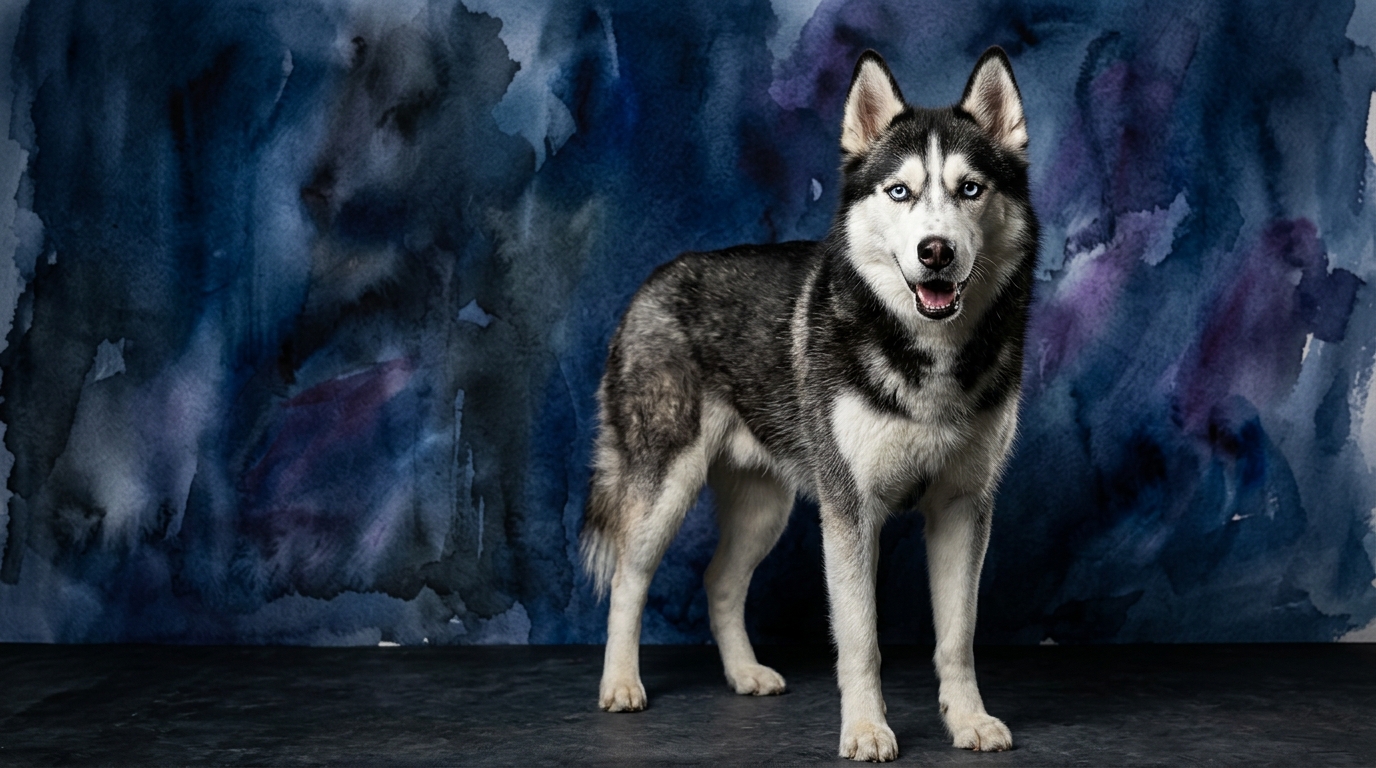
The Siberian Husky, a Working group dog with a Coren rank of #45, exhibits a distinct cognitive makeup shaped by its history as an endurance sled dog. Its problem-solving ability is rated 4/5, indicating a strong capacity for independent thought and navigating complex situations. Training speed is 2/5, reflecting a less biddable nature. Social intelligence stands at 3/5, suggesting moderate engagement with others, while its instinctive drive is a powerful 5/5, highlighting its inherent urges for running and exploration. Memory is rated 4/5, indicating a good recall for routines and experiences.
In contrast, the Rat Terrier, a Terrier group dog without a Coren rank, presents a balanced cognitive profile suited for its role as a versatile farm dog. Its problem-solving ability is 3/5, showing a clever and resourceful nature, particularly in navigating environments. Training speed is 3/5, suggesting a moderate pace for learning new commands and a willingness to engage. Social intelligence is also 3/5, forming strong bonds with family while being watchful. Its instinctive drive is 3/5, present but generally more manageable than some working breeds, and its memory is 3/5, solid for routines and learned behaviors.
Where the Siberian Husky Shines Cognitively
The Siberian Husky's cognitive profile shines in areas demanding independence and robust instinctive action. Their problem-solving ability, rated at 4/5, isn't about solving puzzles for human approval but about navigating complex, real-world challenges. This manifests in their impressive capacity for figuring out how to open gates, scale fences, or locate hidden food caches, often with a level of ingenuity that surprises owners. This isn't a desire to please, but a deep-seated drive for self-preservation and exploration, a direct inheritance from their sled dog ancestors who needed to make decisions on the trail.
Furthermore, their instinctive drive, a perfect 5/5, is a dominant cognitive force. This translates into an unwavering urge to run, explore vast distances, and track scents, making them unparalleled in endurance and navigation. This strong drive isn't just physical; it's a mental state that constantly seeks engagement with the environment, fueling their curiosity and determination. Their memory, rated 4/5, complements this, allowing them to recall intricate routes, preferred digging spots, and past successes in outmaneuvering obstacles, reinforcing their independent problem-solving strategies.
Where the Rat Terrier Excels Cognitively
The Rat Terrier's cognitive strengths, while perhaps less dramatic in scale, lie in their balanced approach to learning and their focused application of instinct. Their training speed, rated 3/5, stands out as a clear advantage over the Husky's 2/5. This indicates a greater inherent willingness to cooperate and learn from human instruction, making them generally more responsive to traditional training methods. They often exhibit a focused attention span when engaged, absorbing new commands and routines with a steady pace that rewards consistent effort from their handler.
Moreover, the Rat Terrier's instinctive drive, at 3/5, while still potent, is more channeled and less overwhelming than the Husky's. This means their innate desire to hunt and dig can be more readily directed towards constructive activities like agility or scent work, rather than becoming a singular, all-consuming impulse. Their moderate social intelligence (3/5) also means they are generally receptive to social cues and form strong, often attentive, bonds with their human family, which further aids in training and daily interaction compared to the more independent Husky.
Training Dynamics: Husky vs. Rat Terrier
When considering ease of training, the Rat Terrier generally presents a more straightforward path. Their 3/5 training speed, combined with a moderate instinctive drive, means they are typically more biddable and keen to work alongside their human companions. Their history as farm dogs required them to be responsive to commands, albeit for specific tasks. This inherent desire to engage and please, even subtly, makes them more receptive to positive reinforcement and consistent instruction. They are often motivated by treats and praise and are less likely to 'check out' mentally during a training session.
In contrast, the Siberian Husky's 2/5 training speed is a direct reflection of their independent nature and strong self-will. Sled dogs were bred to make their own decisions on the trail, sometimes overriding a musher's command for the safety of the team. This independence translates into a dog that requires more creative, engaging, and patient training techniques. A Husky won't simply obey because you asked; they will weigh the command against their own motivations, such as the irresistible urge to chase a squirrel or explore a new scent. Training a Husky often feels like a negotiation, requiring a handler to be more compelling than the environment.
Matching Canine Cognition to Owner Lifestyles
For active owners, the Siberian Husky is an undeniable fit, particularly for those who embrace high-energy outdoor pursuits. Their 5/5 instinctive drive for running and exploration means they thrive with extensive physical activity, such as long jogs, hiking, or even skijoring. These dogs require owners who can dedicate significant time daily to exercise and mental stimulation, channeling their immense energy and problem-solving skills into appropriate outlets. A relaxed owner attempting to keep a Husky will quickly find themselves overwhelmed by destructive behaviors stemming from boredom and pent-up energy.
The Rat Terrier, while certainly not a couch potato, offers more flexibility for owners who might be active but not necessarily extreme athletes. Their 3/5 instinctive drive suggests they enjoy regular walks, playtime, and mental challenges like puzzle toys or scent games, but they don't possess the same relentless need for vast physical exertion as a Husky. They can adapt to a more varied lifestyle, enjoying both active outings and quiet evenings at home. A moderately active owner who enjoys daily walks and interactive play will find a Rat Terrier a suitable companion, as their energy levels are more contained and manageable.
The Verdict
Choose the Siberian Husky if you are an experienced, highly active owner who thrives on independent, intelligent dogs requiring extensive exercise and creative problem-solving outlets.
Opt for the Rat Terrier if you seek a clever, engaged companion with a more moderate energy level, who is generally more responsive to training and enjoys interactive family life.
🧠 Find Your Pet's IQ Score
Our Pet IQ Lab assessment covers 25+ tests across 5 cognitive dimensions — personalized to your breed.
Take the Full IQ Test →Frequently Asked Questions
Is a Siberian Husky difficult to live with due to its independence?
Siberian Huskies possess a strong independent streak and a high instinctive drive, which means they often follow their own motivations over human commands. This can make them challenging without consistent, engaging training and ample physical and mental stimulation to channel their energy.
Are Rat Terriers good for first-time dog owners?
Rat Terriers can be suitable for first-time owners due to their moderate training speed and social intelligence, making them generally responsive and eager to learn. However, their terrier tenacity and prey drive still require consistent training and socialization from an early age.
How do their problem-solving skills differ in daily life?
A Siberian Husky's 4/5 problem-solving often manifests in figuring out how to escape enclosures or manipulate situations for their own gain, driven by exploration. A Rat Terrier's 3/5 problem-solving is typically applied to navigating their environment, finding hidden toys, or outsmarting small critters, often in a more contained, goal-oriented manner.