The Cosmic Pet Pet IQ Lab: Side-by-Side Cognitive Profiles
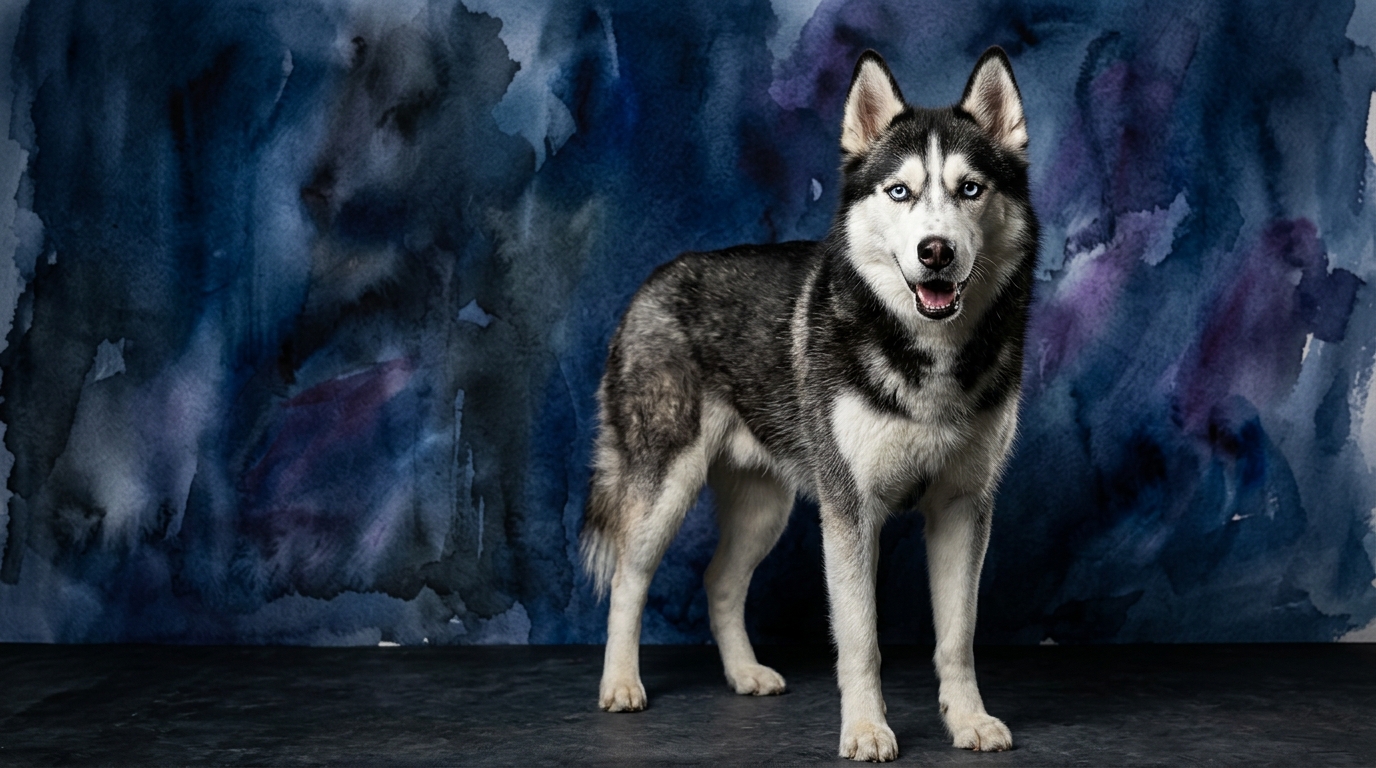
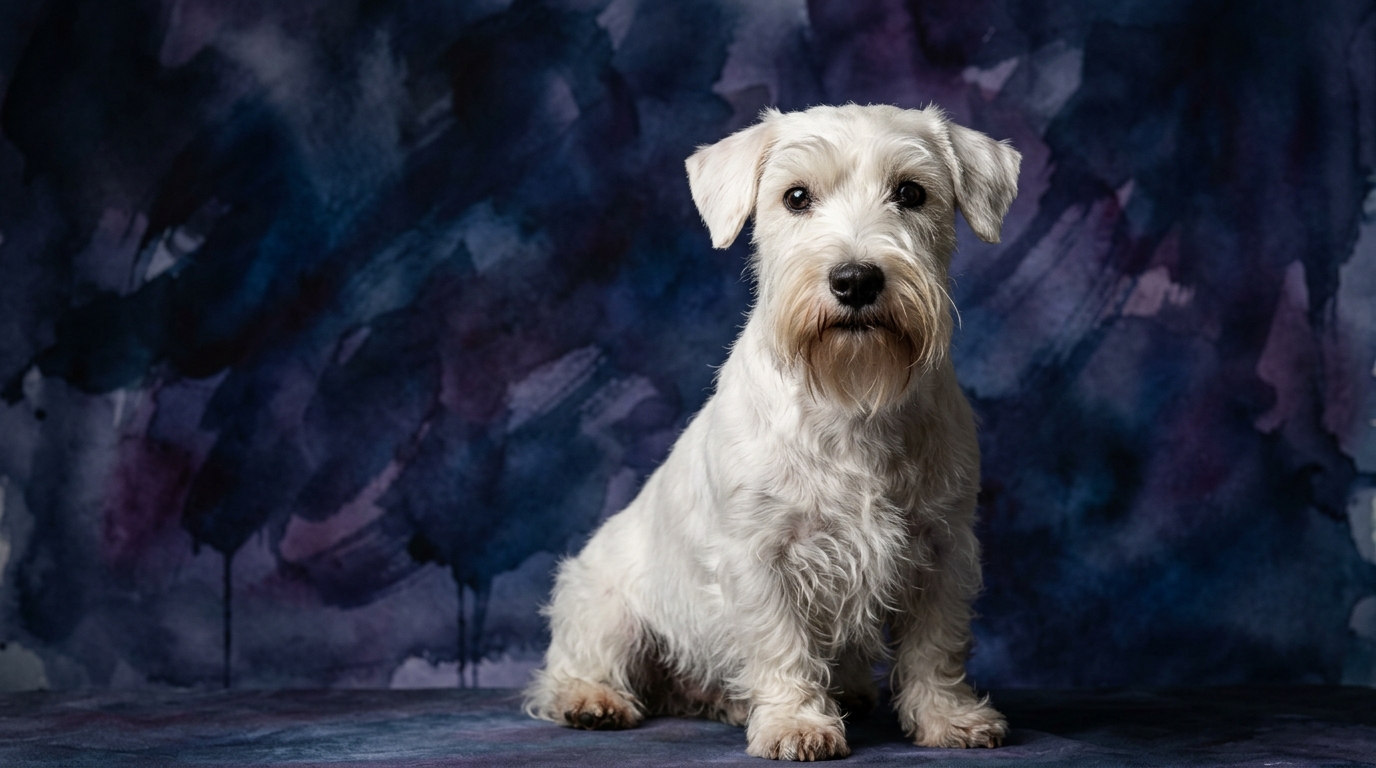
The Cosmic Pet Pet IQ Lab evaluates canine intelligence across five key dimensions, offering a nuanced view beyond traditional obedience rankings. When comparing the Siberian Husky, a Coren-ranked Working breed at #45, with the unranked Terrier, the Sealyham, distinct patterns emerge, illustrating their specialized cognitive toolkits.
For Problem Solving, the Siberian Husky scores a robust 4/5, indicating a strong capacity for independent thought and creative solutions to environmental challenges, often reflecting their historical role in navigating complex terrain. The Sealyham Terrier, by contrast, registers a 3/5, demonstrating practical problem-solving skills focused on their immediate surroundings and achieving specific, often terrier-centric, goals.
Training Speed reveals a significant difference: the Husky sits at 2/5, suggesting a more independent nature that requires patience and creative motivation to learn human-directed tasks efficiently. The Sealyham Terrier, with a 3/5, shows a greater willingness to engage in structured learning, often picking up commands more readily when properly incentivized.
Both breeds share a Social Intelligence score of 3/5. This indicates a moderate understanding of human cues and emotional states. However, the Husky's independence can sometimes manifest as selective interpretation of social signals when their own desires conflict, while the Sealyham's terrier focus means their social engagement is often directed towards their immediate family unit.
Instinctive Drive is where the Husky truly stands out with a perfect 5/5. This reflects an immense, inherent urge for sustained activity, exploration, and self-directed work, deeply embedded in their heritage as sled dogs. The Sealyham Terrier's 3/5 for instinctive drive points to a more contained, yet persistent, terrier drive, typically manifesting as a keen interest in scent work and a tenacious pursuit of small prey or toys.
Finally, Memory sees the Siberian Husky at 4/5, showcasing an excellent ability to recall complex routes, multi-step procedures, and the location of resources over time, crucial for their working roles. The Sealyham Terrier's 3/5 memory score indicates a solid capacity for remembering routines, learned commands, and familiar environments, supporting their role as a consistent family companion.
Where the Siberian Husky Wins Cognitively
The Siberian Husky's superior aptitude for complex problem-solving, rated 4/5, shines in dynamic, often challenging environments. This isn't merely about understanding a command; it's about independently analyzing a situation to overcome physical barriers, such as figuring out how to unlatch a gate or navigate a dense forest. Their cognitive strength lies in their ability to devise novel solutions when direct instruction isn't available, a trait honed by centuries of self-reliant sled work.
Their exceptional spatial and procedural memory, scoring 4/5, allows them to recall intricate routes, remember patterns of movement, and execute multi-step tasks without constant prompting. This memory isn't necessarily for rote obedience but for practical application in their environment, enabling them to remember where food is hidden, the most efficient escape route from a yard, or the sequence of turns on a familiar trail, demonstrating a profound understanding of their surroundings.
The Husky's profound instinctive drive (5/5) for sustained activity and exploration, while often challenging for human owners, is a significant cognitive strength. It fuels an innate curiosity and a relentless pursuit of goals they deem important, often requiring them to analyze and react to their surroundings with remarkable autonomy. This powerful, self-directed motivation means they don't always wait for human instruction to engage their formidable intellect, preferring to act on their own initiative.
Where the Sealyham Terrier Wins Cognitively
The Sealyham Terrier's cognitive strengths are rooted in their balanced profile, particularly their training speed of 3/5, which surpasses the Husky's. This indicates a greater willingness to engage with human-directed learning and a quicker grasp of specific commands and routines when properly motivated. Their cognitive structure is more geared towards understanding and complying with a human partner in a domestic setting, making them inherently more amenable to structured lessons.
Their moderate instinctive drive (3/5) and social intelligence (3/5) combine to create a dog that is more consistently focused on their human companions, making them more receptive to cooperative learning. While they possess the typical terrier tenacity, it is more often channeled into focused tasks or interactions with their family rather than the wide-ranging, independent pursuits often seen in a Husky, allowing for more directed mental engagement.
Sealyhams exhibit a practical intelligence, scoring 3/5 in problem-solving and memory. This means they are adept at navigating their immediate home environment, learning household rules, and remembering their daily schedule with consistency. Their cognitive strengths are centered on adaptability within a structured, human-centric world, making them excellent at integrating into family life and understanding social cues within that context, which contributes to their reliability as companions.
Which is Easier to Train and Why
The Sealyham Terrier, with a training speed of 3/5, generally presents a more straightforward training experience than the Siberian Husky, rated 2/5. This difference stems largely from their divergent innate drives and motivations. Sealyhams, while possessing typical terrier spirit, are often more intent on pleasing their human partners and are more readily motivated by rewards and positive reinforcement, making them quicker to pick up new commands and behaviors.
Siberian Huskies, conversely, are independent thinkers with an immense instinctive drive (5/5) for exploration and self-directed activity. Their high problem-solving (4/5) and memory (4/5) are often applied to achieving their own goals, such as finding ways to escape or follow scents, rather than diligently obeying human commands. This means training often requires exceptional patience, creativity, and a deep understanding of their unique motivations to make them *want* to comply, rather than simply understanding what is asked of them.
Real behavioral differences are stark: a Husky's recall in an open environment is notoriously unreliable due to their powerful prey drive and wanderlust, often prioritizing an interesting scent or distant horizon over a human voice. A Sealyham, while capable of selective hearing typical of terriers, is generally more reliable in responding to commands, especially when a strong bond and consistent training are established, making them a more predictable and cooperative companion in varied settings.
Which Suits Active Owners vs. Relaxed Owners
For the truly active owner seeking a partner in adventure, the Siberian Husky is the unequivocal choice. Their 5/5 instinctive drive demands immense physical and mental engagement, thriving on activities like long-distance running, skijoring, hiking, or even competitive dog sports that challenge their problem-solving and memory skills. An owner who can provide consistent, varied outlets for their high energy and independent intellect will find an unparalleled companion in the Husky; those who cannot will face significant behavioral challenges.
The Sealyham Terrier, while certainly not a couch potato, is better suited for owners who prefer a more relaxed yet still engaged lifestyle. Their moderate instinctive drive (3/5) means they enjoy regular walks, playtime, and mental stimulation through training or puzzle toys, but they don't possess the relentless need for vast outdoor excursions characteristic of a Husky. They are content with a comfortable home life, combined with consistent, moderate activity that keeps their terrier mind and body satisfied, making them adaptable to various home environments without demanding extreme commitments.
The Verdict
Choose the Siberian Husky if you are an experienced, highly active individual or family prepared to consistently engage a clever, independent spirit with significant physical and mental challenges.
Opt for the Sealyham Terrier if you seek a spirited, trainable companion with a balanced drive, better suited for consistent, moderate activity and a strong desire to be an integrated part of family life.
🧠 Find Your Pet's IQ Score
Our Pet IQ Lab assessment covers 25+ tests across 5 cognitive dimensions — personalized to your breed.
Take the Full IQ Test →Frequently Asked Questions
Is the Siberian Husky difficult to train due to its intelligence?
The Siberian Husky isn't difficult to train due to a lack of intelligence; rather, their strong independence and high instinctive drive mean they often prioritize their own interests over human commands. They are clever problem-solvers who require consistent, creative, and highly motivating training methods to channel their intellect effectively.
How does the Sealyham Terrier's 'not Coren-ranked' status reflect its intelligence?
The absence of a Coren ranking for the Sealyham Terrier simply means it wasn't included in that specific obedience-focused study, not that it lacks intelligence. Based on The Cosmic Pet Pet IQ Lab, Sealyhams possess practical problem-solving skills, good training speed, and balanced social intelligence, making them capable and adaptable companions.
Which breed is better for a first-time dog owner?
Given its higher training speed and more manageable instinctive drive, the Sealyham Terrier is generally a more suitable choice for a first-time dog owner. The Siberian Husky's intense needs for exercise, independent nature, and complex training requirements often demand an owner with significant previous dog experience.