Side-by-Side Cognitive Profiles
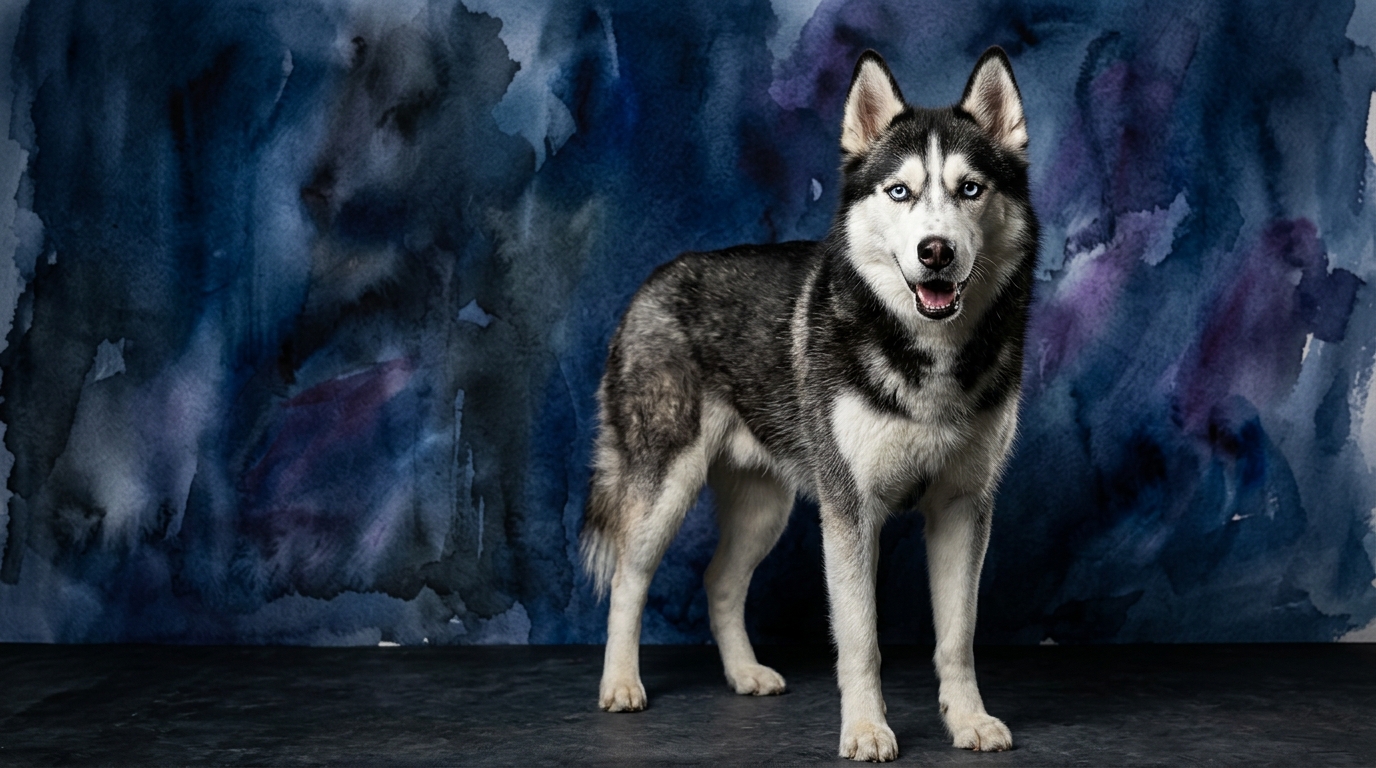
The Siberian Husky, classified as a Working breed, demonstrates a robust cognitive makeup shaped by centuries of demanding sled work. Its Problem Solving ability is rated at 4/5, reflecting its capacity to navigate complex terrains and overcome obstacles during long journeys. Training Speed, however, stands at 2/5, indicating a more independent learning curve that often requires patience and creative motivation. Social Intelligence is 3/5, suggesting a capacity for group cohesion within a pack, while its Instinctive Drive is a powerful 5/5, fueled by an innate desire to run and pull. Finally, its Memory is strong at 4/5, crucial for recalling routes and commands over extended periods.
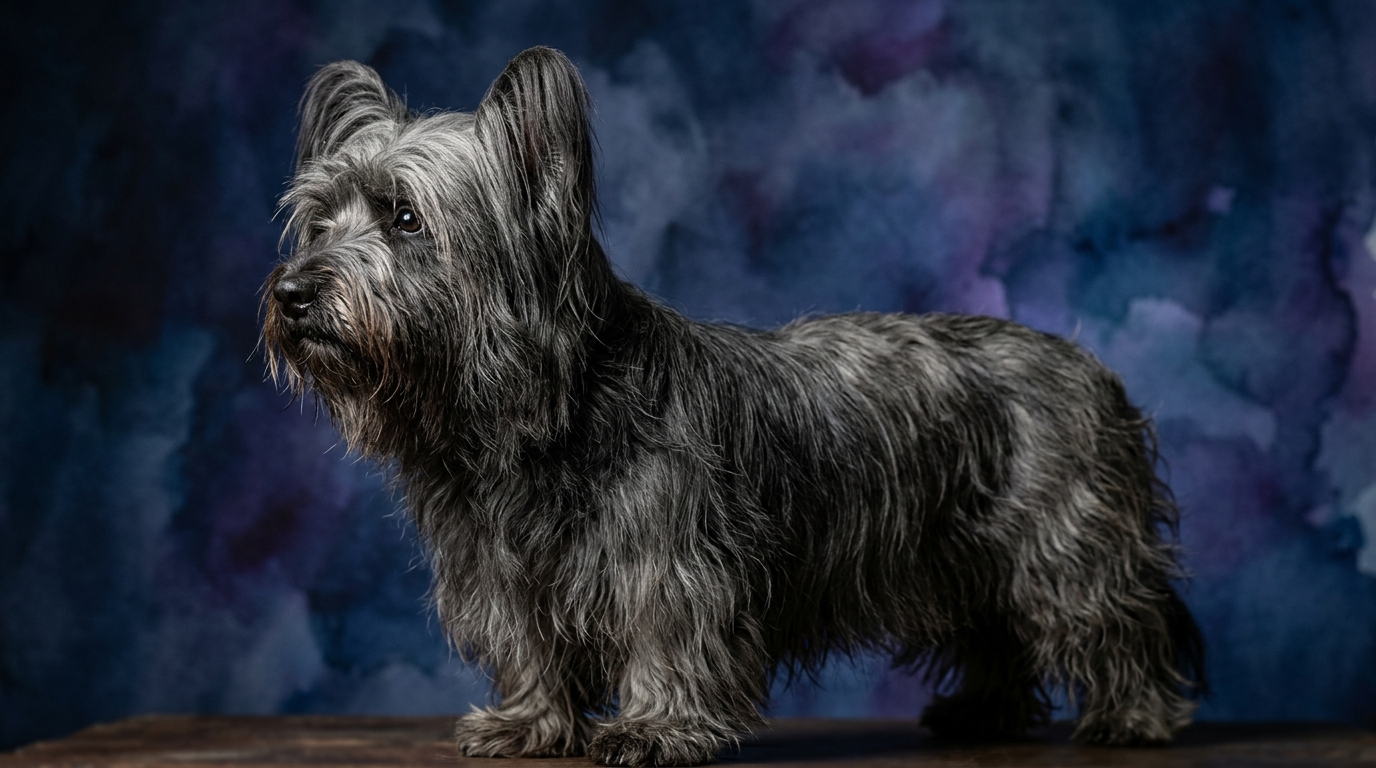
In contrast, the Skye Terrier, a Terrier breed, presents a different set of cognitive strengths. Its Problem Solving ability is rated 3/5, indicative of a breed adept at independent hunting strategies and outwitting small prey. Training Speed is 3/5, suggesting a moderate pace of learning, often influenced by its inherent terrier stubbornness and focus. Social Intelligence is also 3/5, showing a capacity for forming strong bonds with its family, though often reserved with strangers. Its Instinctive Drive is 3/5, primarily focused on scent work and digging, rather than endurance. The Skye Terrier's Memory is rated 3/5, sufficient for retaining learned behaviors and routines, though perhaps not as expansive as a breed tasked with remembering vast landscapes.
Where the Siberian Husky Wins Cognitively
The Siberian Husky excels in areas demanding physical and mental endurance, making its cognitive strengths particularly evident in scenarios requiring sustained effort and navigation. Its 4/5 Problem Solving score means it can independently assess and overcome environmental challenges, whether it's finding a way around a fallen log on a trail or figuring out how to open a gate. This aptitude is a direct result of its heritage, where mushers relied on their lead dogs to make critical decisions in harsh, unpredictable conditions.
Furthermore, the Husky’s 5/5 Instinctive Drive for pulling and running, coupled with its 4/5 Memory, gives it a distinct advantage in tasks requiring consistent, long-term application. A Husky remembers complex routes, often demonstrating an uncanny ability to retrace steps or anticipate turns, even after long breaks. This combination of strong innate motivation and reliable recall makes it exceptionally adept at activities like canine sledding, bikejoring, or extensive hiking, where its sustained mental engagement is as crucial as its physical stamina.
Where the Skye Terrier Wins Cognitively
While not possessing the Husky's sheer endurance-driven cognitive power, the Skye Terrier shines in its focused, independent approach to certain mental tasks. Its 3/5 Training Speed, while moderate, is actually a point of strength when compared to the Husky's 2/5. This suggests that a Skye Terrier, once motivated and engaged, can grasp and retain new commands and routines with a more consistent pace, provided the training is stimulating and reward-based, appealing to its terrier nature.
The Skye Terrier's 3/5 Problem Solving and 3/5 Instinctive Drive are perfectly suited for tasks requiring independent decision-making in confined spaces or focused scent work. A Skye might not navigate a vast wilderness, but it will meticulously investigate a scent trail, employing its problem-solving skills to locate a hidden toy or 'prey' in a challenging environment. Its social intelligence of 3/5, though not overtly demonstrative, allows it to form deep, discerning bonds, making it responsive to the cues of its trusted family members during training sessions.
Which is Easier to Train and Why
Assessing ease of training between these two breeds reveals distinct challenges and opportunities. The Skye Terrier, with a Training Speed of 3/5, generally presents a more straightforward, albeit still terrier-stubborn, training experience than the Siberian Husky (2/5). A Skye Terrier, when properly motivated with high-value rewards and consistent, positive reinforcement, can learn and execute commands with a reasonable degree of reliability. Its independent nature means it might question the 'why' of a command, but once convinced, it can be a diligent student, especially in one-on-one sessions.
The Siberian Husky's lower Training Speed of 2/5 stems from its deeply ingrained independence and a strong 'what’s in it for me?' mentality. Huskies are often described as having selective hearing, not because they don't understand, but because their high Instinctive Drive (5/5) for running, exploring, or self-directed activities often overrides the desire to comply with human commands. Their problem-solving skills (4/5) are frequently applied to finding ways to avoid obedience or achieve their own objectives, making traditional, repetitive training a significant challenge that requires exceptional patience, creativity, and a deep understanding of their unique motivations.
Which Suits Active Owners vs. Relaxed Owners
The choice between a Siberian Husky and a Skye Terrier largely depends on an owner's lifestyle and capacity for engagement. The Siberian Husky is unequivocally suited for active owners who can provide substantial physical and mental stimulation daily. Its powerful 5/5 Instinctive Drive for running and pulling, combined with its 4/5 Problem Solving and Memory, means it thrives on activities like long-distance running, hiking, skijoring, or advanced puzzle toys. Owners must be prepared to channel this boundless energy and cognitive capacity into constructive outlets; otherwise, a bored Husky will independently create its own (often destructive) forms of entertainment.
Conversely, the Skye Terrier, with its moderate 3/5 Instinctive Drive and 3/5 scores across Problem Solving, Training Speed, and Memory, is a better fit for owners seeking a companion with a less demanding, yet still engaged, lifestyle. While they enjoy regular walks and opportunities for scent work in a secure yard, they don't possess the Husky's relentless need for high-impact activity. A Skye Terrier appreciates consistent, gentle training sessions, mental enrichment through moderate puzzle toys, and ample companionship. They are content with a more relaxed pace, provided their family offers consistent attention and a stable routine.
The Verdict
Choose the Siberian Husky if you are an experienced, highly active owner committed to providing extensive daily exercise and mental challenges, appreciating a dog that thinks independently and thrives on endurance tasks.
Opt for the Skye Terrier if you prefer a loyal, discerning companion that enjoys moderate activity, consistent but patient training, and a calm home environment, valuing a dog with a focused, independent spirit.
🧠 Find Your Pet's IQ Score
Our Pet IQ Lab assessment covers 25+ tests across 5 cognitive dimensions — personalized to your breed.
Take the Full IQ Test →Frequently Asked Questions
Are Siberian Huskies difficult to train?
Siberian Huskies are often considered challenging to train due to their strong independence and high instinctive drive. Their 2/5 Training Speed means they require exceptional patience, creative motivation, and a deep understanding of their unique personality to achieve consistent obedience.
What kind of mental stimulation does a Skye Terrier need?
A Skye Terrier benefits from mental stimulation that engages its problem-solving abilities and instinctive drive for scent work. This includes puzzle toys, consistent positive reinforcement training sessions, and opportunities for supervised exploration in a safe environment to satisfy its curious nature.
Which breed is more prone to independent decision-making?
Both breeds exhibit independent decision-making, but in different contexts. The Siberian Husky’s 4/5 Problem Solving and 5/5 Instinctive Drive lead to independent choices in navigating environments and pursuing activities, while the Skye Terrier’s 3/5 Problem Solving and Instinctive Drive manifest in independent scent-tracking and a discerning approach to obedience.