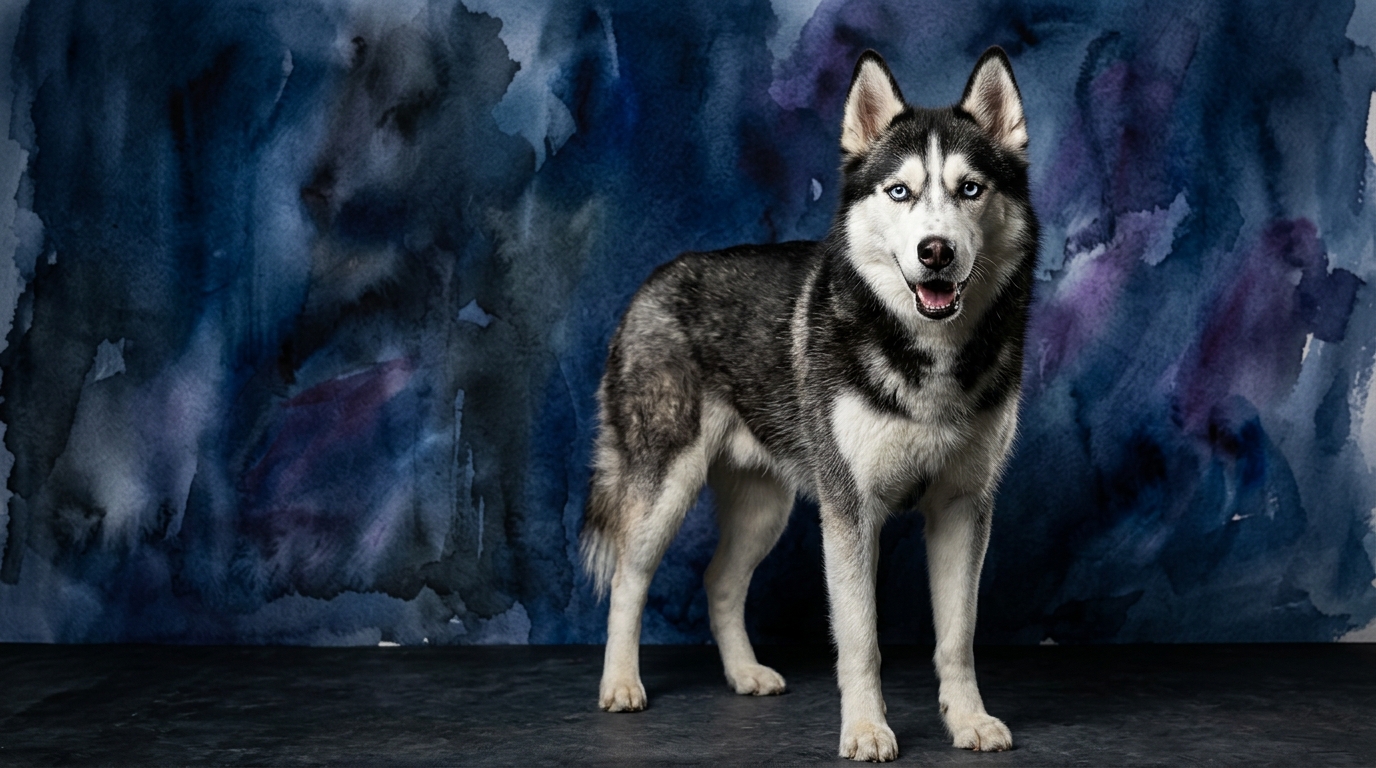
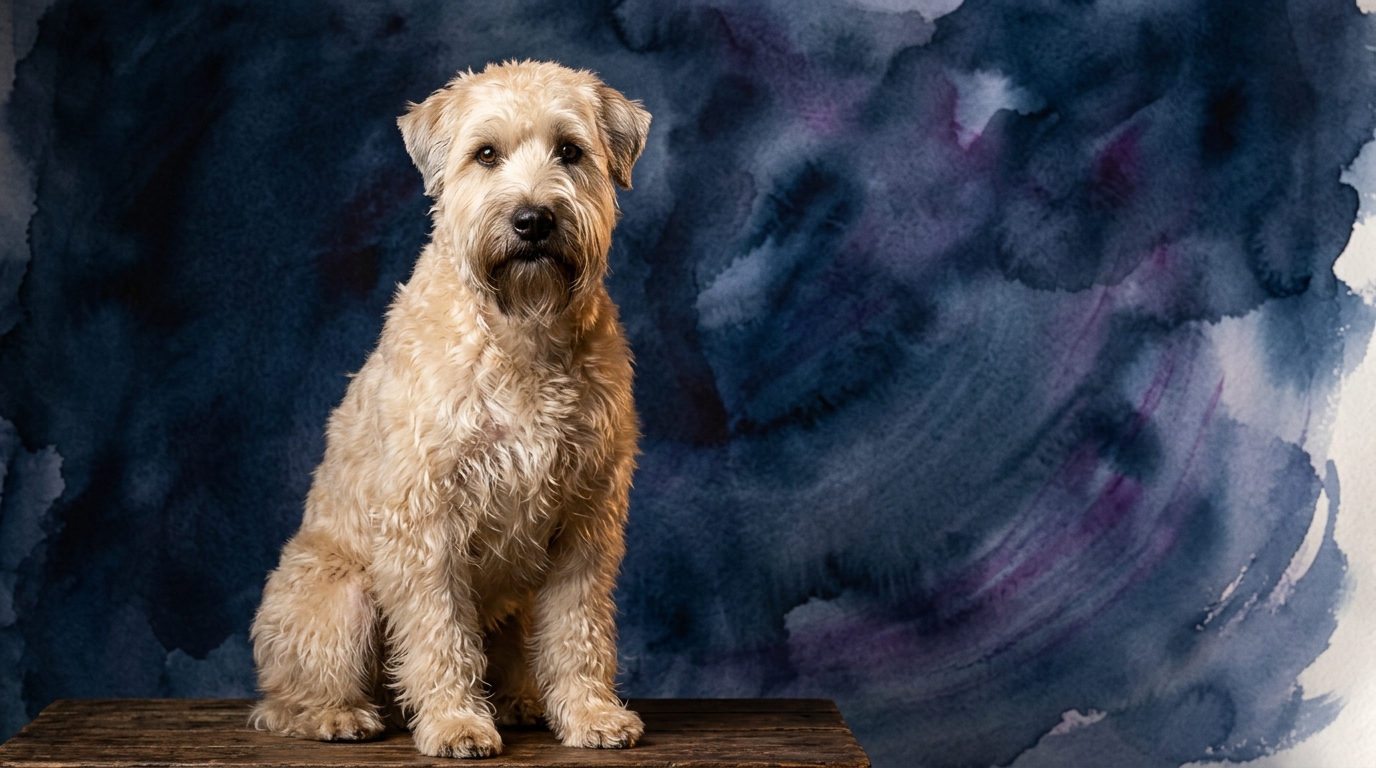
Side-by-Side IQ Profile: Husky vs. Wheaten
The Cosmic Pet Pet IQ Lab categorizes canine intelligence across five key dimensions, providing a framework to understand each breed's unique cognitive makeup. For the Siberian Husky, these dimensions paint a picture of an independent, driven worker, while the Soft Coated Wheaten Terrier showcases a more balanced, adaptable companion.
**Siberian Husky:** This breed, ranked #45 by Coren, demonstrates a powerful cognitive profile rooted in its working heritage. Their **Problem Solving** is rated 4/5, indicating a high capacity for independent thought and resourceful solutions, particularly when motivated by their own objectives or environmental challenges. However, their **Training Speed** is 2/5; while capable of learning, they often require significant motivation and patience to consistently comply with commands due to their independent nature. Their **Social Intelligence** stands at 3/5, forming strong bonds within their 'pack' but often displaying an amiable aloofness towards others. The **Instinctive Drive** is a commanding 5/5, manifesting as a profound urge to run, pull, and explore, fueled by a strong prey drive. Finally, their **Memory** is 4/5, showing robust recall for routes, past experiences, and effective strategies.
**Soft Coated Wheaten Terrier:** This Terrier breed, while not Coren-ranked, possesses a distinct cognitive makeup. Their **Problem Solving** is 3/5, indicating a moderate ability to figure out routines and achieve desired outcomes within their environment, though less inclined towards complex, independent strategizing. Their **Training Speed** is 3/5, meaning they learn new commands at an average pace, generally responding well to positive reinforcement and engagement. **Social Intelligence** for the Wheaten is 3/5, reflecting a friendly, enthusiastic nature towards family and acquaintances, though sometimes with exuberant interactions. Their **Instinctive Drive** is 3/5, a moderate terrier drive that includes curiosity and a manageable prey instinct, but without the relentless wanderlust of a Husky. Their **Memory** is also 3/5, capable of recalling commands and routines, but perhaps without the same spatial or strategic depth.
Where the Siberian Husky Wins Cognitively
The Siberian Husky's cognitive strengths truly shine in scenarios demanding autonomy and ingenuity. Their exceptional 4/5 rating in Problem Solving reflects a deep-seated ability to assess situations and formulate independent solutions, a trait crucial for their ancestors navigating vast, challenging landscapes without constant human direction. This manifests in their resourcefulness, whether it's figuring out how to open a door or devising a strategy to access a coveted item.
Complementing this is their robust 4/5 Memory, particularly for spatial layouts and past successful actions. Huskies are adept at remembering complex routes, the location of resources, or the consequences of previous behaviors, which contributes significantly to their self-sufficiency. Furthermore, their profound 5/5 Instinctive Drive isn't merely physical energy; it's a powerful internal compass that fuels their determination and single-minded focus on objectives like covering ground or pursuing a scent, making them tenacious and driven in their pursuits.
Where the Soft Coated Wheaten Terrier Wins Cognitively
In contrast, the Soft Coated Wheaten Terrier demonstrates cognitive advantages that align more closely with cooperative living and adaptability within a domestic setting. Their balanced 3/5 Training Speed means they are generally more receptive to structured learning environments and less prone to the independent, selective compliance sometimes seen in Huskies. This willingness to engage facilitates a smoother and often more rewarding training experience for owners.
The Wheaten's moderate 3/5 Social Intelligence also contributes to their cognitive wins. While Huskies can be amiable, Wheatens often display a more overtly friendly and enthusiastic disposition, fostering strong, interactive bonds with their human families. Their 3/5 Instinctive Drive, while present, is typically more manageable than the Husky's intense urges. This allows their natural curiosity and energy to be channeled into enjoyable, owner-directed activities, rather than being constantly driven by an overwhelming urge to roam or hunt independently.
Which is Easier to Train and Why
When considering ease of training, the Soft Coated Wheaten Terrier generally presents a more straightforward experience than the Siberian Husky, primarily due to their distinct cognitive profiles. Wheatens, with a Training Speed of 3/5 and an Instinctive Drive of 3/5, typically learn at an average pace and are motivated by positive reinforcement and owner interaction. They tend to be more focused during training sessions, eager to please and engage, making the process feel collaborative and yielding quicker results.
Conversely, the Siberian Husky's Training Speed is a lower 2/5, compounded by an exceptionally high Instinctive Drive of 5/5. This breed's independent nature and strong will mean they often require significant patience, creative motivation, and consistent boundaries. Huskies are capable of learning, but their compliance often hinges on their perception of the command's value to them, and their powerful drive to run or explore can easily override the desire to follow commands, especially in stimulating environments. Their problem-solving abilities (4/5) are often applied to finding ways around rules rather than simply following them, creating a more challenging training dynamic.
Which Suits Active Owners vs. Relaxed Owners
For owners leading an exceptionally active lifestyle, the Siberian Husky is a compelling match, provided their activity aligns precisely with the Husky's profound needs. These dogs require immense physical exertion to satisfy their 5/5 instinctive drive, thriving on long runs, hikes, or sledding-like activities that allow them to utilize their endurance and innate desire to move. Their independent problem-solving (4/5) also means they need consistent mental stimulation that challenges their ingenuity, preventing boredom-driven mischief. A relaxed owner, however, would likely find the Husky's needs overwhelming, as insufficient exercise and mental engagement can lead to destructive behaviors and determined attempts to escape.
The Soft Coated Wheaten Terrier, with its moderate instinctive drive (3/5) and average memory (3/5), offers a more flexible companionship for both active and moderately relaxed owners. While they certainly enjoy and require daily exercise, such as brisk walks, play sessions, or participation in dog sports, their needs are less extreme than the Husky's. A Wheaten can adapt more readily to a home environment where vigorous activity is balanced with quieter family time, making them suitable for owners who enjoy regular activity but also appreciate periods of calm and cuddles on the couch.
The Verdict
Choose the Siberian Husky if you are an experienced, highly active owner prepared to consistently meet a profound need for physical exertion and independent mental stimulation, appreciating a dog that thinks for itself.
Choose the Soft Coated Wheaten Terrier if you seek a friendly, engaging companion amenable to consistent training and moderate activity, fitting well into a home that balances play with relaxation and connection.
🧠 Find Your Pet's IQ Score
Our Pet IQ Lab assessment covers 25+ tests across 5 cognitive dimensions — personalized to your breed.
Take the Full IQ Test →Frequently Asked Questions
Is a Siberian Husky difficult to live with due to its high instinctive drive?
A Siberian Husky's 5/5 instinctive drive, including strong wanderlust and prey drive, can make them challenging without proper management. They require secure containment, extensive exercise, and consistent training to channel these powerful innate behaviors constructively, otherwise, they may find ways to express these drives independently.
Do Soft Coated Wheaten Terriers make good family pets given their social intelligence?
With a social intelligence rating of 3/5, Soft Coated Wheaten Terriers are generally friendly and can make wonderful family pets, often forming strong bonds with all members. Their exuberant greetings may require guidance around very young children, but their adaptable nature allows them to integrate well into most family dynamics with proper socialization.
How does the memory difference impact daily life with these breeds?
A Husky's 4/5 memory means they recall routes and past experiences vividly, making them excellent navigators but also remembering past escapes or forbidden areas. A Wheaten's 3/5 memory is sufficient for routines and commands, but they might not retain complex spatial information with the same precision, making them less prone to recalling intricate escape plans or long-forgotten mischief.