Side-by-Side Cognitive Profiles
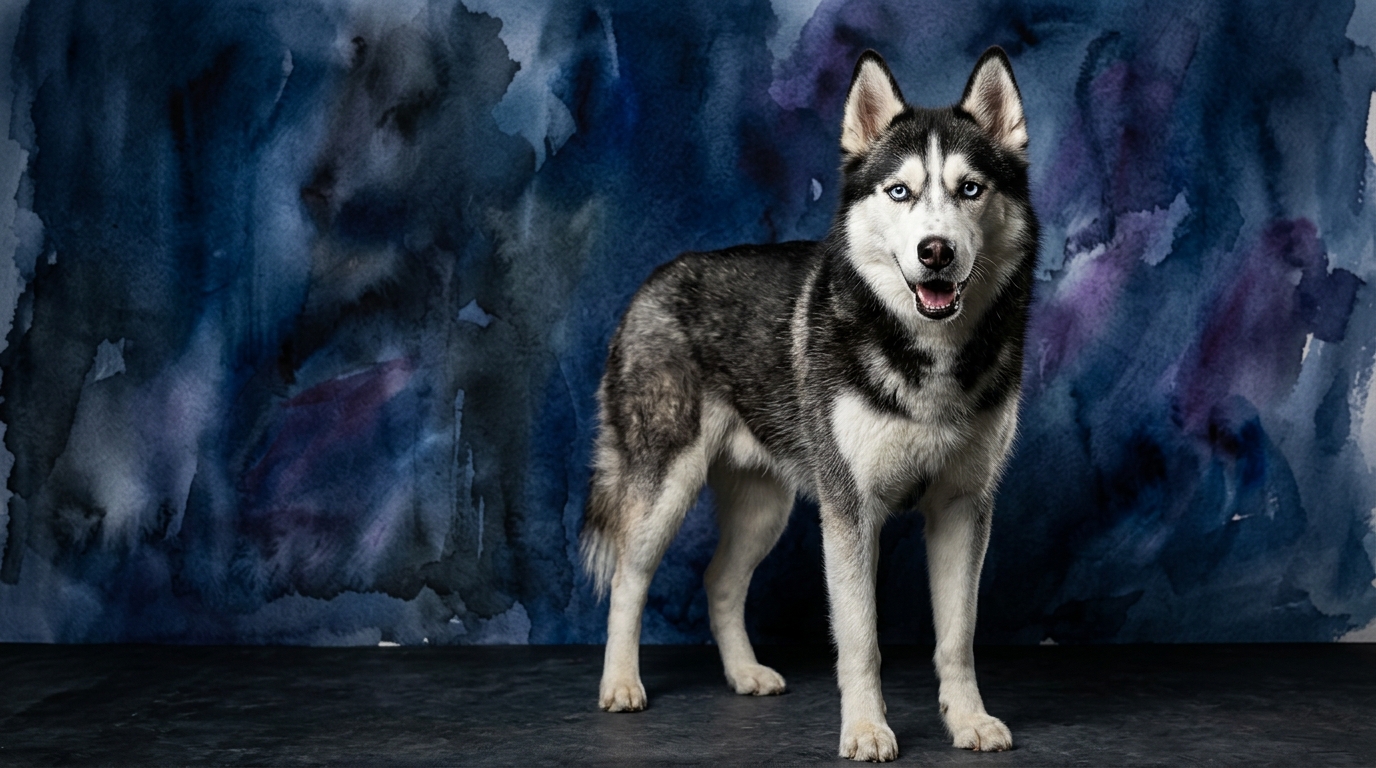
The Cosmic Pet Pet IQ Lab offers a structured way to understand canine cognition, breaking down intelligence into five key dimensions. For the Siberian Husky, a Working group dog Coren-ranked at #45, these dimensions paint a picture of an independent and driven thinker. Their problem-solving ability is rated 4/5, indicating a strong capacity for independent thought and devising their own solutions to obstacles, whether navigating complex terrain or finding ways to access desirable items. Training speed is rated 2/5; while capable of learning, Huskies often present a challenge in traditional obedience due to their independent nature and low desire to please, requiring patient and creative approaches. Social intelligence stands at 3/5, meaning they interact well within their established pack but often maintain a degree of aloofness with strangers. An exceptionally high instinctive drive, rated 5/5, primarily manifests as a powerful prey drive and an inherent urge to run and pull vast distances. Finally, their memory is rated 4/5, demonstrating robust recall for routes, locations of resources, and past experiences, aiding their independence and survival.
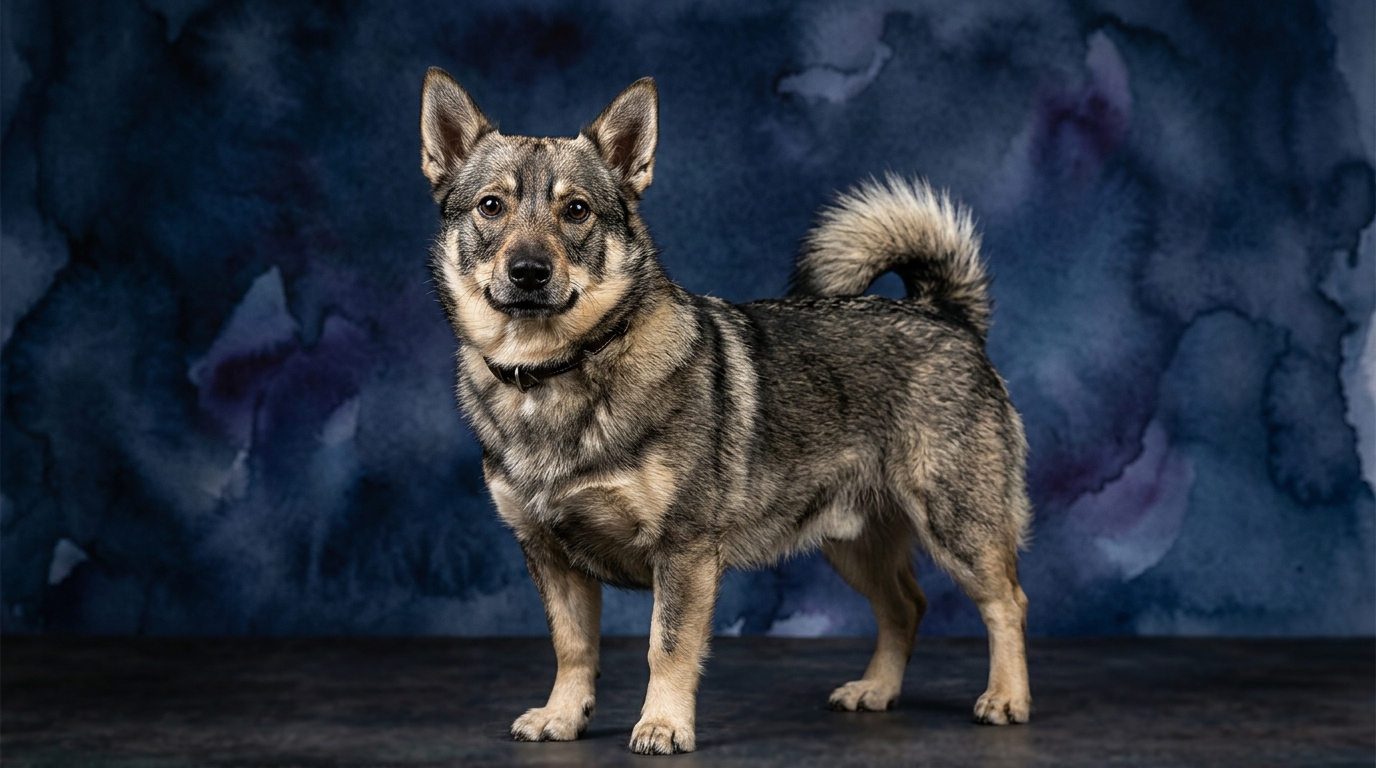
The Swedish Vallhund, a Herding group dog not Coren-ranked, presents a different cognitive blueprint. Their problem-solving ability is rated 3/5, showing a solid, practical capacity, particularly in tasks related to their herding origins, like maneuvering livestock or navigating familiar environments. Training speed is rated 3/5; these dogs generally learn new commands at a moderate pace, often eager to engage with their handlers, making them responsive to positive reinforcement. Social intelligence is also 3/5, indicating they typically display a balanced ability to form strong bonds with families and interact amicably with new people or other animals, reading social cues effectively. Their instinctive drive is rated 3/5, primarily focused on herding, characterized by nipping at heels and a desire to gather, which is typically manageable. Their memory is rated 3/5, reliable for routines, learned commands, and familiar people and places, serving them well as companions and working dogs.
Where the Siberian Husky Excels Cognitively
The Siberian Husky truly shines in its capacity for independent problem-solving and remarkable memory. With a 4/5 rating in problem-solving, Huskies are adept at devising novel solutions to environmental challenges, a trait honed by generations of navigating vast, often featureless, snowy expanses without constant human direction. This isn't about solving human-designed puzzles, but rather about their innate ability to assess situations, such as finding a weakness in a fence or locating a hidden food source, and executing a plan. Their memory, also rated 4/5, underpins this independence; they recall routes, past successes, and the locations of various resources with impressive fidelity. This robust memory, coupled with their strong drive to explore (instinctive drive 5/5), means a Husky can map out and remember extensive territories, making them exceptional at recall for geographical information, even if it’s a memory of how to escape the yard.
Where the Swedish Vallhund Excels Cognitively
The Swedish Vallhund's cognitive strengths lie in its balanced trainability and practical application of its instincts, particularly in social and cooperative settings. While not boasting the Husky's raw problem-solving score, the Vallhund's 3/5 training speed rating indicates a more receptive learner, often showing a greater inclination to work *with* their handler. This cooperative spirit, tied to their herding heritage, allows them to process and act upon commands more readily, making them more pliable in structured training environments. Their social intelligence, rated 3/5, also contributes to their cognitive advantage in human-dog teams; they are generally more attuned to human cues and social dynamics, facilitating smoother communication. This isn't about outsmarting their owners, but rather about their willingness and ability to integrate into human social structures and learn behaviors that benefit the collective, a stark contrast to the Husky's more self-directed approach.
Training Dynamics: Husky vs. Vallhund
When it comes to ease of training, the Swedish Vallhund generally presents a more straightforward experience than the Siberian Husky. The Vallhund's training speed is rated 3/5, indicating a moderate pace of learning and a willingness to engage with commands. This stems from their herding background, where quick responses to handler cues were crucial for managing livestock. They tend to be more handler-focused and possess a greater desire to cooperate, making positive reinforcement highly effective. In contrast, the Siberian Husky's training speed is rated a challenging 2/5. This lower score isn't due to a lack of mental capacity, but rather their strong independence and high instinctive drive (5/5). Huskies were bred to make decisions autonomously on long sled runs, often far from human intervention. They don't inherently see the value in performing repetitive tasks solely for human approval. A Husky might understand a command perfectly but choose not to execute it if they perceive a more interesting or beneficial alternative. For instance, a Vallhund might quickly learn 'stay' and hold it, whereas a Husky might 'stay' until a squirrel runs by, remembering that chasing is a more instinctually rewarding activity. Training a Husky often requires significant patience, creativity, and a deep understanding of their motivations, whereas a Vallhund's cooperative nature often leads to quicker, more consistent results in obedience.
Lifestyle Match: Active vs. Relaxed Owners
Both breeds require active engagement, but the *nature* of that activity differs significantly, influencing suitability for various owner lifestyles. The Siberian Husky, with its profound instinctive drive (5/5) to run and explore, is definitively suited for highly active owners. These dogs demand extensive physical exercise that caters to their endurance and wanderlust, often requiring several miles of running, hiking, or dedicated sledding/canicross activities daily. A relaxed owner will quickly find themselves overwhelmed by a Husky's pent-up energy, which can manifest as destructive behavior, escape attempts, or incessant vocalization. Their independent problem-solving (4/5) often means they'll devise their own 'fun' if not adequately stimulated, which rarely aligns with human preferences. The Swedish Vallhund, while also an active breed, possesses a more moderate instinctive drive (3/5) and is better suited for owners who are active but perhaps not training for a marathon. Vallhunds thrive on daily walks, engaging playtime, and mental stimulation through training or dog sports like agility. Their herding background means they appreciate having a job to do, but this can often be satisfied with structured activities rather than sheer mileage. A Vallhund might be content with a brisk walk, a training session, and some yard play, whereas a Husky would consider that a warm-up. Therefore, owners committed to extreme outdoor endurance activities will find a Husky a thrilling companion, while those who enjoy regular, engaging but less intense activity might find the Vallhund a more fitting partner.
The Verdict
Choose a Siberian Husky if you are an experienced, highly active individual or family prepared for a deeply independent, high-drive companion who thrives on endurance challenges and requires creative, consistent engagement to channel their profound instincts.
Opt for a Swedish Vallhund if you seek a cooperative, moderately active companion who enjoys engaging with their family, responds well to training, and thrives on structured activities that tap into their adaptable herding acumen.
🧠 Find Your Pet's IQ Score
Our Pet IQ Lab assessment covers 25+ tests across 5 cognitive dimensions — personalized to your breed.
Take the Full IQ Test →Frequently Asked Questions
Are Siberian Huskies difficult to train?
Huskies present unique training challenges due to their strong independence and low desire to please, often prioritizing their own instincts over human commands. They require patient, creative, and consistent methods focused on motivation rather than strict obedience, often leading to slower progress compared to more biddable breeds.
Do Swedish Vallhunds need a lot of exercise?
Swedish Vallhunds are an active breed that requires regular daily exercise, including brisk walks, playtime, and mental stimulation. While they don't demand the extreme endurance activities of a Husky, they thrive on having a purpose and benefit greatly from dog sports or training sessions to channel their energy.
Which breed is better with children?
Both breeds can be good with children, but their approaches differ. Swedish Vallhunds often integrate well into family life due to their balanced social intelligence and cooperative nature, though their herding instincts might lead to playful nipping at heels. Siberian Huskies are generally good-natured but can be aloof and their high energy might be overwhelming for very young children, requiring careful supervision.