Side-by-Side Cognitive Profile
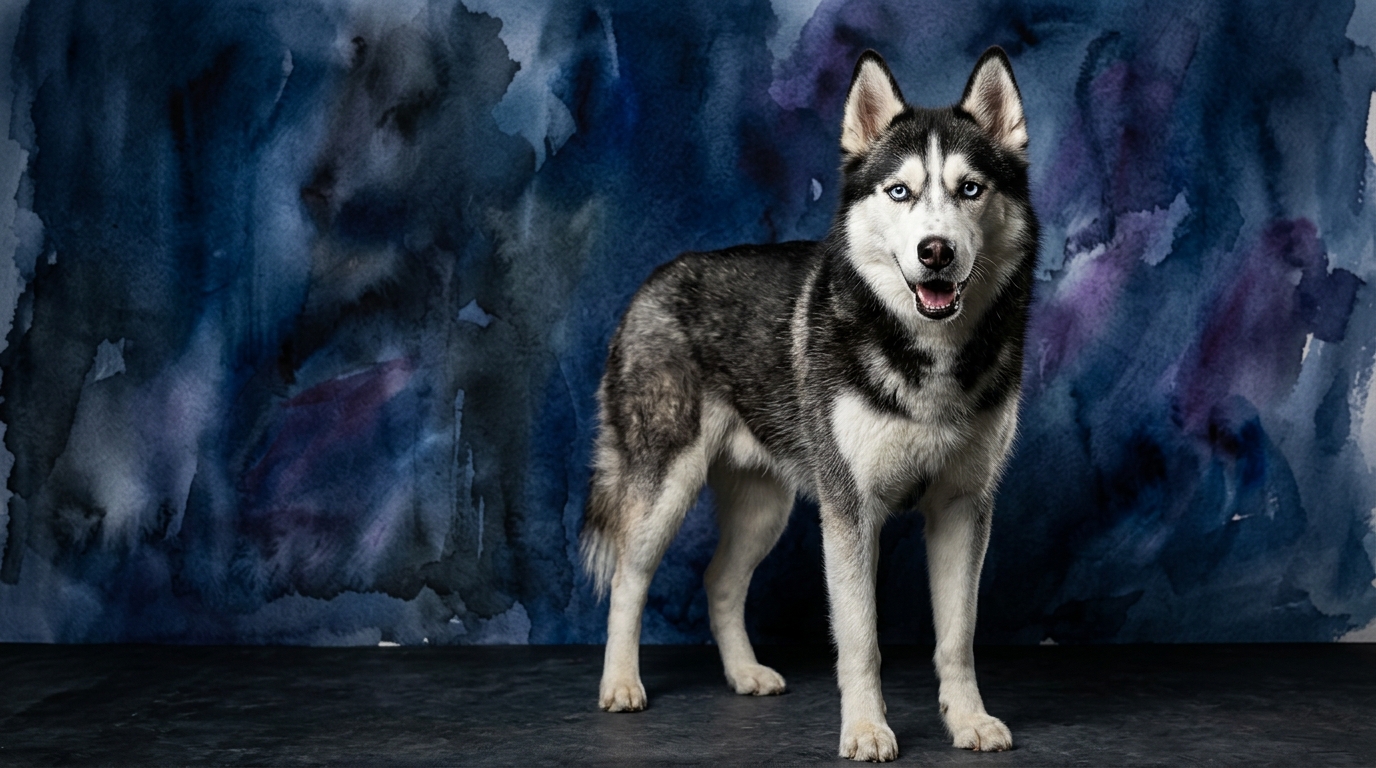
The Cosmic Pet Pet IQ Lab categorizes canine intelligence across five critical dimensions, providing a nuanced understanding of each breed's cognitive architecture. For the Siberian Husky, with a Coren rank of #45, their Problem Solving registers at 4/5, indicating a strong capacity for figuring out complex situations, often driven by their own motivations. Their Training Speed is 2/5, meaning they learn commands but their independent nature often dictates compliance. Social Intelligence is 3/5, reflecting a general amiability but with primary social bonds often directed towards their pack. A defining trait is their Instinctive Drive at 5/5, a powerful urge to pull, run, and explore. Finally, their Memory is 4/5, enabling them to recall routes and past experiences effectively.
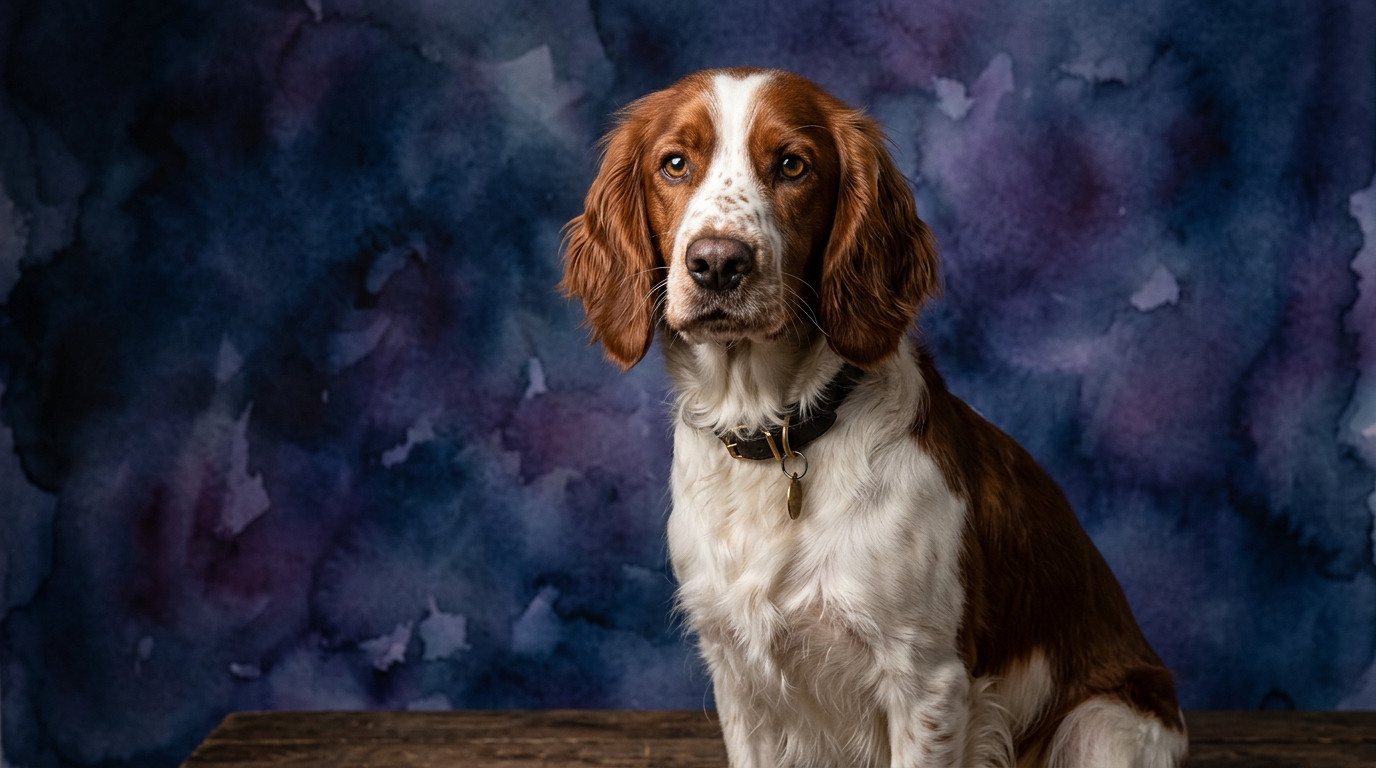
In contrast, the Welsh Springer Spaniel, holding a higher Coren rank of #31, presents a different cognitive blueprint. Their Problem Solving is also 4/5, though often applied in cooperative contexts to achieve tasks with their handler. Their Training Speed is significantly higher at 4/5, indicative of a quick grasp of new commands and an eagerness to please. Social Intelligence matches the Husky at 3/5, showing an outgoing and friendly disposition with good understanding of human dynamics. Their Instinctive Drive is 3/5, a keen hunting instinct that is typically channeled into collaborative work. Like the Husky, their Memory is 4/5, crucial for retaining training and routines, especially in field work.
Where the Siberian Husky Wins Cognitively
The Siberian Husky's cognitive edge largely resides in its unparalleled instinctive drive (5/5) and the way this fuels its problem-solving (4/5) and memory (4/5). These dogs are master strategists when it comes to achieving their own objectives, often those tied to their ancestral roles of endurance running and independent decision-making in vast, open terrains. For instance, a Husky might meticulously map out and remember escape routes from a yard, not out of defiance, but driven by an innate desire to explore or run. Their problem-solving isn't typically about pleasing a human; it's about navigating their environment to satisfy their own deep-seated needs for movement and discovery. This manifests in clever attempts to open doors, scale fences, or disentangle themselves from leashes – all driven by a powerful internal compass. Their strong memory serves these drives well, allowing them to recall successful past strategies for freedom or access to interesting scents, making them incredibly persistent in their endeavors. This independent, self-motivated cognitive framework allows them to excel in situations demanding autonomous decision-making and resilience, far from human guidance.
Where the Welsh Springer Spaniel Wins Cognitively
The Welsh Springer Spaniel's cognitive strengths shine brightest in their exceptional training speed (4/5) and how this integrates with their problem-solving (4/5) and more moderate instinctive drive (3/5). Unlike the Husky's independent problem-solving, the Welsh Springer's cognitive approach is often centered around cooperation and understanding human directives. Their quick uptake of commands and eager responsiveness means they excel in learning complex sequences and tasks that require precision and partnership. For example, a Welsh Springer will quickly learn to navigate an agility course, understanding the nuances of each obstacle and sequence, driven by a desire to work alongside their handler. Their problem-solving skills are frequently applied in scenarios where they need to figure out how to best execute a given task, whether it's retrieving a specific item or following a scent trail with purpose. This breed's lower, yet still present, instinctive drive ensures that while they are motivated by their natural working abilities, these urges are more readily channeled and refined through training, making them incredibly proficient and reliable partners in structured activities.
Which is Easier to Train and Why
Comparing training ease between these two breeds reveals a significant divergence, primarily due to their intrinsic motivations and Training Speed scores. The Welsh Springer Spaniel, with a Training Speed of 4/5, is generally considered much easier to train. Their eagerness to please, coupled with a cooperative nature, means they quickly grasp and retain commands. They find satisfaction in working alongside their human, making positive reinforcement highly effective. Their instinctive drive (3/5), while present, is more readily directed into structured activities like retrieving or scent work, rather than overriding human instruction. In contrast, the Siberian Husky, with a Training Speed of 2/5, presents a greater training challenge. Their powerful instinctive drive (5/5) for running and exploring, combined with their independent problem-solving (4/5), means they often prioritize their own agenda over human commands. They understand what is asked but may choose to comply only if it aligns with their immediate interests or if the reward is exceptionally high. This requires immense patience, consistency, and creative motivation from their handler to achieve reliable obedience, as their cognitive framework is geared towards autonomous decision-making rather than inherent compliance.
Which Suits Active Owners vs. Relaxed Owners
The cognitive profiles of the Siberian Husky and Welsh Springer Spaniel clearly delineate their suitability for different owner lifestyles. The Siberian Husky, defined by an extraordinary instinctive drive (5/5) and independent problem-solving (4/5), is unequivocally suited for highly active and experienced owners. Their need for vigorous physical exercise and mental stimulation is non-negotiable; without it, their independent nature and cognitive abilities can lead to destructive behaviors, escape attempts, or general restlessness. They thrive with owners who can provide daily long runs, engaging dog sports like sledding or canicross, and consistent mental challenges to channel their boundless energy and cleverness. Conversely, the Welsh Springer Spaniel, while still a sporting breed requiring regular activity, is a better fit for active but perhaps less extreme or more structured owners. Their instinctive drive (3/5) is substantial, but it's often directed towards cooperative activities. They enjoy long walks, hikes, and particularly excel in dog sports like agility, obedience, or field trials where they work closely with their handler. While they appreciate a good run, their cognitive makeup makes them more content with a balance of activity and companionship, making them adaptable to families who are active but also enjoy quieter time at home. Neither breed is suitable for truly relaxed or sedentary owners, but the intensity and independence of the Husky's needs are significantly higher.
The Verdict
Choose a Siberian Husky if you are an experienced, highly active individual or family prepared for a persistent, independent thinker with immense endurance, who thrives on self-directed challenges and requires consistent, creative engagement to channel their powerful drives.
Opt for a Welsh Springer Spaniel if you seek an active, cooperative companion eager to learn and work alongside you, valuing a responsive partner for structured activities like hiking, dog sports, or family adventures, and appreciate a quicker training response.
🧠 Find Your Pet's IQ Score
Our Pet IQ Lab assessment covers 25+ tests across 5 cognitive dimensions — personalized to your breed.
Take the Full IQ Test →Frequently Asked Questions
Do Siberian Huskies get bored easily?
Yes, their high instinctive drive and problem-solving abilities mean they require constant mental and physical stimulation. Without engaging activities, they can become restless and may devise their own, often undesirable, forms of entertainment or escape.
Are Welsh Springer Spaniels good with children?
Welsh Springer Spaniels generally possess good social intelligence and an amiable nature, making them suitable family companions. Their cooperative temperament and desire to please often translate into patience and gentleness with children, especially when properly socialized.
How do their memories compare in practical terms?
Both breeds have strong memories (4/5), but they apply it differently. Huskies use their memory for independent navigation and recalling past successes in solving self-motivated challenges, while Welsh Springers use theirs effectively for retaining complex training sequences and routines for cooperative tasks.