Decoding Cognitive Profiles: Skye Terrier vs. American Eskimo Dog
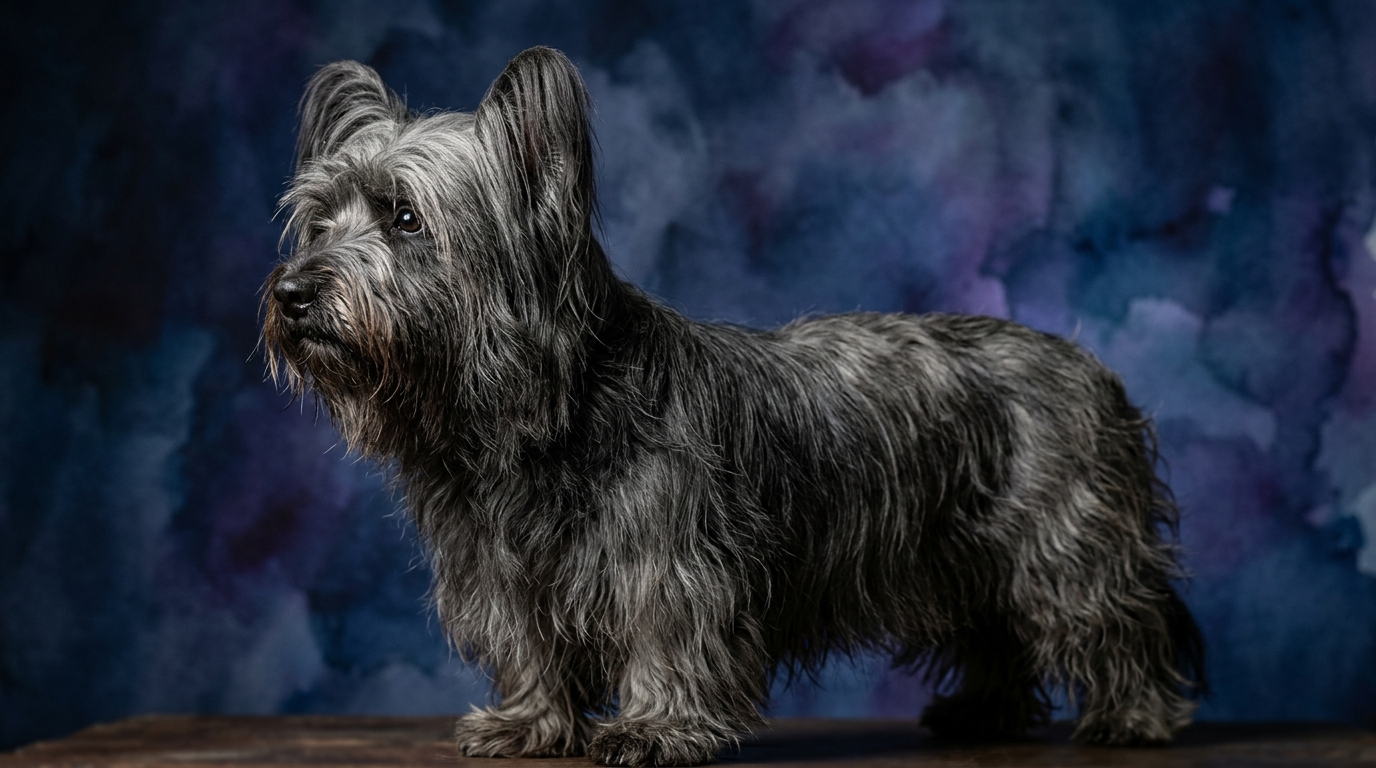
The Skye Terrier, a breed shaped by its origins hunting tenacious quarry on the Isle of Skye, displays its 3/5 cognitive scores with a distinct independent flair. Their Problem Solving often involves determined, self-directed strategies to achieve a goal, rather than looking for human guidance; imagine a Skye meticulously figuring out how to access a perceived burrow. Training Speed, while present, is frequently tempered by their strong will, meaning they learn but often choose when to apply that knowledge, requiring a patient and consistent approach. Social Intelligence is deeply rooted in loyalty to their immediate family, reading their chosen humans with keen perception, though they may be more reserved with outsiders. Instinctive Drive is pronounced, manifesting in a robust prey drive and a natural inclination to dig or pursue. Finally, their Memory is solid, retaining experiences and lessons that align with their self-determined objectives and family bonds.
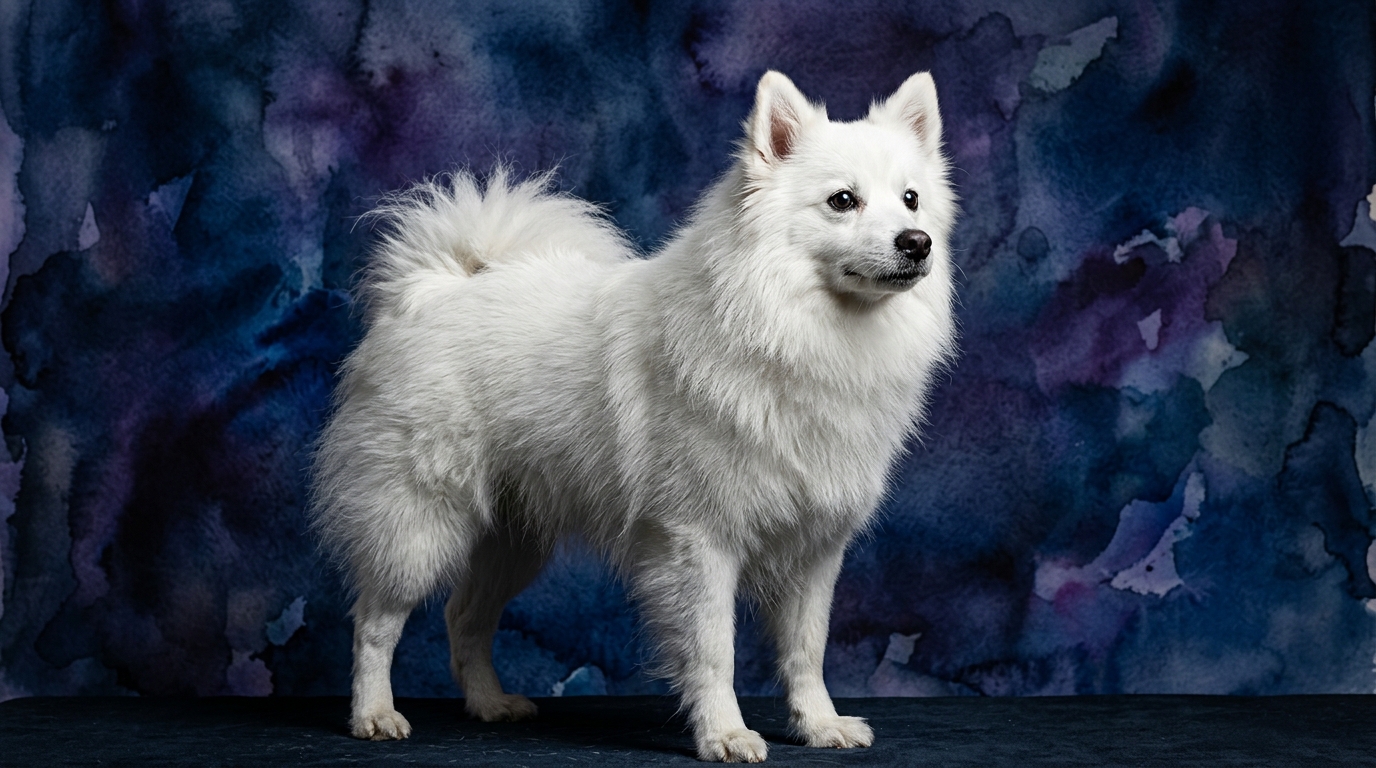
In contrast, the American Eskimo Dog, a descendant of German Spitz dogs once celebrated in circuses and as farm companions, exhibits its consistent 3/5 IQ ratings through a more cooperative and performance-oriented lens. Their Problem Solving often centers on engaging with humans, whether it's deciphering a puzzle toy for a treat or understanding how to elicit desired attention. Training Speed is generally high due to their eagerness to please and vocal nature, making them adept at learning tricks and commands, particularly when positive reinforcement is applied. Social Intelligence is a hallmark, as they are often highly attuned to human emotions and thrive on interaction, making them excellent at navigating complex family dynamics and social cues. Their Instinctive Drive leans towards alertness, vocal communication, and playfulness, rather than intense hunting, often using their agility and voice to interact. Their Memory is also robust, readily recalling an impressive repertoire of commands, routines, and positive interactions that have yielded rewarding outcomes.
Skye Terrier's Cognitive Strengths: Independent Acumen
The Skye Terrier truly shines in scenarios demanding independent thought and unwavering determination, even with identical 3/5 scores. Their Problem Solving, while not necessarily faster than an Eskie's, is characterized by a tenacious, self-reliant approach. For instance, if left to their own devices to navigate a challenging physical environment or to locate a hidden object, a Skye is more likely to devise a solution based on internal drive and persistent effort, rather than seeking human input. This deep-seated autonomy, a legacy of their vermin-hunting past, allows them to operate effectively in situations where human direction might be absent or less critical, demonstrating a robust capacity for self-motivated task completion.
Furthermore, the Skye's Instinctive Drive, rated 3/5, translates into a laser-focused dedication to tasks that tap into their primal instincts. While an American Eskimo Dog might be driven by the desire to perform for an audience, a Skye's drive is rooted in pursuit and resolve. This means they often exhibit exceptional stamina and single-mindedness when engaged in activities that mimic their ancestral duties, such as scent work or earthdog trials. Their memory, while rated similarly, serves this drive by recalling the most effective strategies for overcoming obstacles or tracking, making them remarkably effective in environments where persistence and independent action are paramount.
American Eskimo Dog's Cognitive Strengths: Cooperative Brilliance
The American Eskimo Dog, with its identical 3/5 cognitive ratings, often demonstrates a superior aptitude for cooperative problem-solving and performance-based learning. Their circus heritage is evident in their capacity to quickly associate actions with rewards and to understand complex sequences of behaviors when guided by a human. An Eskie's Problem Solving often involves deciphering what their human wants from them in a given situation, making them exceptionally responsive to training cues and more likely to engage with interactive puzzle toys designed for human-dog teamwork. This desire to work *with* their owner, rather than solely for themselves, sets their cognitive application apart.
The Eskie's Social Intelligence, also a 3/5, manifests as a highly developed ability to read human intentions and emotions, fostering a strong desire to please that significantly impacts their learning. This translates into a quicker uptake in formal obedience and trick training (Training Speed), as they are motivated by positive reinforcement and the joy of interaction. Their memory efficiently stores a vast array of commands and tricks, recalling them with enthusiasm, especially when an appreciative audience is present. This makes them outstanding candidates for dog sports like agility, obedience, and even therapy work, where nuanced interaction and a willing partnership are key.
Training Dynamics: Navigating Independence vs. Eagerness
When evaluating ease of training, the distinction isn't in raw learning capacity (both are 3/5 for Training Speed), but in their inherent motivations and behavioral tendencies. The American Eskimo Dog generally presents as "easier" to train for a wider range of owners due to its pronounced eagerness to please and cooperative nature. Eskies thrive on positive reinforcement, praise, and the sheer joy of interaction, making them highly receptive to learning new commands and tricks. Their vocal nature can be channeled into communication, and their agility makes them quick studies in performance-based activities, readily absorbing lessons when clear, consistent methods are used.
The Skye Terrier, while perfectly capable of learning, requires a more nuanced approach and a deeper understanding of terrier psychology. Their independence and strong will, rooted in centuries of self-directed hunting, mean they often need convincing that a command is worth their effort. Training a Skye is less about speed and more about consistency, patience, and making the training feel like a collaborative effort rather than a directive. Owners must establish themselves as clear, fair leaders, and use high-value rewards to motivate. A Skye might learn "sit" just as quickly, but their application of that command in a distracting environment might depend more on their personal assessment of the situation than an Eskie's immediate compliance, reflecting a difference in their problem-solving and social intelligence application.
Lifestyle Match: Matching Cognitive Energy to Owners
For active owners seeking a canine partner for diverse activities, the American Eskimo Dog often presents a more versatile fit. Their inherent playfulness, agility, and desire for interaction make them excellent companions for dog sports like agility, flyball, or obedience competitions. They thrive on mental stimulation and physical activity, enjoying structured games, long walks, and opportunities to learn new skills. Their social intelligence and eagerness to please mean they typically adapt well to various environments and social settings, making them suitable for owners who enjoy taking their dog to different places and engaging in a range of activities.
Conversely, while not a sedentary breed, the Skye Terrier can suit owners who prefer a more relaxed daily routine, provided they understand the Skye's distinct needs. A "relaxed owner" for a Skye doesn't mean a passive owner; it means one who appreciates the breed's independent spirit and is prepared for bursts of determined activity rather than constant, high-energy engagement. Skyes enjoy purposeful walks and opportunities to explore scents, but their activity is often more about mental engagement and fulfilling their breed instincts (like a good sniffari) than relentless physical exertion. They are content with quality time with their family, often preferring a cozy spot nearby to constant "go-go-go." Owners must still provide mental stimulation to prevent boredom, but this might involve puzzle toys or short, focused training sessions rather than extensive daily athletic endeavors.
The Verdict
Choose the Skye Terrier if you appreciate a deeply loyal, independent companion with a tenacious spirit, someone who will bond fiercely with their family and engage with the world on their own terms. Be prepared for a patient, consistent training approach that respects their strong will.
Opt for the American Eskimo Dog if you desire an engaging, cooperative, and highly trainable partner who thrives on interaction and performance, eager to participate in family activities and canine sports. Their desire to please makes them a joy to train and live with for active, involved owners.
🧠 Find Your Pet's IQ Score
Our Pet IQ Lab assessment covers 25+ tests across 5 cognitive dimensions — personalized to your breed.
Take the Full IQ Test →Frequently Asked Questions
Do Skye Terriers and American Eskimo Dogs get along with other pets?
The American Eskimo Dog's social intelligence often allows them to integrate well with other pets, especially if socialized early, thriving on cooperative interaction. Skye Terriers, while loyal to their family, can be more particular with other dogs or small animals due to their prey drive and independent nature, requiring careful introductions and supervision.
Are these breeds good for first-time dog owners?
The American Eskimo Dog, with its eagerness to please and cooperative nature, can be a suitable choice for a dedicated first-time owner willing to provide consistent training and mental stimulation. The Skye Terrier's independent streak and strong will generally make them a better fit for experienced dog owners who understand terrier specific traits and can provide confident leadership.
How do their vocal tendencies compare?
American Eskimo Dogs are known for their vocal nature, often using barking to communicate, alert, or express excitement, a trait stemming from their watchfulness and desire to interact. Skye Terriers can also be vocal, particularly when alerting to perceived intruders or expressing their strong opinions, though perhaps less consistently than an Eskie, with their barks often carrying a distinct, assertive quality.