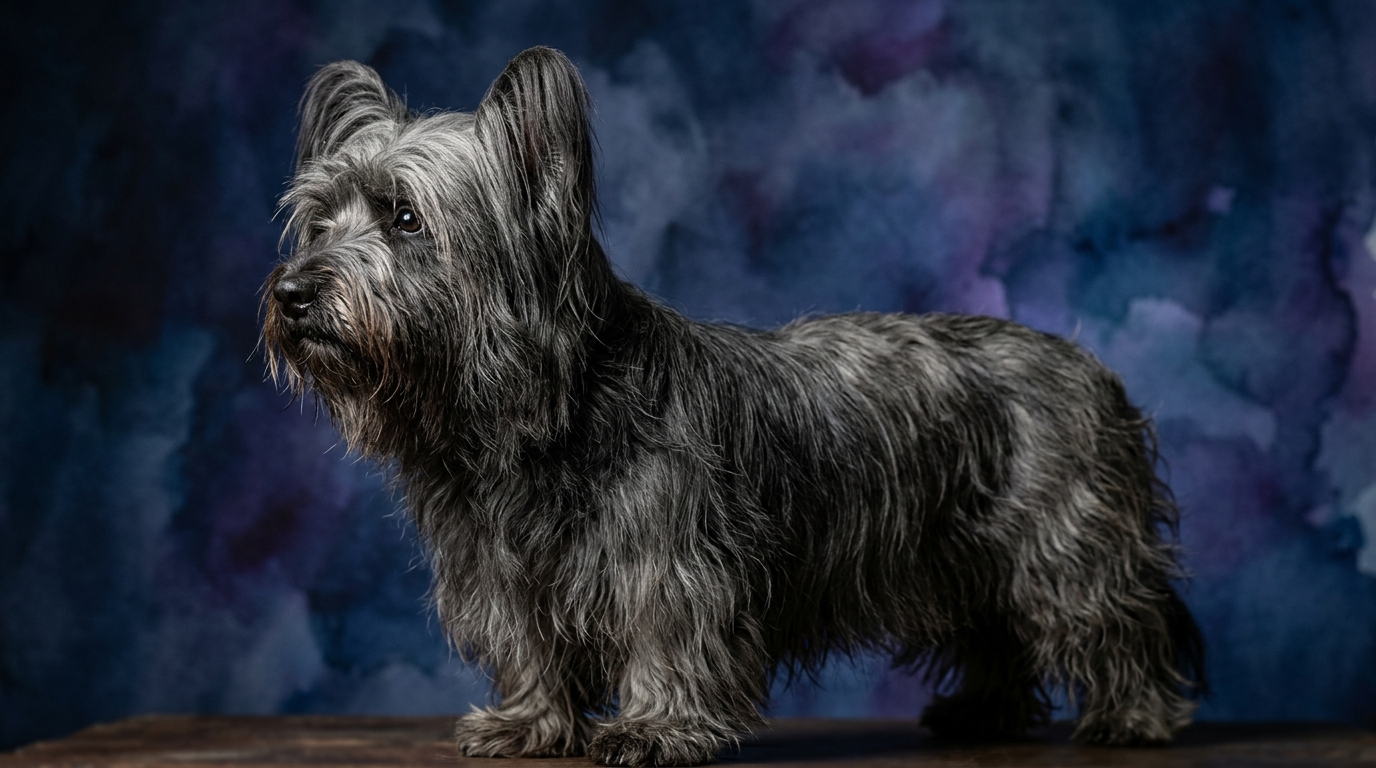
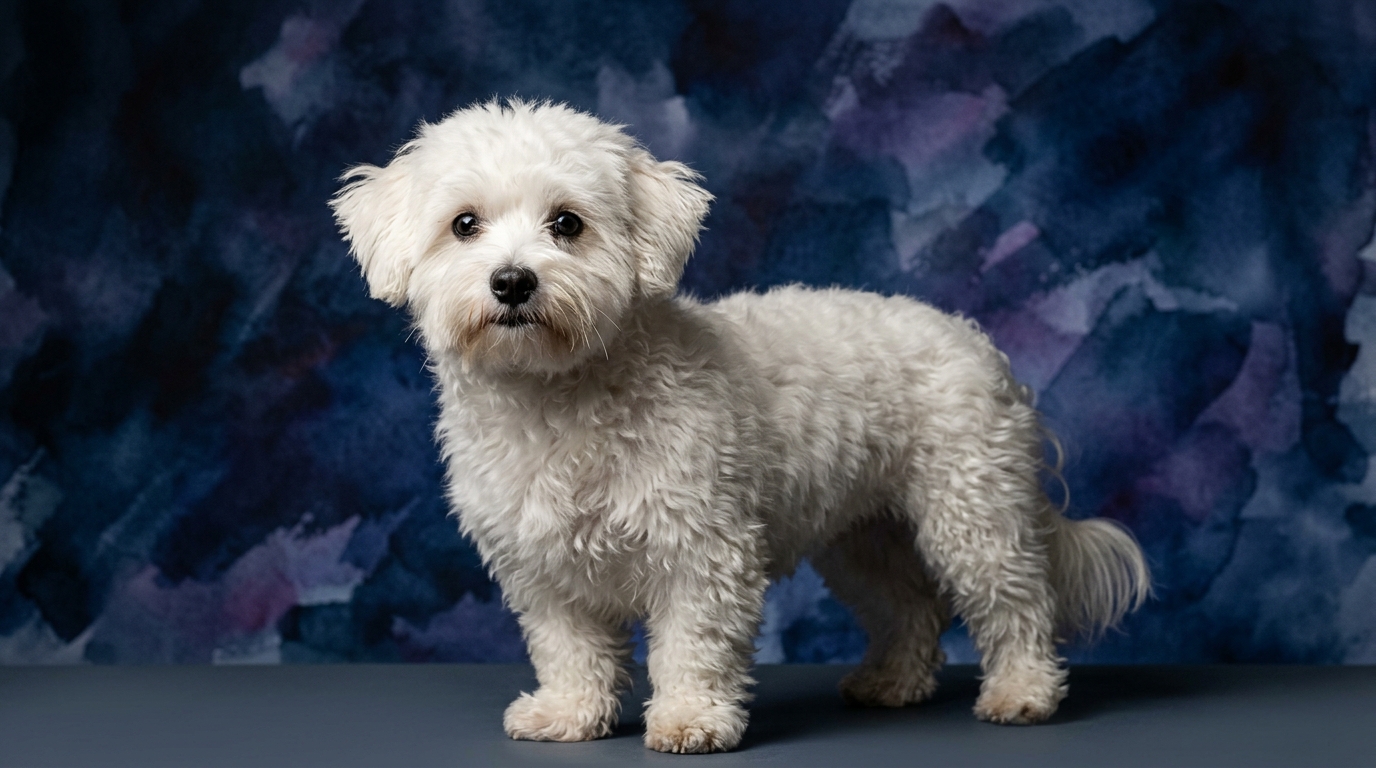
Side-by-Side Cognitive Profile: Skye Terrier vs. Coton de Tuléar
At first glance, The Cosmic Pet Pet IQ Lab ratings suggest a remarkably even cognitive playing field between the Skye Terrier and the Coton de Tuléar, with both breeds scoring 3/5 across all five dimensions. However, interpreting these scores through the lens of each breed's unique history and temperament reveals distinct cognitive styles.
For the Skye Terrier, a 3/5 in **Problem Solving** indicates a moderate, yet highly determined, aptitude for navigating challenges. This often manifests as persistent, independent thought applied to practical, self-benefiting goals, such as devising a strategy to access a favorite toy under furniture or finding the optimal lookout spot. They are not easily deterred once they set their minds on something, showcasing a methodical approach to obstacles.
Their **Training Speed** (3/5) points to a steady learning pace, influenced by their inherent independence. Skyes can certainly grasp commands and routines, but their strong will means they require consistent, engaging methods and a clear understanding of "what's in it for them" to maintain focus and prompt execution. They process new information reliably but may choose to respond on their own timetable if not properly motivated.
A Skye's **Social Intelligence** (3/5) leans towards discerning loyalty and understanding the dynamics within their trusted human circle. They are observant of their family's moods and routines, forming deep, often singular bonds. While not overly effusive with strangers, they can read social cues from those they accept, preferring quiet companionship and a clear understanding of boundaries.
True to their terrier heritage, the Skye possesses a moderate, yet definite, **Instinctive Drive** (3/5). This can translate into a natural inclination to dig, chase small, quick-moving objects (squirrels, leaves), and act as a vigilant guardian of their territory and family. This drive is manageable but requires appropriate outlets and understanding from their owners.
Finally, Skyes demonstrate a solid **Memory** (3/5) for routines, learned commands, and, significantly, for past experiences. They recall specific people, places, and events, influencing their future interactions and responses. This strong memory contributes to their reliability in familiar environments but also means they remember inconsistent training or negative encounters.
Turning to the Coton de Tuléar, their 3/5 in **Problem Solving** exhibits a moderate capacity for cleverness, often employed to navigate their world through social means. Their solutions frequently involve social manipulation – figuring out how to gain attention, solicit a treat, or get onto a preferred lap. They might use subtle signals or playful antics, demonstrating a knack for achieving their desires through engaging with their human companions rather than solely through physical or abstract means.
Cotons learn commands at a moderate and often enthusiastic pace, reflected in their **Training Speed** (3/5), driven by their strong desire for interaction and positive reinforcement. Their eagerness to please makes them receptive students, though their playful nature can sometimes lead to delightful distractions. Consistent, reward-based methods work exceptionally well, as they thrive on the shared activity and praise.
Cotons truly shine in their application of **Social Intelligence** (3/5). This score reflects a keen ability to read human emotions, understand social dynamics within the family unit, and adapt their behavior accordingly. They are highly attuned companions, capable of sensing mood shifts and offering comfort or eliciting smiles, making them masters of emotional connection and household harmony.
While primarily companion dogs, Cotons retain a moderate level of **Instinctive Drive** (3/5). This might manifest as a playful chase instinct for toys, a curious exploration of new scents in the garden, or a watchful awareness of their immediate surroundings. This drive is typically channeled into interactive play and companionship rather than intense, purposeful work, making them engaging family members.
Cotons possess a robust **Memory** (3/5) for faces, routines, and both positive and negative past interactions. They readily recall training cues, favored activities, and the people they love, contributing to their remarkable adaptability and ability to form strong, lasting, and deeply personal bonds with their families. This reliable memory aids in their consistent behavior and social interactions.
Where the Skye Terrier Wins Cognitively
While both breeds achieve a 3/5 in problem-solving, the Skye Terrier's cognitive strengths often manifest in a tenacious, self-directed approach. Their 3/5 rating here reflects a practical intelligence geared towards achieving personal objectives, often requiring sustained effort and independent thought. A Skye might excel at figuring out how to manipulate a latch or navigate a complex path to a preferred sunbeam, demonstrating a determined application of their wits rather than seeking human assistance. This perseverance, rooted in their working terrier heritage, gives them a unique edge in situations demanding individual resolve.
Where the Coton de Tuléar Wins Cognitively
The Coton de Tuléar, also scoring 3/5 across the board, shines particularly in the nuanced application of their social intelligence. While their score matches the Skye, the Coton’s expression is distinctively people-oriented. Their 3/5 in social intelligence suggests a keen observational capacity for human moods and cues, allowing them to adapt their behavior to solicit affection or diffuse tension. A Coton might 'solve' the problem of getting a treat by employing a charming gaze or a gentle nudge, showcasing a sophisticated understanding of their human companions' emotional states and how to leverage them. This breed's talent lies in their ability to read and respond to social dynamics, making them masters of companionship.
Which Is Easier to Train and Why
Despite both breeds sharing a 3/5 rating for training speed, their underlying motivations and behavioral tendencies create a noticeable difference in ease of training. The Coton de Tuléar generally presents as the more straightforward student. Their strong social intelligence and desire to engage with their human companions mean they are often eager to please and highly responsive to positive reinforcement. They thrive on interaction during training sessions, viewing it as a shared activity that strengthens their bond. Their problem-solving might even be applied to understanding what their owner wants, making them cooperative learners, though they can be sensitive to harsh corrections.
The Skye Terrier, while possessing the same 3/5 training speed, brings a more independent and determined spirit to the classroom. Their 3/5 instinctive drive, coupled with their inherent self-reliance, means they often have their own ideas about what is important. Training a Skye requires immense patience, consistency, and a deep understanding of their terrier nature. They will learn, but they might question the necessity of a command or choose to respond on their own timeline. Engaging their problem-solving skills in a way that aligns with their drive to achieve a goal, rather than just rote obedience, is key to success.
Which Suits Active Owners vs. Relaxed Owners
For owners seeking a companion that aligns with a more relaxed, indoor-centric lifestyle, the Coton de Tuléar is often an excellent fit. Their moderate instinctive drive and profound social intelligence mean they are content with being close to their family, enjoying gentle walks, interactive play, and quiet companionship. Their adaptable nature and focus on human interaction make them ideal for those who value a constant, charming presence and are happy to engage in indoor games or short strolls. They thrive on being part of daily routines without demanding intense physical exertion.
Conversely, the Skye Terrier, with its terrier heritage and robust 3/5 instinctive drive, is better suited for owners who appreciate a dog with a more independent spirit and a need for purpose, even if not intensely athletic. While not requiring marathon runs, Skyes benefit from regular, engaging walks that allow them to explore scents and satisfy their curiosity. Their problem-solving abilities and memory mean they appreciate mental stimulation and structured activities that tap into their innate drives. Owners who enjoy consistent training, exploring, and providing a sense of 'work' for their companion will find a rewarding partnership with a Skye Terrier, even if that 'work' is simply patrolling the garden.
The Verdict
Choose the Skye Terrier if you appreciate a tenacious, independent companion who applies their wits to practical, self-driven goals and thrives with consistent, engaging training that respects their terrier spirit.
Opt for the Coton de Tuléar if you desire a charming, highly socially attuned companion who excels at reading human cues and thrives on interactive, positive reinforcement-based training and close family companionship.
🧠 Find Your Pet's IQ Score
Our Pet IQ Lab assessment covers 25+ tests across 5 cognitive dimensions — personalized to your breed.
Take the Full IQ Test →Frequently Asked Questions
Do Skye Terriers adapt well to apartment living?
Yes, Skye Terriers can adapt to apartment living provided they receive adequate mental and physical stimulation. Their moderate instinctive drive means they appreciate regular, purposeful walks and engaging indoor activities to prevent boredom and channel their independent nature.
Are Coton de Tuléars prone to separation anxiety?
Coton de Tuléars, with their strong social intelligence and desire for companionship, can be prone to separation anxiety if left alone for extended periods. They thrive on human interaction, so early training for alone time and consistent companionship are crucial for their well-being.
How do their training approaches differ given similar IQ scores?
Despite identical training speed scores, Cotons often respond better to positive reinforcement and social motivation due to their desire to please, while Skyes benefit from engaging, consistent training that respects their independent spirit and leverages their problem-solving for self-rewarding tasks.