
Side-by-Side IQ Profile: Skye Terrier vs. Keeshond
The Cosmic Pet Pet IQ Lab provides a unique lens through which to examine the cognitive strengths of these two distinct breeds. The Skye Terrier consistently scores a balanced 3/5 across all five dimensions: problem-solving, training speed, social intelligence, instinctive drive, and memory. This indicates a moderate and predictable capacity in each area, suggesting an animal that learns steadily, processes new information at an average pace, and retains it reliably without being exceptional in any one facet. Their instinctive drive, while present as a terrier, is managed at a level that allows for companion living without constant redirection, and their social understanding is sufficient for strong family bonds.
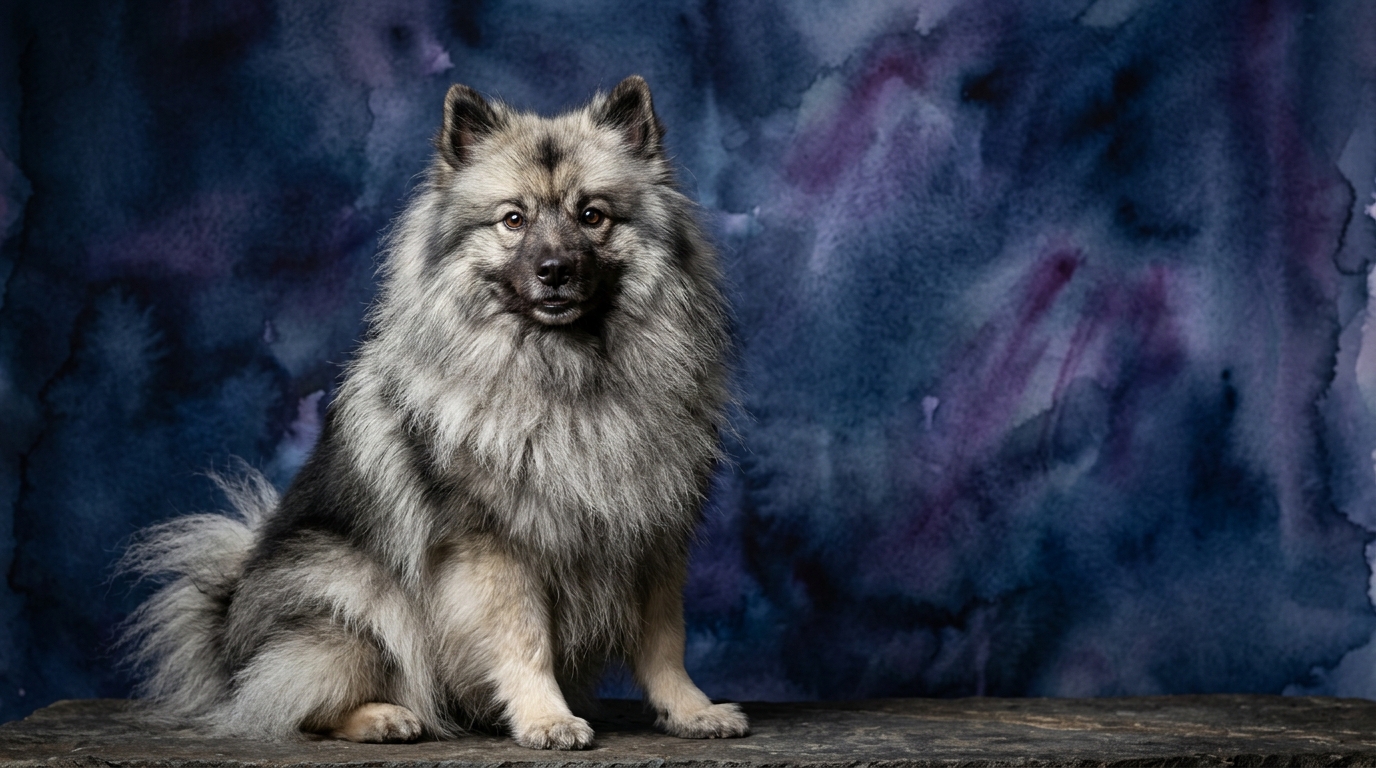
In contrast, the Keeshond presents a more varied and often elevated cognitive profile. They achieve a 4/5 in problem-solving, demonstrating a good capacity for analyzing and resolving novel challenges with adaptability. Their training speed also rates at 4/5, indicating a quicker grasp of new commands. Social intelligence and instinctive drive are rated at 3/5, aligning with the Skye Terrier in these areas, meaning they possess a similar moderate understanding of social cues and a manageable expression of innate behaviors. However, the Keeshond truly stands out with an exceptional 5/5 in memory, suggesting remarkable retention of learned information and experiences, making for a highly consistent companion once routines are established. Notably, the Keeshond also boasts a Coren rank of #16, placing it among breeds recognized for their working and obedience intelligence, a distinction the Skye Terrier does not hold in the Coren ranking system.
Where the Skye Terrier Wins Cognitively
While the Keeshond generally scores higher in specific cognitive dimensions, the Skye Terrier's balanced cognitive profile offers its own distinct advantages. Their consistent 3/5 across problem-solving, training speed, social intelligence, instinctive drive, and memory indicates a predictable, middle-ground approach to cognition. This means their instinctive drive, while present as a terrier, is not as pronounced as in some other terrier breeds, translating to a more manageable level of independent hunting or digging impulses for an owner seeking a companion with a touch of independent spirit without extreme work-oriented behaviors. Their moderate social intelligence, combined with their strong bond to family, can mean they are less prone to being overly people-pleasing or overly aloof, striking a comfortable balance in social interactions. This consistent, moderate profile ensures that no single cognitive trait overwhelmingly dominates their personality, leading to a more evenly tempered and less cognitively demanding companion in certain scenarios.
Where the Keeshond Wins Cognitively
The Keeshond clearly shines in several key cognitive areas, particularly in its capacity for rapid learning and exceptional recall. With a 4/5 in both problem-solving and training speed, Keeshonds demonstrate a remarkable aptitude for quickly grasping new concepts and applying them to novel situations. This translates to an animal that can be taught complex sequences of commands with relative ease and enjoys the mental stimulation of learning. Their standout 5/5 in memory means that once a behavior or command is understood, it is deeply etched into their cognitive framework, requiring minimal refreshers over time. This superior memory not only aids in training but also contributes to their ability to maintain consistent routines and recall specific past events or interactions, making them highly reliable companions in established patterns. Their higher problem-solving score means they are adept at navigating complex environments and figuring out how to achieve desired outcomes, often with clever ingenuity.
Which is Easier to Train and Why
When assessing ease of training, the Keeshond holds a distinct advantage, primarily due to its superior scores in training speed and memory. A Keeshond's 4/5 in training speed indicates they generally pick up new commands and routines with fewer repetitions than many breeds, often showing a keen interest in structured learning sessions. This receptiveness means owners can progress through training curricula more efficiently, building a broader repertoire of behaviors. Furthermore, their exceptional 5/5 in memory ensures that once a lesson is learned, it is retained with remarkable consistency. This means less time spent re-teaching forgotten cues and more time spent refining complex behaviors or moving on to advanced tasks.
In contrast, the Skye Terrier's 3/5 in training speed means they learn at a more deliberate pace, requiring consistent and patient repetition to solidify new commands. Their 3/5 in memory suggests that while they retain information, occasional refreshers are more crucial to keep less-practiced behaviors sharp. While both breeds are trainable, the Keeshond's cognitive profile makes the training journey generally smoother and more rewarding for owners seeking quicker results and lasting retention. The Skye Terrier’s moderate instinctive drive means they can sometimes be more focused on their own agenda, requiring a more persuasive and consistent approach from their trainer to maintain engagement.
Which Suits Active Owners vs. Relaxed Owners
Considering their cognitive profiles and general temperaments, selecting between a Skye Terrier and a Keeshond often comes down to an owner's lifestyle and preferred level of interactive engagement. The Keeshond, with its 4/5 in problem-solving and training speed, thrives on mental stimulation and enjoys being an active participant in family life. These dogs often appreciate owners who are keen to engage them in learning new tricks, participating in dog sports, or simply involving them in daily activities that require some thought and interaction. Their social intelligence, while moderate, combines with a desire for companionship, meaning they prefer owners who can dedicate time to consistent interaction and prevent boredom, which might otherwise manifest as barking or seeking out mischief. This makes them well-suited for owners who enjoy an actively engaged companion and can provide regular mental and physical outlets.
In contrast, the Skye Terrier, with its consistent 3/5 across all cognitive dimensions, presents a more self-contained and moderately demanding companion. While they benefit from training and interaction, their independent streak and less intense drive for constant mental challenges mean they can be content with a more relaxed pace. They bond deeply with their family but are often less overtly 'needy' for constant engagement, making them suitable for owners who appreciate a dog with a dignified, somewhat reserved demeanor that doesn't always demand to be the center of attention. They still require regular walks and mental enrichment, but perhaps less structured, intensive training to prevent boredom, fitting well with owners who lead a more relaxed lifestyle but still offer consistent care and affection.
The Verdict
If you appreciate a dog with a balanced, predictable cognitive profile and a dignified, independent spirit that forms deep bonds without constant demands for engagement, the Skye Terrier may be your ideal companion.
Opt for the Keeshond if you seek a companion that excels in rapid learning, remembers lessons exceptionally well, and enjoys an active role in family life with ample opportunities for mental stimulation and interaction.
🧠 Find Your Pet's IQ Score
Our Pet IQ Lab assessment covers 25+ tests across 5 cognitive dimensions — personalized to your breed.
Take the Full IQ Test →Frequently Asked Questions
Are Skye Terriers difficult to train?
Skye Terriers, with a training speed of 3/5, learn at a steady pace, requiring consistent and patient repetition to master commands. Their independent terrier spirit, reflected in their moderate instinctive drive, means they might exhibit a degree of stubbornness if not properly motivated. Success relies on positive reinforcement and clear boundaries, rather than expecting rapid assimilation of new behaviors.
Do Keeshonds require a lot of mental exercise?
Yes, Keeshonds, with their 4/5 problem-solving and training speed, thrive on mental stimulation and can become bored without it. They enjoy learning new tricks, puzzle toys, and participating in activities that engage their quick minds. Regular mental challenges are crucial to keep them content and prevent them from devising their own, potentially less desirable, forms of entertainment.
Which breed is more social with strangers?
Both breeds score 3/5 in social intelligence, indicating a moderate capacity for social interaction. Keeshonds are generally watchful and friendly once introduced, often maintaining a polite distance with strangers before warming up. Skye Terriers, while devoted to their family, can be more reserved and discerning with unfamiliar people, preferring to observe before engaging closely.