Side-by-Side IQ Profile: Digging into the 3/5 Score
At The Cosmic Pet Pet IQ Lab, we assess canine cognition across five key dimensions. For both the Skye Terrier and the Otterhound, each dimension registers a 3/5, suggesting an average capacity in these areas. However, this numerical equality belies distinct expressions of these cognitive traits, shaped by their unique histories and breed purposes.
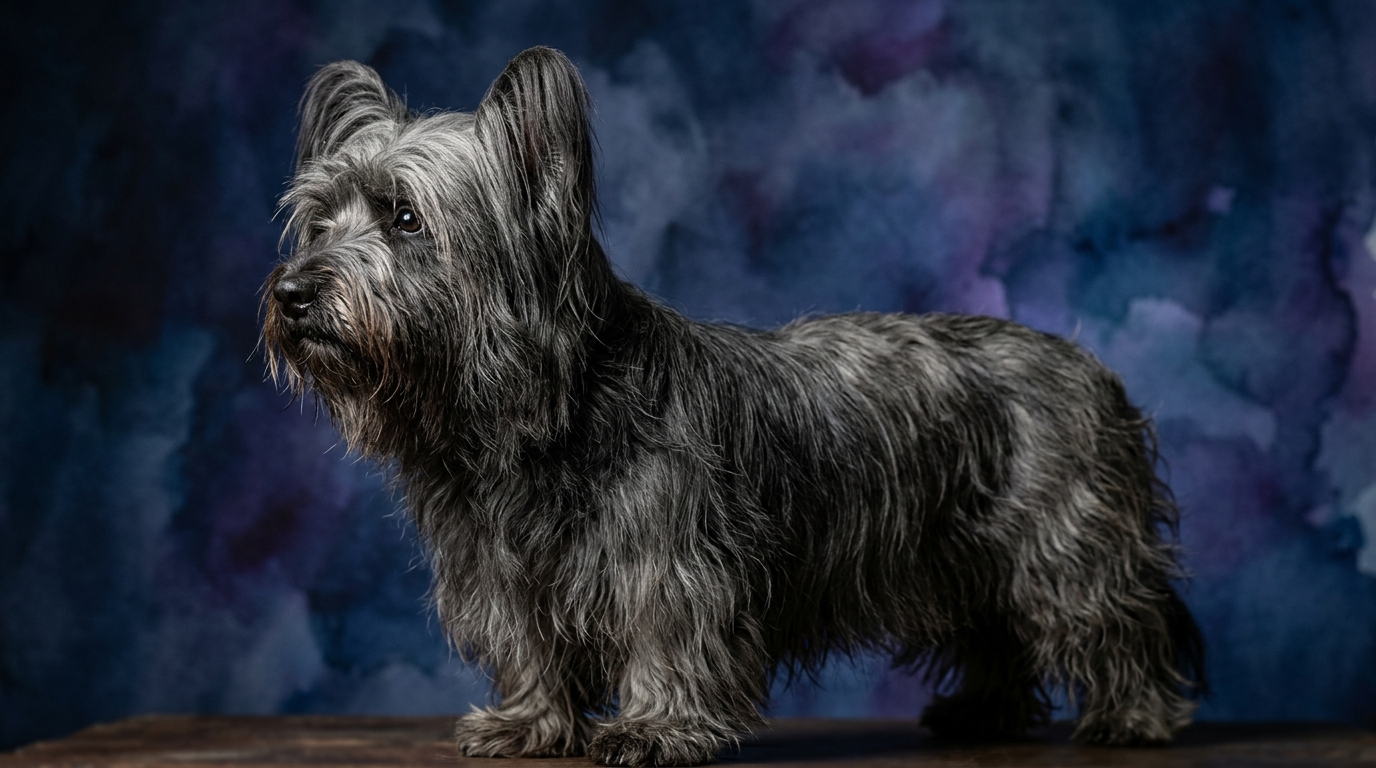
The **Skye Terrier**, a member of the Terrier group, exhibits its 3/5 for Problem Solving through tenacious resourcefulness in navigating tight spaces or outsmarting small prey, requiring persistence and a degree of independent thinking rather than direct instruction. Their Training Speed, also 3/5, reflects a capacity to learn but also a strong will; they absorb commands but may choose when to apply them based on perceived value or distraction, making consistent, engaging methods essential. Social Intelligence, rated 3/5, points to a discerning nature in their affections, forming deep bonds with their chosen few and often exhibiting a reserved demeanor with outsiders, reading family dynamics acutely. An Instinctive Drive of 3/5 is deeply rooted in their vermin-hunting heritage, expressed through keen observation, digging, and a focused prey drive for small game. Their Memory, also 3/5, allows them to recall routines, preferred spots, and the effectiveness of past actions, contributing to their independent and sometimes strategic nature.
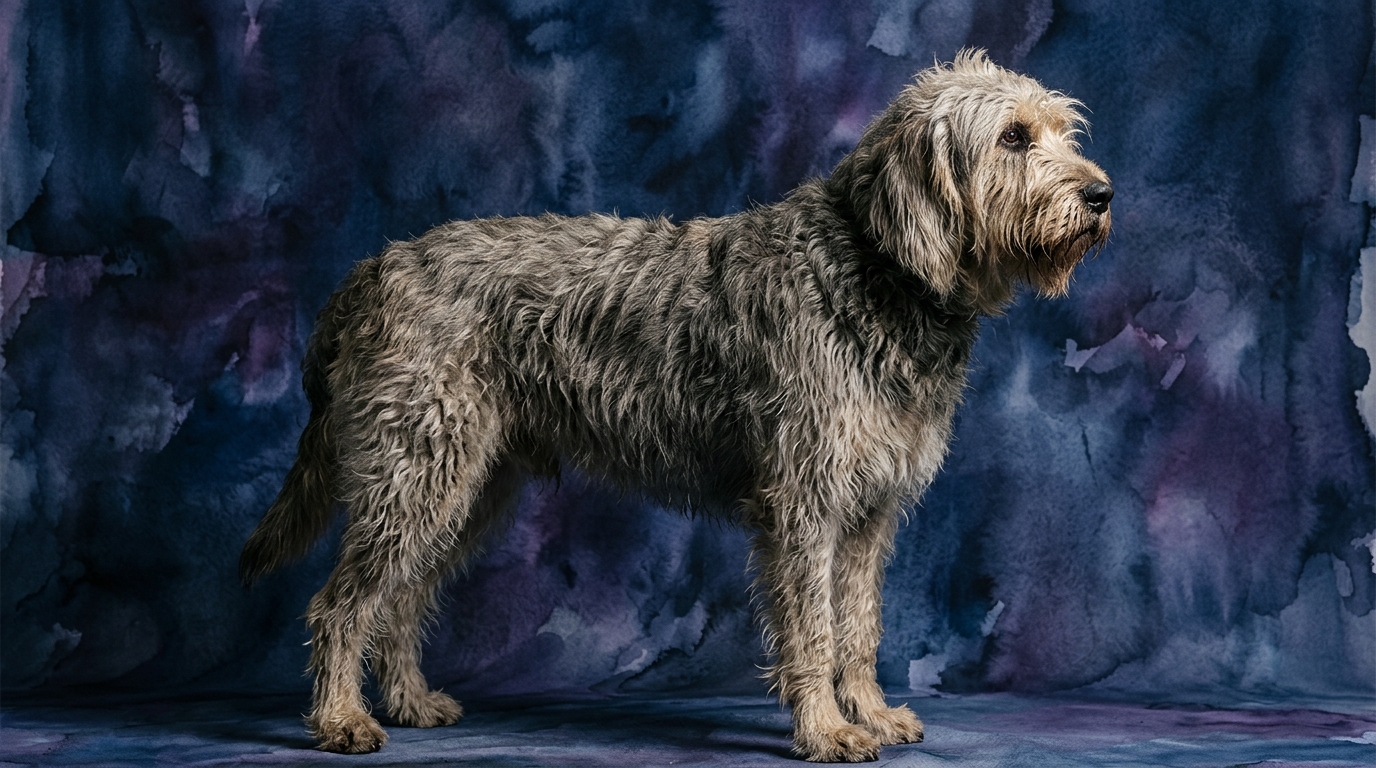
The **Otterhound**, belonging to the Hound group, expresses its 3/5 in Problem Solving typically through unwavering dedication to a scent trail, requiring strategic navigation of complex terrain and sustained focus to overcome environmental obstacles. Their 3/5 in Training Speed indicates an ability to learn and retain information, though their powerful scent drive can present a significant distraction, demanding patient and highly engaging methods to maintain focus. Social Intelligence, also 3/5, speaks to their history of working collaboratively in packs and with hunters; they understand social hierarchies and cues within their group, often displaying an amiable, if sometimes boisterous, disposition. An Instinctive Drive of 3/5 is dominated by their legendary nose and a deep-seated urge to track, particularly in and around water, showcasing remarkable stamina and single-minded pursuit. Their Memory, also 3/5, is particularly adept at recalling intricate scent patterns and the layout of hunting territories, crucial for their historical role in long pursuits.
Where the Skye Terrier's Cognition Shines
Despite identical scores, the Skye Terrier's cognitive strengths lean towards independent, self-directed problem-solving with a strong sense of self-preservation and strategy, especially in confined or challenging environments. Their 3/5 Problem Solving often involves assessing a situation and devising a solution that benefits themselves or their immediate pack, such as finding a hidden toy or navigating a complex obstacle course built for smaller dogs. This is less about following a human's lead and more about an intrinsic drive to overcome, a trait honed by their solitary hunting work. They excel at tasks requiring persistence and a bit of cunning. Their 3/5 Memory, combined with their instinctive drive, means they are adept at remembering specific strategies that led to success in the past, allowing them to refine their approach to various tasks. For instance, if they learn that a particular cupboard contains treats, their memory for that specific location and the method to access it (e.g., nudging a door) will be robust, even if it takes repeated attempts. This self-reliant application of intelligence, often paired with a charming stubbornness, gives them an edge in tasks requiring sustained personal initiative rather than teamwork.
Where the Otterhound's Cognition Excels
The Otterhound, while sharing 3/5 across the board, exhibits cognitive strengths rooted in collaboration, endurance, and sensory processing, particularly olfactory. Their 3/5 Problem Solving shines in scenarios demanding sustained focus on an abstract goal, like following a fading scent trail across varied landscapes, which requires interpreting subtle cues and adapting their path accordingly. This isn't about outsmarting a physical barrier but about methodically piecing together an invisible puzzle over long distances. Their 3/5 Social Intelligence is paramount here, as they historically worked in concert with a pack and human hunters, meaning their 'problem solving' often involves understanding their role within a larger cooperative effort. They excel at deciphering complex human signals within a working context and maintaining group cohesion during a long pursuit. Their 3/5 Instinctive Drive for scent work, paired with their memory, allows them to build vast mental maps of scents, remembering specific target odors and differentiating them from countless others. This makes them exceptional at tasks requiring sustained, methodical sensory analysis and teamwork over individual ingenuity.
Training Dynamics: Managing Instinct and Will
Both breeds present unique training considerations due to their 3/5 Training Speed, which suggests an average learning capacity but doesn't account for motivational differences. The Skye Terrier's independent nature and strong will mean they learn quickly but may not always comply if they don't see the immediate benefit or if a more interesting distraction arises. Training a Skye requires immense patience, creativity, and a deep understanding of their terrier temperament; they respond best to positive reinforcement and methods that make them feel like they are choosing to participate, rather than being forced. Real behavioral differences include their tendency to ignore commands if a squirrel appears or if they've decided a task is beneath them, making consistency and high-value rewards essential to overcome their discerning nature. Their 3/5 memory means they recall lessons but also remember if a command was optional yesterday.
The Otterhound, conversely, is generally amiable and eager to please, but their powerful 3/5 Instinctive Drive for scent can be a major hurdle. When an interesting scent hits their nose, their focus on training can vanish instantly, making them appear 'stubborn' when in reality, they are simply following a primal instinct. Training an Otterhound demands a trainer who can compete with the allure of a scent trail, often through engaging games, consistent recall practice from an early age, and environmental management. While they learn commands at an average pace, their real challenge lies in proofing those commands against the overwhelming distraction of their nose. Therefore, neither is 'easy' in the traditional sense, but the Otterhound's challenge is more about managing an external, powerful distraction (scent), while the Skye's is more about managing an internal one (independent will). The Otterhound might be perceived as easier if one can manage their scent drive effectively, as they generally possess a more cooperative spirit, but both require a dedicated and understanding approach to unlock their full cognitive potential.
Suitability: Active Pursuits vs. Discerning Companionship
For active owners seeking a companion with a discerning personality, the Skye Terrier could be a good fit, provided their activity aligns with the Skye's preferences. While their 3/5 Instinctive Drive means they enjoy purposeful activity, it's often more about quality than sheer quantity—a brisk walk with opportunities for sniffing and exploring, or engaging in scent games indoors that challenge their problem-solving. They appreciate mental stimulation that challenges their 3/5 problem-solving, but aren't typically candidates for jogging partners or intense, repetitive agility. Relaxed owners might find their independent nature appealing, but must be prepared for their terrier tenacity and need for consistent, engaging interaction rather than just passive companionship. They are not content to be mere couch potatoes; their 3/5 memory and problem-solving demand regular, thoughtful mental engagement.
The Otterhound, with its robust build and 3/5 Instinctive Drive for tracking, is unequivocally suited for active owners who relish outdoor adventures, particularly those involving water or long walks where their nose can be put to good use. They thrive on consistent, sustained exercise that allows them to explore and follow scents, making them ideal companions for hiking, swimming, or even scent work trials. Their endurance and amiable social intelligence mean they enjoy being part of family activities and cooperative ventures. Relaxed owners would likely struggle with an Otterhound's considerable exercise needs and the mental stimulation required to satisfy their profound scent drive. Without adequate outlets, their problem-solving and instinctive drive could lead to less desirable behaviors, making them a poor match for a sedentary lifestyle. Their 3/5 memory ensures they'll recall past adventures and seek new ones.
The Verdict
Opt for a Skye Terrier if you appreciate a discerning, independent companion who thrives on mental engagement and forms deep bonds within a small, consistent household, and you can provide structured, enriching activities that appeal to their problem-solving and focused nature.
Select an Otterhound if you lead an active, outdoor-oriented lifestyle, are prepared to channel their formidable scent drive into purposeful activities, and desire a cooperative, good-natured companion for long adventures, especially those involving water.
🧠 Find Your Pet's IQ Score
Our Pet IQ Lab assessment covers 25+ tests across 5 cognitive dimensions — personalized to your breed.
Take the Full IQ Test →Frequently Asked Questions
Do Skye Terriers and Otterhounds have similar energy levels?
While both breeds score 3/5 in instinctive drive, their energy manifests differently; Skye Terriers have bursts of energetic exploration and mental engagement, while Otterhounds possess sustained endurance for tracking and outdoor activities, requiring more consistent, high-impact exercise to satisfy their profound scent drive.
Are Skye Terriers or Otterhounds better with children?
Skye Terriers, with their discerning social intelligence, can be good with respectful children in their own family but may be reserved with strangers, preferring their select circle; Otterhounds, generally amiable and good-natured with their 3/5 social intelligence, often tolerate children well and enjoy being part of family life, though their size and boisterousness require supervision with very young kids.
How do their grooming needs compare, given their cognitive profiles?
Skye Terriers require regular grooming to maintain their long coat, which can be an opportunity for social bonding and memory reinforcement during routine; Otterhounds have a shaggy, water-resistant coat that needs regular care, but their strong scent drive means they might get dirtier more often, requiring consistent training to accept bathing and brushing as part of their routine.