Side-by-Side Cognitive Profiles
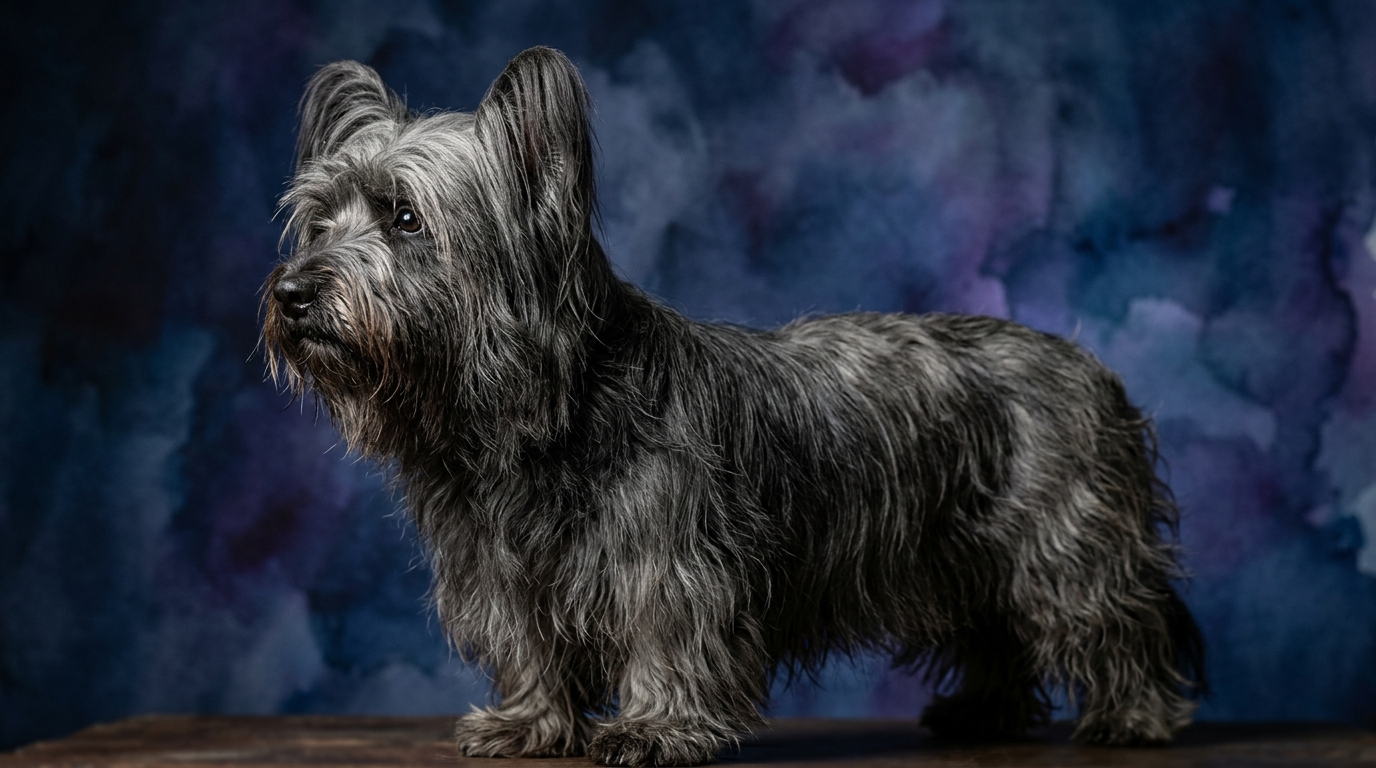
Originating from the Isle of Skye, bred to hunt badger and fox, the Skye Terrier's cognitive makeup reflects a tenacious, independent spirit. Their Problem Solving (3/5) manifests as ingenuity in independent tasks, like navigating a burrow or outmaneuvering small prey; they are clever at physical obstacles and persistent in achieving self-set goals. Training Speed (3/5) indicates they grasp concepts at an average pace, but their inherent terrier stubbornness means consistent application often requires patience and creative motivation. Skye Terriers exhibit Social Intelligence (3/5) through deep, singular devotion to their chosen family, often reserved with strangers, focusing their social acumen within a close-knit human pack. Their Instinctive Drive (3/5) is potent, heavily influenced by a prey drive and an urge to dig, focusing on scent and pursuit. They possess a good Memory (3/5) for routines, locations of interest, and the effectiveness of past actions, recalling strategies and family hierarchy.
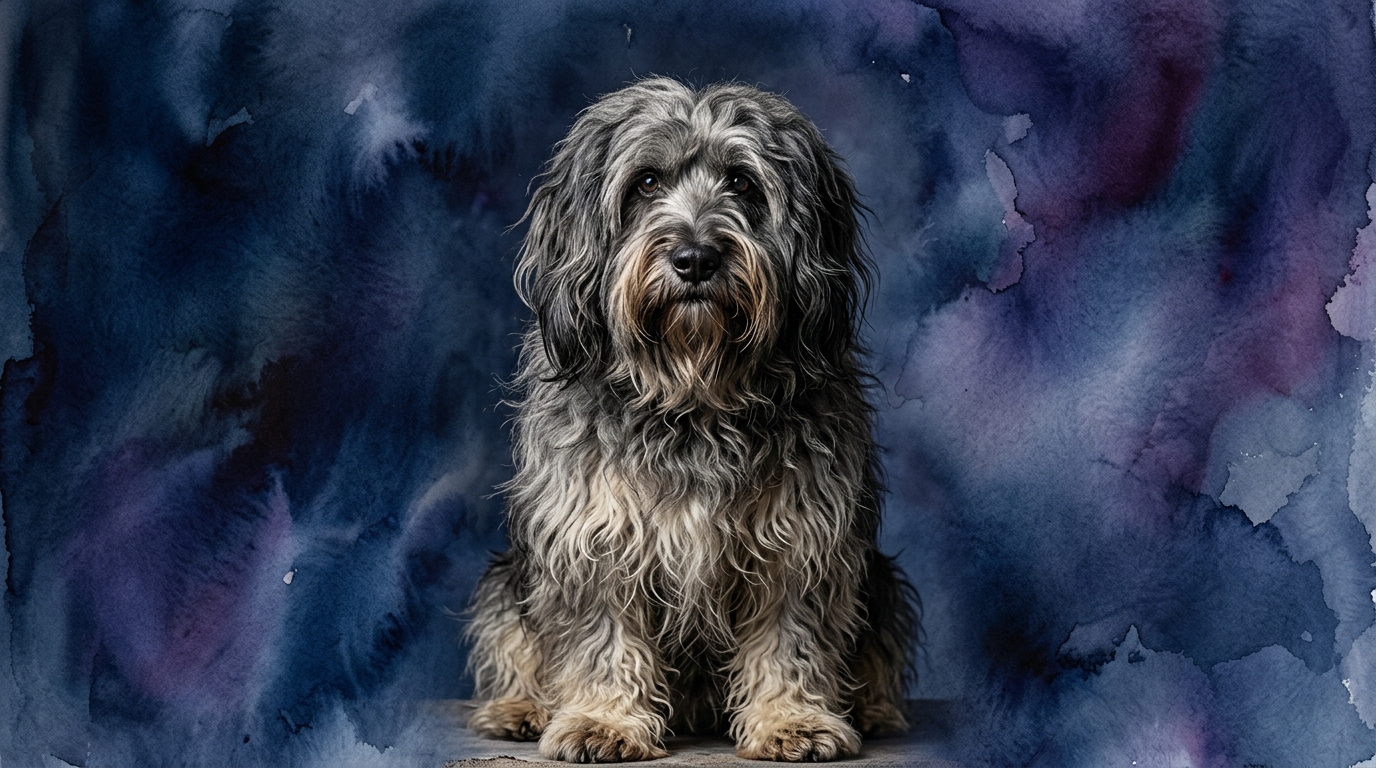
Hailing from Poland, the shaggy Polish Lowland Sheepdog (POL) was developed for herding and guarding livestock, tasks demanding both brain and brawn. Their Problem Solving (3/5) applies to practical, dynamic situations, such as maneuvering a flock or assessing threats, leaning towards strategic oversight and adaptive responses. POLs typically learn commands at an average Training Speed (3/5), but their independent working dog mentality means they require purpose and consistency, especially for complex sequences perceived as a 'job'. Their Social Intelligence (3/5) is watchful and protective, forming strong bonds with family while being aloof or cautious with unfamiliar individuals, geared towards identifying friend from foe and maintaining order. A moderate Instinctive Drive (3/5) is profoundly expressed through herding and guarding behaviors, a natural inclination to gather, control, and protect. They demonstrate a solid Memory (3/5) for boundaries, routines, and specific commands, remembering who belongs and who doesn't to inform protective and herding strategies.
Where the Skye Terrier Shines Cognitively
Despite identical numerical scores, the Skye Terrier's cognitive strengths are distinctly geared towards independent, persistent, and focused endeavors. Their Problem Solving at 3/5 isn't about managing a flock, but about individual ingenuity – they excel at figuring out complex puzzles that lead to a reward, like a hidden treat or a buried toy, demonstrating remarkable determination in navigating intricate physical environments. This tenacious application of their moderate problem-solving skill, coupled with their instinctive drive for pursuit, makes them exceptional at tasks requiring single-minded focus and resilience against frustration. Their Social Intelligence, while rated 3/5, is particularly acute within their small, devoted circle, making them highly attuned to the subtle cues and emotional states of their primary caregivers, fostering a deeply empathetic bond that is less about broad social navigation and more about profound personal connection.
Where the Polish Lowland Sheepdog Excels Cognitively
The Polish Lowland Sheepdog's cognitive strengths, also rated 3/5 across the board, manifest in a more expansive, managerial capacity. Their Problem Solving is less about individual pursuit and more about situational awareness and strategic oversight. A POL might brilliantly assess a complex environment, anticipating movements and potential disruptions, whether it's managing children in a yard or understanding the dynamics of a multi-pet household. This breed's moderate Instinctive Drive is a powerful asset in tasks requiring organization and control; they naturally seek to gather and protect, applying their memory and learning speed to maintain order and security within their perceived domain. Their Social Intelligence is keenly developed for discernment, allowing them to quickly evaluate new people or situations, making them excellent, watchful companions who understand the subtle nuances of group dynamics and territory.
Training Dynamics: Skye Terrier vs. Polish Lowland Sheepdog
Both breeds hold a 3/5 rating for Training Speed, yet their inherent behavioral traits dictate very different training experiences. The Skye Terrier, with its deep-seated terrier independence and historical role as an autonomous hunter, often approaches training as a negotiation. They learn at an average pace, but their willingness to perform a command consistently can be influenced by their mood, perceived value of the reward, or a sudden, more interesting scent. Training a Skye requires immense patience, positive reinforcement, and a strong understanding of their independent streak; they respond best to handlers who can make training feel like a collaborative game rather than strict obedience. In contrast, the Polish Lowland Sheepdog, while also possessing an independent streak typical of working breeds, often exhibits a stronger desire to 'work' with their human, viewing commands as part of their job. They learn at an average speed but are generally more biddable and responsive to consistent, clear direction, especially if the training taps into their natural herding or guarding instincts. Their problem-solving skills make them adept at understanding complex sequences, but they require a confident leader to channel their cognitive abilities effectively.
Ideal Lifestyles: Active vs. Relaxed Owners
Neither the Skye Terrier nor the Polish Lowland Sheepdog are suited for owners seeking a purely 'relaxed' pet in the sense of a low-maintenance companion. However, their activity needs differ. The Skye Terrier, despite its moderate instinctive drive (3/5), requires consistent mental stimulation and moderate physical exercise. Their independent problem-solving (3/5) means they thrive with owners who enjoy engaging them in puzzle toys, scent work, or short, purposeful walks that allow for exploration. They are not typically high-endurance dogs for long runs but need their minds occupied to prevent boredom-driven behaviors, adapting well to apartment living if their cognitive and physical needs are met daily. The Polish Lowland Sheepdog, with its herding heritage and similar 3/5 instinctive drive, generally demands more consistent physical and mental engagement. They benefit greatly from larger spaces, regular long walks, or activities that mimic their ancestral duties, such as canine sports like agility or herding trials. Their social intelligence (3/5) and protective instincts mean they thrive in environments where they feel they have a role to play, making them a better fit for active owners who can provide structure, consistent training, and ample opportunities for purposeful exercise, whether through a job or structured play.
The Verdict
Choose the Skye Terrier if you appreciate a deeply devoted, independent companion who thrives on clever puzzles and a quiet, consistent routine within a close-knit family, and you're prepared for their charmingly stubborn streak.
Opt for the Polish Lowland Sheepdog if you seek an active, watchful, and highly trainable partner for a more dynamic lifestyle, one who will enthusiastically engage in purposeful activities and act as a loyal protector of their home and family.
🧠 Find Your Pet's IQ Score
Our Pet IQ Lab assessment covers 25+ tests across 5 cognitive dimensions — personalized to your breed.
Take the Full IQ Test →Frequently Asked Questions
Do Skye Terriers and Polish Lowland Sheepdogs learn commands at the same rate?
While both breeds are rated 3/5 for training speed, their underlying motivations differ. Skye Terriers learn at an average pace but may require more creative engagement due to their independent nature, while Polish Lowland Sheepdogs also learn at an average pace but are generally more eager to please a confident leader.
Which breed is better with strangers, considering their social intelligence scores?
Both breeds are rated 3/5 for social intelligence, but they express it differently. Skye Terriers are typically reserved with strangers, preferring their close family, whereas Polish Lowland Sheepdogs are watchful and protective, often wary of outsiders as part of their guarding instinct.
How do their problem-solving skills differ, given they both score 3/5?
Skye Terriers apply their problem-solving (3/5) to individual, persistent tasks like navigating confined spaces or finding hidden objects. Polish Lowland Sheepdogs use their problem-solving (3/5) for broader situational awareness, such as managing group dynamics or anticipating environmental changes in a herding or guarding context.