Side-by-Side IQ Profile: Unpacking Cognitive Strengths
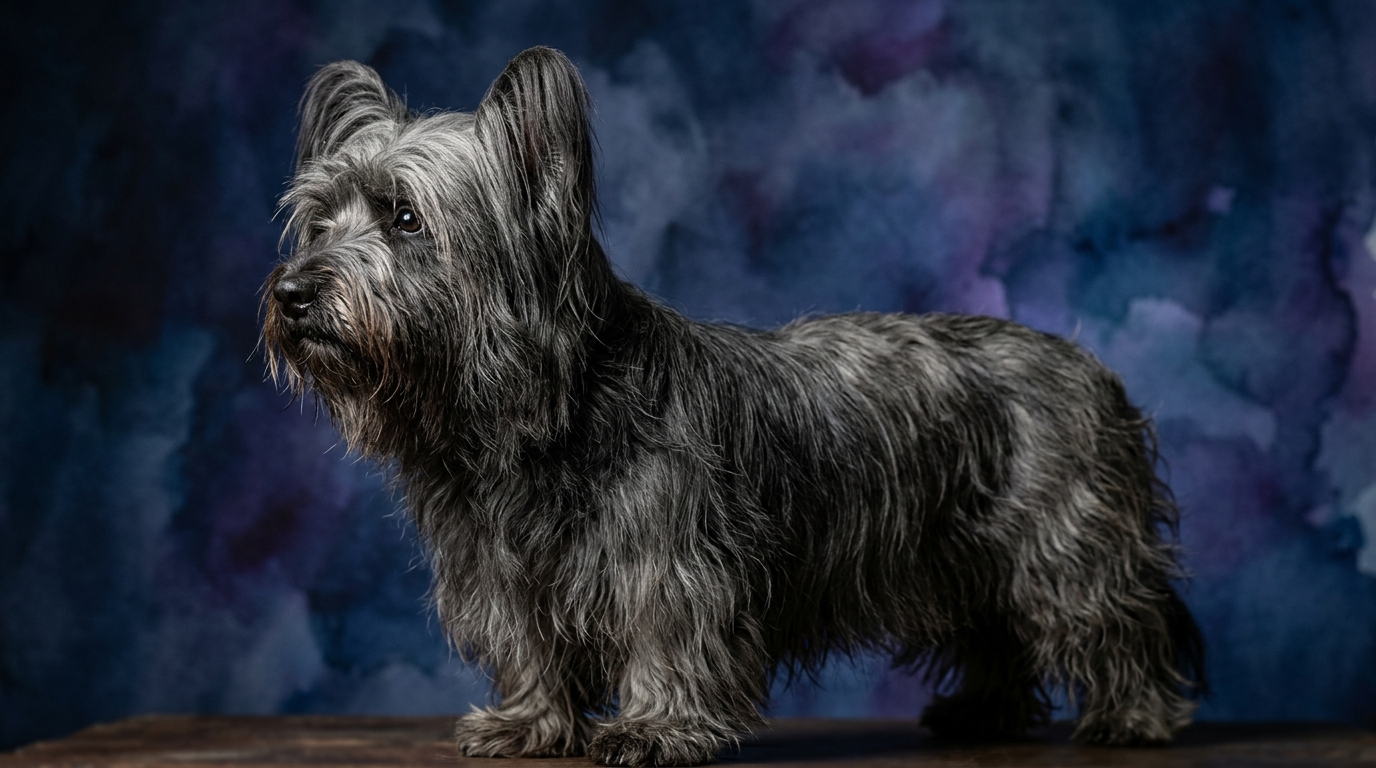
The Cosmic Pet Pet IQ Lab employs a five-dimensional framework to assess canine intelligence, offering a granular view beyond general classifications. For the Skye Terrier, each dimension registers a steady 3/5. Its Problem Solving ability is moderate, suggesting it can navigate challenges but may require time or repeated exposure to master them. Training Speed also sits at 3/5, indicating a consistent learning pace that benefits from patient, structured instruction rather than rapid absorption. Social Intelligence at 3/5 means they are capable of reading human cues and forming bonds, yet they retain a degree of independence. Their Instinctive Drive, also 3/5, reflects a balanced expression of their terrier heritage, present but not overwhelming. Finally, Memory at 3/5 implies adequate retention of experiences and commands, though perhaps not with perfect recall over extended periods.
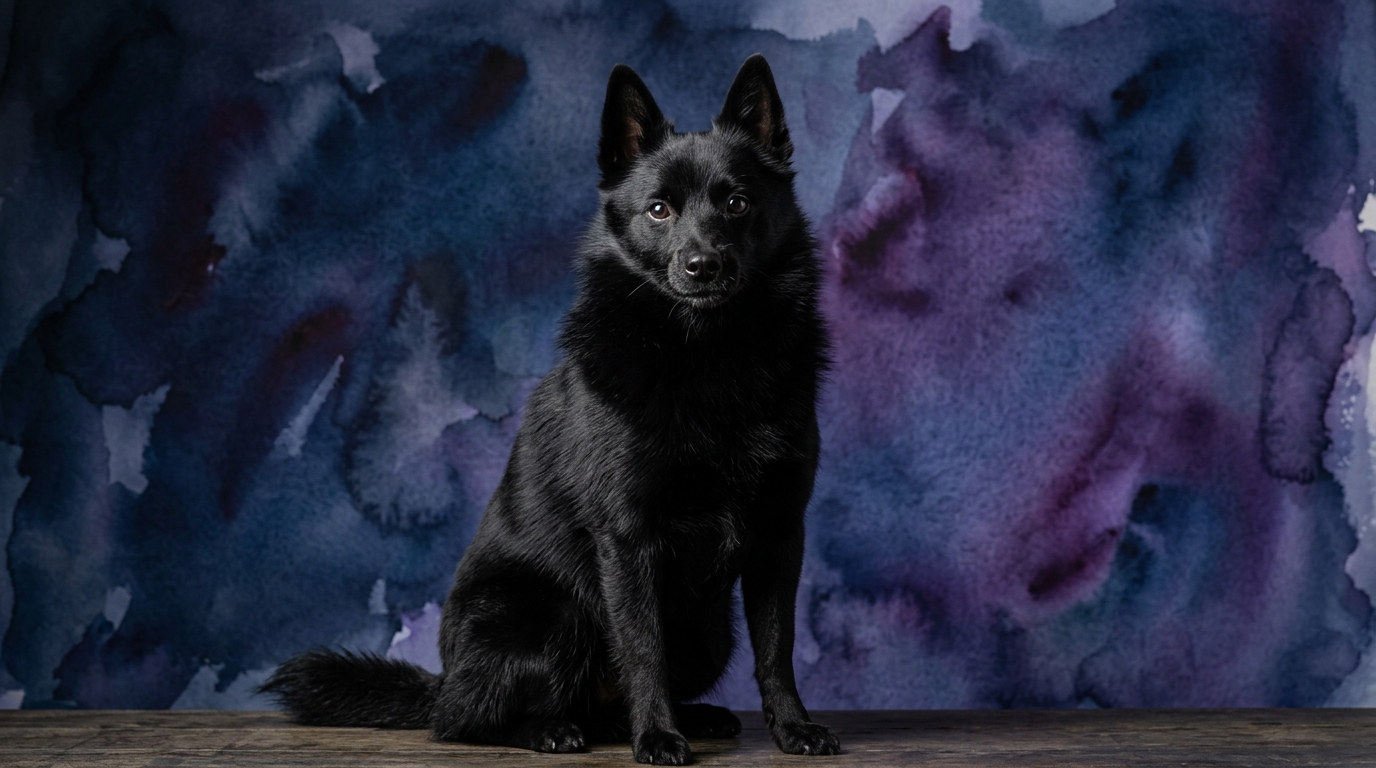
In stark contrast, the Schipperke presents a profile dotted with higher scores, aligning with its Coren rank of #15. Its Problem Solving skill is an exceptional 5/5, showcasing a remarkable capacity to analyze situations and devise inventive solutions. Training Speed also hits a perfect 5/5, highlighting their swift uptake of new commands and routines. Social Intelligence, however, mirrors the Skye Terrier at 3/5, indicating a similar ability to understand human emotions and intentions, though perhaps prioritizing tasks or observation. Its Instinctive Drive is also 3/5, reflecting a strong, yet manageable, natural inclination for watchdog duties and a history of working. Crucially, Schipperke's Memory scores an outstanding 5/5, suggesting exceptional retention of learned behaviors and experiences over significant durations.
Where the Skye Terrier’s Cognition Finds Its Niche
While the Schipperke’s profile features several peak scores, the Skye Terrier’s consistent 3/5 across all cognitive dimensions presents a distinct advantage for specific lifestyles and owner expectations. Its moderate Problem Solving ability, for instance, translates into a dog less prone to constantly seeking out ingenious (and sometimes mischievous) ways to overcome household barriers or outsmart its human companions. Owners might find solace in a dog that isn't perpetually testing boundaries or devising elaborate escape plans, which can be a characteristic of exceptionally clever breeds. This consistent cognitive 'middle ground' means the Skye Terrier rarely presents unexpected, high-stakes mental challenges, making them a more predictable and less demanding intellectual presence in the home.
Furthermore, the Skye Terrier’s moderate Social Intelligence and Instinctive Drive, both at 3/5, contribute to a temperament that, while independent, isn't overly complex or prone to intense emotional or behavioral displays. They possess enough discernment to interact meaningfully but are not constantly analyzing every human nuance or environmental shift, which can be mentally taxing for both dog and owner. This cognitive steadiness means they are less likely to experience the frustration that can sometimes accompany a very high-IQ dog in a less stimulating environment. Instead, the Skye Terrier offers a reliable, even-keeled companionship, where their cognitive engagement is present and sufficient without being overwhelming, creating a harmonious balance for owners who value consistency and a calm, discerning presence.
Schipperke’s Cognitive Prowess: A Mind in Motion
The Schipperke’s cognitive profile clearly excels in areas demanding rapid learning, ingenious thought, and enduring recall. Its exceptional 5/5 in Problem Solving means this breed is adept at figuring things out with remarkable speed and creativity. This isn't merely about basic obedience; it extends to understanding complex sequences, navigating intricate environments, and even devising strategies to access desired items or overcome obstacles. For an owner, this translates into a dog that can quickly learn to open childproof gates, retrieve specific objects from a pile, or understand the nuances of a multi-step command without extensive repetition. This aptitude for mental gymnastics positions the Schipperke as a compelling partner for advanced intellectual engagement.
Complementing its problem-solving acumen are the Schipperke's perfect 5/5 scores in Training Speed and Memory. This combination makes them incredibly receptive to instruction, absorbing new commands and routines with impressive swiftness. Their superior memory ensures that once a lesson is learned, it is retained for extended periods, making re-training or reinforcing behaviors considerably easier. Owners will observe fewer repetitions required for mastery, allowing for a broader and more complex repertoire of learned behaviors. This cognitive efficiency not only accelerates the training process but also enables the Schipperke to excel in structured activities like competitive obedience, agility, or rally, where quick thinking and reliable recall are paramount. Their intelligence is a tool for active engagement, not merely observation.
Training Dynamics: Patience vs. Precision
When it comes to ease of training, the Schipperke holds a distinct advantage, primarily due to its exceptional 5/5 scores in Training Speed and Memory, coupled with its 5/5 Problem Solving. These dogs grasp new concepts and commands with remarkable swiftness, often anticipating what is expected of them. For instance, a Schipperke might learn a complex agility course after only a few walkthroughs, remembering the sequence and obstacles due to their strong memory. Their problem-solving ability means they are not just mimicking actions but understanding the 'why' behind the command, which allows for greater flexibility and generalization of learned behaviors. However, this sharpness also means they can get bored easily if training isn't engaging, varied, or challenging enough, potentially leading to them finding their own (sometimes undesirable) forms of entertainment.
The Skye Terrier, with its consistent 3/5 scores in Training Speed and Memory, requires a different approach. Training will demand more patience, consistency, and repetition to achieve mastery. While they are capable of learning, their pace is more deliberate. For example, teaching a new trick might take significantly more sessions and positive reinforcement with a Skye Terrier compared to a Schipperke. Their moderate problem-solving means they might not always connect the dots as quickly, benefiting from clearer, more structured instructions rather than relying on their own deduction. Furthermore, their moderate instinctive drive and terrier independence, while not extreme, mean they can sometimes appear 'stubborn' if a command clashes with a more compelling scent or sight. Owners should understand this as a characteristic of their cognitive processing rather than defiance, focusing on making training rewarding and consistent to overcome these natural inclinations.
Matching Minds: Owners and Lifestyles
The cognitive profiles of these two breeds offer clear guidance for owners seeking a specific type of companion. For active owners who thrive on mental stimulation and enjoy engaging in dog sports or advanced training, the Schipperke is an ideal match. Its 5/5 Problem Solving, Training Speed, and Memory mean it excels in activities like agility, competitive obedience, rally, or even intricate trick training. This breed needs more than just physical exercise; it requires a dedicated owner prepared to channel its sharp intellect into productive, challenging tasks. An active owner provides the consistent mental engagement and varied learning experiences that prevent a Schipperke's keen mind from becoming restless or destructive, ensuring a fulfilled and harmonious partnership.
Conversely, the Skye Terrier’s moderate cognitive demands make it a fitting choice for relaxed owners who appreciate a steady, independent, and less intensely demanding canine presence. While they certainly need regular exercise to stay healthy, their cognitive needs are less about constant mental gymnastics and more about consistent routines and comfortable companionship. An owner seeking a dog that is content with predictable walks, enjoys quiet companionship, and isn't constantly looking for a puzzle to solve or a new command to master will find the Skye Terrier’s balanced intelligence deeply rewarding. This breed thrives in an environment where their discerning nature and calm demeanor are appreciated, offering a steadfast bond without the pressure of constant intellectual challenge.
The Verdict
Choose a Skye Terrier if you appreciate a steady, independent companion whose cognitive demands are moderate, fitting seamlessly into a predictable lifestyle without constant mental gymnastics. Their consistent nature appeals to owners who value a calm presence over a perpetual challenge-seeker.
Opt for a Schipperke if you are an owner prepared to engage a sharp, quick-witted canine mind with consistent training, complex tasks, and plenty of mental stimulation. Their remarkable problem-solving and learning speed make them an ideal partner for dog sports and intricate obedience work.
🧠 Find Your Pet's IQ Score
Our Pet IQ Lab assessment covers 25+ tests across 5 cognitive dimensions — personalized to your breed.
Take the Full IQ Test →Frequently Asked Questions
Do Skye Terriers and Schipperkes get along with other pets?
Skye Terriers, with their moderate social intelligence and instinctive drive, can coexist with other pets if properly socialized from a young age, though their terrier instincts might emerge with small prey animals. Schipperkes, also having moderate social intelligence and a strong watchdog instinct, can be wary of strangers and other animals initially but can form strong bonds with household pets with careful introductions.
What kind of mental stimulation do these breeds need?
The Schipperke, with its exceptional problem-solving and memory, thrives on complex puzzle toys, advanced obedience training, agility, and varied learning experiences to keep its sharp mind engaged. The Skye Terrier, possessing a more moderate cognitive profile, benefits from consistent, shorter training sessions, scent games, and opportunities for exploration on walks without needing constant, intense mental challenges.
Are there common behavioral quirks related to their intelligence?
Schipperkes, due to their high problem-solving skills, might develop clever ways to achieve their goals, like opening cabinets or finding escape routes, if not adequately stimulated or trained. Skye Terriers, with their more balanced cognitive traits, are generally less prone to such elaborate schemes but might display a characteristic terrier independence, sometimes appearing selective in their hearing if a more interesting scent or sight captures their attention.