Side-by-Side IQ Profile: A Deeper Look at Identical Scores
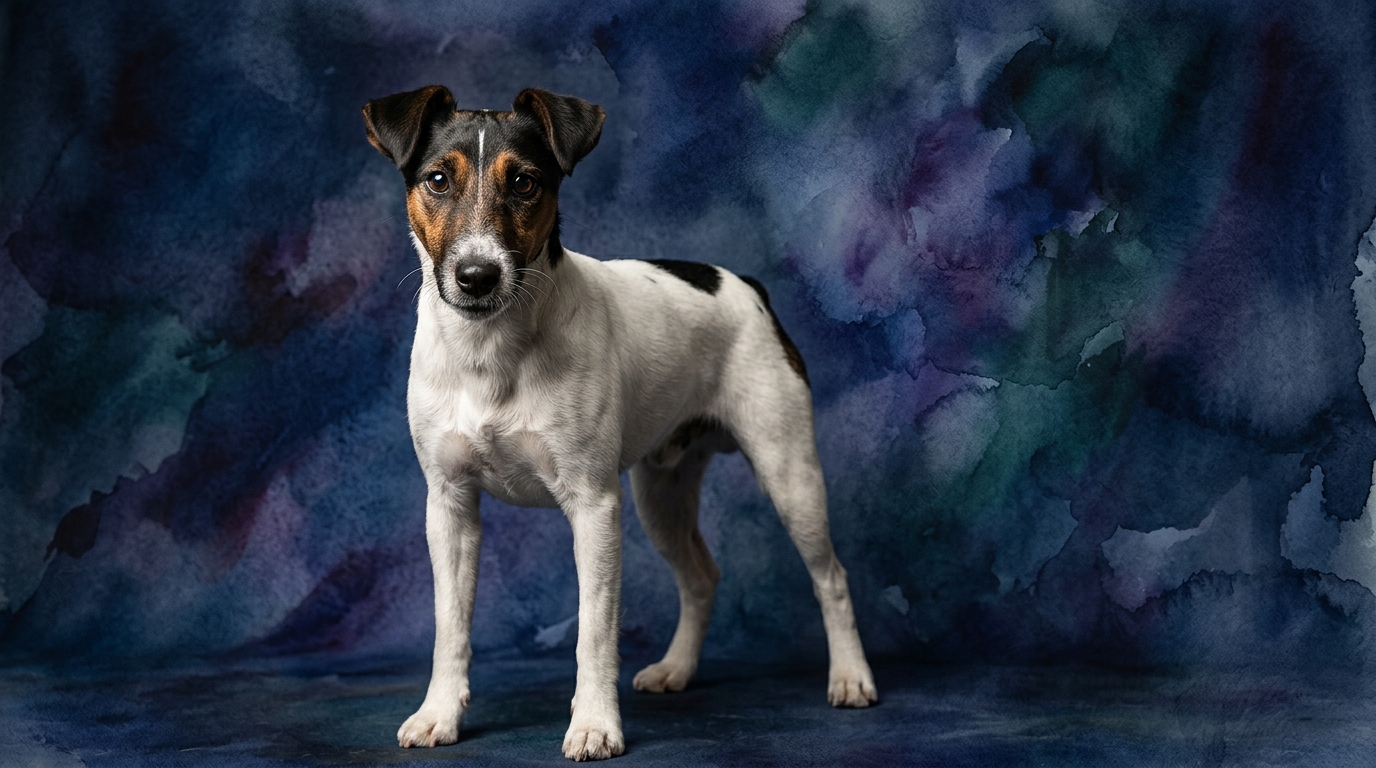
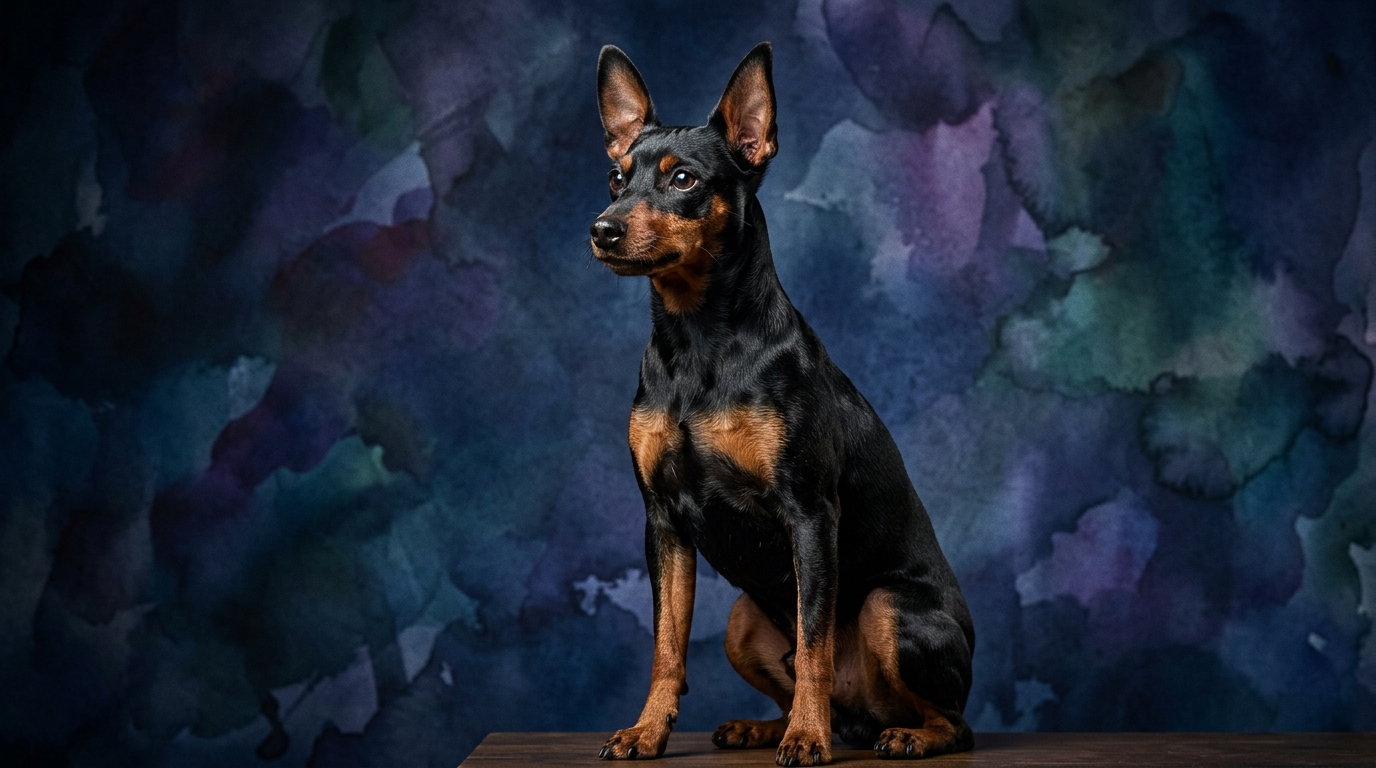
On paper, the Smooth Fox Terrier and the Miniature Pinscher present an identical cognitive blueprint, each scoring 3 out of 5 in problem-solving, training speed, social intelligence, instinctive drive, and memory. Yet, to truly understand their minds, we must interpret these scores through the lens of their breed groups: the industrious Terrier versus the spirited Toy.
For the Smooth Fox Terrier, a score of 3/5 in Problem Solving often manifests as a tenacious determination to overcome physical obstacles to reach a perceived 'quarry.' This terrier's mind is geared towards strategic hunting, whether that involves figuring out how to dig under a fence or outsmarting a rodent. Their Training Speed at 3/5 indicates they grasp concepts readily, but their independent nature means compliance is often weighed against their self-assigned priorities. Social Intelligence, also 3/5, allows them to navigate family dynamics and respond to human moods, though they are less inclined towards constant validation. Their Instinctive Drive, a robust 3/5, is strongly rooted in chasing, digging, and barking, reflecting their historical role. Finally, a Memory score of 3/5 means they retain learned commands and remember locations with good accuracy, particularly those associated with excitement or past 'hunts.'
The Miniature Pinscher, despite the same 3/5 scores, applies its cognitive skills differently. Its Problem Solving at 3/5 often involves figuring out how to get attention, manipulate situations for comfort, or navigate complex household environments. Their intellect can be quite cunning in social contexts. Training Speed, also 3/5, suggests they learn quickly, but their assertive 'king of the house' mentality often translates into testing boundaries and selective hearing. Their Social Intelligence (3/5) is keenly attuned to human emotions and routines, which they often leverage for personal gain or affection. The Miniature Pinscher's Instinctive Drive, while 3/5, leans more towards vigilance, barking at perceived threats, and a surprising prey drive for a toy breed, often expressed as chasing small toys or 'herding' family members. Their Memory, also 3/5, is excellent for recalling routines, remembering who gives treats, and recognizing past experiences, both positive and negative.
Where the Smooth Fox Terrier's Mind Shines
The Smooth Fox Terrier's cognitive strengths are deeply intertwined with its terrier heritage, making it particularly adept at tasks requiring independent thought and physical persistence. Its 3/5 Problem Solving, for instance, translates into an exceptional ability to strategize and execute plans in dynamic environments, especially when a reward (like a tossed ball or a perceived pest) is involved. They excel at deciphering how to access confined spaces or overcome barriers, showcasing a hands-on, trial-and-error approach that is highly effective in practical, outdoor settings.
Furthermore, their 3/5 Instinctive Drive fuels a relentless curiosity and a keen sense of observation within their surroundings. This drive means they are constantly processing environmental cues, making them quick to spot changes or potential 'intruders' in their territory. While their social intelligence is rated 3/5, their independence allows them to process information and make decisions without constant human input, a trait beneficial for tasks requiring self-reliance rather than strict obedience. Their memory helps them recall the layout of their territory and the locations of interesting scents or past encounters, making them efficient explorers and vigilant guardians.
Miniature Pinscher's Cognitive Strengths
The Miniature Pinscher's cognitive advantages often lie in its acute social awareness and adaptability within a domestic setting. Its 3/5 Social Intelligence is highly refined for understanding human nuances, making them excellent at reading moods and adjusting their behavior to solicit attention or comfort. They are masters of the household routine, quickly learning patterns and expectations, and often predicting their owner's next move, whether it's preparing for a walk or settling down for the evening.
Their 3/5 Problem Solving, while not always physically oriented like the terrier's, is remarkably effective in navigating complex social situations or optimizing their comfort. A Min Pin might 'solve' the problem of being cold by burrowing under blankets, or the problem of boredom by initiating play. Their 3/5 Memory contributes significantly to this, allowing them to recall which family member is most likely to give in to their charming demands or which spot on the couch offers the best sunbeam. Despite their small stature, their robust 3/5 Instinctive Drive for vigilance makes them highly alert to their surroundings, acting as effective, albeit vocal, household alarms.
Training Dynamics: Which Breed Learns Faster?
Both the Smooth Fox Terrier and the Miniature Pinscher score 3/5 in Training Speed, indicating they are capable learners, but their inherent temperaments dictate different training approaches and outcomes. The Smooth Fox Terrier's terrier independence means they often learn commands quickly but will weigh their own interests against the handler's request. Their strong prey drive and desire for exploration can make off-leash reliability a significant challenge, as a captivating scent or movement will often override any learned command. Training requires consistent, engaging sessions that tap into their natural curiosity and drive, often using toys or chase games as motivators.
The Miniature Pinscher, while equally quick to pick up new information, presents a different set of training challenges due to its assertive and sometimes willful personality. Their 'big dog in a small body' attitude means they are prone to testing boundaries and can be quite stubborn if they don't see the immediate benefit of a command. They might learn a behavior in one session but then decide in the next that it's not worth their effort. Training a Min Pin demands unwavering consistency, clear expectations, and positive reinforcement that caters to their desire for attention and comfort. While they can achieve high levels of obedience, their inherent self-importance means owners must establish themselves as the consistent leader early on.
Matching Minds to Lifestyles: Active vs. Relaxed Owners
Considering their cognitive profiles, the Smooth Fox Terrier is generally a better fit for active owners who relish engaging with a dog possessing a strong independent streak and a zest for outdoor adventures. Their 3/5 Problem Solving and Instinctive Drive mean they thrive on activities that challenge their minds and bodies, such as agility, earthdog trials, or long, varied walks that allow for ample sniffing and exploration. Owners who enjoy teaching complex tricks or engaging in interactive games that simulate hunting scenarios will find a rewarding companion in a Smooth Fox Terrier. Their independent nature means they can entertain themselves for periods, but they still require substantial mental and physical stimulation to prevent boredom and destructive behaviors.
Conversely, the Miniature Pinscher, with its keen Social Intelligence and slightly more adaptable Instinctive Drive for vigilance within the home, might appeal more to owners who appreciate a devoted, spirited companion that thrives on close human interaction. While not sedentary, their exercise needs can often be met with vigorous indoor play and shorter, regular walks. They are well-suited to owners who enjoy a dog that wants to be involved in daily household activities, offering companionship and a watchful presence. Owners who can provide consistent structure and attention, and who enjoy a dog that is both affectionate and playfully assertive, will find the Miniature Pinscher to be a delightful match.
The Verdict
Choose the Smooth Fox Terrier if you are an active, consistent owner who values an independent, tenacious companion for outdoor adventures and engaging mental challenges.
Opt for the Miniature Pinscher if you seek a spirited, socially astute companion who thrives on close human interaction and vigilant home guardianship, with a willingness to provide firm, consistent guidance.
🧠 Find Your Pet's IQ Score
Our Pet IQ Lab assessment covers 25+ tests across 5 cognitive dimensions — personalized to your breed.
Take the Full IQ Test →Frequently Asked Questions
Are Smooth Fox Terriers difficult to train?
Smooth Fox Terriers are quick learners (3/5 training speed) but their independent terrier nature means they often prioritize their own interests. Consistent, engaging training with high-value rewards is key to managing their selective compliance.
Do Miniature Pinschers get along with other pets?
Miniature Pinschers possess a strong instinctive drive (3/5) and a surprising prey drive for their size, which can make introductions to smaller pets challenging. Early socialization and careful supervision are essential for harmonious multi-pet households.
Which breed is better for apartment living?
While both can adapt, the Miniature Pinscher's exercise needs can often be met more easily indoors, making them potentially better suited for apartment living, provided they receive sufficient mental and physical stimulation and consistent training to manage their vocal tendencies.