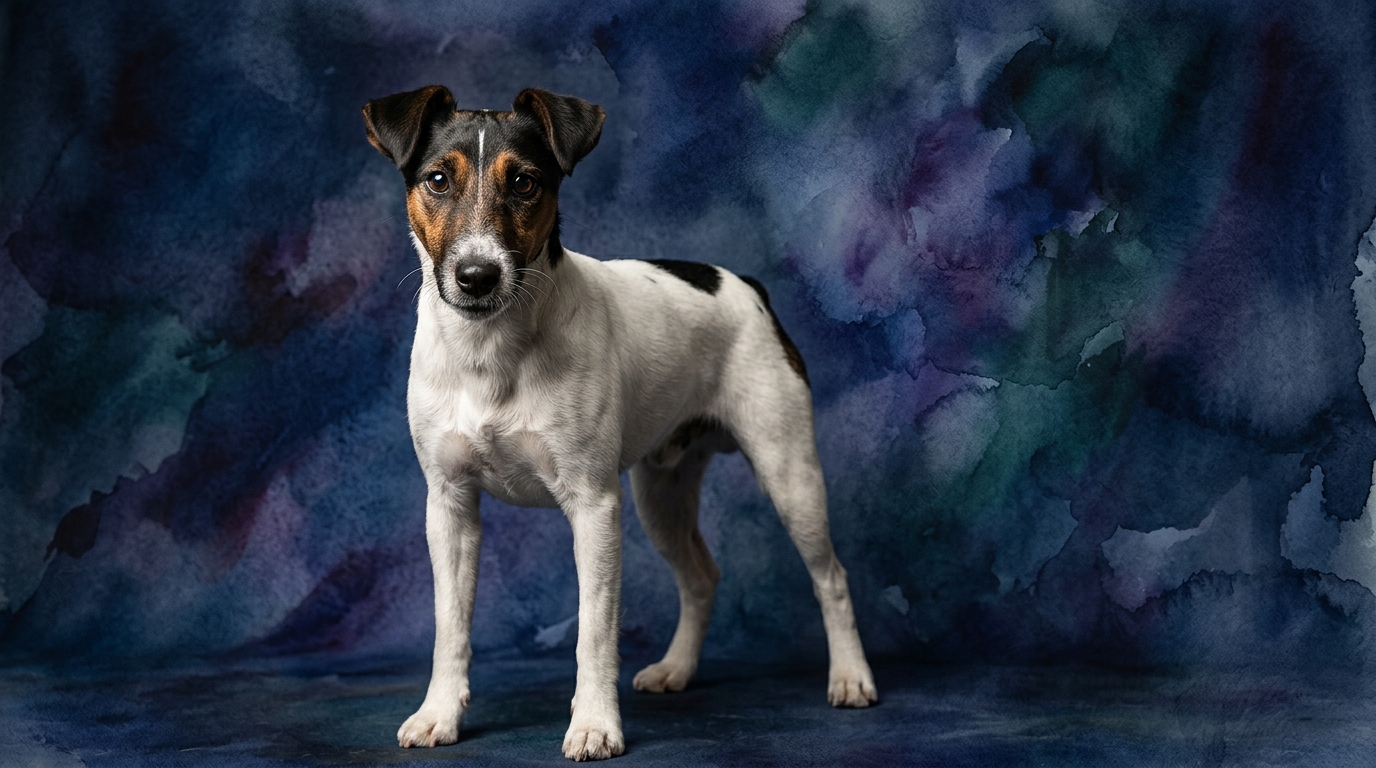
Side-by-Side IQ Profile: Smooth Fox Terrier
The Smooth Fox Terrier, a lively member of the Terrier group, consistently scores a 3 out of 5 in our Pet IQ Lab assessments, indicating a solid, functional intellect across various domains. In Problem Solving, their 3/5 rating reflects an aptitude for figuring out immediate, tangible challenges, often related to their historical role of flushing out den-dwelling prey. This manifests as a knack for opening cupboards, navigating complex yard layouts, or persistently working to access something intriguing. Their Training Speed, also at 3/5, suggests they pick up commands at a reasonable pace, though their independent spirit means consistency and engaging methods are crucial to maintain their focus. They aren't slow learners, but they demand a reason to comply.
Social Intelligence for the Smooth Fox Terrier, at 3/5, indicates they are generally adept at reading human cues within their established social circle, understanding routines, and engaging in interactive play. They can be quite perceptive of their owner's mood and intentions. Their Instinctive Drive, a robust 3/5, is strongly geared towards hunting, chasing, and exploring. This drive fuels their curiosity and physical activity, making them tireless investigators of their environment. Finally, their Memory, also rated 3/5, allows them to retain a wide array of learned behaviors, commands, and experiences, remembering favored walking routes, specific hiding places for toys, and the routines of their household with good recall.
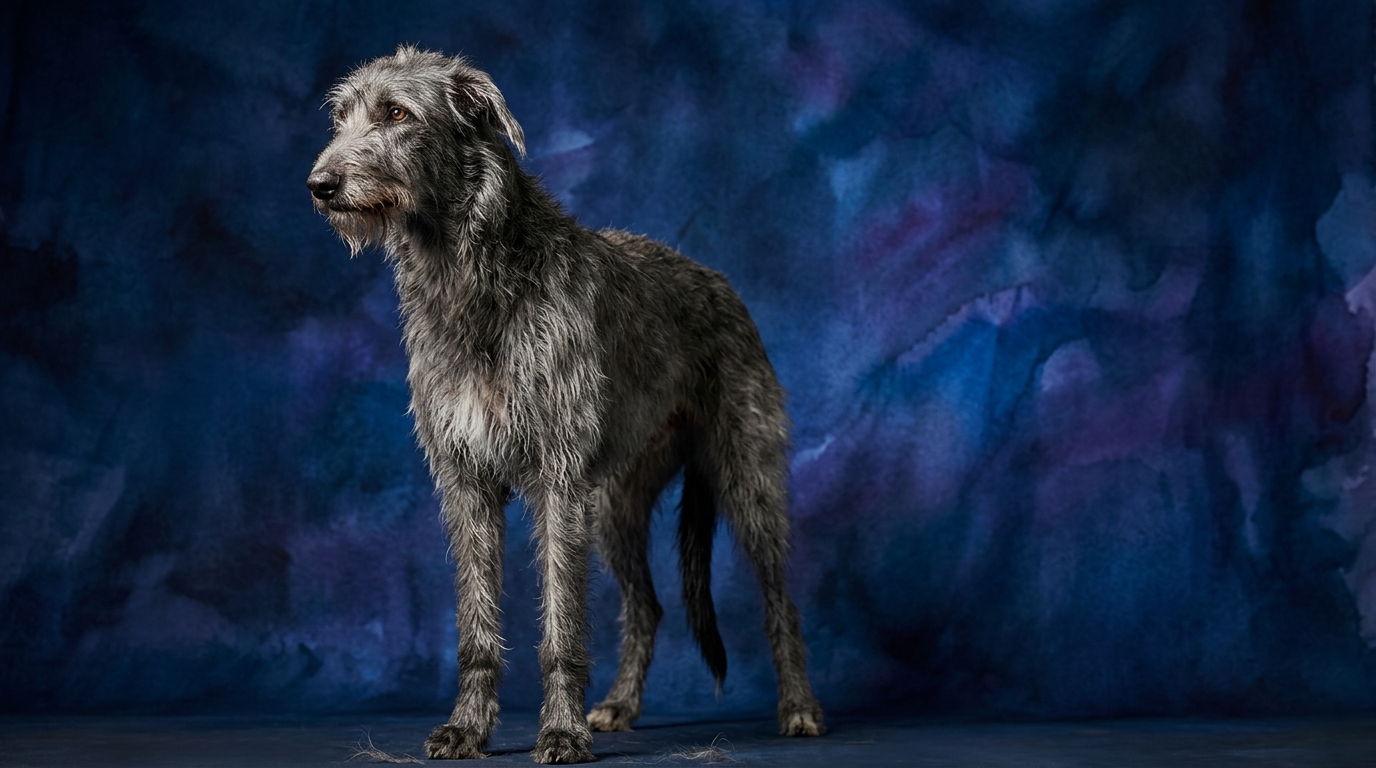
Side-by-Side IQ Profile: Scottish Deerhound
The majestic Scottish Deerhound, a sighthound breed, mirrors the Smooth Fox Terrier with a consistent 3 out of 5 across all Pet IQ Lab dimensions, yet their cognitive manifestations are distinctly different. Their Problem Solving at 3/5 often involves spatial reasoning over vast distances and independent decision-making during a pursuit. They excel at figuring out the most efficient path across varied terrain or navigating a complex environment to reach a desired point, rather than manipulating objects. For Training Speed, their 3/5 score indicates they learn effectively, but their sighthound independence means they respond best to positive reinforcement and patience; rote repetition can bore them, and they might choose not to comply if a command lacks clear purpose or reward.
Scottish Deerhounds exhibit a 3/5 in Social Intelligence, characterized by a quiet perceptiveness. They are often attuned to the subtle emotional states of their human companions and tend to form deep, gentle bonds with their family. While not overtly demonstrative, they possess a nuanced understanding of social dynamics within their pack. Their Instinctive Drive, a strong 3/5, is overwhelmingly focused on the chase. This powerful sighthound instinct means anything fast-moving is a potential target for pursuit, a deep-seated drive that defines much of their behavior outdoors. Lastly, their Memory, at 3/5, is excellent for remembering people, places, and past events, especially those associated with positive experiences or routines, and they often recall specific routes or previous interactions with accuracy.
Where Smooth Fox Terrier Wins Cognitively
The Smooth Fox Terrier's cognitive strengths often lie in their tenacious, hands-on approach to problem-solving and their quick adaptability in confined or complex immediate environments. While both breeds score 3/5 in problem-solving, the Terrier's expression is one of persistent, analytical engagement with obstacles. They might outmaneuver a childproof latch through sheer determination or devise a method to reach a hidden treat under furniture. Their problem-solving is often tactile and immediate, driven by a desire to investigate and conquer. This manifests as a focused, almost obsessive drive to understand and manipulate their immediate surroundings, making them particularly adept at tasks requiring fine motor skill and sustained effort to achieve a goal, even if it seems trivial to humans.
Where Scottish Deerhound Wins Cognitively
The Scottish Deerhound's cognitive advantages shine in areas requiring independent thought, spatial awareness, and a calm, deliberate assessment of their surroundings, particularly in open spaces. Their 3/5 problem-solving manifests as an ability to navigate complex, large-scale environments, predicting the movements of perceived prey or choosing the optimal path during a run. Unlike the terrier's 'get in there' approach, the Deerhound often employs a 'survey and execute' strategy. Their social intelligence, while scoring 3/5 like the terrier, often leans towards a more subtle, empathetic understanding of human emotions, making them exceptionally gentle and intuitive companions who respond to tone and body language more than overt commands. They excel at quiet observation and drawing conclusions about their environment and the people within it, often exhibiting a profound, understated wisdom.
Which is Easier to Train and Why
Determining which breed is 'easier' to train is nuanced, as both score 3/5 in training speed, but their challenges differ significantly. The Smooth Fox Terrier often learns commands quickly due to their eagerness and desire for engagement, but their independent streak and high prey drive mean consistency is paramount. They can become easily distracted by environmental stimuli or decide a task is not worth their effort if not sufficiently motivated. Training a Smooth Fox Terrier requires making sessions fun, varied, and challenging enough to hold their interest, often leveraging their natural curiosity and desire to 'work.' Their terrier stubbornness means that while they understand, they might choose not to perform if a more interesting scent or sight presents itself.
The Scottish Deerhound, while capable of learning, can be perceived as more challenging due to their sighthound independence and often lower motivation for repetitive tasks. They are not eager to please in the same way some breeds are, and require trainers to understand their often sensitive nature and strong chase instinct. Their 3/5 training speed means they absorb information, but their willingness to apply it is often tied to their perception of the command's value or the reward offered. They respond poorly to harsh methods and thrive with positive reinforcement, short sessions, and a trainer who respects their thoughtful, sometimes aloof nature. Their independence means they might 'tune out' if they deem a task pointless, especially if there's an opportunity for a chase.
Which Suits Active Owners vs. Relaxed Owners
For the truly active owner seeking a partner in adventure, the Smooth Fox Terrier is an excellent match. Their relentless energy, curiosity, and robust instinctive drive for exploration and physical activity mean they thrive with owners who can provide consistent mental and physical stimulation. They are ideal for those who enjoy structured play, agility, earthdog trials, or long, varied walks that engage their senses. Their problem-solving nature means they need tasks and challenges to prevent boredom. This breed is not suited for owners who prefer a sedentary lifestyle, as their unspent energy and cognitive drive can lead to destructive behaviors.
The Scottish Deerhound, despite their incredible speed and powerful chase instinct, can paradoxically suit both active and more relaxed owners, albeit with specific considerations. They require significant bursts of exercise daily—free running in a safe, enclosed space is essential to satisfy their instinctive drive. However, once their exercise needs are met, they transform into remarkably calm and relaxed house companions, often content to lounge near their owners. They are not constantly 'on' in the same way a terrier is, making them suitable for relaxed owners who can commit to dedicated exercise periods. Their social intelligence and gentle nature make them wonderful companions for those who appreciate a quiet, observant presence, provided their need for a good sprint is met regularly.
The Verdict
Choose the Smooth Fox Terrier if you desire a tenacious, problem-solving companion for dynamic activities and can provide consistent, engaging mental and physical challenges to satisfy their keen curiosity and drive.
Opt for the Scottish Deerhound if you appreciate a gentle, independent giant who needs dedicated outlets for their impressive speed but offers a calm, perceptive presence at home, thriving with patient, understanding companionship.
🧠 Find Your Pet's IQ Score
Our Pet IQ Lab assessment covers 25+ tests across 5 cognitive dimensions — personalized to your breed.
Take the Full IQ Test →Frequently Asked Questions
Are Smooth Fox Terriers good at learning tricks?
Yes, Smooth Fox Terriers are quite capable of learning tricks due to their 3/5 training speed and eagerness for engagement. They respond well to positive reinforcement and enjoy the mental stimulation that trick training provides, especially if it involves problem-solving.
Do Scottish Deerhounds have a strong recall?
Scottish Deerhounds can learn recall, scoring 3/5 in training speed, but their powerful instinctive drive to chase means it must be exceptionally strong and consistently reinforced. In environments with potential prey, their instinct may override even well-learned commands, requiring careful management.
Which breed is better for a first-time dog owner?
Neither breed is typically recommended for a first-time dog owner without significant research and commitment. Both have strong, distinct drives and require owners who understand their unique cognitive and behavioral needs to ensure a harmonious relationship.