Side-by-Side IQ Profile: Understanding the Nuances
At first glance, the Cosmic Pet Pet IQ Lab scores for both the Smooth Fox Terrier and the Tibetan Spaniel present an intriguing parallel: each breed scores 3/5 across all five cognitive dimensions. However, these identical numbers belie distinct expressions of intelligence, shaped by their unique histories and purposes. Understanding these nuances requires looking beyond the raw score to how each breed applies its cognitive abilities in the real world.
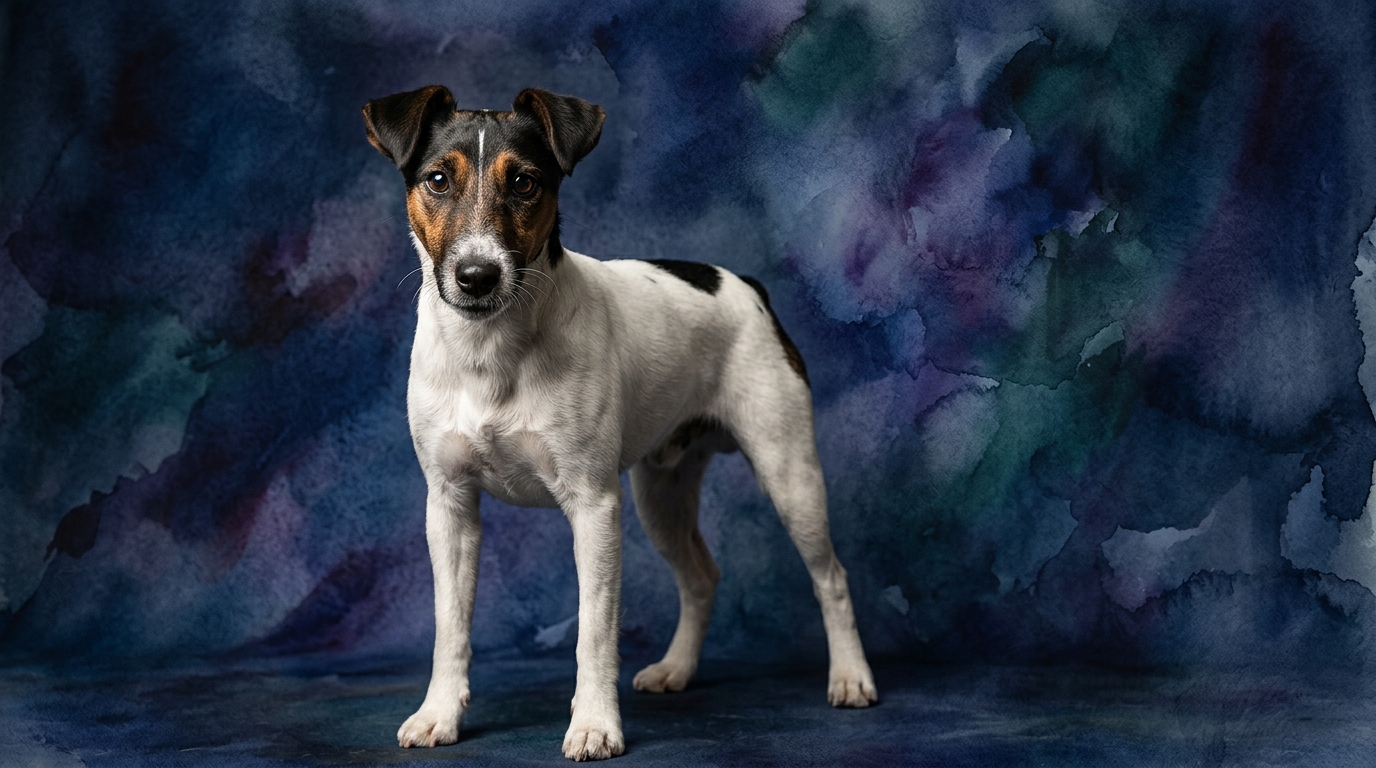
For the **Smooth Fox Terrier (SFT)**, a 3/5 in **Problem Solving** reflects a pragmatic, action-oriented approach. SFTs excel at figuring out how to navigate tight spaces, bypass obstacles, or outwit small prey using physical agility and quick thinking. Their solutions are often direct and involve persistent effort, driven by their strong motivation to achieve a goal, rather than abstract conceptualization. Their **Training Speed (3/5)** indicates they can learn new commands at a moderate pace, often picking up cues quickly. However, their independent nature means they weigh the immediate reward against their own inclinations; they might understand a command perfectly but choose to follow a compelling scent or pursue a perceived 'intruder' over compliance, requiring engaging and highly rewarding training methods to maintain focus. In terms of **Social Intelligence (3/5)**, while forming deep bonds with their human families, SFTs navigate social dynamics with a degree of self-interest. They can read the intentions of other dogs and humans, understanding social hierarchies, but may challenge perceived authority or prioritize their own pursuits over nuanced social cues when focused on a task. They communicate clearly, often with enthusiasm. Their **Instinctive Drive (3/5)** is robust, signifying a pronounced urge to dig, chase, and vocalize, rooted in their history as pest controllers. They possess a persistent curiosity about their environment, constantly scanning for opportunities to engage these innate behaviors, making secure boundaries and appropriate outlets crucial. Finally, their **Memory (3/5)** is solid for routines, specific training cues, and the locations of interesting scents or past 'prey.' They recall experiences vividly, both positive reinforcements and perceived injustices, which can influence their future interactions and training responses, serving their practical, often independent, lifestyle.
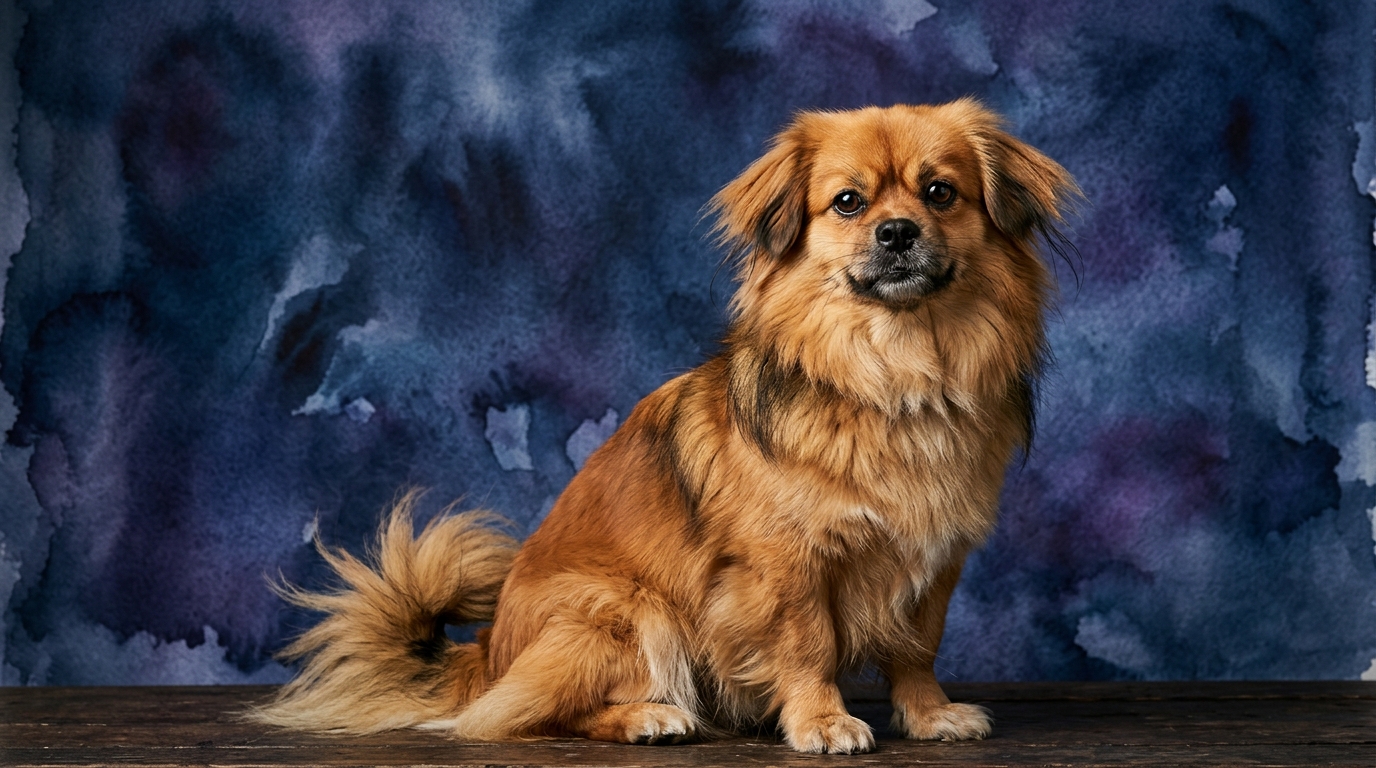
The **Tibetan Spaniel (TS)**, despite the same 3/5 scores, demonstrates these traits through a different lens. Their **Problem Solving (3/5)** involves an observational and adaptive intelligence. They are adept at understanding household routines, figuring out how to gain access to a cozy spot, or subtly influencing their human companions. Their solutions often involve strategic positioning, vocalizations, or clever manipulation of their environment, driven by a desire for comfort, companionship, or to act as a watchful sentry. Their **Training Speed (3/5)** means they learn new commands and routines at a steady, reliable pace. They respond well to positive reinforcement and appreciate consistency, often eager to please their favored family members. However, their independent spirit can manifest as a stubborn streak, particularly if they don't see the immediate benefit or if the training is repetitive, requiring patience and gentle encouragement. In **Social Intelligence (3/5)**, TSs excel in their ability to read human emotions and family dynamics. They are highly attuned to the moods of their companions, often offering comfort or seeking closeness when sensing distress. While devoted to their inner circle, they can be reserved or aloof with strangers, indicating a selective social engagement that prioritizes their immediate family unit. Their **Instinctive Drive (3/5)** reflects a strong watchdog instinct. They possess an innate desire to perch on elevated surfaces, observe their surroundings, and alert their family to anything perceived as unusual, often with a characteristic bark; their drive is less about active pursuit and more about vigilant protection and companionship. Lastly, their **Memory (3/5)** is good for people, places, and established routines, particularly those associated with comfort, safety, and their family members. They recall past interactions and can hold onto perceived slights or positive experiences, influencing their future responses to individuals and situations, supporting their role as a devoted and observant companion.
Where the Smooth Fox Terrier Wins Cognitively
The Smooth Fox Terrier truly shines in scenarios demanding quick, independent decision-making under pressure. Their cognitive strength lies in their ability to rapidly process sensory information, particularly scent and movement, and translate it into immediate, effective action. This isn't about abstract reasoning, but rather a sharp, practical intelligence for navigating complex, dynamic outdoor environments. They excel at devising novel, albeit direct, solutions to physical challenges, such as finding a way through a dense thicket or digging under a fence to reach a perceived quarry. Their tenacity, combined with this focused problem-solving, makes them remarkably effective in pursuits where persistence and resourcefulness are paramount.
Where the Tibetan Spaniel Wins Cognitively
The Tibetan Spaniel's cognitive strengths manifest in their nuanced social understanding and environmental awareness. They possess a remarkable ability to read the subtle emotional cues of their human companions, often anticipating needs or offering comfort without explicit prompting. Their observational intelligence allows them to quickly grasp household routines, identify patterns in human behavior, and adapt their own actions accordingly to maximize comfort and companionship. They are adept at interpreting the broader social landscape of a home, understanding who is in charge, who needs cheering up, and how to best position themselves to be part of the family's activities, making them exceptionally perceptive companions.
Which is Easier to Train and Why
When considering ease of training, the Tibetan Spaniel generally presents a more straightforward experience for the average owner. Their primary motivation often revolves around pleasing their beloved family members and maintaining a harmonious home environment. While they possess an independent streak, it typically manifests as a preference for comfort or a mild stubbornness rather than outright defiance. They respond well to positive reinforcement, gentle guidance, and consistency, thriving in an atmosphere of mutual respect. In contrast, the Smooth Fox Terrier's ingrained independence and powerful prey drive can make training a more significant challenge. While they are certainly capable of learning commands rapidly, their focus can be easily diverted by compelling scents or the thrill of a chase. Training a Smooth Fox Terrier demands an owner who can consistently make compliance more rewarding and engaging than their powerful instincts, often requiring creative methods and unwavering patience to maintain their attention and secure their cooperation. Their tendency to 'think for themselves' means they may choose not to obey if they perceive a more enticing alternative.
Which Suits Active Owners vs. Relaxed Owners
The Smooth Fox Terrier is unequivocally suited for active owners who can match their boundless energy and provide ample mental and physical stimulation. These dogs thrive when given opportunities for vigorous exercise, engaging in dog sports like agility or earthdog trials, and participating in outdoor adventures. An owner who enjoys long hikes, structured play sessions, and puzzle toys will find the Smooth Fox Terrier a joyful and challenging companion, preventing boredom-induced destructive behaviors. Conversely, the Tibetan Spaniel is an ideal match for more relaxed owners. While they appreciate daily walks and playtime, their exercise needs are moderate, and they are generally content to spend much of their time observing the household from a comfortable perch or snuggled beside their people. They flourish in a calmer home environment where their primary role is that of an observant, affectionate companion, making them perfect for those who enjoy a more sedate pace of life.
The Verdict
Opt for the Smooth Fox Terrier if you are an active, experienced owner who enjoys a tenacious, independent canine partner, capable of providing consistent mental and physical challenges to satisfy their keen terrier instincts.
Select the Tibetan Spaniel if you seek a devoted, perceptive companion dog, content with moderate activity and highly attuned to family dynamics, thriving in a calm, observant role within the home.
🧠 Find Your Pet's IQ Score
Our Pet IQ Lab assessment covers 25+ tests across 5 cognitive dimensions — personalized to your breed.
Take the Full IQ Test →Frequently Asked Questions
Do Smooth Fox Terriers and Tibetan Spaniels bark a lot?
Both breeds have a tendency to vocalize, but for different reasons. Smooth Fox Terriers often bark with excitement during play, when detecting intruders, or due to boredom if not adequately stimulated. Tibetan Spaniels primarily use their bark as an alert system, signaling perceived changes or strangers approaching their territory, reflecting their historical role as watchdogs.
Are these breeds good with children?
Smooth Fox Terriers can be good with older, respectful children who understand how to interact with an energetic dog, but their exuberant play and strong prey drive might be overwhelming for very young kids. Tibetan Spaniels are typically gentle and patient with children they know, often forming close bonds, but may prefer a calmer environment and can be sensitive to rough handling.
How do their exercise needs compare despite similar IQ scores?
Despite similar cognitive scores, their physical activity requirements differ significantly due to their breed functions. Smooth Fox Terriers require substantial daily vigorous exercise and mental challenges to channel their high energy and instinctive drives. Tibetan Spaniels have moderate exercise needs, enjoying daily walks and indoor play, content with a more relaxed pace.