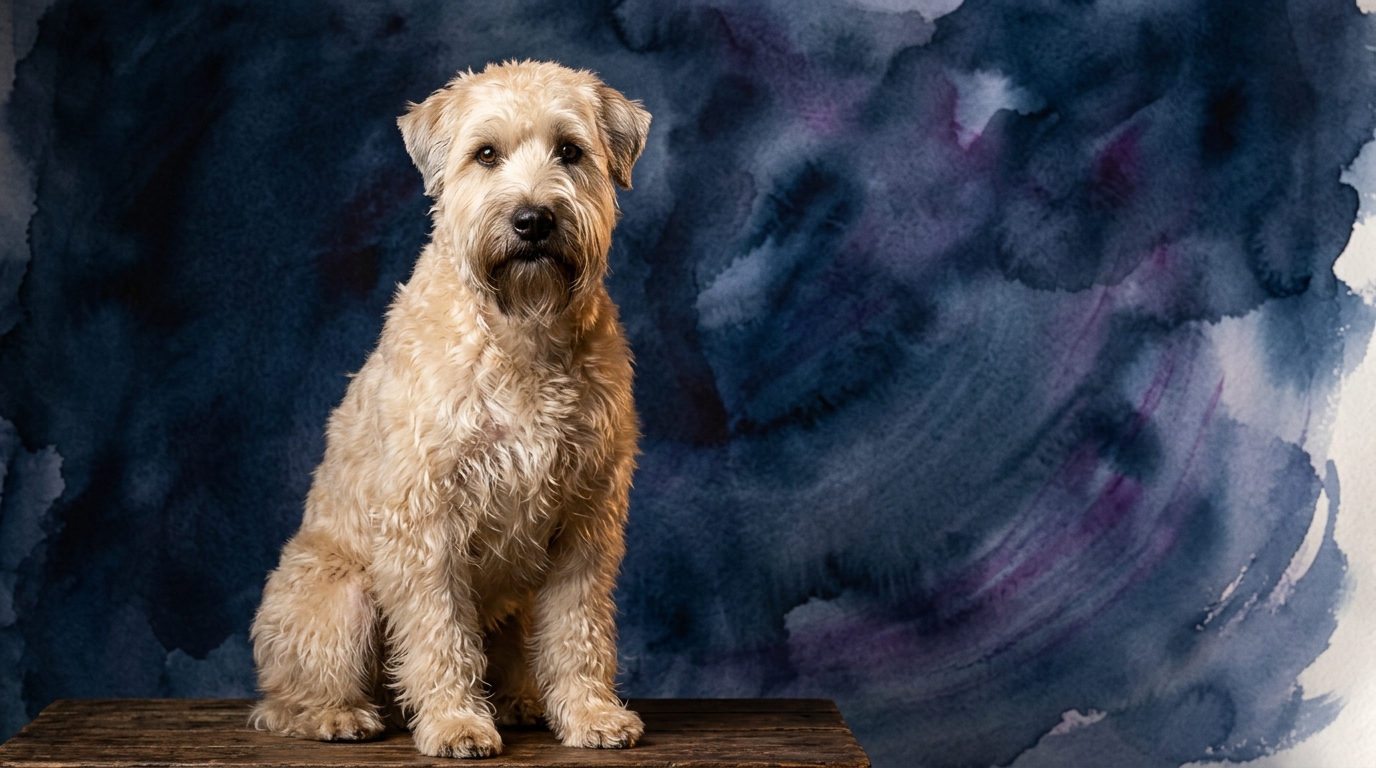
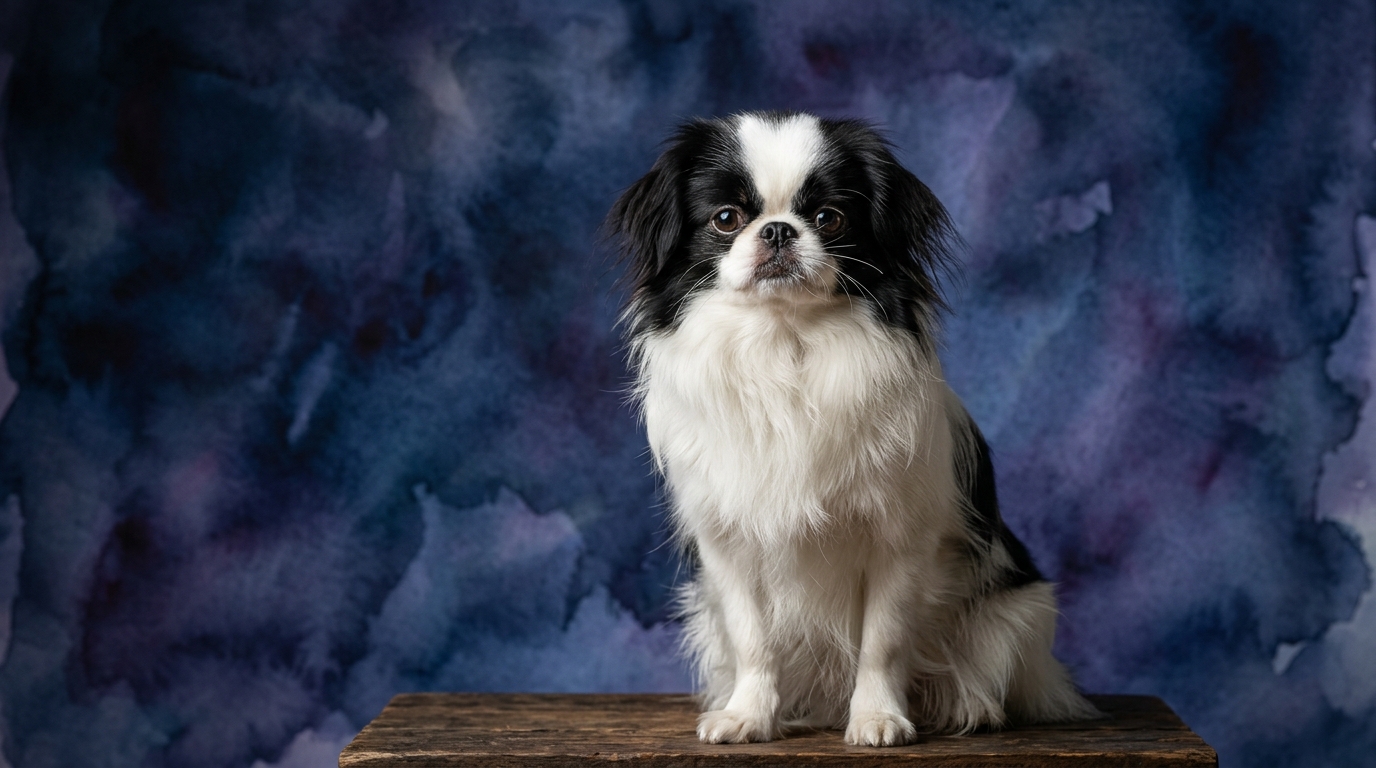
Side-by-Side IQ Profile
The Cosmic Pet Pet IQ Lab's assessment reveals an intriguing parity between the Soft Coated Wheaten Terrier and the Japanese Chin, with both breeds scoring 3/5 across all five cognitive dimensions. Yet, these identical scores belie a rich tapestry of distinct expressions, shaped by their unique histories and breed purposes.
For Problem Solving (3/5), the Wheaten Terrier demonstrates a pragmatic, often physical approach. Originating as multi-purpose farm dogs in Ireland, their problem-solving often involves navigating their environment to achieve a goal, such as figuring out how to open a gate or outwit a rodent. Their persistence and independent thought mean they will often try multiple solutions until they succeed, sometimes to their owner's amusement or mild frustration. The Japanese Chin, conversely, exhibits a more subtle form of problem-solving. As companions bred for Japanese nobility, their cognitive efforts are frequently directed towards social navigation. A Chin might “solve” the problem of being alone by subtly nudging a hand for attention or strategically placing themselves for maximum comfort and warmth. Their solutions are often more about influencing human behavior or optimizing their personal comfort within a social context.
Training Speed (3/5) in the Wheaten Terrier is characterized by a quick grasp of concepts but also an independent streak that can sometimes appear as stubbornness. They learn commands efficiently when motivated, but their energetic and often boisterous nature means training requires consistent engagement and a clear understanding of “what's in it for them.” Without proper motivation or if bored, their attention can quickly wander. The Japanese Chin also processes new information at a moderate pace. Their training effectiveness is often enhanced by their strong desire for connection and their sensitive nature. They respond best to gentle, positive reinforcement, learning quickly when praise and affection are the primary rewards. Harsh corrections can be counterproductive, causing them to withdraw rather than engage.
Social Intelligence (3/5) in the Wheaten Terrier is expressed through their exuberant and deeply affectionate bond with their family. They are highly attuned to human emotions, often offering comfort with a joyful “wheaten greetin'” or playful nudges. They read social cues to understand when it's time for play versus quiet companionship, though their enthusiasm can sometimes override subtlety. The Japanese Chin, also scoring 3/5, exhibits a profound and delicate social awareness. They are often described as “feline” in their demeanor, observing family dynamics with a keen eye. They understand unspoken cues, anticipating needs for comfort or companionship and often seeking to maintain harmony within the household. Their social intelligence is often demonstrated through quiet presence and subtle gestures rather than boisterous displays.
Instinctive Drive (3/5) in the Wheaten Terrier is rooted in their working heritage. This score reflects a moderate but noticeable drive for chasing, digging, and sometimes barking at perceived threats or small animals. While not as intense as some other terrier breeds, these instincts are present and require appropriate outlets through play, structured activities, or secure environments. The Japanese Chin's instinctive drive, while also a 3/5, is largely channeled towards companionship. While they might enjoy a playful chase of a toy, their primary drive is focused on being close to their humans, seeking warmth, comfort, and interaction. Any residual prey drive is typically very low, and their territorial instincts are usually expressed through alert barking rather than aggressive displays.
Finally, Memory (3/5) in the Wheaten Terrier means they retain learned behaviors, routines, and social interactions effectively. They remember past training sessions, the location of favored toys, and the people they've met. This memory contributes to their consistency in behavior and their ability to form lasting bonds. The Japanese Chin also possesses a solid memory for routines, commands, and, crucially, for the people who treat them kindly. They form strong attachments and recall past positive (and negative) experiences, which influences their trust and behavior in future interactions. Their memory is often linked to their emotional experiences, making consistency and positive interactions paramount.
Where Soft Coated Wheaten Terrier Wins Cognitively
The Wheaten Terrier's cognitive strengths shine in scenarios demanding independent thought and resilient problem-solving. Their “3/5” in problem-solving often translates into a resourceful determination to overcome physical obstacles or to achieve a desired outcome, whether it's outsmarting a puzzle toy or finding a way to join in on family activities. This breed exhibits a robust mental stamina, consistently applying various strategies to reach their goals. Their instinctive drive, while moderate, provides an underlying motivation for exploration and engagement with the world, making them adept at navigating new environments and learning through direct experience. Their social intelligence, though not as subtle as the Chin's, excels in active engagement and understanding cues for interactive play, making them particularly good at “reading” a person's readiness for fun and exuberance.
Where Japanese Chin Wins Cognitively
The Japanese Chin excels in the realm of refined social and emotional intelligence. While also scoring “3/5,” their social acumen manifests as an extraordinary sensitivity to human moods and intricate household dynamics. They are masters of subtle communication, often anticipating their owner's needs or discomfort and responding with gentle presence or quiet affection. Their problem-solving (3/5) is often geared towards optimizing comfort and securing attention through nuanced, non-confrontational methods, such as a soft paw placement or a quiet gaze. This breed demonstrates a remarkable capacity for empathy, often acting as a calming presence. Their memory (3/5) is particularly strong for emotional experiences and personal routines, making them highly responsive to consistent, gentle care and creating deep, lasting bonds based on trust and understanding.
Which is Easier to Train and Why
Determining which breed is “easier” to train depends heavily on the owner's approach and expectations. The Japanese Chin, with its inherent desire to please and sensitive disposition, often responds very well to gentle, positive reinforcement methods. Their social intelligence means they are highly attuned to their handler's emotional state and cues, making them eager to cooperate to maintain harmony and receive affection. Their moderate training speed (3/5) is effectively leveraged by their motivation for connection, making them generally receptive to learning basic obedience and house manners with patience and kindness. However, their sensitivity means they can become withdrawn or resistant if training methods are harsh or inconsistent.
The Soft Coated Wheaten Terrier, while possessing the same 3/5 training speed, presents a different kind of training challenge. Their independent problem-solving (3/5) and instinctive drive (3/5) mean they often have their own ideas about what they want to do. They learn quickly but require engaging, consistent training that makes sense to them and offers clear benefits. Training a Wheaten involves channeling their exuberance and terrier tenacity, requiring owners to be creative, firm, and patient. They thrive on activities that challenge their minds and bodies, and without sufficient mental stimulation, their intelligence might be directed towards less desirable behaviors. While not “difficult,” their training demands a proactive and understanding approach that respects their spirited nature.
Which Suits Active Owners vs Relaxed Owners
For active owners seeking a dynamic companion, the Soft Coated Wheaten Terrier is often an excellent match. Their inherent energy, combined with a moderate instinctive drive and a penchant for problem-solving, means they thrive on regular physical activity and mental engagement. Owners who enjoy hiking, jogging, dog sports like agility, or even just consistent, vigorous play sessions will find a Wheaten eager to participate. They need an owner who can provide structured outlets for their exuberance and intelligence, preventing boredom and channeling their spirited nature positively. Their social intelligence means they love to be involved in family activities and outings, making them a joyful, active participant in an energetic household.
Conversely, the Japanese Chin is ideally suited for more relaxed owners who appreciate a calm, devoted indoor companion. This breed's primary “drive” is companionship, making them content with a less demanding exercise routine, such as short, gentle walks or indoor play. Their exceptional social intelligence allows them to integrate seamlessly into a quiet home environment, often preferring to observe and offer subtle comfort rather than engage in boisterous activities. They flourish in households where they can be close to their humans, receiving gentle attention and quiet affection. For individuals or families who prefer a serene atmosphere and value a deeply empathetic, low-impact companion, the Japanese Chin offers an unparalleled bond.
The Verdict
Choose the Soft Coated Wheaten Terrier if you are an active individual or family seeking an energetic, resilient, and joyously spirited companion eager for adventure and consistent mental and physical engagement.
Opt for the Japanese Chin if you desire a tranquil, sensitive, and profoundly empathetic companion who thrives on close human connection within a calm, predictable home environment.
🧠 Find Your Pet's IQ Score
Our Pet IQ Lab assessment covers 25+ tests across 5 cognitive dimensions — personalized to your breed.
Take the Full IQ Test →Frequently Asked Questions
Do Soft Coated Wheaten Terriers dig a lot?
Soft Coated Wheaten Terriers possess a moderate instinctive drive (3/5), which includes a natural inclination to dig, a common trait among terriers. While not as extreme as some other terrier breeds, they will often dig if bored, seeking prey, or exploring, so secure fencing and designated digging areas can be beneficial.
Are Japanese Chins good with children?
Japanese Chins can be good with older, respectful children who understand how to interact gently with a delicate dog. Their social intelligence makes them sensitive to their environment, but their small size and delicate build mean they are not ideal for boisterous play with very young children who might accidentally injure them.
What are the key differences in their learning styles?
The Wheaten Terrier learns quickly but requires engaging, consistent training that appeals to their independent problem-solving and spirited nature, often needing clear motivation. The Japanese Chin also learns at a moderate pace, but thrives on gentle, positive reinforcement, responding best when training fosters their desire for connection and avoids any harshness due to their sensitive disposition.