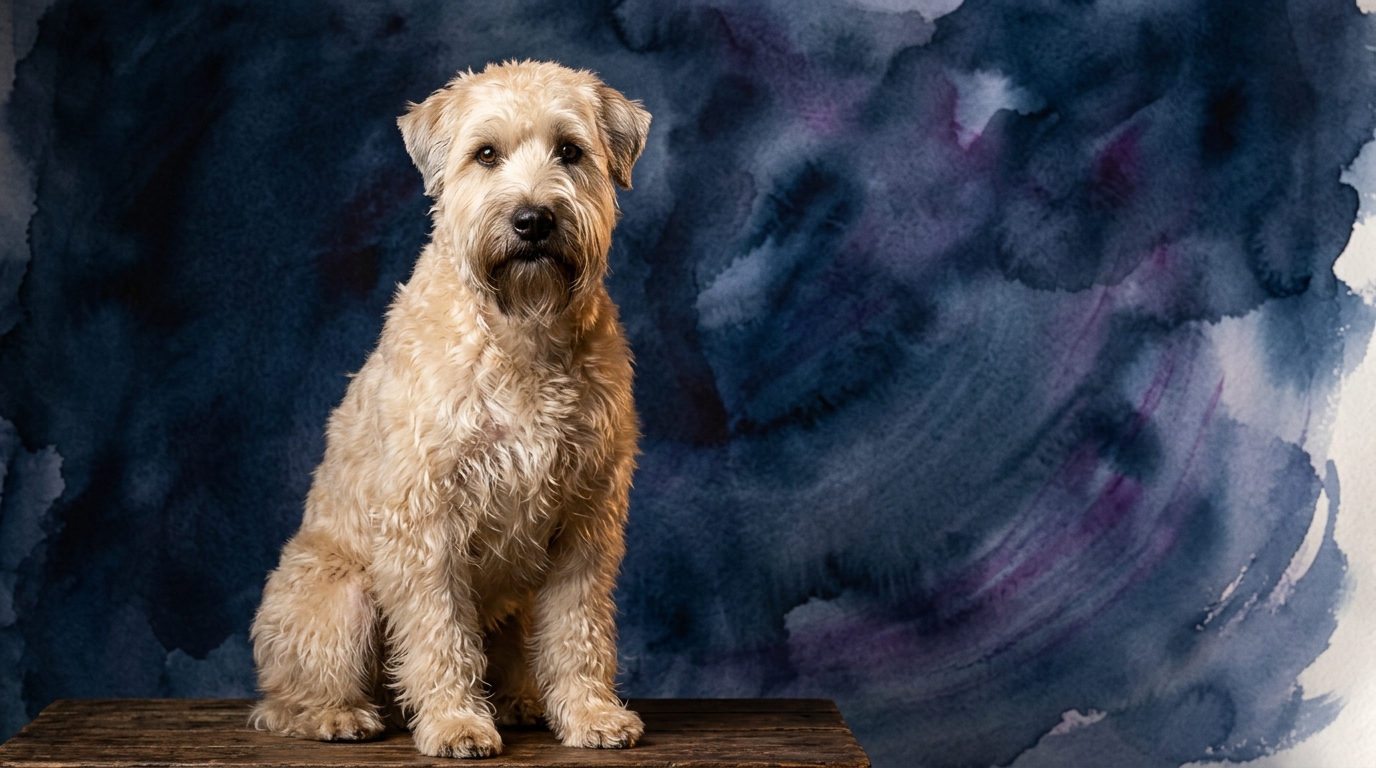
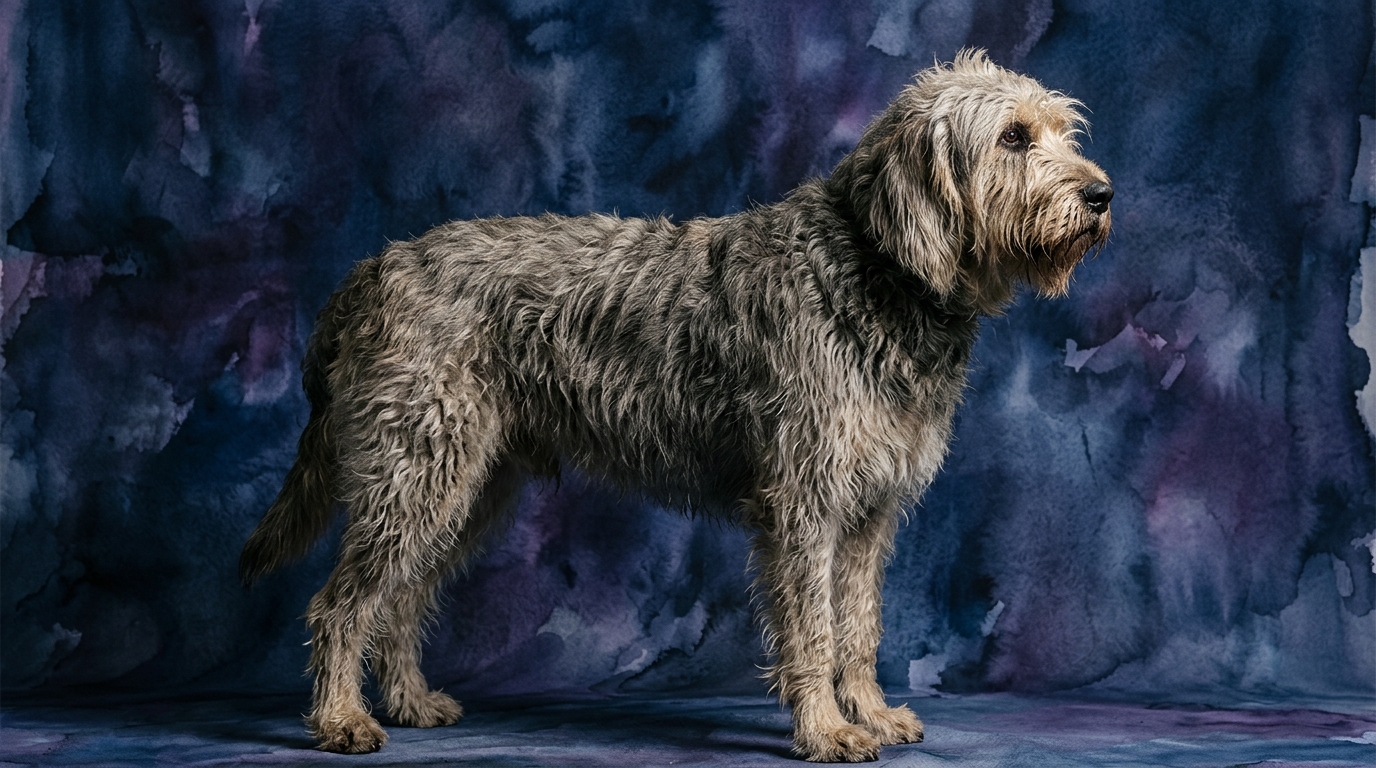
Side-by-Side IQ Profile: Understanding the Nuances of a 3/5 Score
At The Cosmic Pet Pet IQ Lab, we assess canine intelligence across five critical dimensions. Both the Soft Coated Wheaten Terrier and the Otterhound score a consistent 3/5 in Problem Solving, Training Speed, Social Intelligence, Instinctive Drive, and Memory. While the numbers are identical, the interpretation of these scores must be filtered through their breed-specific lenses.
For Problem Solving (3/5), the Wheaten Terrier often demonstrates a practical, often self-serving cleverness; they might figure out how to open a cupboard for treats or strategically gain attention, using persistent trial-and-error within their domestic environment. Their solutions are frequently immediate and goal-oriented. The Otterhound’s problem-solving, conversely, is deeply rooted in their scenting work, enabling them to meticulously follow a complex, broken trail, navigating obstacles and making nuanced decisions based on scent variations over long distances. This is a specialized, sustained form of cognitive effort, less about domestic mischief and more about environmental navigation.
Regarding Training Speed (3/5), the Soft Coated Wheaten Terrier is capable of learning a wide array of commands and tricks, but their independent streak means they often evaluate if a command is worth their effort or if a more interesting alternative exists. Consistency and positive reinforcement are key; they learn quickly when truly motivated. The Otterhound, while able to absorb commands, often has its powerful drive to follow a scent override human directives. Training progress can seem slow because their primary focus is external and instinctual, requiring immense patience and understanding rather than indicating a lack of capacity.
Social Intelligence (3/5) in the Wheaten Terrier means they are highly attuned to their immediate family, often forming deep bonds and understanding subtle human cues within their trusted circle. They can be discerning or reserved with strangers and may exhibit typical terrier assertiveness with other dogs, keenly reading their social environment to protect their "pack." The Otterhound generally possesses a jovial, tolerant nature, often getting along well with children and other dogs in a pack setting. Their social intelligence leans towards amiable coexistence and an easygoing disposition, reflecting their history of working harmoniously in a group, prioritizing group harmony over individualistic interaction.
Instinctive Drive (3/5) for the Soft Coated Wheaten Terrier is characterized by a classic terrier drive for chasing small prey, digging, and barking to alert. This drive is often channeled into playful energy but can manifest as persistent pursuit of small critters or a determined excavation project in the yard. For the Otterhound, their drive is dominated by an exceptional scenting ability, a relentless desire to track, and a characteristic baying voice. This drive is all-consuming when engaged, guiding their entire being during a “hunt,” even if it’s just a casual walk in the park.
Finally, Memory (3/5) in the Wheaten Terrier means they possess a good memory for routines, learned commands, and the people they love, as well as for past experiences, both positive and negative. They remember where treats are hidden and which behaviors led to a desired outcome. The Otterhound exhibits a robust memory for scent trails, navigating familiar territories, and recognizing individuals. Their memory primarily serves their instincts, allowing them to recall complex routes and scent associations with remarkable accuracy over time.
Where the Soft Coated Wheaten Terrier Wins Cognitively
The Soft Coated Wheaten Terrier truly shines in their capacity for interactive, domestic cleverness. While their Problem Solving score is 3/5, their terrier ingenuity often translates into a more nuanced understanding of household dynamics and human motivations. They are adept at learning what behaviors elicit desired responses from their owners, whether it's a specific whine for attention or a playful nudge for a walk. Their social intelligence, though rated 3/5, is particularly strong within their established family unit, allowing them to anticipate moods and integrate seamlessly into daily routines with a charming, engaging presence. This makes them particularly adept at navigating the complexities of a human household and forming deep, reciprocal bonds.
Where the Otterhound Wins Cognitively
The Otterhound’s cognitive strengths lie in their highly specialized sensory intelligence, particularly their unparalleled olfactory abilities. While their Problem Solving is rated 3/5, it's expressed through their methodical, persistent tracking over challenging terrains and through varied scents. Their memory, also 3/5, is exceptional for recalling intricate scent patterns and routes, which is vital for their original purpose. This breed excels at sustained, focused cognitive effort driven by instinct, demonstrating a profound ability to process and interpret environmental cues that are largely invisible to humans. Their social intelligence (3/5) allows them to work cooperatively in a pack, a testament to their amiable and tolerant nature, crucial for their historical role.
Which is Easier to Train and Why
Neither the Soft Coated Wheaten Terrier nor the Otterhound is typically described as "easy" to train, each presenting unique challenges due to their inherent breed traits, despite both scoring 3/5 in Training Speed. The Wheaten Terrier's independent terrier spirit means they require consistent, engaging training methods that make learning feel like a game. They can be easily distracted by novel stimuli or their own desires, and while they learn quickly when motivated, their willingness to comply often depends on whether they perceive value in the command at that moment. Owners must be patient, creative, and firm to channel their cleverness effectively.
The Otterhound’s training difficulty stems from their incredibly powerful scent drive. Once their nose is engaged, recalling them can be an immense challenge, as their focus becomes single-minded on the trail. Their training must compete with a profound natural instinct, making progress seem slower and requiring immense patience and an understanding of hound nature. It's not a lack of cognitive ability, but a prioritization of their innate drive. For owners seeking a dog that consistently adheres to human commands without external distractions, the Wheaten Terrier might be perceived as marginally easier in a typical home environment, provided their independent streak is managed with engaging methods. The Otterhound demands an owner who embraces and works with their powerful instincts, rather than against them.
Which Suits Active Owners vs. Relaxed Owners
Both breeds demand significant physical and mental engagement, making neither suitable for truly relaxed or sedentary owners. The Soft Coated Wheaten Terrier thrives with active owners who enjoy interactive play, structured training, and varied outdoor activities like agility or long walks. Their energy levels require consistent outlets to prevent boredom and potential destructive behaviors. They appreciate being a central part of family activities and can adapt to different active pursuits, as long as they receive ample stimulation.
The Otterhound, on the other hand, is built for endurance and tracking, requiring very substantial exercise, particularly opportunities for off-leash exploration in secure areas where they can fully utilize their nose. Long, meandering walks or hikes that allow them to follow scents are far more fulfilling for them than short bursts of activity. They are best suited for owners who are equally passionate about outdoor adventures, have a secure property, and understand the commitment required to manage a large, powerful dog with a non-negotiable wandering nose. For owners seeking a more moderately active companion who is still playful but perhaps less demanding of specialized outdoor activities, the Wheaten Terrier might be the better fit. The Otterhound is definitively for the highly active, patient, and experienced owner dedicated to embracing a hound's natural calling.
The Verdict
Choose the Soft Coated Wheaten Terrier if you appreciate a clever, interactive companion with a playful spirit and a deep family bond, willing to engage in consistent training and channel their terrier ingenuity. They are ideal for owners who enjoy an active, engaging dog that challenges them a bit but ultimately offers devoted companionship.
Opt for the Otterhound if you are an experienced, patient owner who loves extensive outdoor adventures, understands the profound power of a hound's nose, and seeks an amiable, robust companion. Their unique charm comes from their ancient hunting heritage and independent spirit, requiring a dedicated lifestyle to fulfill their instincts.
🧠 Find Your Pet's IQ Score
Our Pet IQ Lab assessment covers 25+ tests across 5 cognitive dimensions — personalized to your breed.
Take the Full IQ Test →Frequently Asked Questions
Are Soft Coated Wheaten Terriers good for first-time owners?
While charming, Soft Coated Wheaten Terriers possess an independent terrier spirit that requires consistent training and early socialization. First-time owners willing to commit to engaging training and providing ample mental and physical stimulation can succeed with this breed.
How much exercise does an Otterhound need daily?
Otterhounds require substantial daily exercise, typically an hour or more of vigorous activity, ideally involving off-leash exploration in secure areas where they can follow scents. Their endurance and powerful nose mean long, meandering walks or hikes are essential for their well-being.
Do Otterhounds get along with other pets?
Otterhounds generally possess an amiable and tolerant social intelligence, often getting along well with other dogs due to their pack hunting origins. While they can coexist with cats and smaller pets, their strong prey drive means careful introductions and supervision are always advisable.