Side-by-Side IQ Profile: Understanding 3/5 Through Breed Lenses
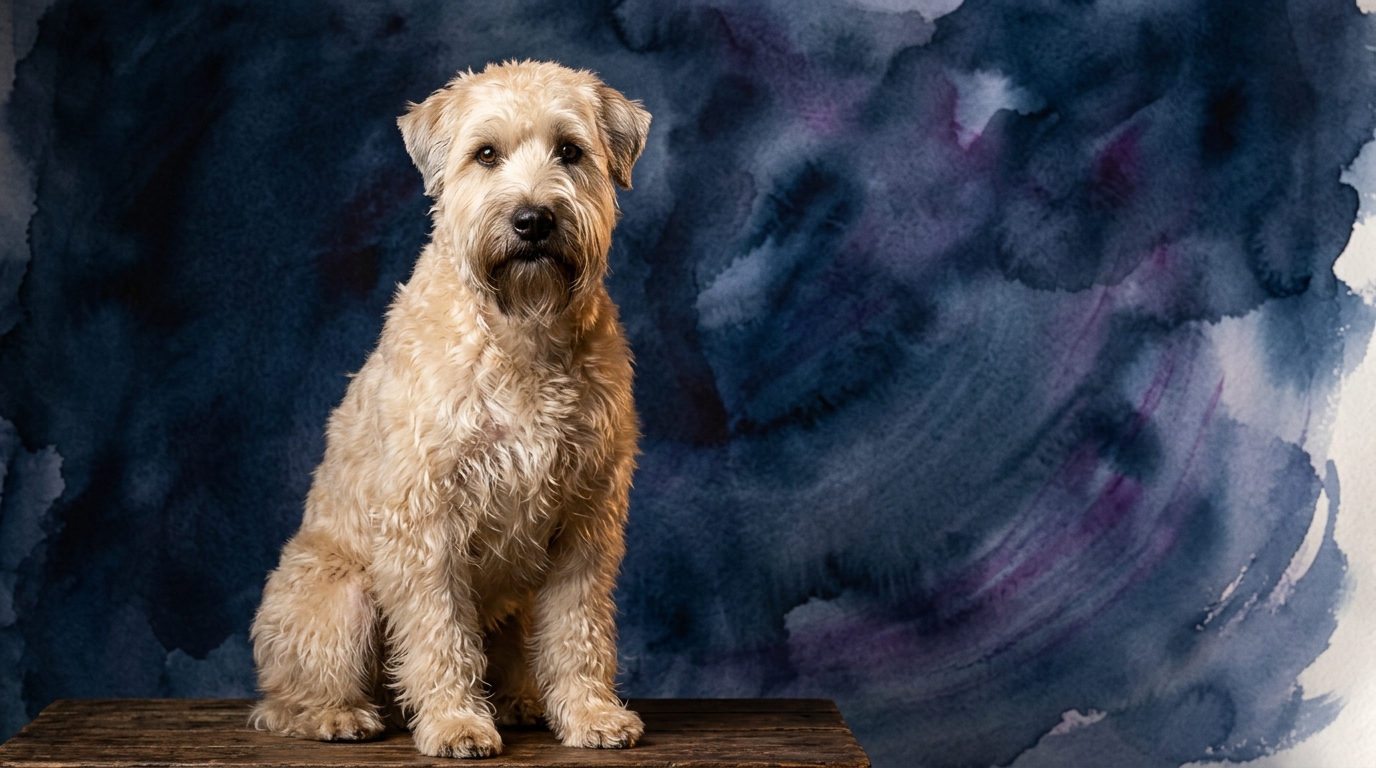
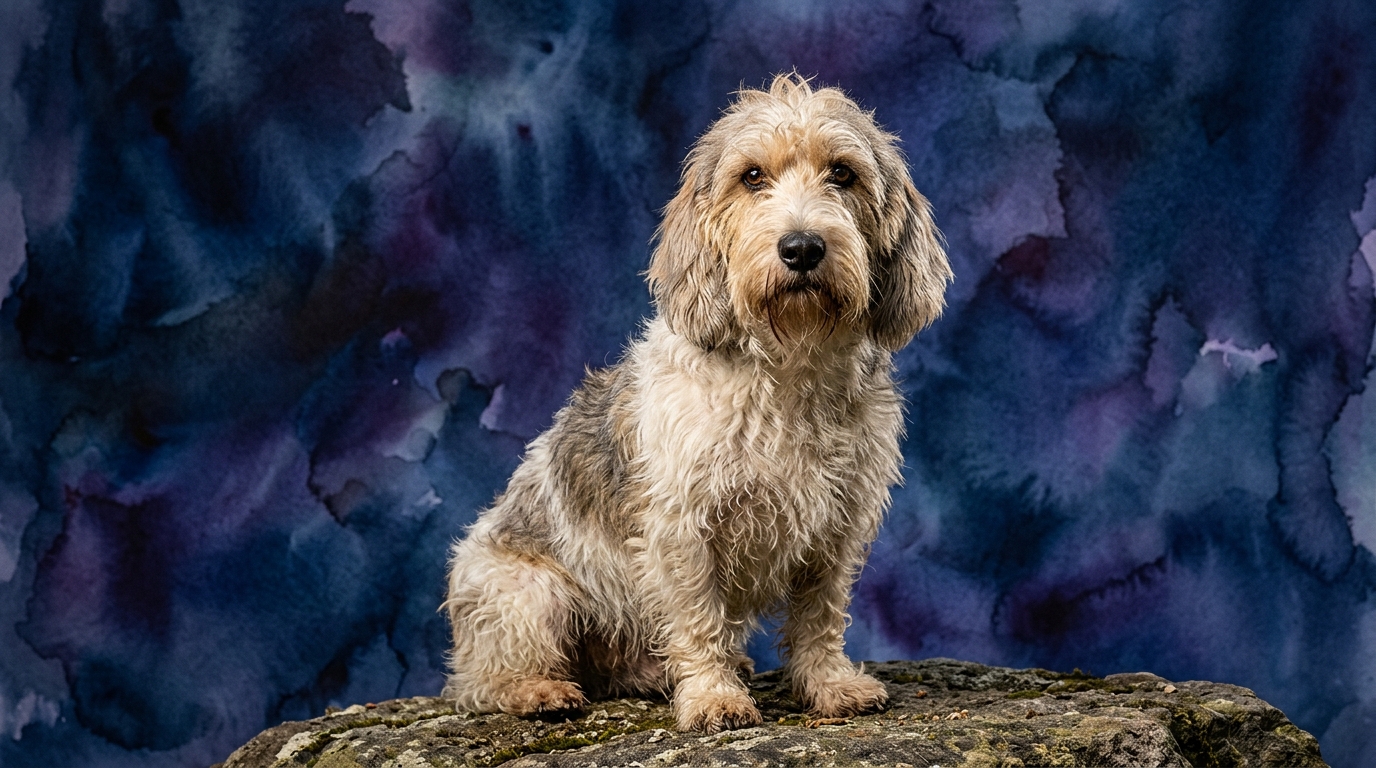
Despite their numerical parity in the Pet IQ Lab's assessment, the way a Soft Coated Wheaten Terrier (SCWT) and a Petit Basset Griffon Vendéen (PBGV) express their cognitive capabilities is deeply influenced by their breed groups and historical purposes. A 3 out of 5 across the board signifies a moderate, well-rounded intelligence, but its application differs significantly.
For the **Soft Coated Wheaten Terrier**, a 3/5 in **Problem Solving** often translates into cleverness in navigating their domestic environment, such as figuring out how to open a cupboard or retrieve a toy from a tight spot. Their terrier tenacity means they'll persist in mental challenges, making them adept at puzzle toys but also potentially mischievous in solving 'problems' like escaping a yard. Their **Training Speed (3/5)** means Wheatens learn at a moderate pace, often requiring consistent, positive reinforcement and engaging methods. Their independent streak suggests they grasp commands but might choose to execute them only when sufficiently motivated. In **Social Intelligence (3/5)**, Wheatens are generally affable and people-oriented, displaying a good understanding of human emotions and social cues within their family unit; however, their terrier nature can sometimes lead to a more assertive stance with unfamiliar dogs or situations, requiring careful socialization. Their **Instinctive Drive (3/5)** is primarily a prey drive, typical of terriers, manifesting as a keen interest in chasing small scurrying animals. This drive, while present, is manageable and can be channeled through appropriate play and training. Finally, a **Memory (3/5)** means Wheatens possess a solid recall for commands, routines, and experiences, remembering learned behaviors and previous interactions, which is beneficial for consistent training but also means they remember perceived slights or negative experiences.
The **Petit Basset Griffon Vendéen's** 3/5 in **Problem Solving** often relates to their primary function: tracking. This means they excel at solving the 'problem' of a lost scent trail, using their nose to navigate complex environments. In a home setting, it might involve finding a hidden treat through scent or figuring out how to get through a loosely latched gate if a compelling scent is on the other side. Their **Training Speed (3/5)** indicates PBGVs learn at a moderate pace, but their training is heavily influenced by their powerful scent drive. They can grasp commands, but their focus can be easily diverted by an interesting smell, making consistent engagement and high-value rewards crucial. Their independent hound nature means they often need to understand why they should comply. In **Social Intelligence (3/5)**, PBGVs are typically sociable and merry, exhibiting good social understanding within their 'pack' – be it human or canine. They are generally outgoing and friendly, often seeking interaction and displaying empathy towards their family members, reflecting their historical role as pack hunters. The PBGV's 3/5 **Instinctive Drive** is almost entirely scent-driven. Their nose dictates much of their world, leading them to follow intriguing odors with single-minded determination. While not overwhelming, this drive requires secure containment and off-leash vigilance, as a good scent can override all other commands. Lastly, a **Memory (3/5)** means PBGVs have a good memory for routines, commands, and especially for locations where interesting scents were found. They will recall learned behaviors, though their execution might be temporarily overridden by a strong olfactory stimulus, demonstrating a memory that is sometimes secondary to their nose.
Where the Soft Coated Wheaten Terrier Wins Cognitively
While both breeds score identically, the Soft Coated Wheaten Terrier often demonstrates a slight edge in applying its problem-solving abilities to human-centric domestic challenges. Their tenacity, characteristic of terriers, means they are more likely to persist in figuring out how to open a treat jar or manipulate a puzzle toy purely for the reward of accomplishment or a desired item. This cognitive 'win' isn't about raw intellect, but about how their 3/5 problem-solving translates into a more direct, goal-oriented interaction with their immediate environment, less likely to be sidetracked by external stimuli like a compelling scent trail. Their moderate instinctive drive, while present, is typically more manageable indoors, allowing their 3/5 memory and training speed to manifest more consistently in learning household rules and routines without significant external distraction.
Where the Petit Basset Griffon Vendéen Wins Cognitively
The Petit Basset Griffon Vendéen's cognitive strengths, though numerically identical, shine brightest in their specialized domain: olfactory problem-solving and navigation. Their 3/5 problem-solving isn't about opening cabinets, but about deciphering a complex tapestry of scents, following a faint trail over varied terrain, and effectively 'solving' the puzzle of where a scent source leads. This involves a sophisticated form of spatial reasoning and memory tied directly to their nose, allowing them to reconstruct an invisible path. Furthermore, their 3/5 social intelligence often manifests as an exceptional ability to work cooperatively within a 'pack' – whether that's other dogs or their human family – demonstrating nuanced understanding of group dynamics during activities like walks or shared play, where their merry disposition fosters cohesion. Their memory, while rated 3/5, is particularly robust for scent-related information, remembering specific locations or types of smells with remarkable accuracy.
Which is Easier to Train and Why
Despite both breeds scoring a 3/5 in training speed, the Soft Coated Wheaten Terrier generally presents a more straightforward training experience for the average owner. Wheatens, while possessing an independent terrier spirit and a moderate prey drive, often exhibit a strong desire to please their human companions. This willingness to engage and work alongside their owner, combined with their capacity for consistent focus when not overly stimulated, allows for more predictable progress in obedience. Their 3/5 memory means they retain commands well, and their problem-solving often helps them understand the mechanism of a task. The Petit Basset Griffon Vendéen, conversely, can be more challenging due to their overwhelming 3/5 instinctive drive, which is almost entirely scent-based. A PBGV on a compelling scent trail can appear to completely disregard all learned commands, their 3/5 training speed and memory momentarily overridden by their primary instinct. Training a PBGV requires immense patience, creativity with high-value rewards, and an understanding that while they can learn, their nose will always be their greatest distraction and their truest guide. Therefore, consistent, uninterrupted focus is generally more attainable with a Wheaten.
Which Suits Active Owners vs. Relaxed Owners
Both breeds are energetic and benefit from active engagement, but their ideal activity profiles differ significantly. The Soft Coated Wheaten Terrier thrives with owners who enjoy interactive play, structured walks, and mental challenges like agility or puzzle toys. Their energy is often directed towards their human companions, making them excellent partners for jogging, hiking, or even just vigorous games of fetch in the yard. They appreciate a consistent routine that incorporates both physical exercise and opportunities to engage their 3/5 problem-solving skills. A 'relaxed' owner might find a Wheaten's need for engagement and activity overwhelming, leading to boredom-induced mischief.
The Petit Basset Griffon Vendéen, while equally energetic, requires a different kind of 'active' owner – one who appreciates and can accommodate their profound need to explore with their nose. PBGVs are less interested in structured obedience during walks and more focused on following scent trails. They need secure, fenced areas for off-leash exploration and owners who are prepared for lengthy, sniff-filled walks rather than brisk jogs. Their 3/5 instinctive drive for scent work means they are less suited to purely 'relaxed' owners who cannot provide consistent opportunities for olfactory enrichment and safe, expansive exploration. Thus, active owners who enjoy directed, interactive play might lean towards a Wheaten, while those who revel in allowing their dog to 'work' their nose on long, meandering scent walks might prefer a PBGV.
The Verdict
For those seeking a lively, engaging companion whose cognitive abilities are channeled into human-directed activities, structured play, and a more predictable training journey, the Wheaten Terrier is an excellent choice. Their spirited nature and desire for companionship make them responsive partners in a variety of activities.
Conversely, if you are an owner who delights in observing a dog's profound connection to the olfactory world, values a merry, independent spirit, and is prepared to accommodate a powerful scent drive with secure environments and dedicated sniffing time, the Petit Basset Griffon Vendéen will be a deeply rewarding companion. Their unique brand of problem-solving and social intelligence, while requiring a different approach, offers a rich and distinctive canine experience.
🧠 Find Your Pet's IQ Score
Our Pet IQ Lab assessment covers 25+ tests across 5 cognitive dimensions — personalized to your breed.
Take the Full IQ Test →Frequently Asked Questions
Are Soft Coated Wheaten Terriers good for first-time dog owners?
Soft Coated Wheaten Terriers can be suitable for first-time owners who are committed to consistent training, socialization, and providing ample mental and physical exercise. Their desire to please, combined with their moderate training speed, makes them trainable, but their terrier tenacity requires patience and engaging methods.
How do I manage a PBGV's strong scent drive during walks?
Managing a PBGV's scent drive requires secure leashes, harnesses, and ideally, fenced-in areas for off-leash exploration. Training recall with high-value treats in various environments is crucial, but owners must accept that their PBGV will often be led by their nose, making 'sniff walks' more appropriate than brisk, structured strolls.
Do these breeds require a lot of mental stimulation?
Yes, both breeds benefit significantly from mental stimulation to prevent boredom and destructive behaviors, despite their identical 3/5 IQ scores. Wheatens enjoy puzzle toys and learning new tricks, while PBGVs thrive on scent games, tracking exercises, and opportunities to explore complex olfactory environments.