Side-by-Side IQ Profile: Interpreting Identical Scores
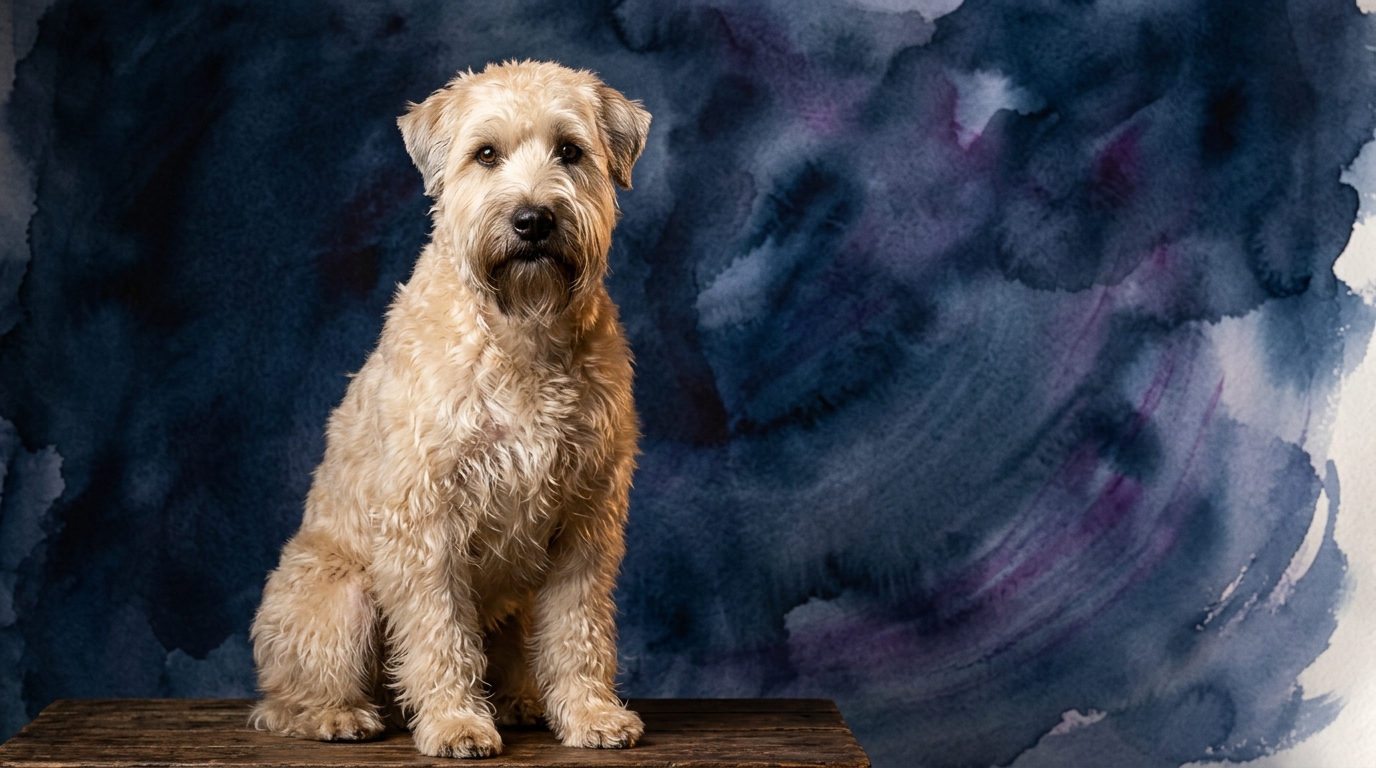
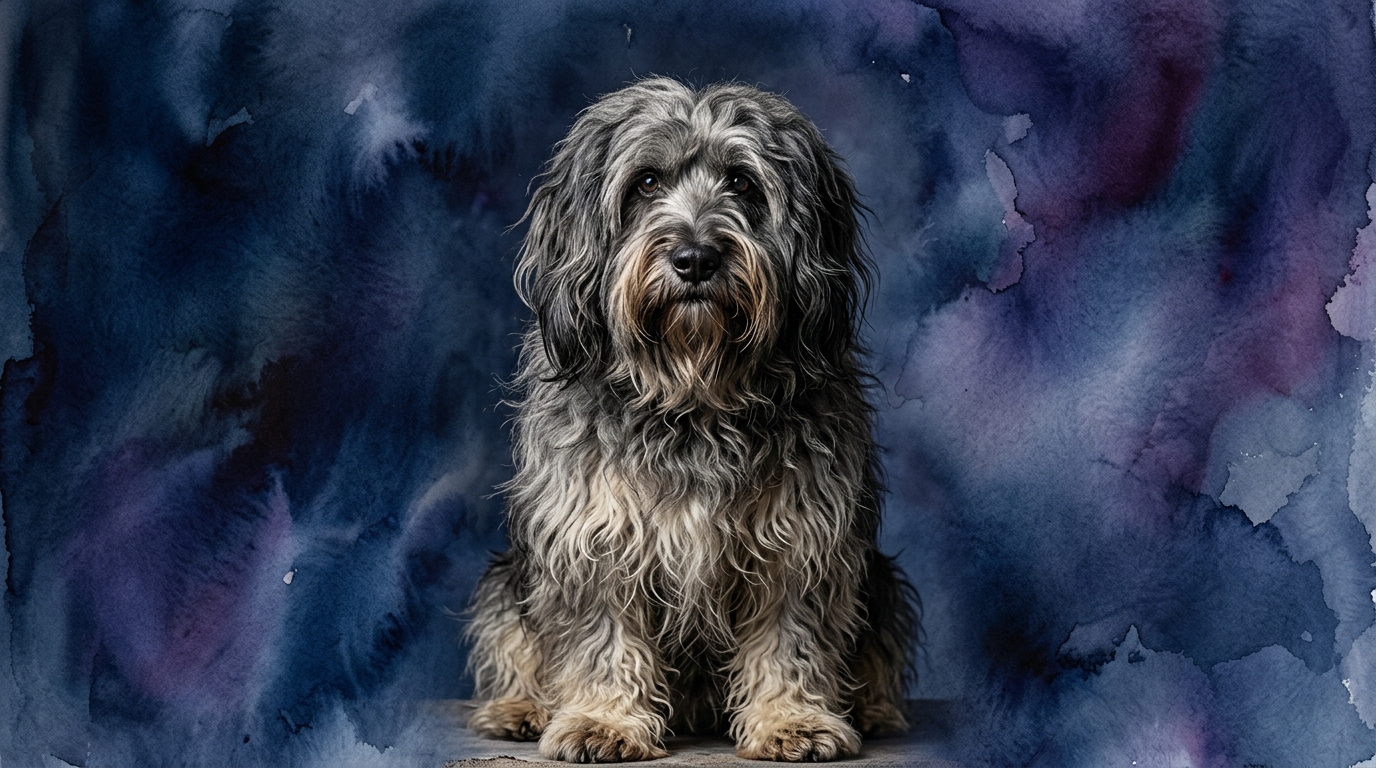
At first glance, the Soft Coated Wheaten Terrier and the Polish Lowland Sheepdog present identical scores across all five IQ dimensions: Problem Solving (3/5), Training Speed (3/5), Social Intelligence (3/5), Instinctive Drive (3/5), and Memory (3/5). However, these scores are not absolute measures but rather indicators of a breed's typical cognitive tendencies, which are profoundly influenced by their lineage and original purpose. Let's break down how these similar scores translate into distinct cognitive expressions for each breed.
**Problem Solving (3/5):** The Soft Coated Wheaten Terrier's problem-solving manifests as tenacious resourcefulness, often involving trial-and-error to outsmart obstacles for personal gain, like accessing a treat. The Polish Lowland Sheepdog, conversely, applies its problem-solving to practical, environmental management, such as navigating a space efficiently or anticipating movement, reflecting its herding heritage.
**Training Speed (3/5):** Wheatens learn commands at a respectable pace, but their independent terrier spirit means compliance can be selective, requiring engaging and positive reinforcement. PONs also learn effectively, often showing a cooperative nature, though their independent streak means they might weigh a command against their own judgment, demanding consistent, clear guidance.
**Social Intelligence (3/5):** A Wheaten's social intelligence is often expressed through overt affection and an understanding of family dynamics, using charm to communicate needs. A PON's social intelligence leans towards watchful observation and a deep awareness of household routines and the subtle emotional cues of their family, acting as a perceptive guardian.
**Instinctive Drive (3/5):** The Wheaten's drive is rooted in terrier traits: moderate prey drive, a love for digging, and enthusiastic exploration. The PON's drive is centered on herding and guarding, manifesting as a tendency to gather family members or alert to perceived threats, reflecting their ancestral role.
**Memory (3/5):** Wheatens possess a solid memory for routines, commands, and positive or negative past experiences, aiding their daily navigation and interactions. PONs also exhibit reliable recall for household rules, familiar routes, and family members, with their spatial memory likely enhanced by their herding background for maintaining order.
Where the Soft Coated Wheaten Terrier Wins Cognitively
While both breeds exhibit robust cognitive profiles, the Soft Coated Wheaten Terrier often displays a specific edge in adaptable, opportunistic problem-solving. Their terrier lineage equips them with a relentless determination to achieve individual goals, whether it's outsmarting a puzzle toy or finding a way to join the family on the forbidden sofa. This independent streak, combined with their moderate problem-solving capacity, allows them to devise creative, if sometimes mischievous, solutions to immediate challenges without constant human direction. Their social intelligence, while rated similarly, tends to be more overtly expressive and engaging within their trusted circle, making them particularly adept at eliciting specific responses from their family through charming antics or persistent requests.
Where the Polish Lowland Sheepdog Wins Cognitively
Conversely, the Polish Lowland Sheepdog often shines in forms of cognitive ability rooted in their herding and guardianship heritage. Their problem-solving, though rated identically, excels in tasks requiring spatial awareness and the management of moving parts, such as anticipating trajectories or strategically positioning themselves to influence group movement. This translates into a nuanced understanding of their environment and a proactive approach to maintaining order, a distinct advantage over the Wheaten's more individualistic problem-solving. Their social intelligence, while less overtly expressive, is often more attuned to the subtle dynamics of a group, allowing them to act as watchful, perceptive guardians who understand and respond to the collective mood of their household.
Which Is Easier to Train and Why
Determining which breed is 'easier' to train is nuanced, given their identical 3/5 training speed scores and distinct behavioral drivers. The Polish Lowland Sheepdog, with its herding background, often possesses a more inherent desire to work cooperatively with a handler and a stronger inclination towards structured tasks. They tend to be attentive and responsive to clear commands, finding satisfaction in fulfilling a role within their 'flock.' However, their independent thinking means they might question a command if they perceive a more efficient way or if it conflicts with their strong guardian instincts, requiring a trainer to be consistent and patient, demonstrating the value of compliance. The Soft Coated Wheaten Terrier, while also capable of learning quickly, often brings a spirited independence to the training process. Their terrier zest for life and sometimes stubborn nature means that while they grasp concepts, their willingness to execute might depend on their mood or the perceived fun factor. Training a Wheaten often requires more humor, variety, and positive reinforcement to keep them engaged and prevent boredom, which can lead to selective hearing. Ultimately, the PON might be more 'biddable' in traditional obedience due to their desire to cooperate, while the Wheaten requires a more creative and persistent approach to channel their independent spirit effectively.
Which Suits Active Owners vs. Structured Owners
Both the Soft Coated Wheaten Terrier and the Polish Lowland Sheepdog thrive with engaged owners, but their activity needs diverge in emphasis. The Wheaten, a spirited terrier, benefits immensely from owners who can provide consistent, varied physical activity and mental stimulation. They are ideal companions for active individuals or families who enjoy daily walks, playful romps, and engaging in dog sports like agility or earthdog trials, channeling their moderate instinctive drive. Their exuberance means they can become bored or restless without sufficient outlets, leading to undesirable behaviors. The Polish Lowland Sheepdog also requires regular exercise and mental engagement to prevent boredom. However, their activity often leans more towards purposeful work or structured walks that allow them to survey their surroundings and engage their herding instincts, even if it's just 'herding' their family on a hike. While they can enjoy vigorous play, they also appreciate opportunities for quiet observation and guarding. Therefore, the Wheaten suits owners seeking a lively, interactive companion for dynamic activities, while the PON might be a better fit for owners who appreciate a watchful, thoughtful companion and can provide structured engagement, perhaps with a slightly more relaxed pace overall but still requiring consistent mental stimulation.
The Verdict
Choose the Soft Coated Wheaten Terrier if you seek a spirited, charming companion eager for active engagement and possess a playful approach to training.
Opt for the Polish Lowland Sheepdog if you value a watchful, thoughtful companion who thrives on purposeful activity and a clear, consistent partnership.
🧠 Find Your Pet's IQ Score
Our Pet IQ Lab assessment covers 25+ tests across 5 cognitive dimensions — personalized to your breed.
Take the Full IQ Test →Frequently Asked Questions
Do Soft Coated Wheaten Terriers or Polish Lowland Sheepdogs make better family pets?
Both breeds can make wonderful family pets, but their suitability depends on the family's lifestyle. Wheatens are typically outgoing and playful, often bonding closely with all family members, while PONs are devoted to their family but can be more reserved with strangers, acting as watchful protectors.
What kind of mental stimulation do these breeds need to stay happy?
Soft Coated Wheaten Terriers benefit from puzzle toys, scent work, and training that taps into their problem-solving and independent spirit. Polish Lowland Sheepdogs thrive on tasks that engage their herding instincts, such as structured obedience, advanced trick training, or even 'herding' games with toys.
Are there significant differences in their social behavior, despite similar social intelligence scores?
Yes, while both score 3/5, their social expressions differ. Wheatens tend to be more overtly friendly and boisterous with their family and selected friends. PONs, while deeply loyal to their family, are often more reserved and observant with new people or situations, evaluating before engaging fully.