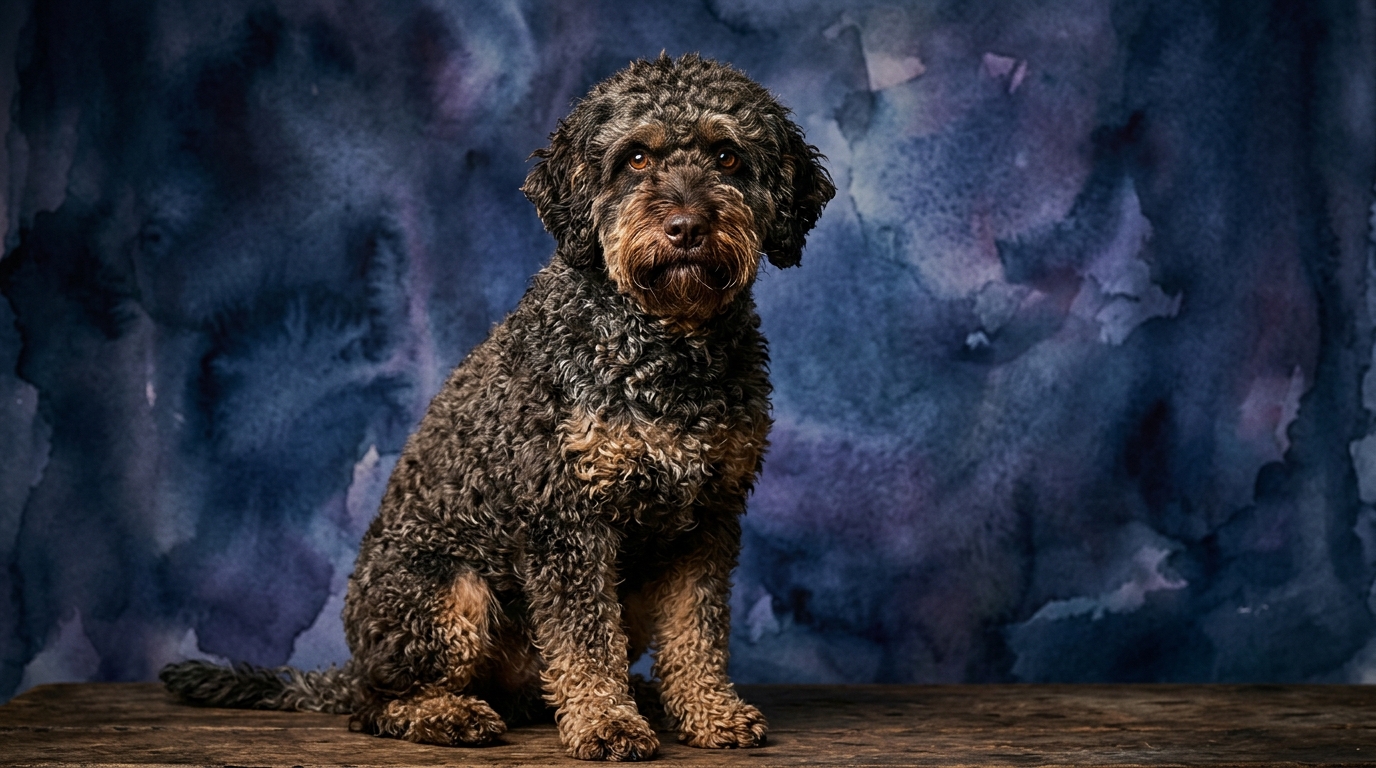
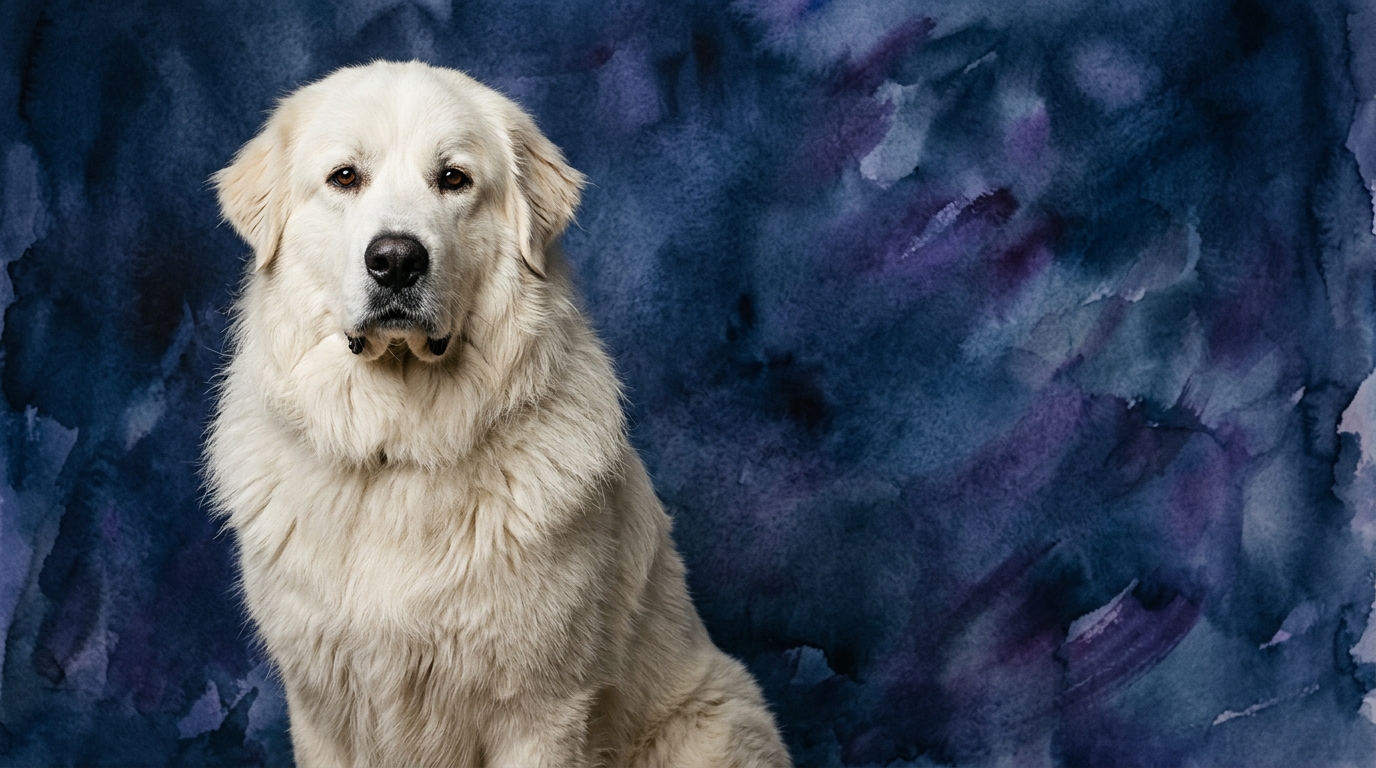
Side-by-Side IQ Profile: Unpacking the Nuances
The Cosmic Pet Pet IQ Lab assesses canine cognition across five dimensions, with both the Spanish Water Dog (SWD) and Great Pyrenees (GP) scoring a moderate 3/5 in each. However, these identical scores mask distinct cognitive expressions rooted in their breed histories. Notably, the SWD is not Coren-ranked, while the GP stands at #64, hinting at fundamental differences in their working and obedience intelligence that our detailed scores help illuminate.
For Problem Solving, the SWD’s 3/5 reflects a practical, action-oriented approach, adept at devising solutions in dynamic, fast-changing herding scenarios. Their Training Speed of 3/5 means they grasp concepts reasonably well, though their independent herding drive can sometimes lead to self-directed actions. Conversely, the GP’s 3/5 in Problem Solving manifests as strategic assessment for guardian duties, prioritizing patient, independent judgment. Their Training Speed of 3/5 highlights their independence; they learn, but compliance often depends on their perception of a command's relevance to their protective role.
In Social Intelligence (3/5), the SWD forms strong bonds and discerns friend from 'flock member,' showing reserve with strangers. The GP's 3/5 social score reflects deep family attunement, enabling vigilant protection with a stoic presence. Instinctive Drive (3/5) for the SWD is a strong herding impulse, requiring outlets. For the GP, it's a profound guardian instinct to protect territory and charges. Both breeds have a 3/5 Memory, with the SWD recalling complex patterns for versatile work, and the GP remembering individuals and threats crucial for long-term guardianship.
Where the Spanish Water Dog Excels Cognitively
The Spanish Water Dog's cognitive strengths lie in their ability to process and react to rapidly changing environments, a hallmark of their herding lineage. Their problem-solving, while rated 3/5, shines in scenarios requiring quick, agile decisions to manage moving targets or navigate complex terrains. They demonstrate a keen ability to anticipate the movements of livestock or objects, adapting their strategy in real-time. This dynamic cognitive flexibility makes them adept at tasks that demand swift adjustments and creative solutions on the fly, such as competitive dog sports like agility or herding trials.
Furthermore, their moderate instinctive drive, when properly channeled, allows for a focused engagement in tasks that satisfy their working nature. SWDs often show a strong desire to participate in activities alongside their human companions, translating their herding focus into a collaborative effort. This collaborative drive, combined with their moderate memory, means they can master intricate sequences and multi-step commands, retaining these lessons over time and applying them in varied contexts. They possess a practical intelligence geared towards active participation and responsive interaction.
Where the Great Pyrenees Excels Cognitively
The Great Pyrenees' cognitive prowess is best observed in its independent judgment and sustained vigilance, stemming from centuries of solitary livestock guarding. Their 3/5 problem-solving score is less about rapid action and more about strategic assessment and deterrent behavior. They excel at evaluating potential threats, discerning true danger from benign stimuli, and making autonomous decisions without constant human direction. This involves a sophisticated understanding of their territory and the individuals within it, allowing them to act as a calm, formidable presence.
Their moderate instinctive drive is entirely focused on protection, manifesting as an unwavering commitment to their charges. This translates into exceptional environmental awareness and a remarkable ability to maintain focus for extended periods, observing their surroundings with a quiet intensity. The Great Pyrenees' memory at 3/5 supports this long-term guardian role, enabling them to recall safe individuals, established routines, and past events that inform their protective responses. They possess a deep, independent wisdom, prioritizing the safety and stability of their 'flock' above all else.
Ease of Training: Independence vs. Engagement
Despite identical 3/5 scores for Training Speed, the practical experience of training a Spanish Water Dog versus a Great Pyrenees differs significantly due to their distinct motivations and core instincts. The Spanish Water Dog, with its herding background, often possesses an innate desire to work and engage with its human partner. While they can be independent thinkers, their moderate social intelligence and a drive to participate make them generally more receptive to structured training sessions that involve movement, problem-solving, and positive reinforcement. They tend to enjoy learning new tasks and working through challenges alongside their owner, particularly if the training taps into their natural herding or retrieving instincts.
The Great Pyrenees, conversely, presents a unique training challenge rooted in its profound independence and centuries of making autonomous decisions as a livestock guardian. While they are capable of learning and possess a moderate memory, their willingness to comply often depends on their own assessment of a command's utility or relevance to their protective duties. They are not typically driven by a strong desire to please in the same way many other breeds are. Training a Great Pyrenees requires immense patience, consistency, and a deep understanding of their guardian mindset. Owners must earn their respect and demonstrate that commands are beneficial or align with the dog's own perceived responsibilities, rather than expecting rote obedience. Their Coren rank of #64, placing them in the lowest tier for working and obedience intelligence, underscores this inherent independence, making them generally less 'biddable' than many other breeds.
Lifestyle Match: Active Engagement vs. Calm Vigilance
Matching a dog's cognitive and physical needs to an owner's lifestyle is crucial for a harmonious relationship, and here the Spanish Water Dog and Great Pyrenees diverge considerably. The Spanish Water Dog is an ideal companion for active owners who relish engaging in a variety of physical and mental activities. Their moderate problem-solving and instinctive herding drive mean they thrive when given a 'job,' whether it's participating in dog sports like agility, obedience, or herding trials, or simply engaging in vigorous daily exercise and interactive play. They require consistent mental stimulation to prevent boredom and channel their energy productively, making them unsuitable for sedentary lifestyles. An owner who enjoys training and wants a highly involved canine partner will find the SWD a rewarding match.
In contrast, the Great Pyrenees is better suited for owners who appreciate a calm, watchful, and independently minded companion. While large, they are not a high-energy breed in the sense of needing constant, intense physical exertion. Their energy is primarily directed towards vigilance, patrolling their territory, and observing their surroundings. They require space to fulfill their guardian instincts and a stable, secure environment. Owners who understand and respect their independent nature, providing consistent, low-key exercise and mental stimulation through environmental observation rather than structured, high-intensity activities, will find a devoted protector. They are content with a relaxed pace, but their minds are always active in their guardian role, making them perfect for those seeking a tranquil yet deeply committed canine presence.
The Verdict
Choose a Spanish Water Dog if you are an active owner seeking an engaged, versatile canine partner who thrives on mental and physical challenges and enjoys collaborative work.
Opt for a Great Pyrenees if you value an independent, calm, and protective companion, willing to respect their dog's judgment and provide a stable environment for their guardian instincts to flourish.
🧠 Find Your Pet's IQ Score
Our Pet IQ Lab assessment covers 25+ tests across 5 cognitive dimensions — personalized to your breed.
Take the Full IQ Test →Frequently Asked Questions
Do Spanish Water Dogs bark a lot?
Spanish Water Dogs can be vocal, especially when their herding instincts are triggered or when they perceive a need to alert their family. Consistent training and providing appropriate outlets for their energy can help manage excessive barking, but they are generally more prone to vocalization than some other breeds.
Are Great Pyrenees good with children?
Great Pyrenees are often gentle and patient with children, viewing them as part of their 'flock' to protect. Their calm demeanor and protective instincts make them generally good family dogs, though supervision is always recommended, especially with very young children, due to their large size.
Which breed is more prone to separation anxiety?
The Spanish Water Dog, being a highly social and engaged breed, can be more prone to separation anxiety if not properly habituated to being alone. Their desire for companionship and work can lead to distress when left for extended periods. Great Pyrenees, while devoted, are generally more independent and less prone to classic separation anxiety, though they need to feel their territory is secure.