Unpacking Their IQ Profiles: A Side-by-Side Look
At The Cosmic Pet Pet IQ Lab, we assess canine intelligence across five critical dimensions: Problem Solving, Training Speed, Social Intelligence, Instinctive Drive, and Memory. Interestingly, both the Spanish Water Dog (SWD) and the Miniature Pinscher (Min Pin) achieve a '3/5' rating in each of these categories. While these identical scores might suggest a cognitive parity, the true distinction lies in how these moderate abilities manifest within their unique breed contexts and historical roles.
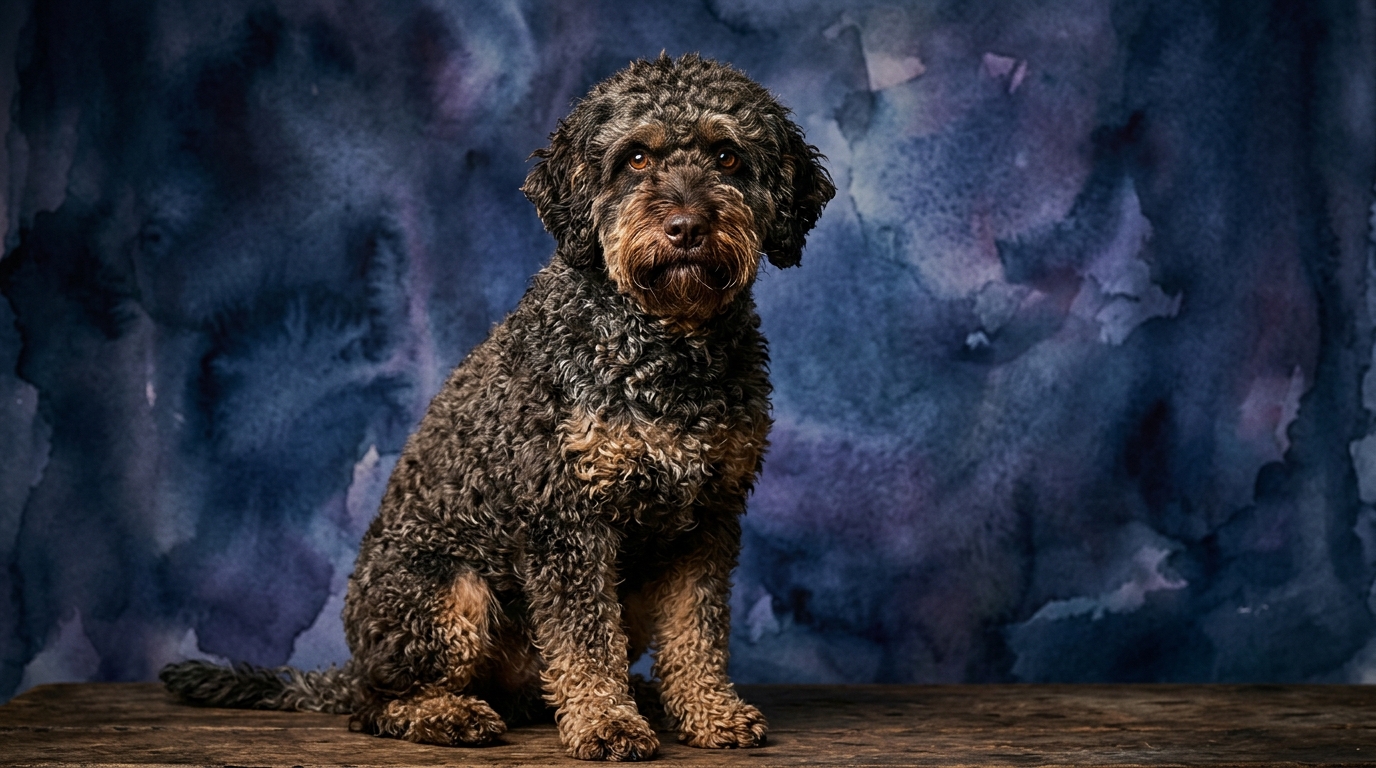
For the Spanish Water Dog, a Herding group member, a Problem Solving score of 3/5 indicates a capable mind geared towards practical, often outdoor, challenges. This manifests as an ability to assess and react to dynamic situations, such as managing livestock or navigating varied terrains. Their Training Speed of 3/5 reflects a willingness to learn coupled with an independent streak, meaning they absorb commands efficiently but may require consistent motivation and clear purpose. Social Intelligence at 3/5 suggests they are observant of their human and animal companions, often forming strong bonds with their family while maintaining a reserved demeanor with strangers. Their Instinctive Drive, also 3/5, is powerfully rooted in their herding and retrieving heritage, exhibiting a strong desire to work and a natural affinity for water. Memory at 3/5 means they retain learned behaviors and routines effectively, remembering commands and experiences over time, which is crucial for complex tasks.
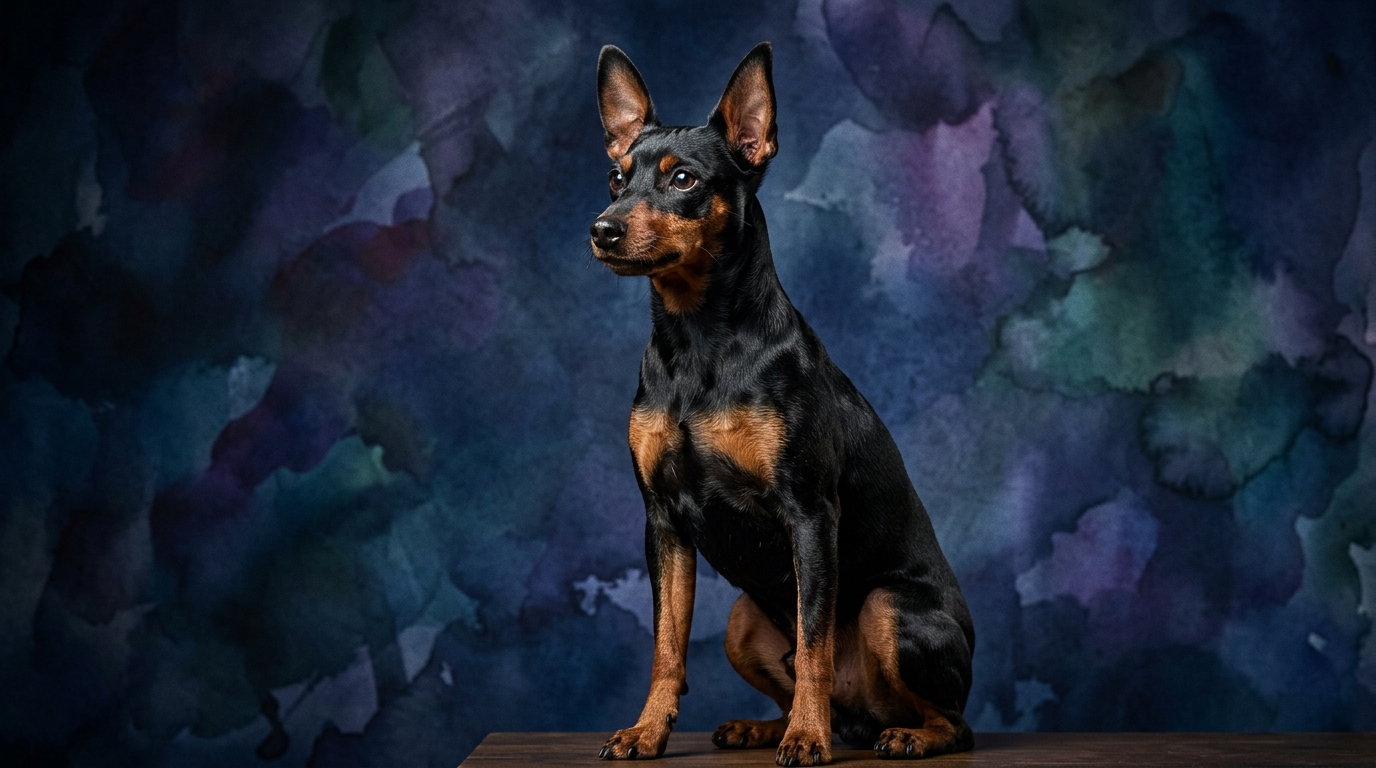
The Miniature Pinscher, a member of the Toy group, also scores 3/5 across the board, but their cognitive expression is distinctly different. Their Problem Solving at 3/5 often translates into cleverness within a domestic setting, figuring out how to access forbidden areas, manipulate objects, or gain attention. This is less about large-scale management and more about navigating their immediate human-centric world. A Training Speed of 3/5 implies they are quick to pick up new cues, especially when highly motivated by treats or praise, yet their independent and sometimes stubborn nature can make application challenging. Social Intelligence at 3/5 means they are acutely aware of their human family's moods and routines, often using this insight to their advantage, though they can be assertive or wary with unfamiliar individuals or dogs. Their Instinctive Drive of 3/5 is primarily expressed through a strong prey drive for small vermin, an innate watchfulness, and a bold, confident demeanor often termed 'king of the toys.' Memory at 3/5 ensures they quickly recall routines, desired behaviors, and where the treats are hidden, contributing to their quick wit and adaptability within their environment.
Where the Spanish Water Dog's Cognition Shines
While both breeds share a '3/5' in Problem Solving, the Spanish Water Dog excels in challenges requiring sustained focus and environmental awareness, a direct legacy of its herding background. Their cognitive strength lies in their capacity for practical, real-world application of their intellect, particularly in dynamic outdoor settings. An SWD's problem-solving might involve strategizing how to move a flock, locating a hidden object in complex terrain, or navigating obstacles with efficiency. This isn't just about quick learning; it's about applying learned information and innate instincts to achieve a goal with a broader scope than typical household puzzles. Their instinctual drive, also rated 3/5, integrates seamlessly with their problem-solving, allowing them to make independent decisions in the field rather than solely relying on human direction, a trait invaluable for a working dog.
Where the Miniature Pinscher's Cognition Excels
The Miniature Pinscher, despite identical '3/5' scores, demonstrates a distinct cognitive prowess in areas demanding quick wit, adaptability, and a shrewd understanding of human-dog dynamics. Their Problem Solving, while rated the same, often manifests as exceptional resourcefulness in manipulating their environment or their human companions to get what they want. This might involve intricate escape artistry, figuring out how to open doors or cupboards, or using various vocalizations and body language to solicit attention or treats. Their social intelligence, a 3/5, allows them to be highly observant of human emotions and routines, which they can then leverage to their advantage. This makes them particularly adept at learning household rules and routines, and, sometimes, finding clever loopholes. Their memory, also 3/5, supports this by allowing them to quickly recall which behaviors yielded desired outcomes, reinforcing their clever, sometimes mischievous, problem-solving approaches within a domestic sphere.
Training: Navigating Independence vs. Assertiveness
Assessing which breed is 'easier' to train goes beyond their identical 3/5 Training Speed scores; it delves into their inherent temperaments and motivational drivers. The Spanish Water Dog's 3/5 Training Speed means they are capable learners, quickly grasping commands. However, their herding heritage imbues them with a strong sense of independence and self-sufficiency. This can translate into a dog that, while understanding a command, might choose to evaluate its necessity or prefer to act on its own initiative, especially if the task doesn't align with its perceived purpose. Training an SWD requires patience, consistency, and making tasks engaging and purposeful to appeal to their working drive. They respond best to positive reinforcement and clear, fair leadership that acknowledges their intelligence and desire for a 'job.' Their moderate social intelligence means they are responsive to their owner but can be reserved, requiring a bond built on trust.
The Miniature Pinscher, with its matching 3/5 Training Speed, also learns quickly, particularly when motivated by high-value rewards. However, their training challenges stem from a different source: their bold, assertive personality and intense prey drive (Instinctive Drive 3/5). Often described as having a 'big dog in a small body' attitude, Min Pins can be stubborn and have a tendency to test boundaries. They require an owner who can provide firm, consistent guidance without being harsh, as they are sensitive despite their bravado. Their social intelligence, while 3/5, can make them prone to selective hearing if they perceive something more interesting or rewarding. Training a Min Pin often involves managing their strong will and ensuring they see the value in cooperating, which means making training sessions fun, varied, and highly rewarding to keep their attention and overcome their independent streak.
Matching Canine Cognition to Lifestyle: Active vs. Relaxed Owners
The cognitive profiles of these two breeds, even with identical IQ scores, clearly point to different ideal lifestyles. An owner seeking a highly active companion will find the Spanish Water Dog to be an excellent match. Their 3/5 Instinctive Drive for herding and retrieving, coupled with their practical problem-solving skills, means they thrive on physical activity and mental engagement that utilizes their natural working abilities. They are not content with short walks; they need extensive exercise, opportunities to swim, run, and engage in dog sports like agility, obedience, or even actual herding. Their memory and training speed make them excellent partners for complex activities, but their independence means an owner must be prepared to be an active participant in their training and daily life, providing purpose and structure. These dogs are best suited for owners who enjoy an active outdoor lifestyle and are willing to dedicate significant time to their dog's physical and mental stimulation, transforming their moderate cognitive abilities into impressive performance.
Conversely, while not a 'couch potato,' the Miniature Pinscher is generally better suited for owners who prefer a moderately active lifestyle, or who can provide intense bursts of activity followed by periods of rest. Their 3/5 Instinctive Drive primarily manifests as a strong prey drive and alertness, rather than a sustained need for extensive physical work like the SWD. They enjoy walks, playtime, and short training sessions that challenge their clever problem-solving and memory, but their smaller size often means their exercise needs can be met with less space and time than a Herding dog. Their social intelligence and adaptability make them excellent house companions, attentive to their family. Owners who appreciate a dog with a big personality in a small package, who can provide consistent training to manage their assertive nature, and who enjoy interactive play and indoor mental games will find the Min Pin a rewarding companion. They are ideal for individuals or families who can integrate their dog into their daily routines without needing a partner for extreme outdoor adventures.
The Verdict: Choosing Your Canine Companion
The Verdict
Choose the Spanish Water Dog if you are an active individual or family seeking a devoted, intelligent partner for outdoor adventures, dog sports, or a working role, and are prepared to engage their independent, purposeful mind with consistent training and ample mental stimulation.
Opt for the Miniature Pinscher if you desire a bold, clever, and charismatic companion who thrives on interaction within a domestic setting, can receive consistent, firm-but-fair training, and whose exercise needs align with moderate daily activity and engaging indoor mental challenges.
🧠 Find Your Pet's IQ Score
Our Pet IQ Lab assessment covers 25+ tests across 5 cognitive dimensions — personalized to your breed.
Take the Full IQ Test →Frequently Asked Questions
Do Spanish Water Dogs shed much?
Spanish Water Dogs have a unique woolly single coat that forms cords if allowed to grow out. They are considered a low-shedding breed, but their coat requires specific grooming to prevent matting, either by shaving a few times a year or cord maintenance.
Are Miniature Pinschers good with children?
Miniature Pinschers can be good with older, respectful children who understand how to interact with small, assertive dogs. Their bold nature means they may not tolerate rough play, so supervision and early socialization are crucial for positive interactions.
Which breed is more vocal?
Both breeds can be quite vocal, but for different reasons. Miniature Pinschers are often known for their alert barking due to their watch dog instincts and assertive nature. Spanish Water Dogs can also be vocal, particularly when excited or engaged in play, and may 'talk' to their owners.