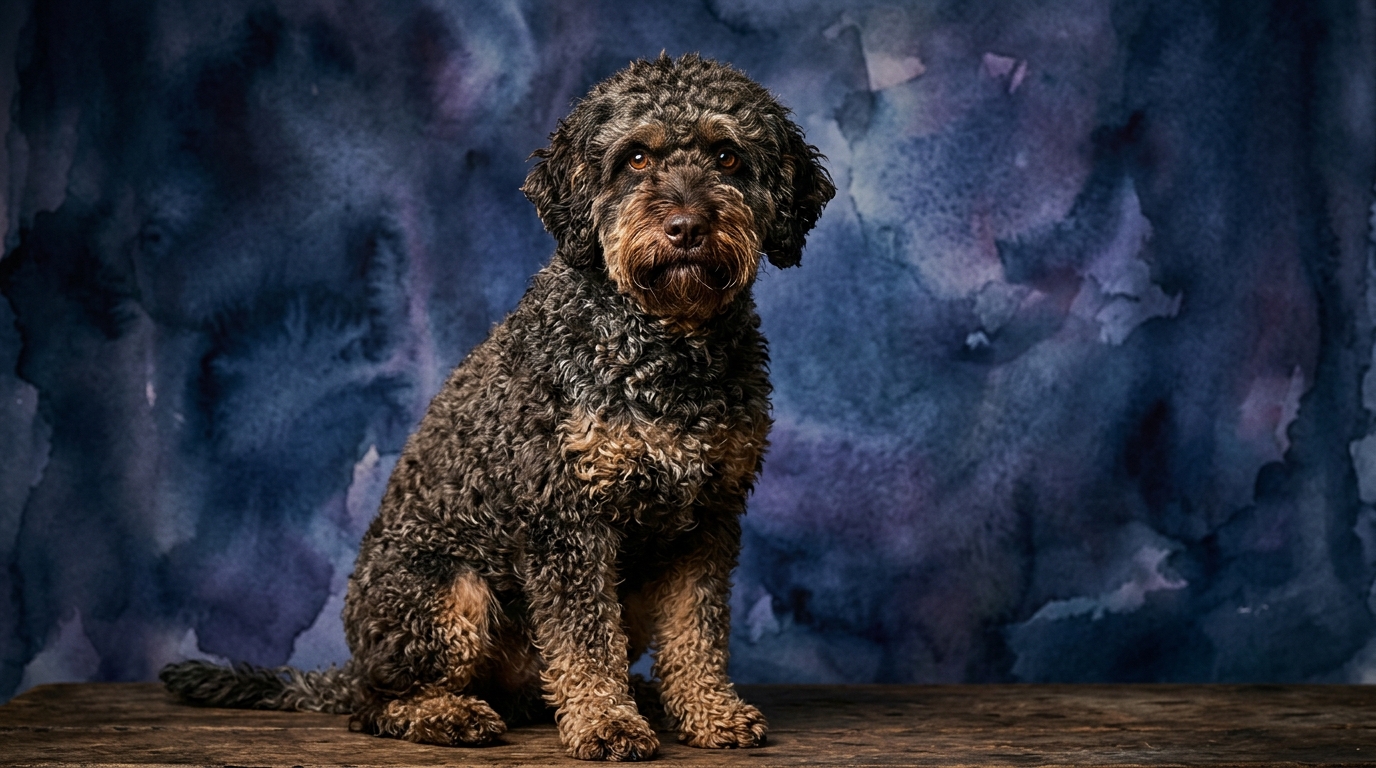
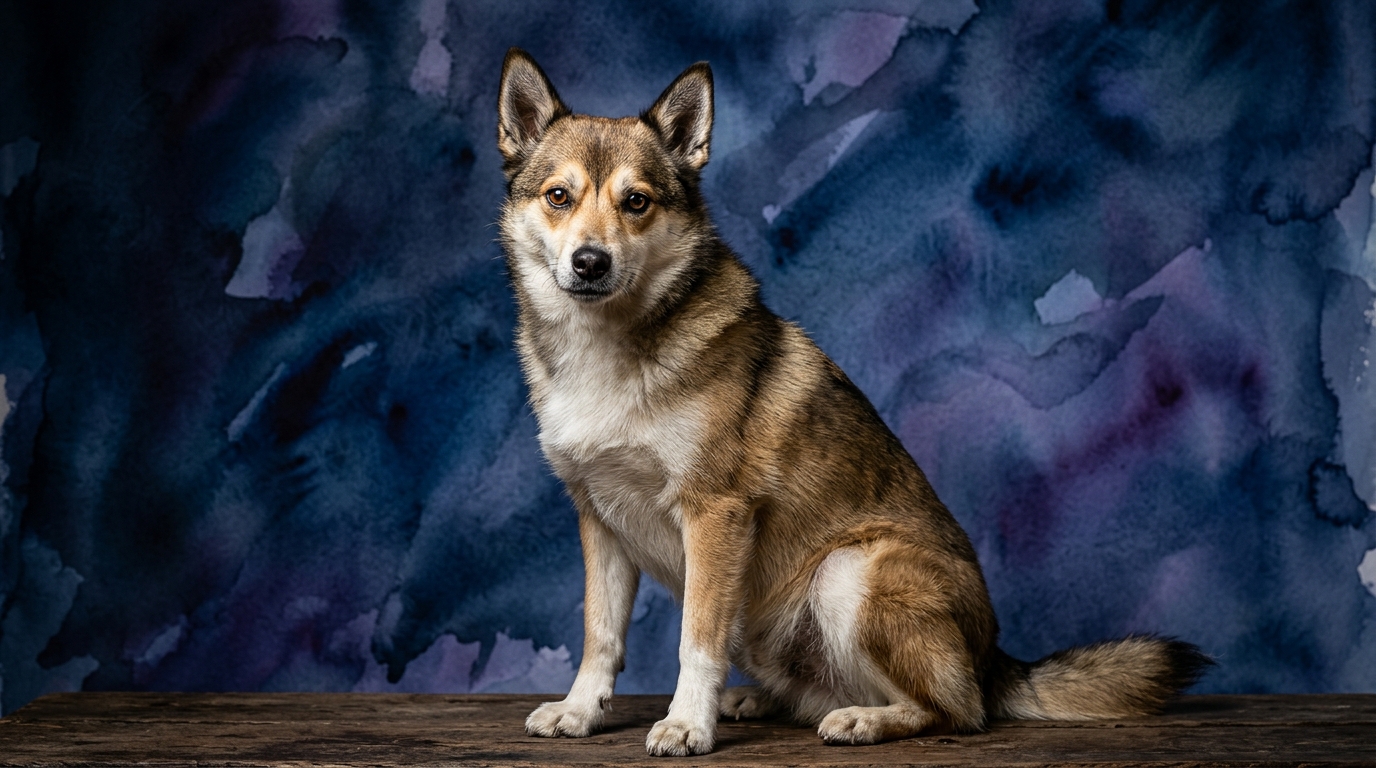
Side-by-Side IQ Profile: Spanish Water Dog vs. Norwegian Lundehund
Despite both breeds scoring 3/5 across our intelligence dimensions, their ancestral purposes dictate how these cognitive abilities are applied. Understanding these nuances helps us appreciate their unique intellectual leanings.
For the Spanish Water Dog, a 3/5 in **Problem Solving** reflects their innate capacity to assess and manage dynamic situations, such as anticipating livestock movement or navigating complex terrain to retrieve a fallen bird. Their problem-solving leans towards practical, real-world tasks requiring adaptability within a structured, cooperative environment. Their **Training Speed** at 3/5 is driven by an eagerness to engage in purposeful activities and please their handler when given a clear 'job.' While they absorb commands efficiently, their independent herding spirit means they also evaluate requests, sometimes requiring consistent motivation. Their **Social Intelligence**, rated 3/5, manifests as a deep bond with their primary human family, coupled with a cautious, sometimes reserved, demeanor towards strangers. They excel at reading their family's moods and intentions, often acting as vigilant protectors, but their social circle tends to be close-knit. A 3/5 **Instinctive Drive** encompasses a robust desire to herd, retrieve, and engage with water, reflecting centuries of working alongside humans. They possess a strong impulse to be useful, channeling this drive into tasks that provide mental and physical exertion, often displaying a tireless work ethic. Finally, their **Memory** score of 3/5 indicates a reliable capacity to recall learned commands, routines, and the intricate details of their environment, crucial for managing livestock or remembering complex retrieval patterns. They efficiently store information relevant to their working and social lives.
The Norwegian Lundehund's 3/5 in **Problem Solving** highlights their incredible resourcefulness in extreme environments. They developed strategies for hunting puffins in cliffside burrows, requiring independent thinking to find hidden entrances, scale slippery rocks, and navigate tight spaces, often without direct human guidance. A Lundehund's 3/5 in **Training Speed** is often characterized by a selective learning process; they are quick to grasp concepts that benefit them directly, but less inclined towards repetitive drills or tasks without clear personal incentive. Their ancient hunting autonomy cultivated a 'what's in it for me' attitude, making training a creative exercise in motivation rather than simple compliance. The Lundehund’s 3/5 **Social Intelligence** is marked by a strong sense of pack loyalty within their immediate family, often forming intense bonds. However, their historical isolation as independent hunters means they are typically less outwardly demonstrative or universally sociable, often preferring the company of their chosen few and approaching new interactions with a discerning reserve. Their 3/5 **Instinctive Drive** is profoundly shaped by their unique hunting heritage, manifesting as an intense prey drive, a natural inclination to climb and explore, and a strong burrowing instinct. This drive isn't necessarily about human-directed tasks but an inherent need to investigate, forage, and utilize their unique physical capabilities. For the Lundehund, a 3/5 **Memory** supports their survival as independent hunters, allowing them to recall successful hunting locations, complex routes through challenging terrain, and the specific nuances of their environment. They retain information critical for navigation, resource location, and avoiding hazards.
Where the Spanish Water Dog Wins Cognitively
The Spanish Water Dog truly shines in cognitive areas requiring cooperative problem-solving and nuanced environmental assessment within a structured, dynamic system. Their herding background means they excel at anticipating the movements of livestock, understanding complex spatial relationships in a flock, and responding to subtle human cues to manage group dynamics. This involves a sophisticated blend of observational intelligence and responsive decision-making. Their strong desire to work alongside humans also gives them an edge in tasks requiring sustained focus and a collaborative approach to achieving a shared goal, distinguishing their practical application of memory and training speed.
Where the Norwegian Lundehund Wins Cognitively
Conversely, the Norwegian Lundehund’s cognitive strengths are most apparent in independent, exploratory problem-solving within highly irregular and challenging environments. Their unique anatomy and history of hunting puffins in sea caves and cliff crevices honed an exceptional ability to navigate complex, three-dimensional spaces, remember intricate pathways, and devise novel strategies to locate prey without human intervention. Their problem-solving is less about cooperation and more about self-reliance, demonstrating remarkable adaptability and ingenuity when faced with novel obstacles. This breed's instinctive drive to explore and climb, combined with their memory, allows them to master environments where other dogs might falter.
Which is Easier to Train and Why
When considering ease of training, the Spanish Water Dog generally presents a more straightforward path for the average owner. Their herding heritage instills a fundamental desire to please their handler and engage in purposeful tasks, making them receptive to consistent, positive reinforcement. While they possess an independent streak and require clear boundaries, their motivation to work collaboratively means they often learn new commands and routines with moderate speed. The Norwegian Lundehund, by contrast, can be a greater training challenge due to their profound independence and historical lack of reliance on human direction. Their training speed is often contingent on their personal interest; they are less inclined to perform tasks simply to please and require highly engaging, reward-based methods to capture their attention and sustain their effort. Training a Lundehund demands exceptional patience, creativity, and an understanding of their inherent self-sufficiency.
Which Suits Active Owners vs. Relaxed Owners
Neither the Spanish Water Dog nor the Norwegian Lundehund are suitable for truly relaxed owners, but they require different types of activity. The Spanish Water Dog thrives with active owners who can provide consistent mental and physical stimulation, ideally through structured activities like herding, agility, or extensive walks and training sessions. Their strong instinctive drive necessitates a 'job' to prevent boredom and destructive behaviors; they need an owner who can channel their energy and intelligence into productive outlets. The Norwegian Lundehund also requires an active lifestyle, but their activity is often more self-directed and exploratory. Owners must be prepared for long walks, opportunities for safe climbing and digging, and activities that engage their keen sense of smell and independent nature. While they need physical exertion, it's less about directed tasks and more about allowing them to fulfill their innate drive to explore and investigate.
The Verdict
Choose the Spanish Water Dog if you are an active individual or family seeking a devoted, intelligent companion eager to participate in structured activities, willing to dedicate time to consistent training, and needing a canine partner for a shared purpose.
Opt for the Norwegian Lundehund if you are an adventurous owner who appreciates profound independence, can manage a strong prey drive, and is prepared to provide creative mental stimulation alongside opportunities for self-directed exploration and unique physical challenges.
🧠 Find Your Pet's IQ Score
Our Pet IQ Lab assessment covers 25+ tests across 5 cognitive dimensions — personalized to your breed.
Take the Full IQ Test →Frequently Asked Questions
Do both breeds truly have the same intelligence?
While both breeds score 3/5 across our measured cognitive dimensions, their historical purposes mean these scores manifest differently. The Spanish Water Dog's intelligence is geared towards cooperative tasks, while the Norwegian Lundehund excels at independent problem-solving in challenging, solitary environments. Their cognitive strengths are distinct in application.
What does 'Not Coren-ranked' mean for these breeds?
'Not Coren-ranked' indicates that these breeds were not included in Stanley Coren's traditional intelligence ranking system, which primarily focused on obedience and working intelligence. Our IQ lab assesses a broader spectrum of cognitive dimensions, offering a more nuanced understanding of their specific intellectual aptitudes beyond standard obedience.
Can a Norwegian Lundehund be trained for agility or other dog sports?
Yes, a Norwegian Lundehund can certainly be trained for agility and other dog sports, but it requires patience, creative motivation, and an understanding of their independent nature. They often excel in activities that leverage their climbing ability and problem-solving skills, though their drive to please a handler might be less pronounced than in other breeds.