Side-by-Side Cognitive Profiles: Herding vs. Hound Intelligence
At The Cosmic Pet Pet IQ Lab, we assess canine intelligence across five key dimensions: Problem Solving, Training Speed, Social Intelligence, Instinctive Drive, and Memory. Both the Spanish Water Dog and the Scottish Deerhound register a consistent 3 out of 5 in every category, suggesting a balanced, moderate level of cognitive function. However, the *nature* of that intelligence, how it expresses itself, diverges significantly due to their ancestral tasks.
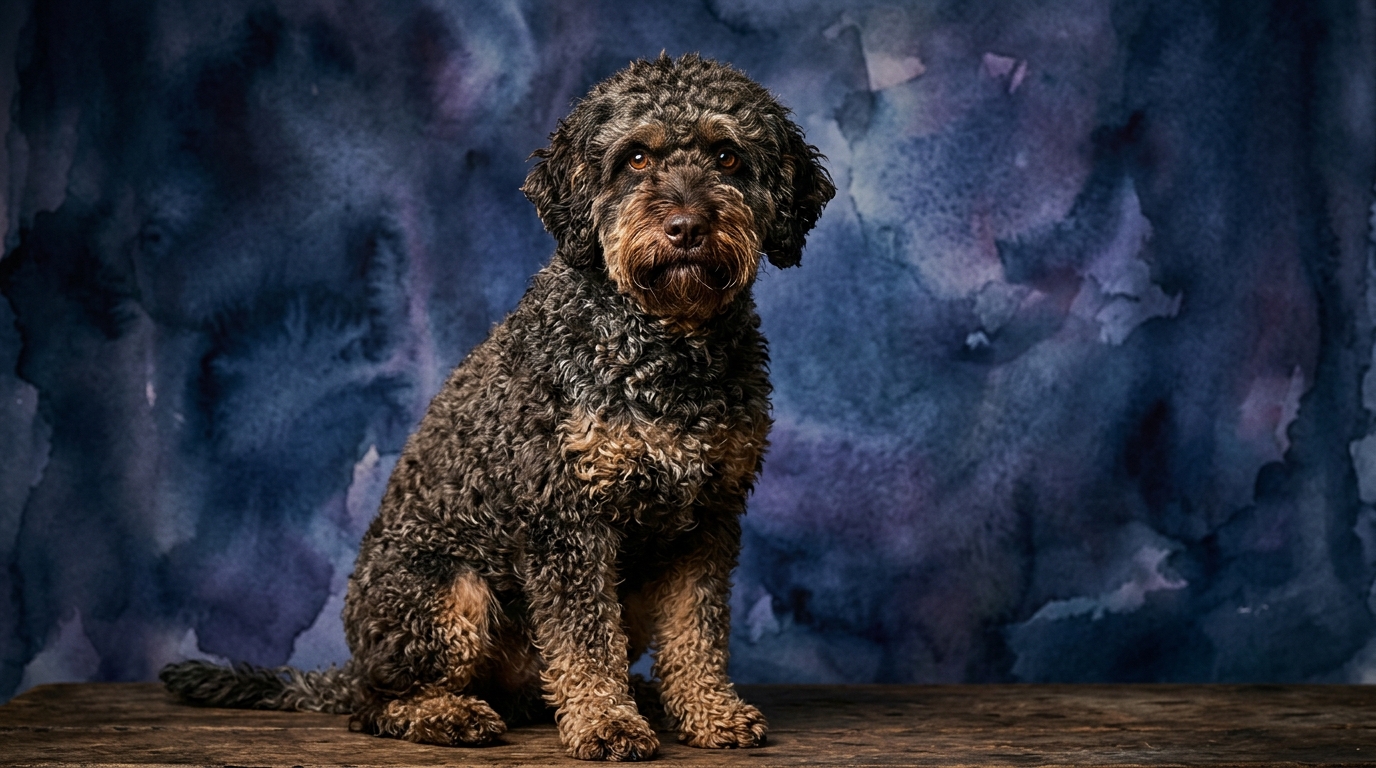
The **Spanish Water Dog (SWD)**, a member of the Herding group, exhibits a **Problem Solving** score of 3/5 that reflects their historical role in managing livestock across varied terrains, often with minimal human direction. This translates to practical, adaptive thinking, where they excel at figuring out how to maneuver animals, navigate complex environments, or even open gates to achieve a goal. Their problem-solving is often hands-on and dynamic. Their **Training Speed** at 3/5 indicates a willingness to learn and engage with their human partners, a trait beneficial for a working dog. They pick up new commands at a moderate pace, but their inherent independence, typical of herding breeds, means consistency and positive reinforcement are vital to channel their strong will. **Social Intelligence** at 3/5 means SWDs form deep bonds with their immediate families, keenly observing moods and intentions. They can be reserved with strangers, a trait stemming from their protective instincts over their 'flock' and family. Their **Instinctive Drive** of 3/5 is dominated by their herding impulse, a desire to gather and control, which can extend beyond livestock to family members or other pets. They also possess a strong retrieving instinct, particularly for water-based tasks. Finally, their **Memory** score of 3/5 is crucial for recalling complex routines, learned commands, and the locations of objects or individuals, essential for their varied working roles.
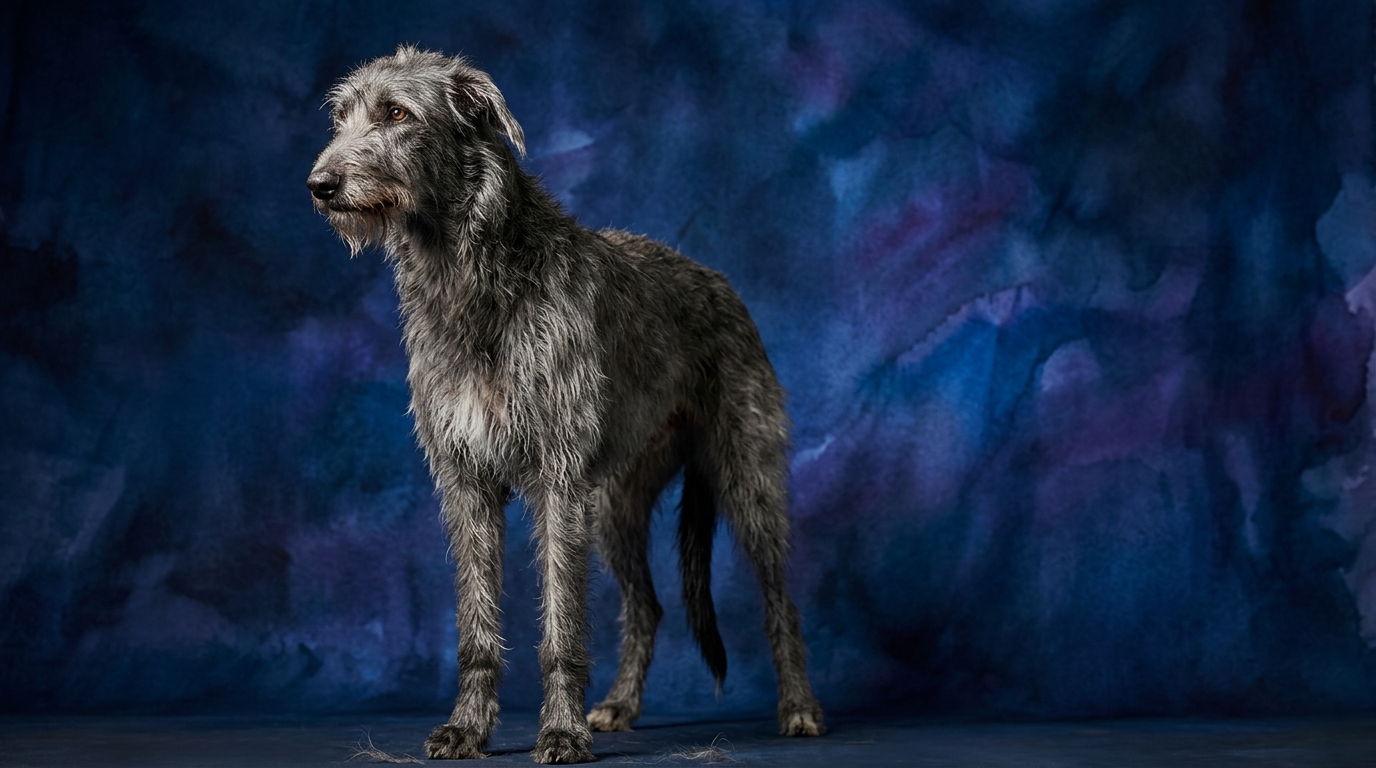
The **Scottish Deerhound (SDH)**, a noble sighthound, also scores 3/5 across the board, but these scores manifest differently. Their **Problem Solving** at 3/5 is rooted in their lineage as deer hunters, requiring them to assess vast landscapes, anticipate prey movements, and make swift, independent decisions during a chase. Their problem-solving might involve finding the most efficient path through challenging terrain or strategizing how to cut off a target, often with less direct human intervention than a herding dog. Their **Training Speed** of 3/5 means they can learn quickly when motivated, but their sighthound independence dictates that they are not always inclined towards repetitive drills. They respond best to fair, gentle, and engaging training that respects their self-directed nature, often choosing to obey based on their own assessment of the situation. **Social Intelligence** at 3/5 describes their gentle, affectionate nature with family, forming quiet, deep bonds. With strangers, they are typically reserved and dignified, preferring observation over enthusiastic greetings. Their social understanding emphasizes peaceful coexistence and subtle communication within their trusted circle. Their **Instinctive Drive** at 3/5 is powerfully influenced by their prey drive, an innate urge to chase anything that moves quickly. This drive is deeply ingrained and a primary motivator for their outdoor activities. Their **Memory** score of 3/5 aids them in recalling specific routes, familiar individuals, and established routines, vital for remembering scent trails or visual cues during a hunt, and for comfortable daily living.
Where the Spanish Water Dog Wins Cognitively
Despite identical scores, the Spanish Water Dog often demonstrates a cognitive edge in tasks requiring direct collaboration and adaptability in dynamic, handler-led situations. Their herding background fosters a capacity for nuanced responsiveness to human direction, making them adept at multi-step commands and intricate problem-solving that involves working *with* a person. For example, an SWD might more readily learn a complex agility course or a series of tricks that require precise timing and communication, leveraging their drive to engage and please their handler in a structured environment. Their cognitive strength lies in their ability to process and execute instructions that involve manipulating their environment or other entities, reflecting their historical role in guiding livestock. They excel at deciphering human intentions in a working context, making them particularly receptive to learning new tasks that directly involve their handler's input and guidance.
Where the Scottish Deerhound Wins Cognitively
The Scottish Deerhound's cognitive strengths, while also rated 3/5, shine brightest in areas demanding independent decision-making, spatial reasoning, and sustained focus over vast distances. Their sighthound heritage has honed their ability to process visual information rapidly and make autonomous choices during a chase, often without direct human instruction. For instance, a Deerhound might exhibit superior spatial awareness, navigating complex outdoor environments with an intuitive understanding of trajectories and distances, or remembering a specific scent trail from days prior. Their problem-solving is less about direct collaboration and more about self-directed strategy in pursuit. This breed excels at tasks requiring sustained, independent attention to a distant stimulus, such as tracking a moving object or surveying their surroundings with a keen, discerning eye, leveraging their natural hunting acumen.
Which is Easier to Train and Why
Determining which breed is 'easier' to train is nuanced, as both require a skilled and patient approach, but for different reasons. The Spanish Water Dog, with their strong desire to work and engage with their human partners, often *appears* more amenable to traditional obedience training. Their herding drive, while sometimes manifesting as strong-willed independence, can be channeled effectively into structured activities like agility, rally, or advanced obedience. They thrive on having a 'job' and respond well to consistent, positive reinforcement methods, quickly forming associations between actions and rewards. However, their sensitivity means harsh corrections are counterproductive, potentially leading to shutdown or avoidance.
The Scottish Deerhound, by contrast, presents a different training challenge due to their inherent sighthound independence and low motivation for repetitive tasks. While they are capable of learning, their training requires creativity, patience, and a deep understanding of their unique motivations. A Deerhound is less likely to perform simply to please their handler; they need a clear incentive, often in the form of a chase, a treat, or a comfortable resting spot. Their powerful prey drive means off-leash reliability in unsecured areas can be a lifelong challenge, as a distant moving object will often override any learned command. Training a Deerhound is about building a strong, trusting relationship and making lessons engaging and short, rather than expecting rote obedience. While the SWD might be more straightforward for a novice handler seeking a 'worker,' the SDH demands a handler who appreciates and can work with their dignified, self-possessed nature, making both equally challenging but in distinct ways.
Which Suits Active Owners vs. Relaxed Owners
The choice between a Spanish Water Dog and a Scottish Deerhound heavily depends on an owner's lifestyle and energy levels. The **Spanish Water Dog** is an ideal companion for active, engaged owners who can provide consistent mental and physical stimulation. Their background as versatile working dogs means they thrive on having a purpose and require significant daily exercise, including vigorous play, long walks, or participation in dog sports like agility, dock diving, or herding trials. They are not content to be solely couch potatoes; they need to expend their energy and engage their sharp minds. Owners who enjoy outdoor adventures, have time for training, and want a highly interactive canine partner will find the SWD to be an excellent match.
Conversely, the **Scottish Deerhound** is often described as a 'galloping couch potato.' While they require bursts of intense exercise—namely, opportunities to sprint and stretch their long legs in a securely fenced area—they are remarkably calm and relaxed indoors. They are not suited for owners seeking a constant companion for jogging or long, sustained hikes, but rather those who appreciate a dignified, quiet presence around the home. Owners must be able to provide access to a safe, expansive space for their running needs, but otherwise, they are content to lounge and observe. This breed suits owners who lead a more relaxed indoor lifestyle but can commit to providing those essential, high-intensity outdoor sprints in a safe environment, appreciating a serene, gentle giant companion.
The Verdict
Choose the Spanish Water Dog if you seek an interactive, task-oriented companion eager to participate in varied activities and thrive on consistent engagement and mental challenges.
Opt for the Scottish Deerhound if you appreciate a calm, dignified indoor presence that requires bursts of intense running in a secure space, valuing independence and quiet companionship.
🧠 Find Your Pet's IQ Score
Our Pet IQ Lab assessment covers 25+ tests across 5 cognitive dimensions — personalized to your breed.
Take the Full IQ Test →Frequently Asked Questions
Do Spanish Water Dogs bark a lot?
Spanish Water Dogs can be prone to barking, especially if not adequately exercised or mentally stimulated. Their protective instincts, stemming from their herding background, can also lead to alert barking at perceived threats or strangers, requiring consistent training to manage.
Are Scottish Deerhounds good with children?
Scottish Deerhounds are generally known for being gentle and patient with children, especially those they are raised with. Their calm demeanor indoors makes them suitable family companions, though their large size means supervision is always advised with very young children to prevent accidental bumps.
Which breed is better for apartment living?
Neither breed is ideally suited for apartment living without significant commitment. The Scottish Deerhound, despite their calm indoor nature, absolutely requires a large, securely fenced area for their essential running needs. The Spanish Water Dog's high energy and need for mental stimulation make them unsuitable for small spaces without extensive daily outdoor activity and engagement.