Side-by-Side IQ Profile: Shared Scores, Divergent Minds
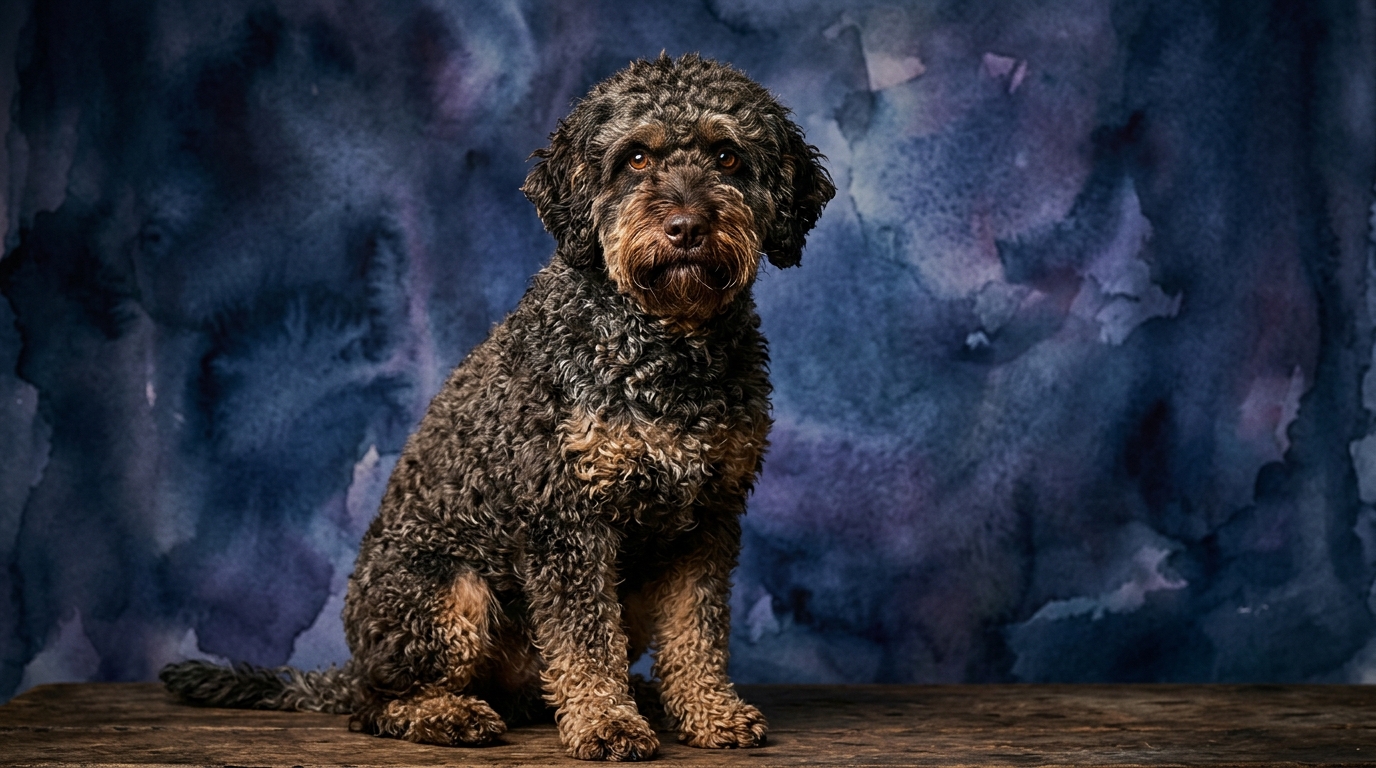
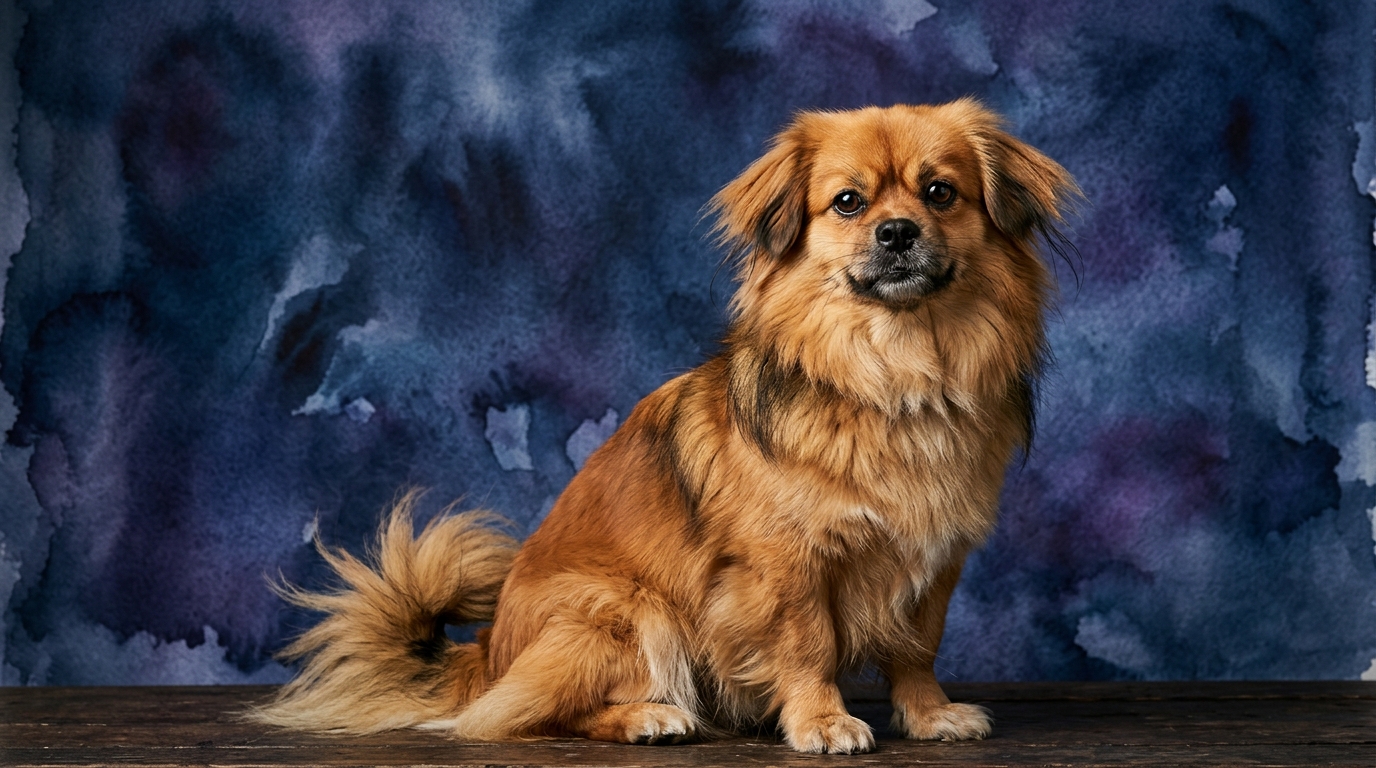
Both the Spanish Water Dog, a robust herding breed, and the Tibetan Spaniel, a watchful companion, register a consistent 3/5 across all five of our core intelligence dimensions. This numerical parity, however, masks a fascinating divergence in how these breeds manifest their cognitive abilities, shaped by centuries of selective breeding for vastly different roles. Understanding these nuances requires looking beyond the raw scores to the context of their daily lives and ancestral tasks.
For Problem Solving, both breeds demonstrate a moderate capacity to navigate novel situations or overcome obstacles. For the Spanish Water Dog, this often translates into figuring out how to manage livestock, locate lost items, or master complex agility courses, applying its intellect to tangible, often physical, challenges. The Tibetan Spaniel, conversely, might use its problem-solving acumen to devise strategies for gaining a prime spot on the sofa, manipulating a toy to its advantage, or subtly communicating its desires to its human companions. Their challenges differ, but the underlying cognitive mechanism of finding a solution remains at a similar level of proficiency.
Training Speed at 3/5 suggests both breeds learn new commands and routines at a moderate pace. The Spanish Water Dog, with its working heritage, often shows a willingness to engage in structured training, eager to understand and execute tasks, especially when a clear purpose is presented. The Tibetan Spaniel, while capable of learning quickly, might require more motivational variety and a patient approach due to its independent streak; it learns, but often on its own terms or when it perceives a clear benefit. The rate of acquisition is similar, but the approach to teaching differs significantly to achieve optimal results.
Social Intelligence, also at 3/5, indicates both breeds possess a moderate ability to interpret and respond to human and canine social cues. The Spanish Water Dog often excels at reading its handler's intentions during a task, understanding subtle shifts in body language that dictate a change in direction or pace while working. It's attuned to its working partner. The Tibetan Spaniel, on the other hand, often displays a keen sensitivity to the emotional atmosphere of its home, picking up on moods and anticipating needs for comfort or interaction. Its social intelligence is geared more towards intimate companionship and observation of its human family dynamics.
Instinctive Drive, at 3/5, highlights a moderate inherent inclination towards specific behaviors. For the Spanish Water Dog, this drive is strongly rooted in its herding and water-retrieving ancestry, manifesting as a desire to gather, chase, and work alongside humans. This instinct provides a powerful internal motivation for engagement and purposeful activity. The Tibetan Spaniel's instinctive drive, while also moderate, is predominantly focused on observation, companionship, and a certain independent watchfulness. They possess an inherent desire to be near their people, often from an elevated perch, and to alert their family to perceived changes in their environment, stemming from their historical role as temple guardians and companions.
Finally, Memory, scored at 3/5 for both, means they can retain learned behaviors, routes, and experiences with moderate reliability. The Spanish Water Dog's memory serves it well in remembering complex sequences of commands, the layout of a working area, or the faces of specific animals it's meant to herd. The Tibetan Spaniel's memory is robust for recalling daily routines, preferred sleeping spots, the location of hidden treats, and the specific habits of its family members. Both recall information effectively, but the nature of what they prioritize remembering aligns with their breed's historical function and daily life.
Where the Spanish Water Dog Wins Cognitively
While their raw scores are identical, the Spanish Water Dog often demonstrates a cognitive edge in scenarios requiring sustained, task-oriented focus and physical application of intellect. Its problem-solving capacity, when combined with its instinctive drive, makes it particularly adept at understanding and executing multi-step commands or navigating complex environments to achieve a specific outcome, such as finding a hidden object or completing an intricate agility course. This breed shows a greater propensity for channeling its cognitive energy into productive labor, often displaying an intuitive understanding of spatial relationships and herd dynamics, even without explicit training. Their memory, at 3/5, is particularly strong for recalling the sequence of actions required for a job, making them efficient learners of routines that serve a practical purpose.
Their social intelligence, while rated the same, often manifests as a strong desire for a collaborative partnership in work. They are keen to read and respond to a handler's directives during a task, making them highly responsive when given a clear objective. This collaborative spirit, rooted in generations of working alongside humans, means their moderate training speed is often amplified by their enthusiasm for engagement and their desire to please within a working context. They excel where their cognitive abilities can be directly applied to a 'job,' thriving on mental stimulation that has a tangible result.
Where the Tibetan Spaniel Wins Cognitively
The Tibetan Spaniel, despite identical IQ scores, shines in cognitive domains related to independent observation, subtle social interaction, and adapting to a domestic environment with a certain self-possessed charm. Their problem-solving at 3/5 often translates into clever strategies for navigating human-centric spaces, such as finding the warmest sunbeam, opening a cupboard door, or subtly coaxing affection. They possess a keen observational intellect, often learning by watching and internalizing the routines and behaviors of their human family without direct instruction. This makes them remarkably self-sufficient in a home setting, often requiring less direct management once established.
Their social intelligence, also at 3/5, is particularly refined in the realm of emotional nuance. Tibetan Spaniels are astute readers of human moods and subtle body language, often providing comfort or seeking interaction at precisely the right moment. They build deep, perceptive bonds with their chosen family members. Their moderate instinctive drive, focused on companionship and watchfulness, means their memory is excellent for recalling the specific preferences of their family, who gives the best belly rubs, or where the most comfortable lap can be found. They are masters of domestic diplomacy, using their cognitive skills to maintain harmony and secure their own comfortable place within the household hierarchy.
Which is Easier to Train and Why
Determining which breed is 'easier' to train is less about raw training speed (which is identical at 3/5 for both) and more about the trainer's approach and the dog's intrinsic motivations. The Spanish Water Dog, with its strong instinctive drive for purposeful activity and collaboration, often presents as more biddable when training involves tasks, jobs, or physical challenges. They thrive on having a clear purpose and respond well to consistent, structured training that taps into their desire to work. Their moderate training speed is well-supported by their eagerness to engage and their focus on the handler during a task. However, if not given sufficient mental and physical outlets, their problem-solving and drive can be channeled into less desirable behaviors, such as herding children or furniture, making training for impulse control crucial.
The Tibetan Spaniel, while equally capable of learning at a moderate pace, often requires a different training philosophy. Their independent nature, stemming from their role as observant companions rather than working partners, means they might be less inclined to blindly follow commands. Training a Tibetan Spaniel often benefits from positive reinforcement, patience, and making the learning process feel like a fun game rather than a chore. They are adept at learning routines and house rules through observation, but formal obedience might require more creative motivation. Their social intelligence allows them to understand what you want, but their independent streak means they'll decide if they want to comply, often making them appear more stubborn. They respond best to a trainer who understands their subtle cues and respects their self-possessed character, focusing on building a trusting relationship rather than demanding strict obedience.
Which Suits Active Owners vs. Relaxed Owners
The Spanish Water Dog is undeniably better suited for active owners who are prepared to provide consistent mental and physical engagement. Their 3/5 instinctive drive, rooted in herding and retrieving, mandates daily vigorous exercise and purposeful activities like agility, scent work, or advanced obedience. Owners who can channel their problem-solving and memory into complex training routines will find a highly rewarding partnership. A relaxed owner who cannot meet these needs will likely encounter a bored, potentially destructive, and cognitively frustrated companion. They excel when given a job to do and thrive on an owner who is equally enthusiastic about an active lifestyle.
Conversely, the Tibetan Spaniel is an excellent match for more relaxed owners, though 'relaxed' does not mean neglectful. While they enjoy walks and playtime, their exercise needs are moderate, aligning with their 3/5 instinctive drive for companionship and observation rather than intense physical labor. They are content to be close to their human family, observing the world from a comfortable perch, and engaging in quiet companionship. Their social intelligence and problem-solving skills are best appreciated by owners who enjoy a dog with a discerning personality, a keen awareness of its surroundings, and a capacity for subtle interaction. They thrive in homes where their independent, yet affectionate, nature is understood and respected, making them ideal for individuals or families seeking a perceptive and relatively low-maintenance companion in terms of sheer physical exertion.
The Verdict: When to Choose Each
The Verdict
Choose the Spanish Water Dog if you seek an active, engaged partner for tasks, sports, or a working role, and are prepared to provide consistent mental and physical challenges to satisfy its herding instincts and collaborative nature.
Opt for the Tibetan Spaniel if you desire a perceptive, independent, and affectionate companion who excels at subtle social interaction and thrives in a relaxed home environment where its watchful nature and charming personality are cherished.
🧠 Find Your Pet's IQ Score
Our Pet IQ Lab assessment covers 25+ tests across 5 cognitive dimensions — personalized to your breed.
Take the Full IQ Test →Frequently Asked Questions
Do Spanish Water Dogs and Tibetan Spaniels have the same intelligence?
According to The Cosmic Pet's IQ Lab, both breeds score an identical 3/5 across all five cognitive dimensions. However, how they apply these abilities differs significantly based on their historical roles and inherent breed traits, leading to distinct behavioral manifestations of their intelligence.
Which breed is better for first-time dog owners?
The Tibetan Spaniel might be a more manageable choice for first-time owners due to its generally lower exercise requirements and more adaptable nature within a home environment. The Spanish Water Dog's strong working drive demands a more experienced owner capable of consistent, structured training and ample mental stimulation.
Are Spanish Water Dogs or Tibetan Spaniels more prone to behavioral issues?
Behavioral issues in both breeds often stem from unmet needs. Spanish Water Dogs can develop destructive habits or excessive herding behaviors if not given sufficient mental and physical outlets for their instinctive drives. Tibetan Spaniels, if not properly socialized or if left alone excessively, might become overly reserved or develop 'small dog syndrome' tendencies due to their independent and watchful nature.