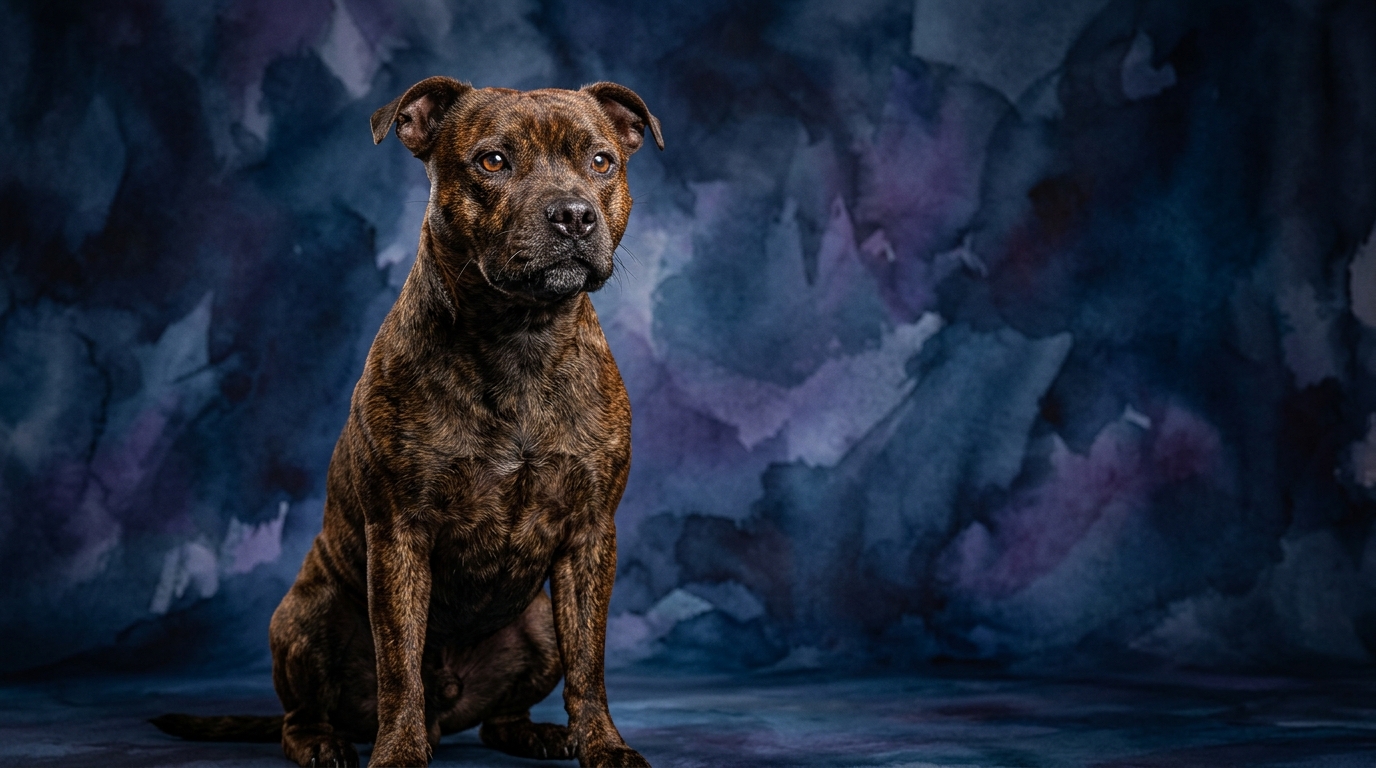
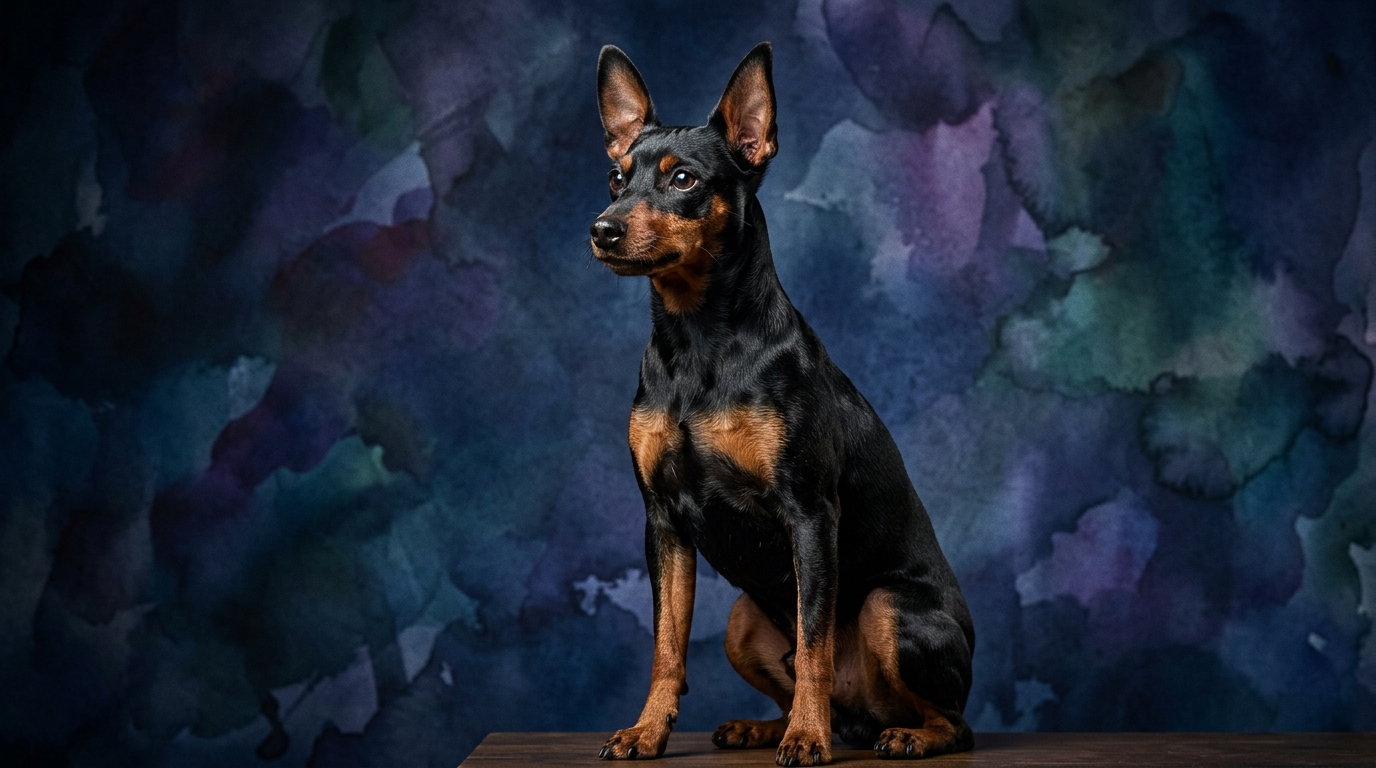
Side-by-Side IQ Profile: Identical Scores, Unique Expressions
What makes this comparison particularly intriguing is that both the Staffordshire Bull Terrier and the Miniature Pinscher register identical scores across all five dimensions of The Cosmic Pet Pet IQ Lab's assessment. Each breed scores a consistent 3 out of 5 for Problem Solving, Training Speed, Social Intelligence, Instinctive Drive, and Memory. This uniformity suggests that neither breed possesses a dramatic cognitive advantage over the other in these fundamental areas, placing them squarely in the 'average' range for each trait.
A Problem Solving score of 3/5 indicates that both breeds can learn from experience and adapt to moderately complex situations, though they won't spontaneously devise intricate solutions to novel problems. Their approach to overcoming obstacles is often direct and persistent, rather than subtly strategic.
Their 3/5 in Training Speed means they absorb new commands at a steady, average pace, neither exceptionally quick to grasp concepts nor particularly slow to catch on. For effective learning, consistency in methods and positive reinforcement are key, making gradual progress the norm.
With a Social Intelligence score of 3/5, both breeds possess a reasonable capacity to interpret human moods and social cues, and generally navigate interactions with other animals adequately. While they can understand basic social dynamics, they might benefit from structured socialization to refine their nuanced interpersonal skills.
An Instinctive Drive score of 3/5 suggests that both breeds exhibit moderate levels of inherent breed-specific drives, such as prey drive, territoriality, or guarding instincts. These drives are present and can influence behavior, but are generally manageable with appropriate guidance and training, rather than being overwhelming.
Finally, a Memory score of 3/5 indicates that both the Staffy and the Min Pin retain learned behaviors and past experiences for a satisfactory duration. Established routines and commands tend to be reliable, though occasional refreshers or consistent practice help to reinforce their learning and recall over time.
Where the Staffordshire Bull Terrier Wins Cognitively
While both share a 3/5 problem-solving score, the Staffordshire Bull Terrier's robust physical build and historical role as a companion with a tenacious spirit often mean their problem-solving manifests as determined persistence. They excel at physically working through a challenge, leveraging their strength and unwavering focus to achieve a goal, rather than subtle manipulation. For instance, a Staffy might spend considerable effort trying to move an obstruction to reach a toy, demonstrating a physical ingenuity born from their inherent drive.
In social intelligence (3/5), the Staffy's inherent desire for human connection can translate into a profound emotional attunement within their family unit. Their loyalty and affectionate nature mean they often demonstrate a deep understanding of their owner's emotional states, offering comfort or initiating play at opportune moments. This robust social bond, while scoring the same numerically, presents as an unwavering, physically expressive devotion that is deeply felt and reciprocated, making them particularly sensitive to their familiar human's disposition.
Where the Miniature Pinscher Wins Cognitively
The Miniature Pinscher, despite its identical 3/5 problem-solving score, often approaches challenges with a distinct blend of agility and cunning, characteristic of its 'King of Toys' moniker. Their smaller size and quick movements can lead them to discover more creative, less direct solutions to problems, such as navigating tight spaces or outmaneuvering obstacles with nimble precision. This might involve finding a clever route to a forbidden treat rather than brute-forcing a barrier, showcasing a more resourceful, agile problem-solving style.
Regarding social intelligence (3/5), the Min Pin's alertness and spirited nature often translate into a heightened awareness of their immediate environment and the presence of strangers. Their social cognition, while numerically equivalent to the Staffy's, expresses itself through a vigilant observation of their surroundings, leading them to quickly identify and alert their household to perceived changes or intruders. This sharp perceptiveness, though sometimes vocal, serves as an effective early warning system for their family, demonstrating a keen situational awareness.
Which is Easier to Train and Why
Both breeds register a 3/5 in training speed, indicating an average capacity for learning commands. However, the *approach* to training differs significantly. Staffordshire Bull Terriers often possess a strong desire to please their people, making them generally receptive to positive reinforcement methods centered around praise, play, and affection. Their physical robustness means early and consistent leash training is crucial, but their focus on human interaction can make them highly cooperative in structured training sessions, provided the trainer is patient and engaging and leverages their desire for connection.
Miniature Pinschers, while equally capable of learning at a 3/5 speed, bring a more independent and spirited demeanor to the training ring. Their 'what's in it for me?' attitude means they respond best to high-value rewards, engaging games, and varied training sessions to prevent boredom. They can be quick to pick up new cues but may also display a 'selective hearing' if not adequately motivated or if the training isn't stimulating enough. Their smaller size makes them easier to physically manage, but their quick wit and occasional stubbornness require a consistent, firm, and inventive training approach to maintain their interest.
Which Suits Active Owners vs. Relaxed Owners
For owners seeking a companion that balances activity with relaxation, the Staffordshire Bull Terrier often presents a harmonious blend. While they certainly thrive on regular exercise, including brisk walks, engaging play sessions, and mental stimulation, they are also famously content to curl up on the couch with their family. An active owner who enjoys daily outdoor adventures but also values a calm presence indoors will find a Staffy a suitable match, as their energy levels, while moderate, are generally adaptable to a consistent routine and a blend of activity and downtime.
The Miniature Pinscher, despite its compact size, often possesses an energy level that belies its stature, making it a better fit for more active and engaged owners. Their spirited nature demands consistent mental and physical stimulation; without adequate outlets, they can become restless or develop unwanted behaviors. Owners who appreciate frequent, shorter bursts of activity, puzzle toys, and consistent interaction to channel their keen intellect and lively demeanor will find the Min Pin a rewarding companion. They are less suited for a purely 'relaxed' lifestyle, preferring to be in the thick of things and requiring ongoing engagement.
The Verdict
Choose the Staffordshire Bull Terrier if you seek a robust, loyal companion who combines spirited play with affectionate relaxation, thriving on strong human bonds and consistent, engaging interaction.
Opt for the Miniature Pinscher if you desire a compact, energetic, and sharp-witted companion, prepared to provide consistent mental stimulation and channel their lively demeanor into positive, engaging activities.
🧠 Find Your Pet's IQ Score
Our Pet IQ Lab assessment covers 25+ tests across 5 cognitive dimensions — personalized to your breed.
Take the Full IQ Test →Frequently Asked Questions
Are Staffordshire Bull Terriers suitable companions for families with children?
With a social intelligence score of 3/5, Staffordshire Bull Terriers typically possess a good capacity for understanding social cues. Their robust and affectionate nature often makes them tolerant companions for children when properly socialized and supervised, though their strength means interactions should always be guided.
Do Miniature Pinschers tend to bark excessively?
The Miniature Pinscher's instinctive drive score of 3/5, combined with their alert nature, often means they are quick to vocalize warnings about perceived threats or changes in their environment. While this makes them effective watchdogs, consistent training and early socialization are vital to manage potential excessive barking and channel their alertness.
How does a memory score of 3/5 affect the training process for both breeds?
A memory score of 3/5 indicates that both breeds retain learned behaviors and commands for a reasonable period. For effective training, this means consistency in commands and routines is important; while they won't forget everything overnight, periodic refreshers and continued positive reinforcement will solidify their understanding and recall.