Side-by-Side IQ Profile: Unpacking Identical Scores
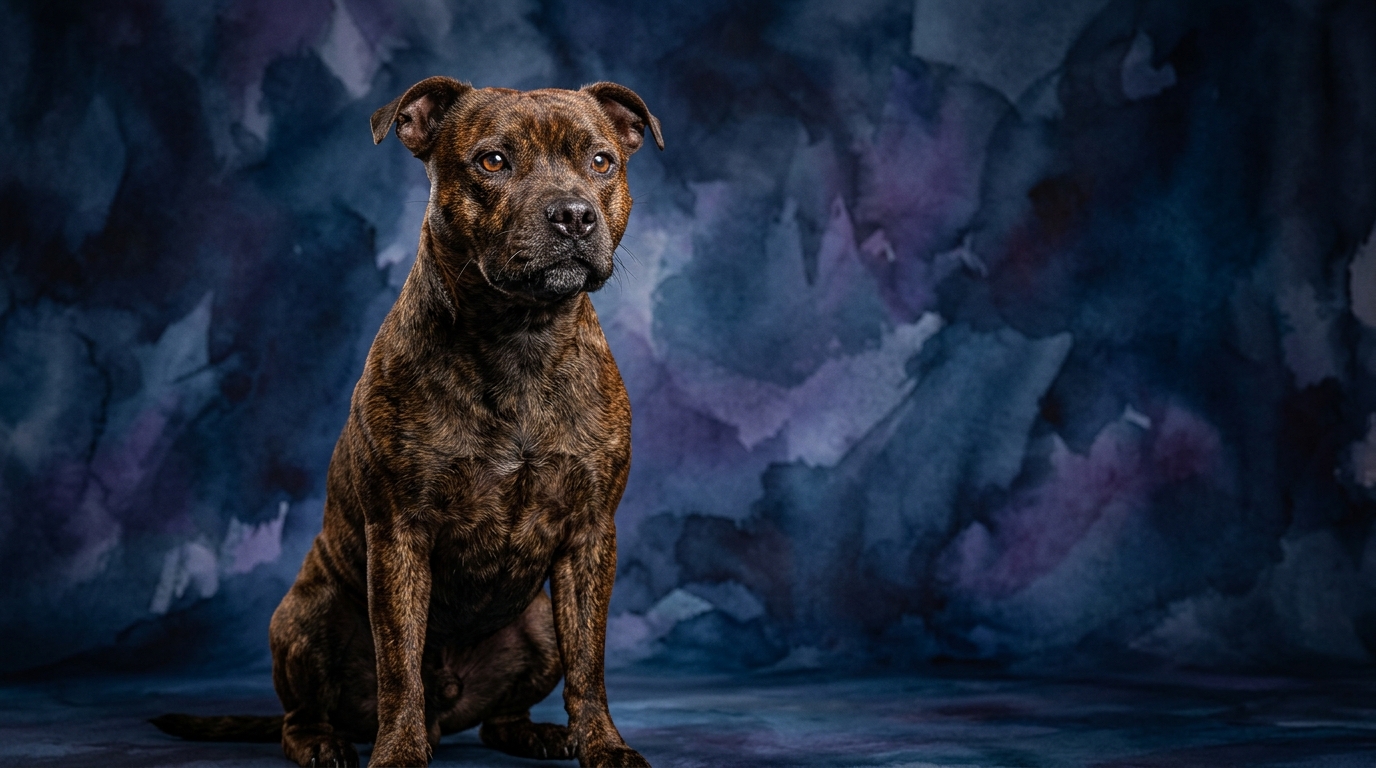
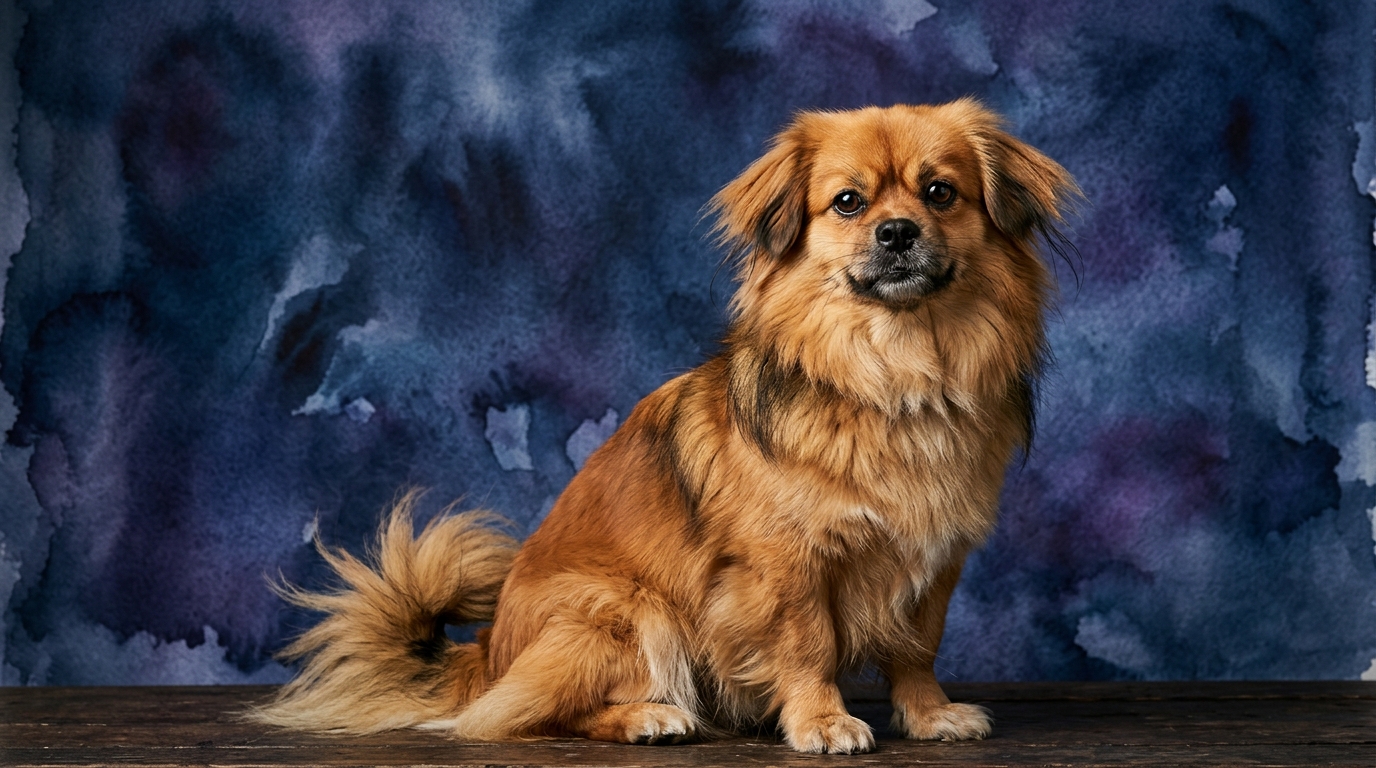
**Problem Solving (3/5):** For the Staffordshire Bull Terrier, problem-solving often involves overcoming physical obstacles to reach a desired object or engaging in robust, playful challenges. Their terrier tenacity means they typically approach problems with direct physical determination, often trying multiple straightforward approaches. The Tibetan Spaniel, conversely, may exhibit problem-solving in navigating their environment to find the best vantage point or subtly influencing their human companions. Their approach might be more observational and persistently strategic, rather than overtly physical.
**Training Speed (3/5):** Staffordshire Bull Terriers can learn new commands at a moderate pace, but their inherent enthusiasm and strong independent streak, typical of their terrier heritage, might sometimes make them appear less compliant if not properly motivated. Consistency and positive reinforcement are crucial to harness their willingness to please. Tibetan Spaniels also learn at a moderate pace, but their independent, sometimes 'cat-like' nature means they might choose to comply only if they perceive a clear benefit or if the training is sufficiently engaging. Their deep desire for companionship can be a strong motivator, but they are not inherently driven by an eager-to-please mentality.
**Social Intelligence (3/5):** Staffordshire Bull Terriers are highly attuned to human emotions and intentions, frequently forming profound bonds with their family members. They excel at reading human cues within their trusted circle, though their exuberance might occasionally be misinterpreted by strangers. Tibetan Spaniels are remarkably observant and sensitive to household dynamics. They adeptly read subtle body language and vocal tones, often adapting their behavior to fit the mood of the room. Their social intelligence is frequently expressed through watchful companionship and an innate understanding of when to offer comfort or space.
**Instinctive Drive (3/5):** The Staffordshire Bull Terrier possesses a moderate prey drive and a strong drive for interaction and energetic play. Their terrier instincts manifest in behaviors like digging, chasing, and a robust, enthusiastic engagement with their environment. The Tibetan Spaniel exhibits an instinctive drive rooted in their historical role as watchful companions and guardians. This manifests as alert barking at perceived threats, surveying their domain from elevated positions, and a strong desire to be near their human 'flock' for security and closeness.
**Memory (3/5):** Staffordshire Bull Terriers generally remember commands, routines, and past experiences with good recall. They retain both positive and negative associations with people, places, and training scenarios, which is fundamental for consistent training and effective socialization. Tibetan Spaniels also possess a good memory for routines, favored resting spots, and the daily habits of their family. They remember past interactions, both pleasant and unpleasant, which significantly shapes their future responses to various people and situations.
Where the Staffordshire Bull Terrier Wins Cognitively
Despite registering identical 3/5 scores, Staffordshire Bull Terriers often demonstrate a more direct, physically oriented problem-solving approach. Their terrier drive, while rated 3/5, frequently translates into a tenacious pursuit of a goal, whether it involves retrieving a toy from under furniture or figuring out how to access a favored sunbeam. This physical persistence, coupled with their moderate problem-solving score, makes them adept at overcoming tangible barriers. Their social intelligence, also 3/5, often manifests as an open, expressive connection with their primary caregivers, readily engaging in interactive games that require understanding human cues for play. Staffies excel in scenarios where enthusiasm and a robust, straightforward approach are beneficial, making them engaging partners in active households.
Where the Tibetan Spaniel Wins Cognitively
Tibetan Spaniels, with their identical 3/5 scores, frequently shine in more nuanced cognitive applications. Their social intelligence, while rated the same as a Staffie's, often presents as a sophisticated understanding of subtle household dynamics and human moods. They are masters of observation, often positioning themselves to survey their domain and subtly influence situations rather than directly confronting them. Their problem-solving, while not overtly physical, might involve more strategic planning to gain a comfortable spot on the sofa or to cleverly solicit attention. Their instinctive drive, also 3/5, is geared towards watchful guardianship and companionship, making them exceptionally perceptive about changes in their environment or the arrival of strangers. Tibbies excel in environments where quiet observation and subtle, strategic interaction are more effective.
Which is Easier to Train and Why
Both breeds are rated 3/5 for training speed, implying a moderate learning curve. However, their *approach* to training differs significantly. The Staffordshire Bull Terrier, while possessing a moderate independent streak typical of terriers, often has a strong desire to please their beloved owners, especially when training is framed as a fun, engaging activity. Their robust nature means they can handle more active, repetitive training sessions, and their social intelligence (3/5) allows them to quickly pick up on the enthusiasm and expectations of their trainer. They respond well to clear, consistent positive reinforcement and genuinely value the interactive process itself.
The Tibetan Spaniel, conversely, also learns at a moderate pace but can be more discerning about *why* they should comply. Their independent, somewhat 'cat-like' nature means they might weigh the immediate benefit of a command against their own comfort or desires. While they are sensitive to their owner's mood (social intelligence 3/5), they are not inherently driven by an eager-to-please mentality. Training with a Tibbie often requires more creativity, patience, and making the training feel like their idea or a mutually beneficial exchange. They can be prone to "selective deafness" if not sufficiently motivated, meaning consistency and high-value rewards are paramount to maintain their engagement and moderate memory (3/5) for commands.
Which Suits Active Owners vs. Relaxed Owners
For active owners seeking a canine companion that thrives on vigorous engagement, the Staffordshire Bull Terrier is often a fitting choice. Their moderate instinctive drive (3/5) manifests as a desire for robust play, regular walks, and mental stimulation through interactive games. They enjoy being an active participant in family life and generally possess the stamina for moderate daily exercise. Their problem-solving (3/5) often manifests in a lively, physical exploration of their environment, making them ideal for owners who enjoy structured activities like agility or obedience training that tap into their energetic nature.
The Tibetan Spaniel, while not a true couch potato, generally suits more relaxed owners. Their moderate instinctive drive (3/5) is more focused on companionship and watchful observation rather than high-energy physical output. They are content with shorter, regular walks and thrive on being close to their human family, often preferring to survey their surroundings from a comfortable lap or elevated perch. Their problem-solving (3/5) tends to be more about navigating social situations or finding the coziest spot, aligning with an owner who appreciates a quieter, observant companion who enjoys subtle interactions and a predictable home environment.
The Verdict
Choose a Staffordshire Bull Terrier when you desire an engaging, robust companion who thrives on interactive play and direct, enthusiastic connection, and you are prepared to channel their physical tenacity and moderate training speed with consistent, positive methods.
Choose a Tibetan Spaniel when you prefer a perceptive, watchful companion who offers subtle affection and thrives in a more relaxed, observant role, and you are willing to apply patient, creative training methods to engage their independent spirit.
🧠 Find Your Pet's IQ Score
Our Pet IQ Lab assessment covers 25+ tests across 5 cognitive dimensions — personalized to your breed.
Take the Full IQ Test →Frequently Asked Questions
Do identical IQ scores mean these breeds behave identically?
No, identical scores across the five dimensions indicate similar *potential* for specific cognitive functions, but their historical roles and temperaments mean these potentials manifest in distinct ways. A Staffie's 3/5 problem-solving might be physical, while a Tibbie's is more observational and strategic.
How does a Staffie's social intelligence (3/5) differ from a Tibbie's (3/5)?
A Staffie's social intelligence often expresses as open enthusiasm and deep emotional bonding within their family, demonstrating a direct connection to human cues. A Tibbie's is typically more nuanced, involving keen observation of household dynamics and subtle communication, adapting to the mood of the room.
What training approach works best for breeds with a 3/5 training speed?
For breeds with a 3/5 training speed, consistency, clear expectations, and high-value positive reinforcement are crucial. Understanding their individual motivations—whether it's a Staffie's desire for interaction or a Tibbie's need for a perceived benefit—will significantly enhance training success and engagement.