Side-by-Side IQ Profile: Standard Schnauzer vs. Bedlington Terrier
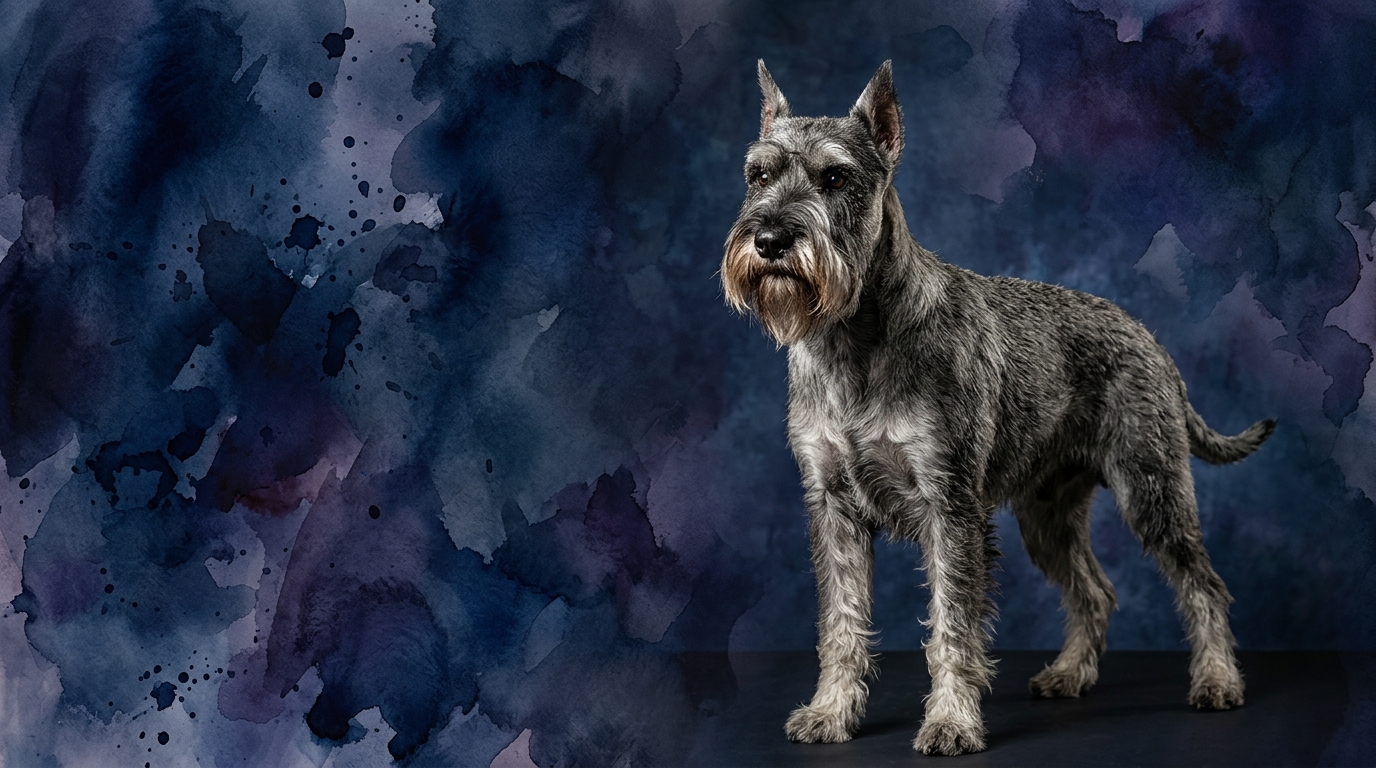
The Cosmic Pet Pet IQ Lab employs a multi-dimensional approach to assess canine intelligence, moving beyond simple obedience to understand a breed's full cognitive scope. For the Standard Schnauzer, ranked #22 by Coren, we see a profile geared towards versatile utility. Their Problem Solving is rated 4/5, indicating a strong capacity for independent thought and strategic thinking when faced with novel situations or obstacles. Training Speed also scores 4/5, reflecting their eagerness and aptitude for quickly grasping new commands and routines, making them highly responsive learners. Social Intelligence stands at 3/5, suggesting a good understanding of human cues and family dynamics, though they can be reserved with strangers. Their Instinctive Drive is 3/5, encompassing a balanced blend of protective instincts and prey drive that is typically manageable. Finally, their Memory is 4/5, enabling them to retain complex information and learned behaviors over extended periods.
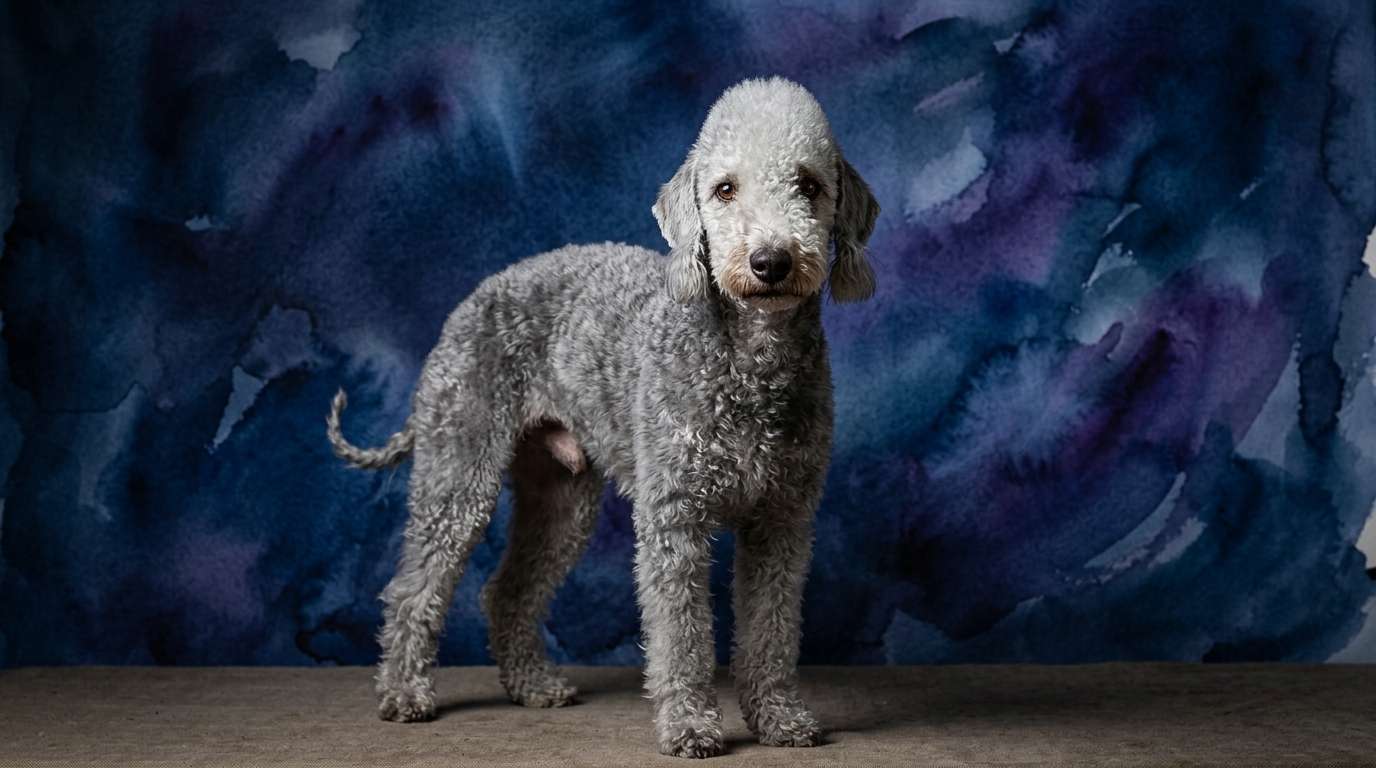
The Bedlington Terrier, while not appearing on Coren's list, presents a consistent and practical cognitive profile suited to its terrier heritage. Its Problem Solving is rated 3/5, meaning it can effectively navigate practical challenges and find solutions, often through direct action rather than elaborate strategizing. Training Speed also scores 3/5, indicating a steady learning curve that benefits from consistent, positive reinforcement, though they may not be as rapid to absorb new commands as some other breeds. Social Intelligence is 3/5, highlighting their capacity for deep bonds with their immediate family, coupled with a characteristic terrier independence. Their Instinctive Drive is also 3/5, reflecting a pronounced prey drive and a determined focus on tasks like digging or pursuit. Lastly, their Memory is 3/5, allowing them to recall learned commands and experiences reliably, provided they are reinforced.
Where the Standard Schnauzer Wins Cognitively
The Standard Schnauzer's superior Problem Solving (4/5) grants it a distinct cognitive edge. This breed is more likely to methodically assess a situation, such as devising a multi-step plan to open a tricky latch or retrieve a toy from an inaccessible location, rather than relying on trial-and-error or giving up. This capacity for analytical thought makes them adept at navigating complex environments and challenges.
Furthermore, the Schnauzer's higher Training Speed (4/5) signifies a more rapid acquisition of new behaviors and a greater enthusiasm for learning intricate command sequences. They process new information and form associations with actions more quickly, making them exceptional candidates for advanced obedience, agility, or any discipline requiring a broad and precise behavioral repertoire. Their willingness to engage in structured learning is a clear advantage.
The Schnauzer's Memory score (4/5) is another significant win. This robust ability to retain information means that commands learned months ago are less likely to be forgotten, and they can build upon a broader foundation of skills without constant re-training. This consistency in recall contributes to a highly reliable and well-mannered companion, capable of performing complex routines over time.
Where the Bedlington Terrier Wins Cognitively
While its scores are generally consistent rather than higher, the Bedlington Terrier's cognitive strengths lie in its focused, practical application of intelligence, particularly within its terrier-specific context. Its Problem Solving (3/5) is less about abstract puzzles and more about efficient, direct solutions to immediate, tangible goals. This manifests as a keen ability to navigate physical challenges, such as finding the quickest route through underbrush or efficiently locating a hidden object, prioritizing action and results over contemplation.
The Bedlington's Instinctive Drive (3/5), though shared with the Schnauzer, shines with a unique terrier tenacity. This drive, combined with its pragmatic problem-solving, makes it excel at tasks requiring sustained focus on a singular goal, like scent work, tracking, or vermin control. Their unwavering persistence and keen sensory perception are paramount here, often outperforming breeds that might overthink or become distracted by broader environmental stimuli.
Its Social Intelligence (3/5), while not outwardly demonstrative, allows for a deep, discerning bond with its chosen family. This means the Bedlington is less prone to distraction by external social stimuli, often preferring the company of its inner circle and focusing its understanding of human cues on those it trusts most. This leads to a profound, albeit sometimes reserved, connection, where their loyalty is intensely concentrated on their immediate human pack.
Which is Easier to Train and Why
The Standard Schnauzer generally presents as the easier dog to train, primarily due to its higher scores in Training Speed (4/5) and Problem Solving (4/5). Schnauzers were historically bred for working roles that demanded quick learning and attentiveness, such as herding, guarding, and ratting. They typically exhibit a more handler-focused demeanor and an eagerness to engage, which translates into a dog that picks up commands with fewer repetitions and genuinely enjoys the mental stimulation of training sessions. Their strong memory further reinforces learned behaviors, making them consistent performers.
The Bedlington Terrier, with its consistent 3/5 scores in both dimensions, requires a more patient and consistently engaging approach. Terriers, by nature, often possess an independent streak and a strong self-will; they are capable learners but their motivation is frequently tied to their own interests or immediate rewards, rather than an inherent desire to comply simply to please. Training a Bedlington often means finding creative ways to make the task intrinsically appealing to their terrier sensibilities, such as incorporating games, scent work, or chase play, and carefully managing their potential distractibility from their strong instinctive drives. Their learning might be steady and reliable, but not as rapid or consistently eager as the Schnauzer's.
Which Suits Active Owners vs. Relaxed Owners
The Standard Schnauzer is better suited for active owners who enjoy engaging their dog in various activities and mental challenges. Their higher Problem Solving (4/5), Training Speed (4/5), and Memory (4/5) mean they thrive on structured learning, advanced obedience trials, agility, and even protection work. They require consistent mental stimulation and physical exercise to prevent boredom and channel their energy constructively. An owner who can provide daily invigorating walks, regular training sessions, and interactive play will find the Schnauzer a highly rewarding and deeply engaged companion. Their moderate Instinctive Drive (3/5) means they need outlets for their energy but are generally manageable within a family setting, provided their needs are met.
The Bedlington Terrier, while possessing a moderate Instinctive Drive (3/5) itself, also benefits from active engagement, particularly activities that tap into its terrier heritage like digging, chasing, or scent work. However, its consistent 3/5 scores across the board suggest a more adaptable, though still purposeful, energy level. A Bedlington could suit an owner who is active in specific, focused ways, perhaps enjoying long walks, hiking, or dedicated playtime, but may not demand the constant, varied mental challenges a Schnauzer thrives on. Their independent nature also means they might be content with periods of self-entertainment, making them potentially suitable for owners who are active but also appreciate a dog that can settle down and amuse itself without constant direct intervention. For truly relaxed owners who prefer minimal interaction, neither breed is ideal, but the Bedlington's capacity for independent activity might marginally edge it out over the Schnauzer's more demanding engagement needs, provided its specific terrier drives are met.
The Verdict
Choose the Standard Schnauzer if you are an engaged owner seeking a highly trainable, versatile companion for advanced obedience, dog sports, or a working role, appreciating a dog that quickly grasps complex commands and thrives on mental stimulation.
Choose the Bedlington Terrier if you appreciate a unique, independent companion with a practical, tenacious intelligence for focused activities like scent work or digging, and are prepared to engage its terrier instincts with patience and creativity.
🧠 Find Your Pet's IQ Score
Our Pet IQ Lab assessment covers 25+ tests across 5 cognitive dimensions — personalized to your breed.
Take the Full IQ Test →Frequently Asked Questions
Does the Coren rank indicate overall intelligence?
The Coren rank primarily assesses "working and obedience intelligence," reflecting a breed's ability to learn and follow human commands. While a useful metric for trainability, it doesn't encompass all facets of canine intelligence, such as problem-solving in natural environments or social cognition.
How does a terrier's "instinctive drive" impact their behavior?
A strong instinctive drive, typical of terriers, means these dogs are highly motivated by their natural prey drive, often leading to behaviors like digging, chasing small animals, and a focused determination. This drive requires appropriate outlets and management to ensure it doesn't become problematic.
Can a Bedlington Terrier learn complex tasks despite not being Coren-ranked?
Absolutely. While not Coren-ranked, Bedlington Terriers possess a practical problem-solving ability and can learn complex tasks, especially when those tasks align with their natural drives or are presented in an engaging, reward-based manner. Their learning might be steadier rather than rapid, but they are capable of significant achievement.