A Side-by-Side Cognitive Profile
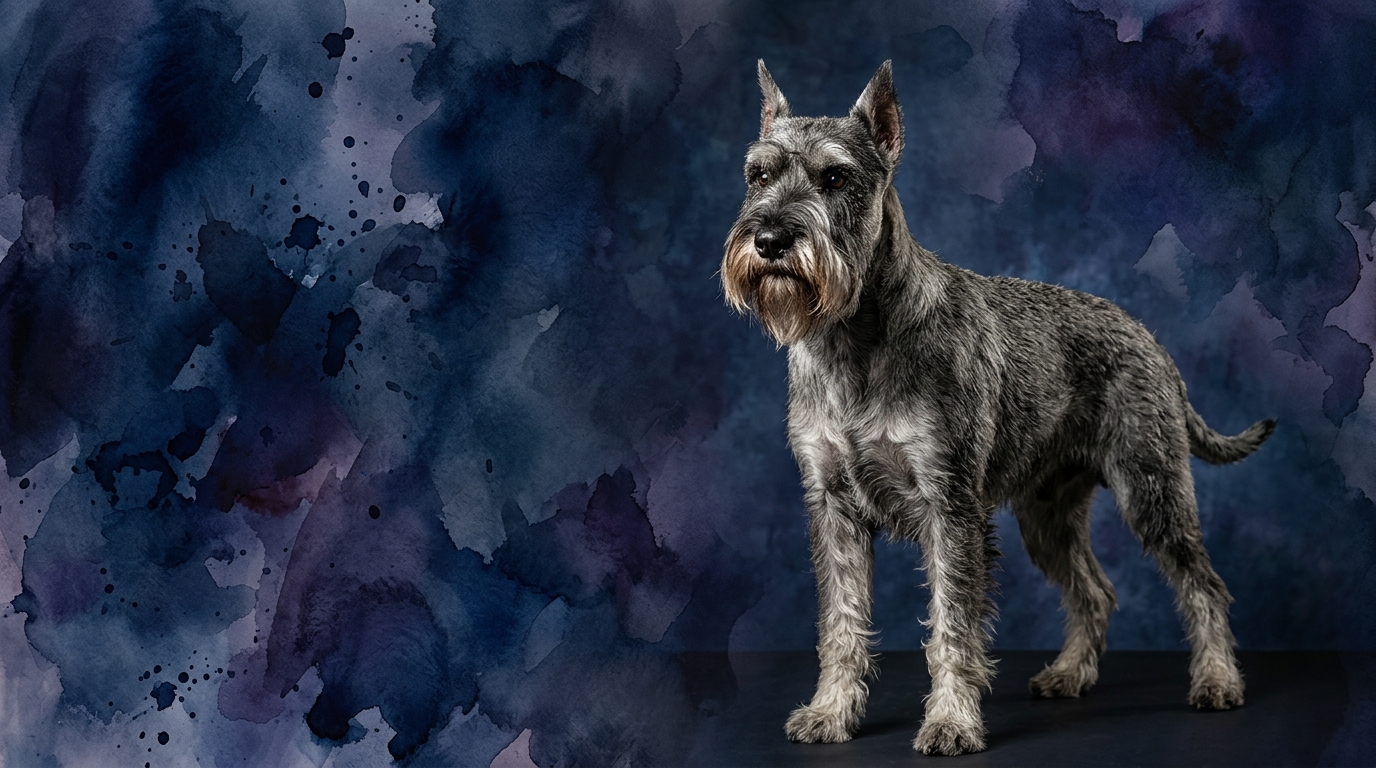
The Cosmic Pet Pet IQ Lab employs a five-dimensional framework to assess canine intelligence, offering a granular view beyond simple rankings. For the Standard Schnauzer, a breed rooted in utility, its profile reflects a robust mental aptitude for practical challenges. Its Problem Solving score of 4/5 indicates a strong capacity to analyze novel situations and devise effective solutions, a trait crucial for its historical roles as a guard dog and vermin catcher. Training Speed, also at 4/5, suggests a quick grasp of commands and routines, thriving on structured learning. Social Intelligence at 3/5 highlights an adequate understanding of human cues and social dynamics, though perhaps with a degree of independent thought. An Instinctive Drive of 3/5 points to a moderate but present inherent motivation for tasks, while Memory, at 4/5, underpins its ability to retain complex information and learned behaviors over time.
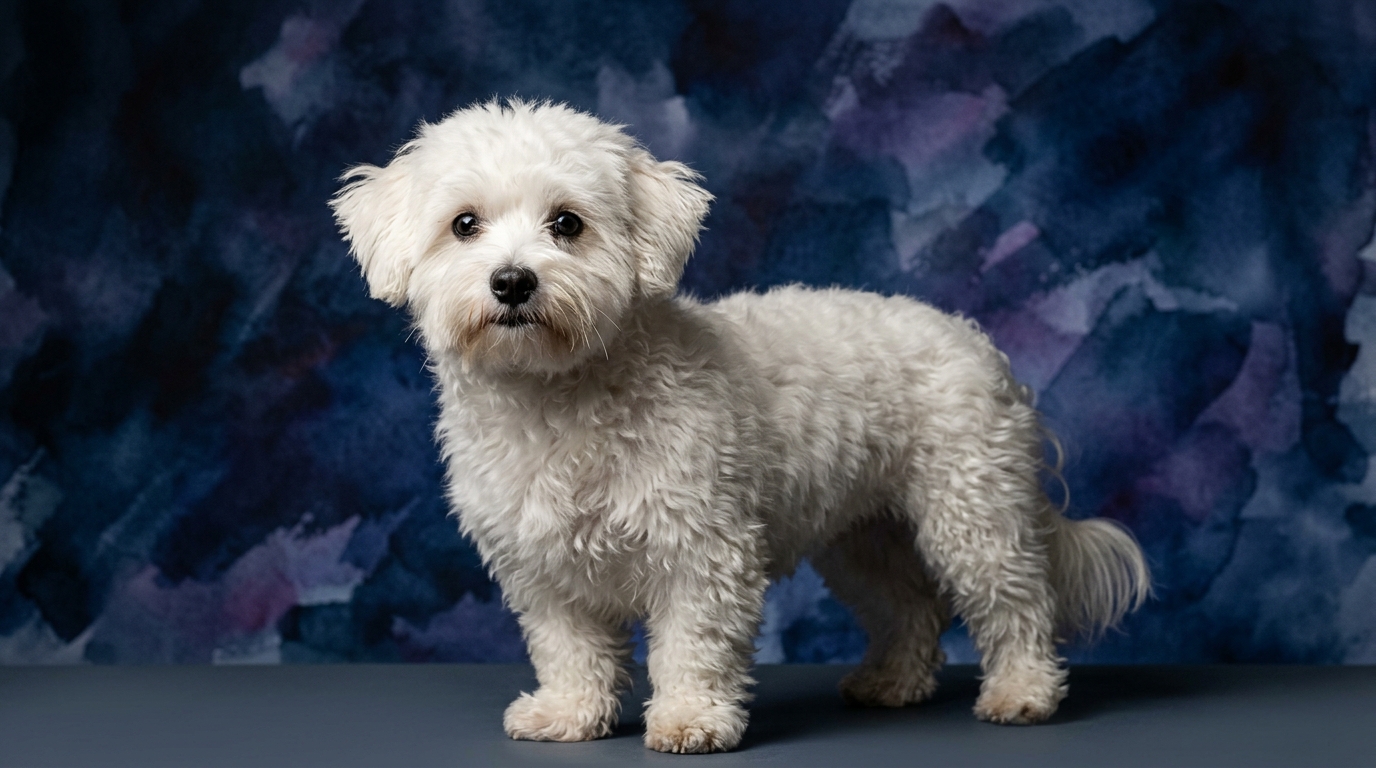
In contrast, the Coton de Tuléar, a breed cultivated primarily for companionship, exhibits a cognitive profile tailored to its role as a charming and responsive family member. Its Problem Solving score of 3/5 indicates a competent ability to navigate everyday challenges, though perhaps with less inclination for complex, abstract tasks than its working counterparts. Training Speed, also at 3/5, suggests a willingness to learn at a steady pace, responding well to positive reinforcement and consistent methods. The Coton's Social Intelligence rating of 3/5, matching the Schnauzer's, underscores its capacity for forming strong bonds and interpreting human emotions, a hallmark of a devoted companion. Its Instinctive Drive of 3/5 indicates a balanced level of innate motivations, often manifesting as playful curiosity rather than intense task focus. Finally, its Memory score of 3/5 suggests a solid ability to recall learned behaviors and routines, sufficient for thriving in a domestic environment.
Where the Standard Schnauzer Excels Cognitively
The Standard Schnauzer truly comes into its own when faced with cognitive demands requiring independent thought and sustained mental effort. Its Problem Solving score of 4/5 isn't just a number; it reflects a breed that actively seeks to understand and overcome obstacles. This manifests in their ability to figure out puzzle toys designed for higher difficulty, or to navigate complex obedience courses with minimal guidance once the parameters are set. They don't just follow commands; they often seem to anticipate the next step or even find shortcuts, demonstrating a proactive approach to learning and task completion.
Coupled with a Memory score of 4/5, the Schnauzer's capacity for retaining information is impressive. This isn't just about remembering basic commands, but recalling intricate sequences of actions, specific locations of hidden objects, or the nuances of a multi-step routine. An owner might find their Schnauzer remembering a trick learned months ago with little refresher, or recalling a specific path through a new park after only one visit. This robust memory, combined with their quick Training Speed (4/5), means they can build an extensive repertoire of skills and behaviors, making them exceptional candidates for advanced obedience, agility, or even scent work where consistent recall of learned patterns is paramount. Their cognitive wins are rooted in a history of needing to adapt and perform under varying conditions, fostering a resilient and capable mind.
Where the Coton de Tuléar Shines Cognitively
While the Coton de Tuléar's cognitive scores might not reach the peaks of a working breed like the Schnauzer, its specific strengths lie in areas that make it an extraordinarily adaptable and emotionally attuned companion. Its Social Intelligence, rated at 3/5, is particularly effective in a home environment. This isn't about solving complex puzzles, but about finely tuning into human emotional states, responding to subtle shifts in tone or body language, and providing comfort or engaging in play precisely when desired. Their cognitive 'win' here is their profound ability to integrate seamlessly into a family's emotional landscape, often displaying an intuitive understanding of their owner's moods.
The Coton's Problem Solving at 3/5, combined with its 3/5 Training Speed and Memory, means it possesses a practical intelligence perfectly suited for its companion role. They are adept at learning household routines, understanding boundaries, and navigating the social intricacies of a multi-person or multi-pet home. They might not be designing escape routes, but they're figuring out how to get attention, how to initiate play, or how to subtly encourage a treat. Their cognitive efforts are often directed towards enhancing their social connection and comfort, making them masters of domestic harmony. Their adaptability allows them to thrive in various living situations, from bustling family homes to quieter settings, demonstrating a flexible cognitive approach to their immediate environment rather than an intense drive for external tasks.
Training Easiness: Schnauzer's Drive vs Coton's Affection
When it comes to ease of training, the Standard Schnauzer generally presents a more straightforward path for experienced trainers, thanks to its higher Training Speed (4/5) and robust Memory (4/5). These dogs often grasp new concepts quickly and retain them for the long term. Their working background means they typically possess a natural inclination to engage in structured activities and find satisfaction in completing tasks. However, this very drive means they can also be independent thinkers, sometimes requiring firm, consistent guidance to channel their cognitive energy effectively. A Schnauzer's training might involve more mental gymnastics from the owner to keep the sessions fresh and challenging, lest boredom lead to self-directed (and potentially unwanted) problem-solving.
The Coton de Tuléar, with a Training Speed of 3/5 and Memory of 3/5, learns at a steady, reliable pace. They are generally eager to please and highly motivated by positive reinforcement, especially when it involves praise and affection from their beloved humans. Their 'easiness' in training stems from their desire for connection and their less intense instinctive drives, which often translate into fewer stubborn outbursts compared to some working breeds. Real behavioral differences include the Coton's tendency to be more sensitive to harsh corrections, thriving instead on gentle encouragement and consistency. While they might not pick up complex sequences as rapidly as a Schnauzer, their willingness to cooperate and their focus on their human's approval make them very rewarding to train for basic obedience and charming tricks, fostering a strong bond in the process.
Matching Canine Cognition to Owner Lifestyles
For active owners seeking a canine partner with considerable mental horsepower, the Standard Schnauzer is often an excellent fit. Their Problem Solving (4/5) and Instinctive Drive (3/5), coupled with their physical stamina, mean they thrive when given regular opportunities for mental engagement alongside physical exercise. These are dogs that excel in dog sports like agility, obedience trials, or even tracking, where their ability to learn complex sequences, remember instructions, and apply problem-solving skills is consistently challenged. An active owner for a Schnauzer isn't just someone who enjoys long walks; it's someone who delights in teaching new commands, setting up brain games, and providing a varied schedule that prevents mental stagnation. They need an owner who can appreciate and direct their significant cognitive capabilities.
Conversely, the Coton de Tuléar's cognitive profile aligns beautifully with more relaxed owners who prioritize companionship and a harmonious home life. While they certainly benefit from regular play and mental stimulation, their needs are generally less intense and more focused on interactive, social activities. Their balanced Problem Solving (3/5) and Instinctive Drive (3/5) mean they are content with puzzle toys of moderate difficulty, engaging in fun trick training sessions, or simply being involved in their owner's daily routines. A relaxed owner for a Coton is someone who enjoys their dog's presence, provides consistent affection, and offers gentle, positive reinforcement for good behavior. They appreciate a dog whose cognitive efforts are largely directed towards maintaining a happy, connected household rather than an external 'job' or demanding intellectual pursuits.
The Verdict
Choose the Standard Schnauzer if you are an active owner seeking a highly capable, mentally agile partner for dog sports, advanced training, and a dynamic lifestyle.
Opt for the Coton de Tuléar if you desire a charming, adaptable companion whose cognitive strengths lie in social attunement and fostering a loving, harmonious home environment.
🧠 Find Your Pet's IQ Score
Our Pet IQ Lab assessment covers 25+ tests across 5 cognitive dimensions — personalized to your breed.
Take the Full IQ Test →Frequently Asked Questions
Are Standard Schnauzers prone to being 'too smart' for their owners?
Standard Schnauzers possess significant problem-solving abilities and memory, which means they can quickly learn both desired and undesired behaviors. Owners need to provide consistent mental and physical stimulation to channel this intelligence positively, preventing boredom that could lead to independent, often mischievous, problem-solving.
Do Coton de Tuléars require much mental stimulation despite lower scores?
Yes, Coton de Tuléars still require mental stimulation to stay happy and engaged, though their needs are generally less intense than working breeds. Interactive play, moderate puzzle toys, and consistent positive-reinforcement training for tricks and obedience are beneficial for their well-being and cognitive health.
How do their social intelligence ratings impact their family life?
Both breeds have a 3/5 social intelligence rating, meaning they are capable of forming strong bonds and understanding human cues. The Schnauzer's social intelligence often complements its working drive, making it a loyal, observant family member. The Coton de Tuléar's social intelligence is central to its role as a dedicated companion, allowing it to adapt seamlessly to family dynamics and provide emotional comfort.