Side-by-Side Cognitive Profile
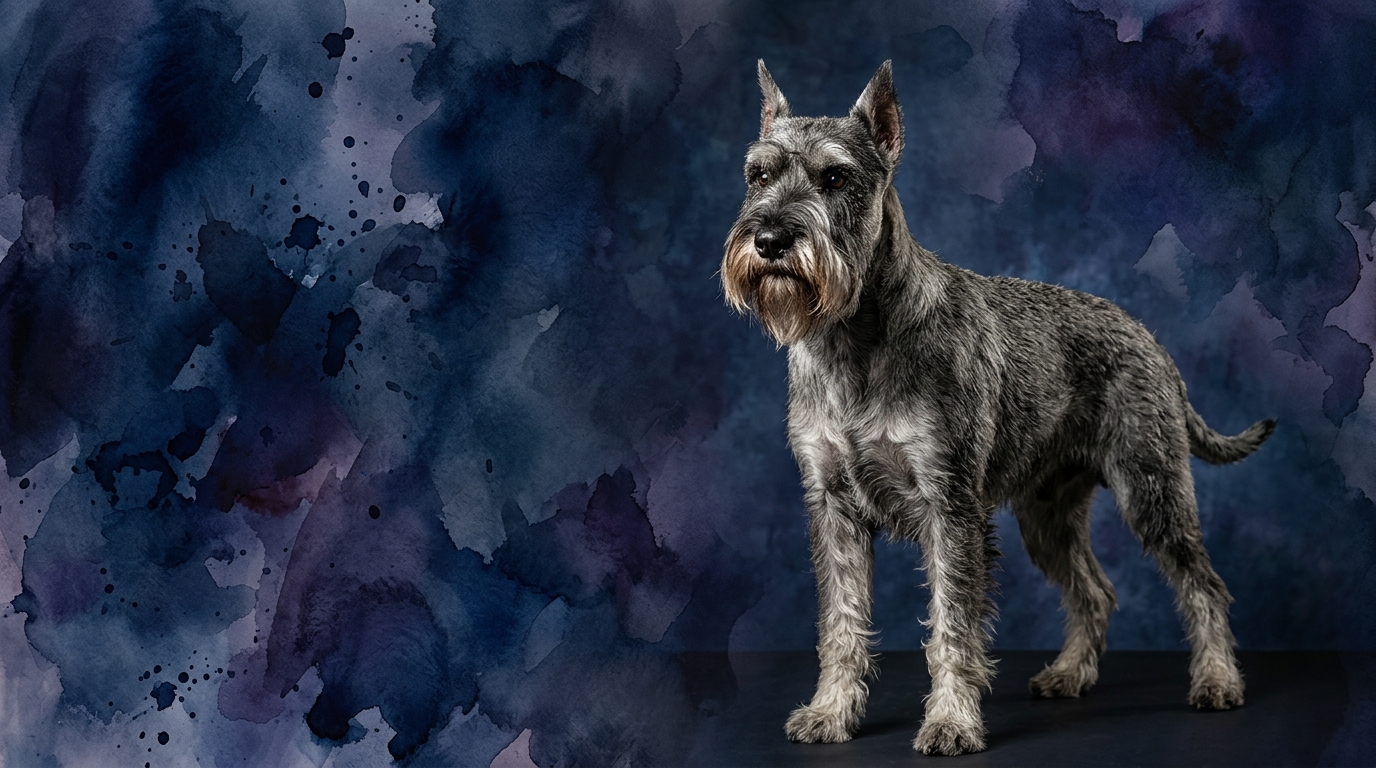
The Standard Schnauzer, a robust working dog, showcases a keen cognitive profile. With a Problem Solving score of 4/5, they demonstrate an aptitude for navigating novel situations and figuring out solutions. Their Training Speed, also at 4/5, indicates a quick grasp of new commands and procedures, eager to engage with learning. Social Intelligence at 3/5 suggests they are observant of human cues but might prioritize their own focus over nuanced group dynamics. An Instinctive Drive of 3/5 reflects a purposeful nature, often channeling their energy into tasks, while their Memory at 4/5 ensures they retain learned information and experiences effectively. This breed’s overall cognitive agility contributed to its Coren ranking of #22 among dog breeds for working intelligence.
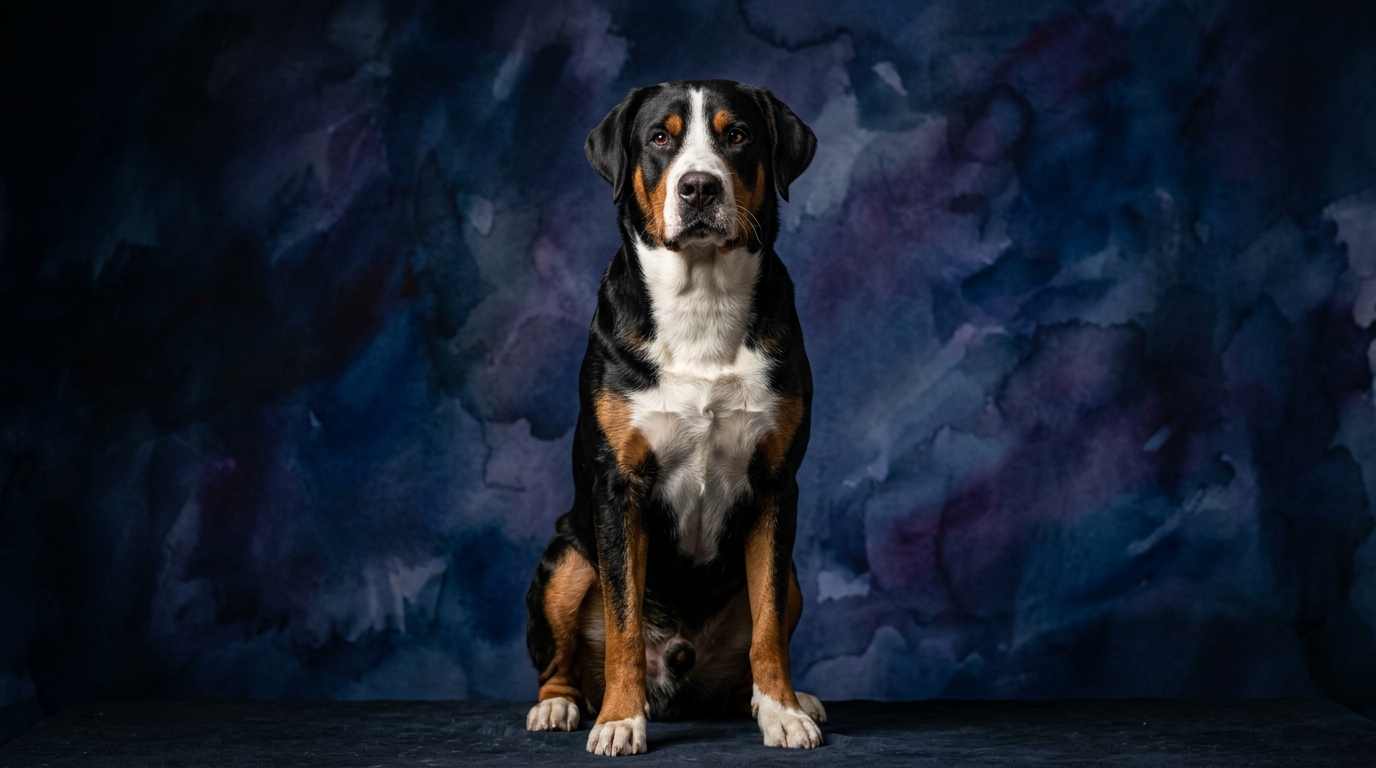
In contrast, the Greater Swiss Mountain Dog, a powerful and even-tempered draft and drover dog, presents a different cognitive blueprint. Their Problem Solving capability is rated 3/5, indicating a practical approach to challenges, relying more on learned patterns and physical strength than intricate strategizing. Training Speed also sits at 3/5, meaning they absorb information at a steady pace, requiring consistent repetition for mastery. A Social Intelligence score of 3/5 points to a generally agreeable and loyal disposition, though perhaps not as acutely tuned to subtle human emotional shifts as some companion breeds. Their Instinctive Drive of 3/5 is well-suited to their historical roles of hauling and guarding, emphasizing reliability over spontaneous innovation. Memory, at 3/5, ensures they remember their training and routines, building a predictable and dependable companion. This breed, while not Coren-ranked, possesses a functional intelligence tailored to its heritage.
Where the Standard Schnauzer Excels Cognitively
The Standard Schnauzer clearly distinguishes itself in areas demanding mental agility and rapid assimilation. Their superior Problem Solving score of 4/5 means they are adept at navigating complex environments, figuring out puzzle toys, or even finding creative ways to achieve desired outcomes—a trait that can be both admirable and, without proper direction, a challenge. This breed's quick wit makes them excellent candidates for agility, obedience, and scent work, where adapting to new sequences and solving novel obstacles are key. Furthermore, their 4/5 Training Speed allows them to master new commands and routines with fewer repetitions than many other breeds, making advanced training a more fluid and rewarding experience for both dog and handler. The Schnauzer's robust Memory, also at 4/5, ensures that these learned skills and solutions are retained over time, building a dependable repertoire of behaviors and responses. They tend to recall specific training cues and environmental details with precision, making them highly effective in tasks requiring consistent recall and application of knowledge.
Where the Greater Swiss Mountain Dog Shines Cognitively
While the Greater Swiss Mountain Dog's cognitive scores are generally lower than the Schnauzer's, their particular profile embodies a distinct set of cognitive advantages, especially in roles requiring steadfastness and reliability over flashiness. Their Problem Solving at 3/5, combined with their Instinctive Drive at 3/5, cultivates a dog that is less prone to overthinking or improvising outside established parameters. This translates into a predictable and consistent worker, particularly in tasks like drafting or guarding, where a steady, unwavering approach is paramount. They excel in situations demanding consistent application of strength and purpose, rather than intricate problem-solving. The Swissy's 3/5 in Social Intelligence, paired with their calm demeanor, often means they form deep, stable bonds with their family, exhibiting a grounded loyalty rather than complex social maneuvering. This consistency makes them exceptionally dependable family members, offering a predictable and reassuring presence. Their cognitive strength lies in their unwavering commitment to routine and their inherent stability, making them less prone to anxiety or reactive behaviors stemming from over-analysis of situations.
Training Dynamics: Which is Easier to Train?
When considering ease of training, the Standard Schnauzer's cognitive profile suggests a quicker learning curve. Their Training Speed of 4/5 means they pick up new commands and cues rapidly, often seeming to anticipate what's expected of them. This mental quickness, coupled with a strong desire to engage, makes them highly responsive to positive reinforcement and varied training sessions. However, this same quickness can lead to boredom if training isn't stimulating or consistent, potentially manifesting as stubbornness or inventing their own “games.” They thrive on mental challenges and will excel with an owner who can keep them engaged.
The Greater Swiss Mountain Dog, with a Training Speed of 3/5, requires a different approach. They may take more repetitions to fully grasp a new command, but once learned, that knowledge is deeply ingrained and reliably executed. Their training requires patience, consistency, and a calm, confident handler. Unlike the Schnauzer, they are less likely to try to “outsmart” their owner or deviate from learned patterns. Their steadiness means they are less prone to being distracted by novel stimuli once focused on a task. Real behavioral differences include the Schnauzer's tendency to test boundaries with their cognitive abilities, while the Swissy's challenge might be initial motivation and overcoming their deliberate pace. For the Swissy, short, positive, and rewarding sessions are key to building a solid foundation without overwhelming them.
Lifestyle Match: Active vs. Relaxed Owners
For owners seeking an active and mentally stimulating companion, the Standard Schnauzer is an ideal match. Their robust cognitive abilities and moderate instinctive drive demand consistent engagement. These dogs thrive with owners who enjoy activities such as advanced obedience, agility, tracking, or even competitive dog sports. They need daily opportunities to expend both physical energy and mental prowess, making them suitable for individuals or families who lead dynamic lifestyles and can dedicate significant time to training, play, and exploration. A Standard Schnauzer will become restless and potentially destructive if not adequately challenged, making them less suitable for purely relaxed owners.
The Greater Swiss Mountain Dog, while still a working breed requiring regular exercise, generally suits owners with a more balanced approach to activity. Their consistent, rather than intense, instinctive drive and problem-solving level mean they are content with regular walks, hikes, and outdoor family activities, but don't typically demand the same level of intricate mental stimulation as a Schnauzer. They appreciate a routine and are often quite content to relax indoors with their family after their exercise needs are met. This makes them a better fit for owners who enjoy outdoor pursuits but also value a calm, steady presence in the home, without the constant need to invent new mental puzzles for their canine companion. They are active enough for adventurers but possess an 'off switch' that makes them adaptable to more relaxed home environments.
The Verdict
Choose a Standard Schnauzer if you are an active, experienced owner ready to consistently engage a quick-witted companion in advanced training and mental challenges, valuing a dog that learns rapidly and thrives on purpose.
Choose a Greater Swiss Mountain Dog if you seek a steadfast, reliable, and calm companion, appreciating a dog that learns deliberately but retains knowledge deeply, offering a predictable and loyal presence for an active yet balanced lifestyle.
🧠 Find Your Pet's IQ Score
Our Pet IQ Lab assessment covers 25+ tests across 5 cognitive dimensions — personalized to your breed.
Take the Full IQ Test →Frequently Asked Questions
Are Standard Schnauzers prone to stubbornness?
Standard Schnauzers can exhibit what appears to be stubbornness, but it's often a manifestation of their problem-solving ability and quick wit. If training isn't engaging or consistent, they may choose to “solve” the situation in their own way or get bored, requiring owners to be creative and firm with their expectations.
How does a Greater Swiss Mountain Dog's size influence its training?
The Greater Swiss Mountain Dog's substantial size necessitates early and consistent training in obedience and leash manners. While they are generally good-natured, their strength means a lack of training could lead to an unmanageable adult, emphasizing the importance of foundational work from puppyhood.
Which breed is better for first-time dog owners?
The Greater Swiss Mountain Dog might be slightly more forgiving for first-time owners due to their predictable nature and lower demand for complex mental stimulation, provided the owner is committed to consistent basic training. Standard Schnauzers often require an owner with more experience in channeling their sharp cognitive abilities effectively.