Side-by-Side IQ Profile: Standard Schnauzer vs. Keeshond
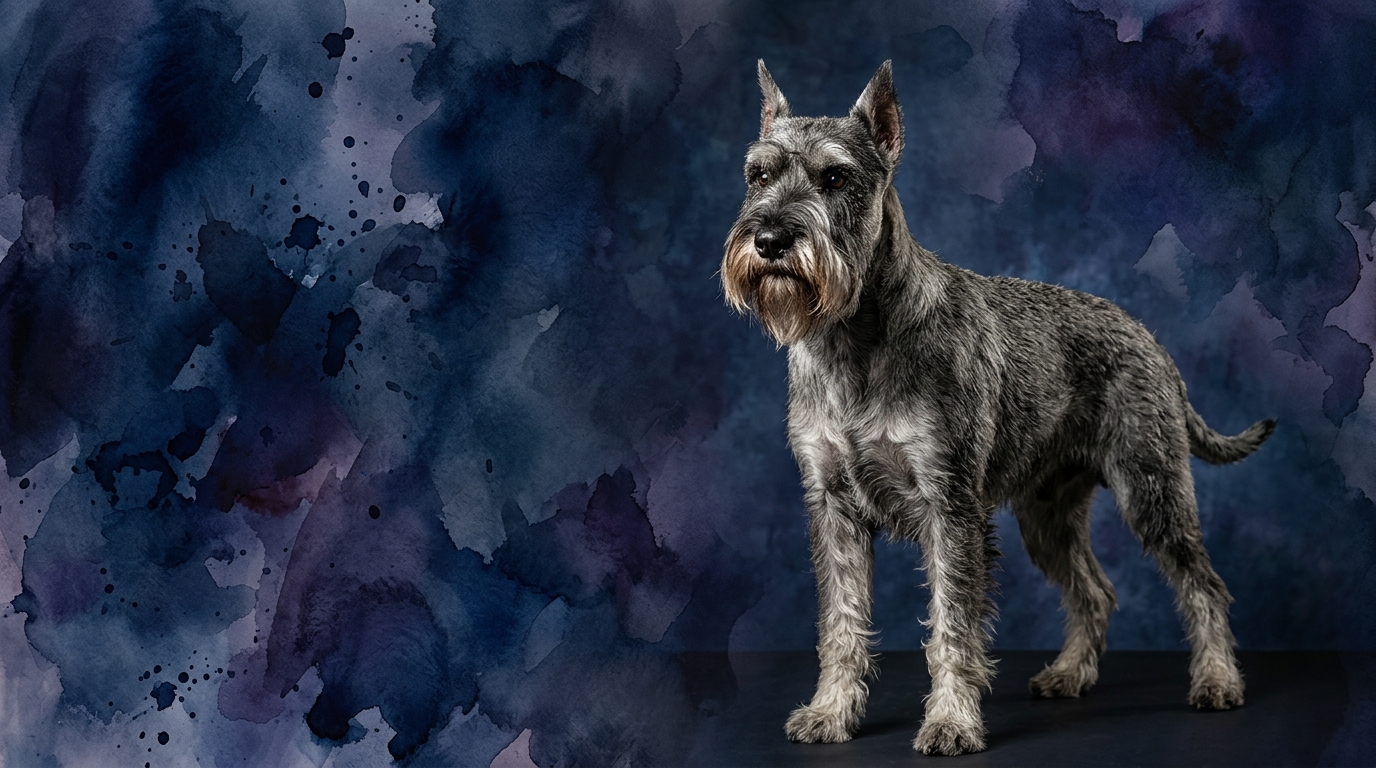
At The Cosmic Pet Pet IQ Lab, we evaluate canine intelligence across five key dimensions, offering a nuanced perspective beyond simple obedience ranks. The Standard Schnauzer, a robust member of the Working Group with a Coren rank of #22, demonstrates a balanced suite of cognitive skills tailored to its historical roles. Its Problem Solving is rated at 4/5, indicating a strong capability to independently navigate complex environmental puzzles and challenges. The breed’s Training Speed also scores 4/5, suggesting it grasps new commands and routines with efficiency, typically requiring 15-25 repetitions for initial understanding and retention. In terms of Social Intelligence, the Standard Schnauzer holds a 3/5, meaning it possesses a moderate understanding of human cues and social dynamics, capable of forming strong bonds but sometimes prioritizing tasks over subtle emotional signals. Its Instinctive Drive is also 3/5, reflecting a balanced level of inherent urges like guarding or exploring, which are present but generally manageable. Finally, its Memory is rated 4/5, allowing for effective retention of learned behaviors and experiences over time.
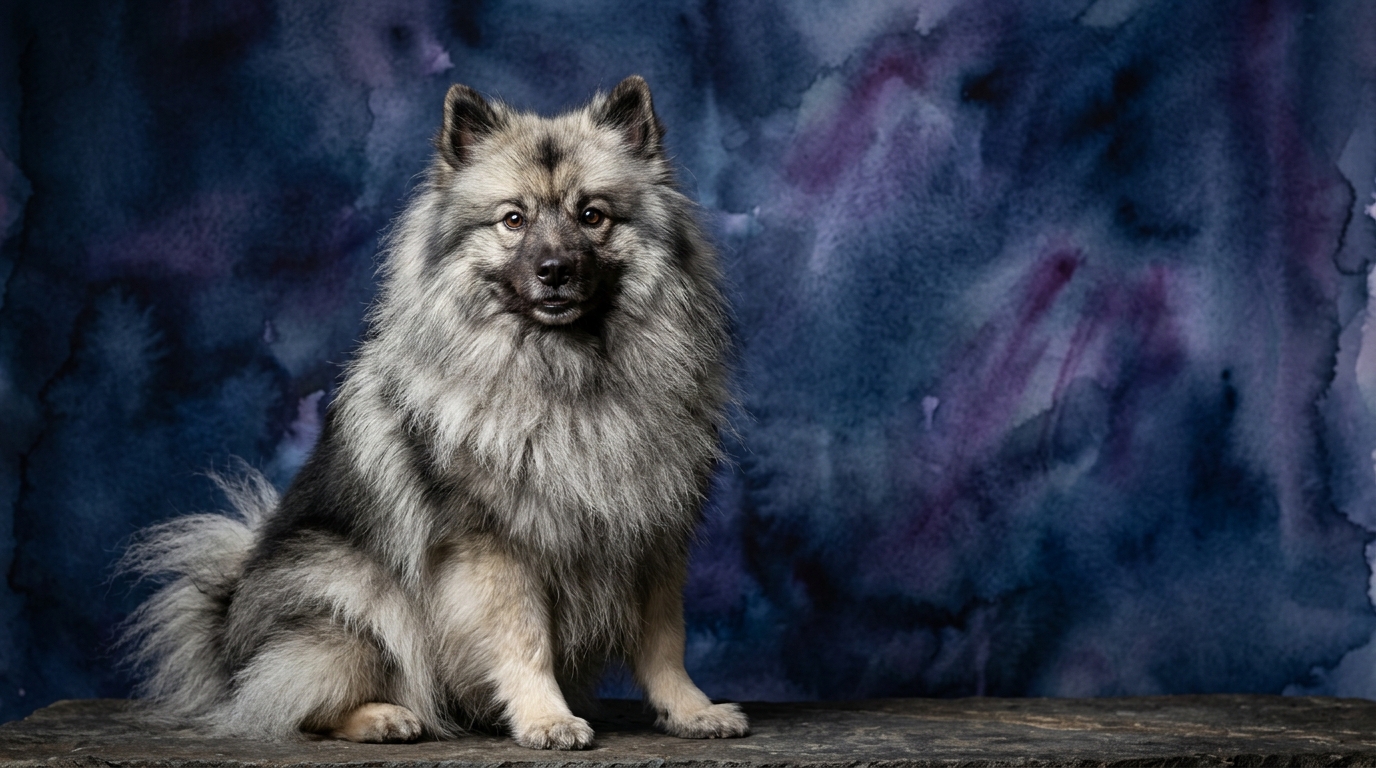
The Keeshond, a charming representative of the Non-Sporting Group with an impressive Coren rank of #16, presents a very similar, yet distinct, cognitive blueprint. Like the Schnauzer, its Problem Solving ability is rated 4/5, showcasing a strong capacity for independent thought and clever solutions to obstacles, which can sometimes manifest as ingenious, if not slightly mischievous, strategies. The Keeshond also shares a 4/5 Training Speed score, indicating a similar aptitude for quickly learning new commands and routines, typically within 15-25 repetitions. Its Social Intelligence mirrors the Schnauzer at 3/5, signifying a moderate capacity for interpreting human emotions and social cues, valuing companionship without necessarily being overly intuitive about every human need. The Instinctive Drive of the Keeshond is also 3/5, reflecting natural inclinations such as vigilance and a desire to be involved in family life, which are generally well-integrated and not excessively demanding. Where the Keeshond truly distinguishes itself is in its Memory, earning an exceptional 5/5 score, demonstrating a superior capacity for retaining learned information, commands, and experiences with remarkable accuracy and duration.
Where the Standard Schnauzer Wins Cognitively
While their raw IQ scores are remarkably similar across most dimensions, the Standard Schnauzer's Working Group heritage often shapes how its cognitive strengths are applied. Its 4/5 problem-solving and 3/5 instinctive drive, combined with its historical role as a farm dog and guardian, frequently translate into a more task-oriented ingenuity. Standard Schnauzers excel at practical, hands-on challenges that demand persistent effort and a degree of independent decision-making. For example, they might demonstrate superior persistence in figuring out how to open a complex crate latch or methodically work through an advanced agility course. Their problem-solving isn't just about finding a solution; it's often geared towards executing a 'job' with purpose, making them particularly adept at roles requiring sustained focus and the ability to overcome physical or environmental challenges efficiently.
Where the Keeshond Wins Cognitively
The Keeshond's standout cognitive advantage lies unequivocally in its exceptional 5/5 memory score, a full point higher than the Standard Schnauzer's 4/5. This superior recall means Keeshonds are likely to retain complex sequences of commands, routines, and social interactions with remarkable accuracy over extended periods. This contributes significantly to their higher Coren rank (#16 versus the Schnauzer's #22), suggesting they process and store obedience commands and learned behaviors more efficiently, often requiring fewer refreshers to solidify their understanding. Their memory prowess allows them to build a vast repertoire of learned behaviors and adapt smoothly to changing environments or new family dynamics, remembering past lessons and expectations with impressive precision. This cognitive strength makes them consistently reliable in recalling previously taught skills.
Training Dynamics: Which is Easier and Why?
Both breeds share identical 4/5 scores for Training Speed, indicating they absorb new commands at a similar initial pace. However, the Keeshond’s superior 5/5 memory gives it a distinct edge in long-term retention and consistency, potentially making the overall training process less demanding for the owner over time. While a Standard Schnauzer will grasp new concepts quickly, the Keeshond is more likely to remember them without needing frequent refreshers, solidifying complex behaviors more readily and requiring fewer repetitions to maintain proficiency. This means that once a Keeshond learns something, it tends to stick.
The Standard Schnauzer’s Working Group heritage, while providing a strong drive for purpose, can sometimes manifest as an independent streak or a tendency to question commands if not presented with clear leadership and engaging methods. This requires consistent, firm, and highly motivating training to maintain their focus and cooperation. In contrast, the Keeshond, often described as eager to please and more attuned to family dynamics due to its companion origins, might be more inherently motivated by human interaction and praise, making them generally cooperative students. Their moderate social intelligence (3/5) ensures they are responsive to their human partners, and their excellent memory helps them build upon previous successes, creating a positive feedback loop in training.
Matching Canine Cognition to Owner Lifestyles
The Standard Schnauzer, originating from the Working Group, generally thrives with active owners who can provide consistent mental and physical engagement. Their 4/5 problem-solving and 3/5 instinctive drive mean they benefit immensely from structured activities like advanced obedience trials, agility, or engaging puzzle toys that continuously challenge their intellect and provide an outlet for their inherent working tendencies. An owner who enjoys consistent training, outdoor adventures, and can give them a 'job' or purpose will find this breed flourishes, becoming a dedicated and capable partner. They are not content to be mere couch potatoes and require regular stimulation to prevent boredom and potential undesirable behaviors.
The Keeshond, belonging to the Non-Sporting Group, can adapt well to a broader range of lifestyles, though they are certainly not sedentary. Their excellent 5/5 memory and 4/5 problem-solving make them highly adaptable companions who enjoy learning new tricks, participating in family activities, and engaging in moderate exercise. While they appreciate regular walks and playtime, their exercise needs are often met with less intense activity compared to the Schnauzer, making them suitable for owners who might be less intensely focused on dog sports but still want an engaged and responsive companion. Their social intelligence (3/5) ensures they enjoy being an integrated part of family life, making them a good fit for owners who prioritize companionship and indoor interaction, alongside daily outdoor excursions and mental games.
The Verdict
Opt for a Standard Schnauzer if you are an active owner seeking a task-oriented companion eager to engage in structured training, problem-solving activities, and outdoor adventures, appreciating their independent spirit and purposeful drive.
Select a Keeshond if you desire a highly adaptable and consistent companion who excels in memory, retains training with ease, and thrives on being an integrated, responsive member of a family, enjoying moderate activity and intellectual engagement.
🧠 Find Your Pet's IQ Score
Our Pet IQ Lab assessment covers 25+ tests across 5 cognitive dimensions — personalized to your breed.
Take the Full IQ Test →Frequently Asked Questions
Do Standard Schnauzers and Keeshonds have similar problem-solving abilities?
Yes, both breeds share an identical 4/5 rating for problem-solving, indicating they are equally adept at figuring out new challenges and navigating complex situations. This means both can be quite clever at overcoming obstacles or learning intricate tasks independently, often finding ingenious solutions.
How does the Keeshond's memory advantage impact daily life and training?
The Keeshond's superior 5/5 memory score means they retain commands, routines, and learned experiences exceptionally well, often requiring fewer refreshers for complex behaviors. This translates to a more consistently obedient and reliable companion, as they recall lessons with greater precision over time and make training feel more permanent.
Are there significant differences in their social intelligence?
Both breeds have a 3/5 social intelligence rating, suggesting a moderate capacity for understanding human cues and social dynamics. While they form strong bonds and are responsive to their families, neither is exceptionally intuitive at reading subtle human emotions, implying clear and consistent communication is beneficial for both.