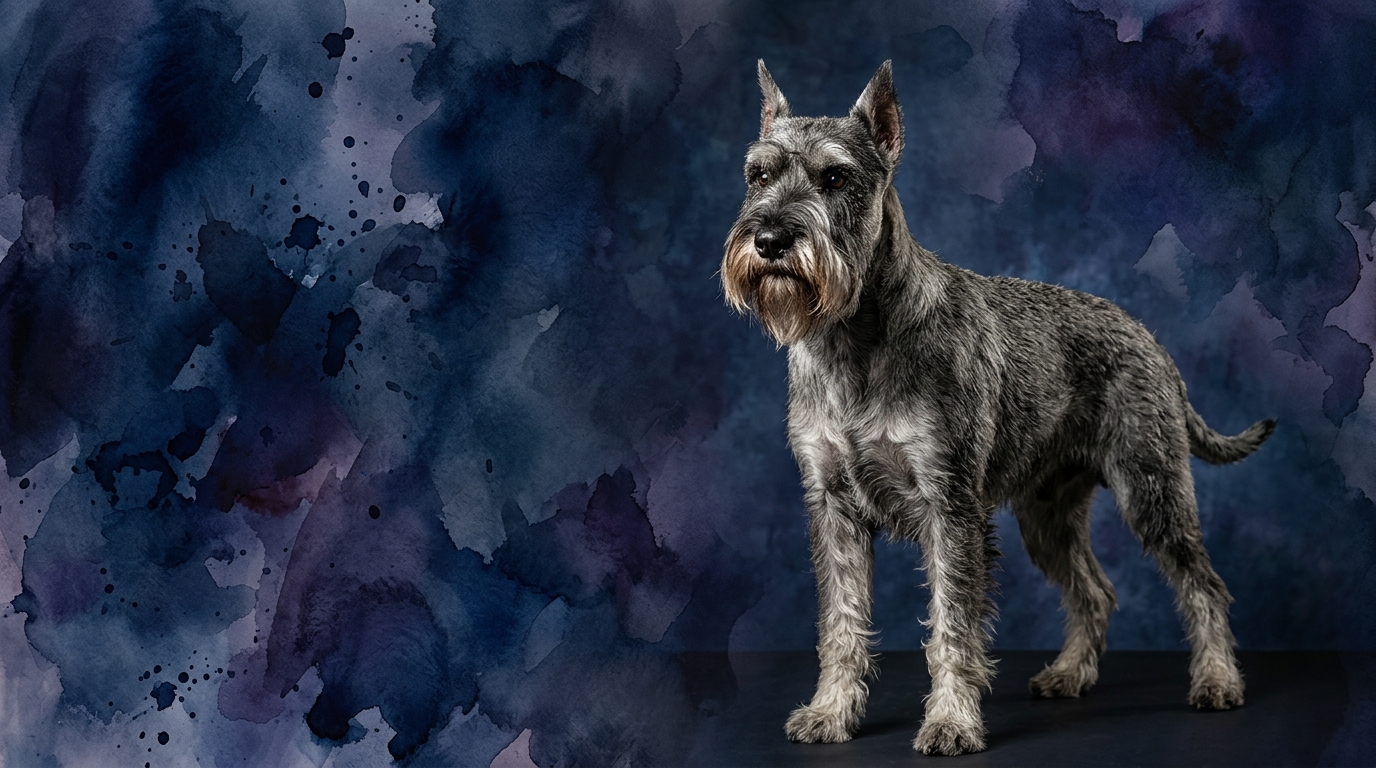
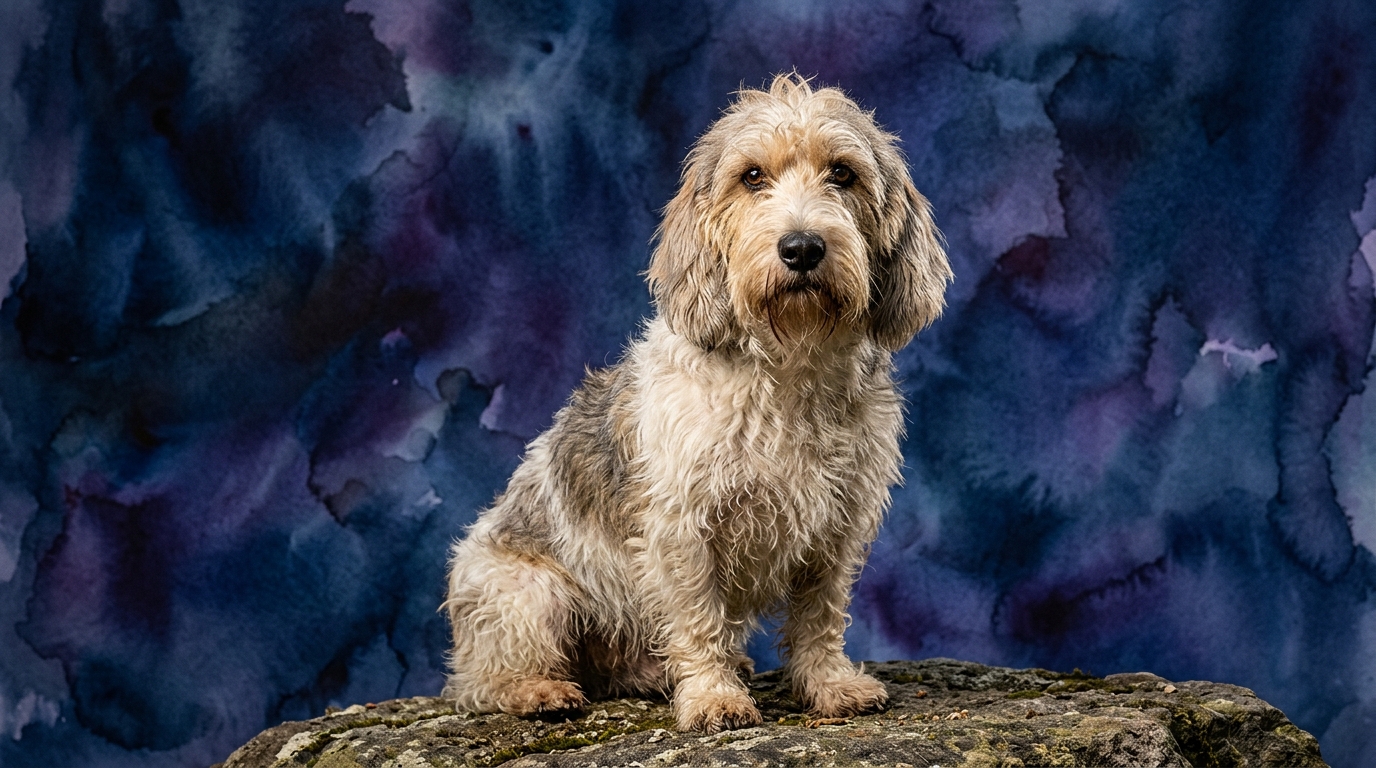
Side-by-Side Cognitive Profiles
The Standard Schnauzer, a robust member of the Working Group, presents a formidable cognitive profile, reflected in its Coren ranking of 22, indicating a substantial capacity for learning and obedience. Their Problem Solving score of 4/5 suggests a breed that actively strategizes to overcome obstacles, whether it's figuring out a latch or navigating a complex agility course. This analytical approach is complemented by a Training Speed of 4/5, meaning they grasp new commands and routines quickly, eager to engage with their human partners in structured activities. Social Intelligence at 3/5 indicates they are attuned to human cues and social dynamics, though perhaps with a degree of independent thought rather than absolute deference. Their Instinctive Drive, also at 3/5, is often channeled into their working heritage of guarding and vermin control, manifesting as vigilance and a purposeful approach to tasks. Finally, a Memory score of 4/5 ensures that once a lesson is learned or an experience had, it is retained effectively, contributing to their consistent performance.
In contrast, the Petit Basset Griffon Vendéen (PBGV), a charming Hound, brings a different set of cognitive strengths to the table, though not Coren-ranked, their profile reveals a unique intelligence tailored to their historical role. Their Problem Solving ability, rated at 3/5, often manifests through persistent, scent-driven exploration rather than abstract reasoning, meaning they excel at following a trail with unwavering focus. A Training Speed of 3/5 suggests they can learn, but often require more patience, creativity, and motivation tailored to their independent, sometimes distractible nature, as their nose often takes precedence. Social Intelligence at 3/5 indicates they are affectionate and enjoy companionship, yet retain a characteristic hound independence, valuing their freedom to explore above constant human direction. Their Instinctive Drive, also 3/5, is profoundly rooted in their heritage as scent hounds, compelling them to pursue intriguing aromas with single-minded determination. With a Memory score of 3/5, they remember experiences and basic commands, but might require more consistent reinforcement, especially if a captivating scent intervenes.
Where the Standard Schnauzer Excels Cognitively
The Standard Schnauzer's cognitive strengths shine brightest in scenarios demanding structured thought and rapid assimilation of new information. Their 4/5 Problem Solving score means they are adept at tasks requiring sequential logic or understanding cause-and-effect relationships, such as opening child-proof gates or mastering complex multi-step tricks. This breed often demonstrates an anticipatory intelligence, predicting outcomes based on past experiences and adjusting their behavior accordingly. Their superior Memory (4/5) reinforces this, allowing them to build upon previous training and experiences without extensive re-teaching. For instance, a Schnauzer can master an agility course layout quickly and remember it for subsequent runs, or reliably recall a vast repertoire of commands and hand signals over time. This cognitive architecture makes them exceptionally capable partners for competitive obedience, protection sports, or even service dog roles where consistent, intelligent application of learned behaviors is paramount. Their social intelligence, while not the highest, is geared towards understanding and responding to direct human communication, making them excellent communicators within a working partnership.
Where the Petit Basset Griffon Vendéen Offers Unique Cognitive Advantages
While the PBGV's general problem-solving and training scores might appear modest compared to the Schnauzer, their cognitive framework is exquisitely specialized for their hound purpose, offering unique advantages in specific contexts. Their 3/5 Instinctive Drive is not merely a score; it represents an unparalleled dedication to scent work, making them relentless and ingenious in following a trail. This isn't abstract problem-solving, but a highly focused, persistent, and often creative form of sensory problem-solving where they must interpret complex scent data to navigate terrain and locate targets. A PBGV will use every ounce of its cognitive capacity to unravel a scent puzzle, demonstrating incredible focus and perseverance that can outlast many other breeds. Their social intelligence, while 3/5, contributes to their charming independence; they are not necessarily seeking to please in the same way a working dog might, but rather engaging with humans on their own terms, which many owners find endearing. This independence means they are adept at entertaining themselves and making decisions in the field without constant human direction, a crucial trait for a hunting hound that might work ahead of its handler. Their memory, though 3/5, is often very good for specific locations of interesting scents or trails they've previously explored, showcasing a specialized form of spatial and olfactory memory.
Ease of Training: Schnauzer vs. PBGV
When it comes to ease of training, the Standard Schnauzer generally holds a distinct advantage due to its higher Training Speed (4/5) and Memory (4/5). Schnauzers typically relish the process of learning, viewing it as an engaging activity that strengthens their bond with their owner. They are often keen to please and possess an inherent desire for structure and purpose, making them receptive to commands and eager to demonstrate their understanding. Their ability to quickly grasp and retain information means fewer repetitions are needed, and they are less likely to 'forget' a command over time. However, their intelligence can also manifest as cleverness, occasionally leading them to test boundaries or find loopholes, requiring a trainer who is consistent and firm yet fair.
The Petit Basset Griffon Vendéen, with scores of 3/5 for both Training Speed and Memory, presents a different training journey. Their primary motivation often lies in following their nose, which can be a significant distraction in a training environment. While capable of learning, their independent hound nature means they are less inherently driven to please and more inclined to follow their own instincts. Training a PBGV requires immense patience, positive reinforcement, and a deep understanding of their scent-driven world. Owners must make training more rewarding than any potential environmental distraction, often using high-value treats or incorporating scent games into their lessons. They might take longer to master commands and require more frequent refreshers, especially if not consistently practiced. Real behavioral differences include a Schnauzer looking to you for direction, while a PBGV might be looking for the next interesting smell on the ground, making off-leash reliability a much greater challenge.
Suitability for Active vs. Relaxed Owners
The Standard Schnauzer is an ideal companion for active owners who are eager to engage in structured activities and provide consistent mental stimulation. Their cognitive profile, marked by high problem-solving and memory, means they thrive when given a 'job' to do, whether it's participating in dog sports like agility, obedience, or rally, or simply engaging in complex puzzle toys and training sessions at home. Owners who enjoy hiking, running, or long, purposeful walks will find a willing and energetic partner in the Schnauzer. Their social intelligence, while not overly effusive, means they appreciate being an integral part of family activities and require a dedicated owner who can channel their substantial mental and physical energy into productive outlets. A relaxed owner who cannot provide this level of engagement may find a Schnauzer becomes bored, potentially leading to undesirable behaviors.
Conversely, the Petit Basset Griffon Vendéen can suit a range of owners, but particularly those who appreciate an independent spirit and enjoy more unstructured, exploratory outdoor activities. While they are energetic and require daily exercise, their cognitive drive is less about structured tasks and more about following their primal instinct to explore via scent. Owners who enjoy leisurely walks in varied environments, allowing their PBGV to sniff and investigate, will find a contented companion. They are not necessarily suited for highly competitive dog sports that demand strict adherence to human commands, though they can certainly participate in scent work or tracking. Their social intelligence allows them to be affectionate and charming companions indoors, but their independent nature also means they are content to amuse themselves, making them potentially suitable for owners who appreciate a dog with a robust inner life. However, they are not for entirely relaxed owners, as their need for outdoor exploration and mental stimulation through scent is significant; they require owners who are prepared for the commitment of managing a dog with a powerful nose and an independent streak.
The Verdict
Choose the Standard Schnauzer if you seek an intelligent, trainable partner eager for structured activities, mental challenges, and a strong working bond, capable of quickly learning and retaining complex tasks. They thrive with owners who can provide consistent guidance and opportunities for engagement in dog sports or purposeful work.
Opt for the Petit Basset Griffon Vendéen if you appreciate an independent, charming companion whose intelligence is deeply rooted in scent-driven exploration, and you are prepared for a patient, creative training approach that respects their hound instincts. They suit owners who enjoy outdoor adventures and can manage a dog with an unwavering focus on its nose.
🧠 Find Your Pet's IQ Score
Our Pet IQ Lab assessment covers 25+ tests across 5 cognitive dimensions — personalized to your breed.
Take the Full IQ Test →Frequently Asked Questions
Is a Standard Schnauzer better at problem-solving than a PBGV?
Yes, based on the provided scores, the Standard Schnauzer (4/5) generally demonstrates a higher capacity for abstract problem-solving and strategic thinking compared to the PBGV (3/5). The Schnauzer is more inclined to figure out mechanisms or sequential tasks, while the PBGV's problem-solving is often tied to interpreting scent trails.
Which breed is easier to house train, Standard Schnauzer or PBGV?
The Standard Schnauzer, with its higher training speed and memory, typically learns house training protocols more quickly and consistently than the PBGV. The PBGV's independent nature and potential for distraction by scents can make house training require more patience and consistency.
Do PBGVs need as much mental stimulation as Standard Schnauzers?
Both breeds require significant mental stimulation, but the *type* differs. Standard Schnauzers thrive on structured learning and complex tasks, while PBGVs need mental engagement through scent work and opportunities for independent exploration, which fulfills their innate hound drives.