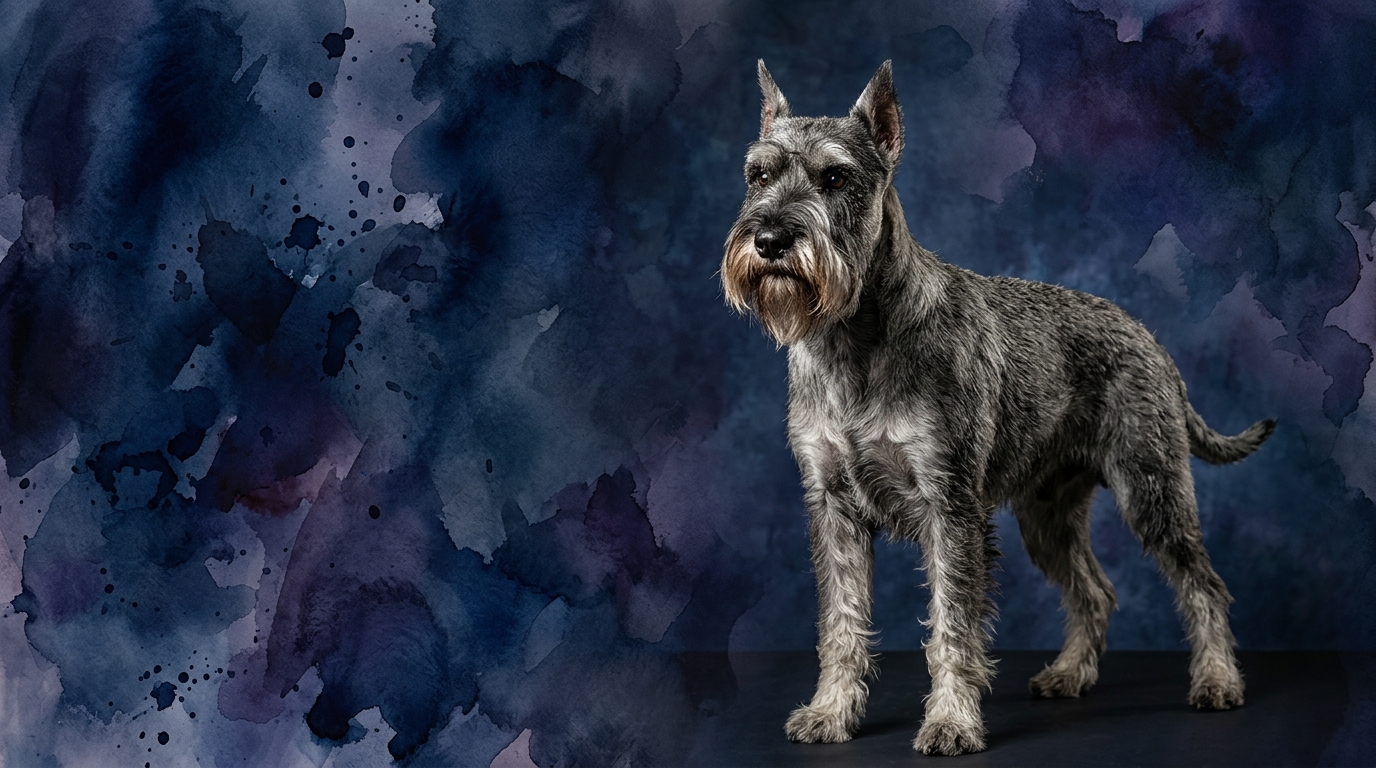
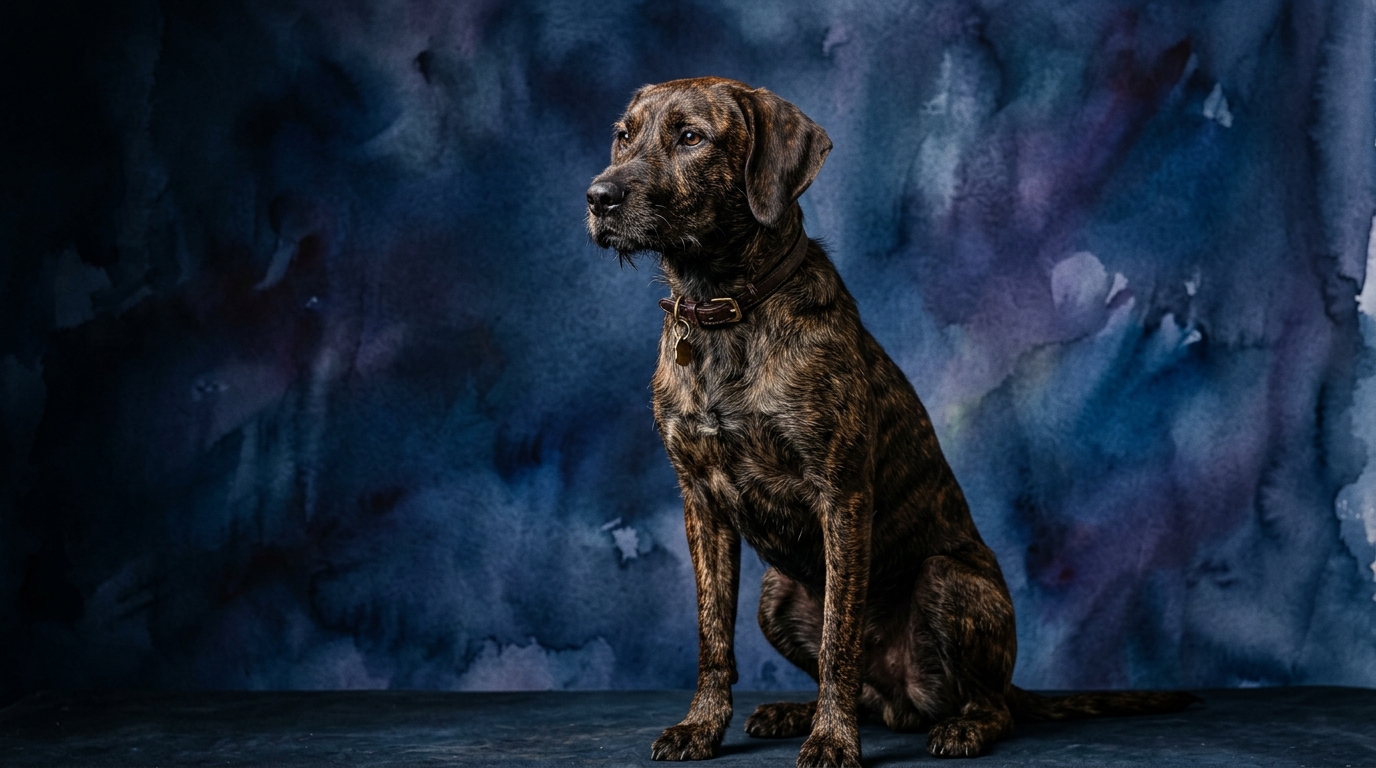
Side-by-Side Cognitive Profile: Standard Schnauzer vs. Plott Hound
At The Cosmic Pet Pet IQ Lab, we dissect canine intelligence across five key dimensions. The Standard Schnauzer, a member of the Working Group, presents a profile reflecting its versatile historical roles. Its Problem Solving is rated 4/5, indicating a strong capacity for figuring out novel challenges and adapting strategies. Training Speed is also high at 4/5, suggesting a quick grasp of new commands and routines. Social Intelligence sits at 3/5, meaning they are capable of understanding human cues, though they can be discerning. Their Instinctive Drive is 3/5, showcasing a moderate prey drive balanced with a desire to collaborate. Finally, their Memory scores an impressive 4/5, allowing for reliable retention of learned behaviors.
The Plott Hound, classified within the Hound Group, exhibits a cognitive makeup tailored for its specialized purpose. Its Problem Solving is rated 3/5; while competent at overcoming obstacles, especially when scent-driven, they tend to be less inclined towards abstract puzzles. Training Speed is 3/5, indicating a steady learning pace that benefits from consistent and engaging methods. Social Intelligence is 3/5, where they are generally affable within their family, but their focus can be heavily scent-oriented, occasionally overriding social cues. Their Instinctive Drive is also 3/5, but this manifests as a powerful, singularly focused drive for tracking. Memory for the Plott Hound is 3/5, good for established routines and scent trails, but perhaps requiring more reinforcement for arbitrary commands. It's also noteworthy that the Standard Schnauzer holds a Coren rank of #22, placing it among breeds that understand new commands rapidly, while the Plott Hound is not Coren-ranked, reflecting its specialized nature over general obedience aptitude.
Where the Standard Schnauzer Excels Cognitively
The Standard Schnauzer distinctly outshines the Plott Hound in several key cognitive areas, primarily in its general problem-solving ability and trainability. With a Problem Solving score of 4/5 compared to the Plott's 3/5, Schnauzers demonstrate a greater aptitude for tackling non-scent-related puzzles, strategy games, and adapting to novel situations requiring abstract thought. Their historical role as multi-purpose farm dogs and vermin controllers demanded a versatile cognitive toolkit, enabling them to strategize beyond mere instinct.
Their superior Training Speed (4/5 versus 3/5) is another significant advantage. Schnauzers typically grasp new commands and complex sequences with greater alacrity, often displaying an eagerness to learn and please their handler. This translates to a quicker mastery of obedience, agility, and other dog sports. Furthermore, their Memory score of 4/5 means they retain learned information more reliably and for longer durations, making refresher training less frequent and command recall more consistent across various environments. This robust memory and rapid learning curve are hallmarks of their Coren rank, signifying a dog that processes and applies human instruction with efficiency.
Where the Plott Hound Demonstrates Unique Cognitive Strengths
While the Plott Hound may not match the Schnauzer in broad problem-solving or training speed, its cognitive profile is uniquely optimized for its specialized purpose. The Plott's Instinctive Drive, rated 3/5, though numerically similar to the Schnauzer's, manifests as an almost obsessive persistence when on a scent trail. This singular focus and unwavering determination in tracking are unparalleled, representing a profound cognitive strength within its domain. Their ability to process and follow complex scent trails, often deciphering faint or convoluted paths, is a highly specialized form of problem-solving and memory that far surpasses the capabilities of most other breeds, including the Schnauzer.
This deep cognitive specialization means that while a Plott Hound might not excel at learning arbitrary tricks quickly, its mind is intensely wired for olfactory tasks. Their endurance and focused attention when engaged in scent work are exceptional, allowing them to work tirelessly and single-mindedly for extended periods. This is a crucial cognitive trait for a breed historically developed for demanding hunting pursuits, where sustained effort and unwavering focus on a scent are paramount. Their 'problem-solving' often involves navigating complex terrain and environmental factors purely through scent, a skill that showcases a different, yet equally impressive, facet of canine intelligence.
Ease of Training: Standard Schnauzer vs. Plott Hound
When it comes to ease of training, the Standard Schnauzer generally offers a more straightforward experience. Their higher Training Speed (4/5) and Problem Solving (4/5) mean they typically grasp concepts quickly and respond well to structured learning. Schnauzers often enjoy the intellectual engagement that training provides, viewing it as a collaborative activity with their handler. Their motivation frequently stems from a desire to work alongside their human companions, and they are less prone to being distracted by environmental scents, making focus easier to achieve in various settings. Their memory ensures that once a command is learned, it tends to stick.
The Plott Hound, by contrast, requires a more patient, consistent, and creative approach to training. While their Training Speed is a respectable 3/5, their powerful instinctive drive can make them less inclined to follow human-initiated commands when a compelling scent is present. Their independent nature, bred for following a trail alone, means they require a trainer who understands how to harness, rather than suppress, their natural predispositions. Training needs to be highly rewarding, engaging, and often incorporate scent work to capitalize on their inherent talents. Without proper motivation and understanding of their drives, a Plott Hound might appear stubborn, but it is often their instincts overriding learned behaviors.
Suitability for Active vs. Relaxed Owners
Both the Standard Schnauzer and the Plott Hound thrive with active owners, though their ideal activities differ significantly. A Standard Schnauzer needs substantial mental stimulation as much as physical exercise. They flourish in environments where they can engage their problem-solving skills and desire to work, making them excellent candidates for activities like agility, obedience, trick training, and long, structured walks that include mental challenges. An owner who enjoys consistent training, puzzle toys, and can provide regular, varied mental engagement would find a Schnauzer a highly rewarding companion.
The Plott Hound, on the other hand, demands immense physical exertion, especially opportunities for off-leash exploration where they can follow scents in a safe, expansive environment. Owners who enjoy rugged terrain, long hikes, trail running, or participation in scent work and tracking sports would be an ideal match. Their physical stamina is substantial, and they require an outlet for their potent olfactory drives. Neither breed is well-suited for a truly 'relaxed' or sedentary owner who offers minimal engagement. While a Schnauzer might adapt better to indoor life after sufficient exercise and mental stimulation, a Plott Hound would almost certainly become restless, potentially destructive, or vocal without ample opportunities to expend their considerable physical and instinctive energies.
The Verdict
Choose the Standard Schnauzer if you seek a canine partner eager for structured learning, quick to adapt to various tasks, and thrives on mental challenges and working closely with you, particularly if you value strong memory and problem-solving skills for obedience or dog sports.
Opt for the Plott Hound if you are an active individual who appreciates a dog with unparalleled scenting abilities, immense stamina, and a single-minded drive for tracking, and you are prepared to channel their powerful instincts into purposeful, engaging activities like scent work or extensive outdoor exploration.
🧠 Find Your Pet's IQ Score
Our Pet IQ Lab assessment covers 25+ tests across 5 cognitive dimensions — personalized to your breed.
Take the Full IQ Test →Frequently Asked Questions
Are Standard Schnauzers good family dogs?
Yes, with proper socialization and consistent mental and physical engagement, Schnauzers can be devoted and protective family members. Their social intelligence (3/5) means they bond strongly with their immediate family, though they may display a reserved demeanor with strangers, a trait stemming from their guarding instincts.
Do Plott Hounds bark a lot?
Plott Hounds possess a distinctive 'bay' which they use for tracking and communication, particularly when on a scent trail or when excited. While not constant barkers in the traditional sense, their vocalizations can be loud and frequent, especially if under-exercised or stimulated by outdoor scents, so owners should be prepared for their vocal nature.
Which breed is better for a first-time dog owner?
The Standard Schnauzer, with its higher training speed and problem-solving aptitude, generally presents a more straightforward training experience for a first-time owner willing to commit to consistent guidance and mental stimulation. The Plott Hound's independent nature and strong instinctive drives require a more experienced hand to manage effectively and channel their specialized talents.