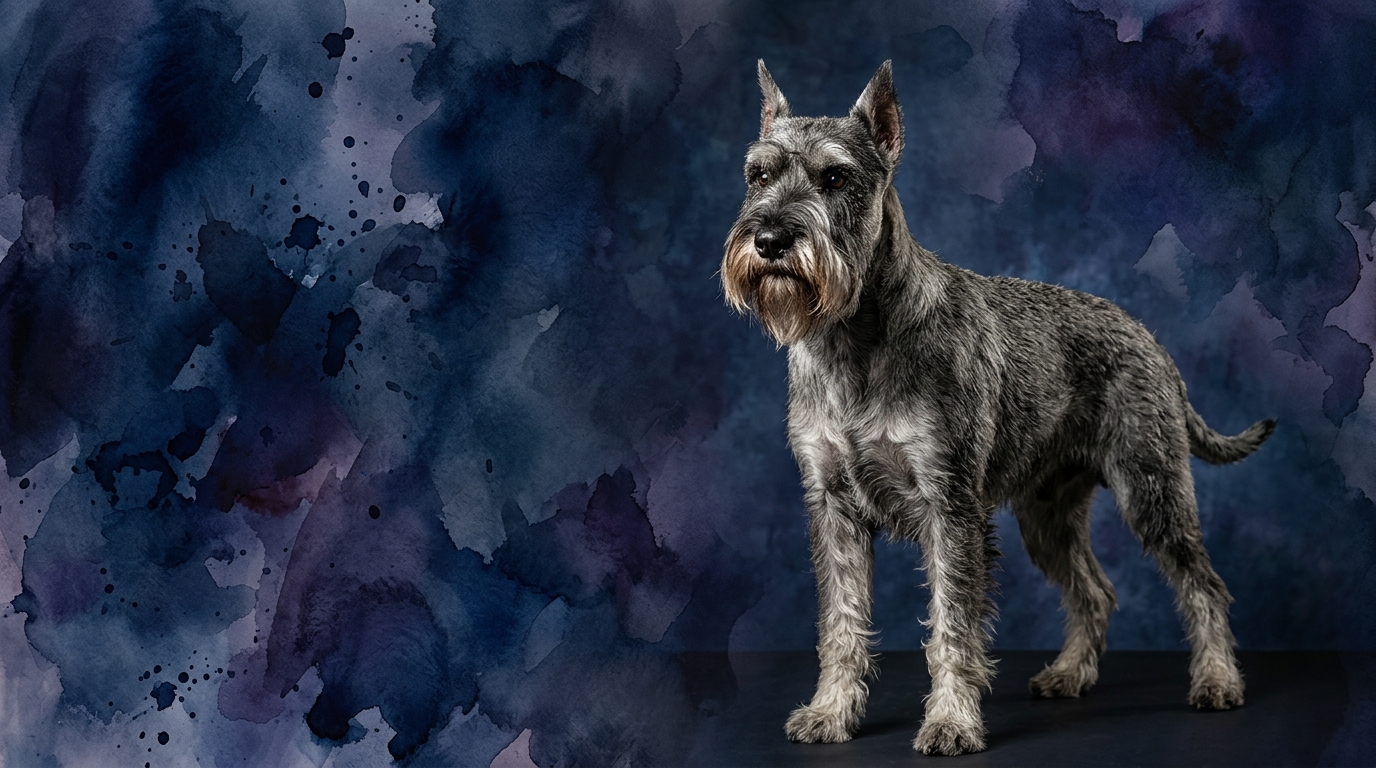
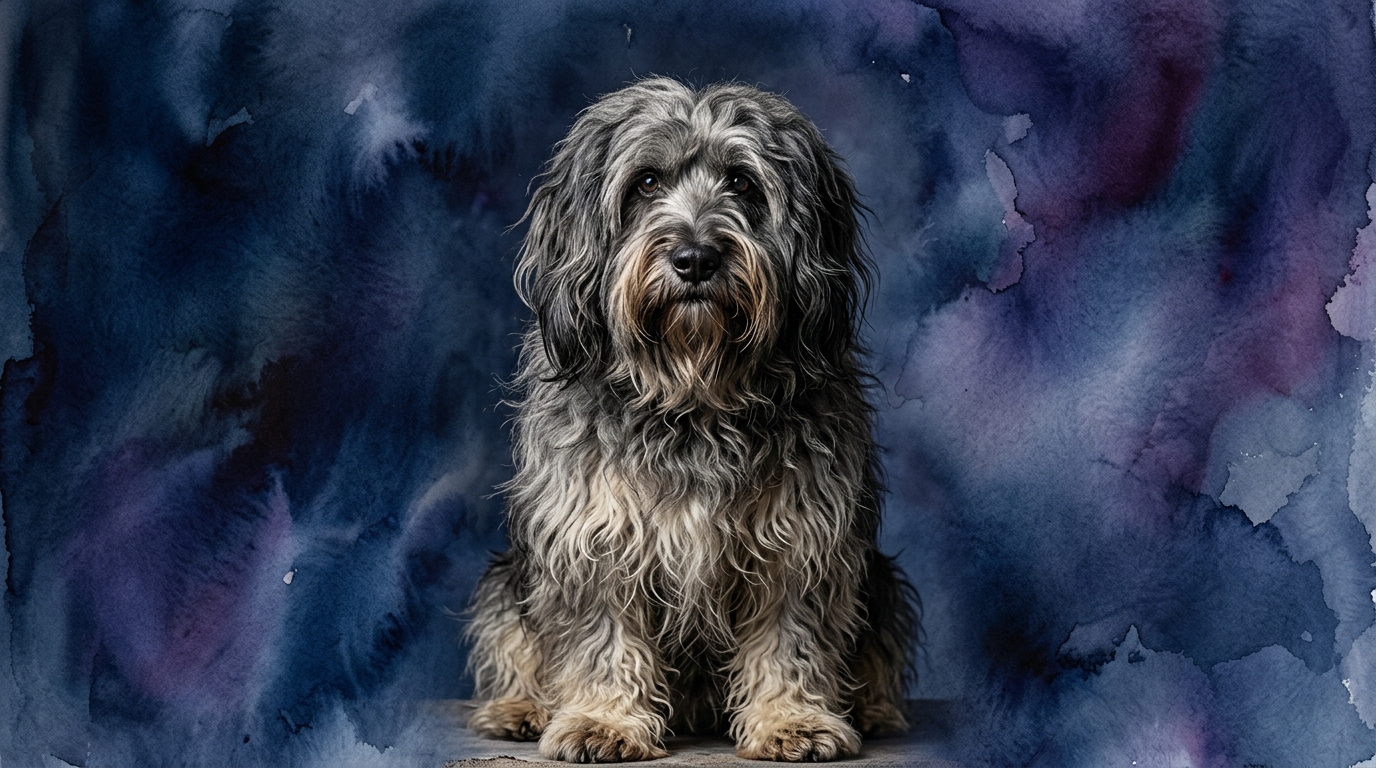
Side-by-Side IQ Profile: Standard Schnauzer vs. Polish Lowland Sheepdog
**Standard Schnauzer (Coren Rank #22)**
**Problem Solving (4/5):** This breed approaches novel situations with a keen, analytical mind, often quickly devising solutions to challenges. They are adept at figuring out puzzles, opening latches, or understanding cause-and-effect relationships in their environment.
**Training Speed (4/5):** Standard Schnauzers exhibit a remarkable aptitude for learning new commands and routines with minimal repetition. Their eagerness to engage and quick comprehension make them responsive students in various training disciplines.
**Social Intelligence (3/5):** While deeply attuned to their family, Standard Schnauzers can be discerning observers in new social settings. They read human cues effectively within their trusted circle but may maintain a watchful, reserved demeanor with strangers, assessing situations before fully engaging.
**Instinctive Drive (3/5):** Possessing a moderate but discernible prey drive, these dogs are naturally alert and can be tenacious in pursuing small game or guarding their territory. This drive fuels their vigilance and protective instincts.
**Memory (4/5):** Their ability to retain information, from complex command sequences to the locations of hidden treats, is impressive. Standard Schnauzers remember routines, past experiences, and learned behaviors over extended periods, contributing to their consistent performance.
**Polish Lowland Sheepdog (Not Coren-ranked)**
**Problem Solving (3/5):** The Polish Lowland Sheepdog demonstrates a practical, steady approach to problem-solving. While not always the quickest to find a novel solution, they are persistent and capable of working through challenges, often relying on their innate judgment and learned experiences.
**Training Speed (3/5):** These dogs learn at a consistent pace, requiring clear, patient instruction and repetition to solidify new commands. Once a behavior is understood and reinforced, they typically perform it reliably, valuing consistency in their training regimen.
**Social Intelligence (3/5):** Deeply devoted to their families, Polish Lowland Sheepdogs form strong, enduring bonds. They are sensitive to the moods and needs of their human companions but can be reserved or cautious around unfamiliar people, characteristic of a breed tasked with protecting a flock.
**Instinctive Drive (3/5):** Their ingrained herding instincts are present, manifesting as a desire to keep their “flock” (family) together and safe. This drive also contributes to their watchful nature and potential to gently gather or nudge.
**Memory (3/5):** Polish Lowland Sheepdogs possess good memory for important routines, family members, and established boundaries. They recall learned tasks and past interactions, contributing to their reliability and ability to navigate their familiar environment confidently.
Where the Standard Schnauzer Wins Cognitively
The Standard Schnauzer's cognitive profile reveals distinct advantages, particularly in areas demanding quick mental processing and adaptable learning. Their 4/5 rating in Problem Solving indicates a superior capacity for analytical thought and innovative solutions compared to the Polish Lowland Sheepdog's 3/5. This means a Schnauzer might more readily decipher how to open a child-proof gate or independently figure out a new puzzle toy without much human intervention.
Furthermore, their 4/5 Training Speed underscores an ability to grasp and execute new commands with fewer repetitions than their Polish counterpart, making them excellent candidates for complex obedience, agility, or competitive dog sports where rapid learning is paramount. The Schnauzer's 4/5 Memory also contributes to this, allowing them to retain a broader repertoire of commands and learned behaviors over time, requiring less frequent refreshers and enabling them to build upon an extensive mental library of instructions. This cumulative learning capacity allows them to progress through advanced training stages more fluidly and apply past knowledge to new situations.
Where the Polish Lowland Sheepdog Excels Cognitively
While the Polish Lowland Sheepdog may not boast higher numerical scores in every cognitive dimension, its distinct strengths lie in its steadfastness, independent judgment, and deep-seated loyalty, traits essential for its traditional herding role. The 3/5 in Social Intelligence, while numerically equal to the Schnauzer's, often translates into a profound, focused bond with its immediate family, rather than a broad, outgoing sociability. This can be a cognitive advantage for owners seeking an unwavering, deeply connected companion who is acutely sensitive to their family's needs and emotions, often acting as a watchful, reliable presence.
Their 3/5 Instinctive Drive, specifically tailored for herding, means they possess an innate understanding of group dynamics and protection, which, while not always translating to quick obedience, signifies a cognitive framework geared towards responsibility and guardianship. This independent thinking, rooted in their need to make decisions about a flock without constant human instruction, gives them a resilient, self-assured mental approach. Their 3/5 in Problem Solving and Memory, while numerically lower, reflects a practical, enduring intelligence. They are less about rapid, novel solutions and more about consistent, reliable application of learned wisdom, often displaying a quiet determination to achieve a goal once they understand it, a valuable cognitive trait for sustained tasks.
Training Dynamics: Which is Easier and Why?
When considering ease of training, the Standard Schnauzer generally presents a more straightforward path. Their 4/5 Training Speed and 4/5 Problem Solving combine to create a dog that is not only quick to understand new commands but also eager to participate in mental challenges. They thrive on varied training sessions and often enjoy the process of learning complex sequences, making them highly receptive to advanced obedience, trick training, or performance sports. Their cognitive makeup means they often anticipate what's expected and generalize learned behaviors to new contexts with minimal prompting.
Conversely, the Polish Lowland Sheepdog, with its 3/5 ratings in Training Speed and Problem Solving, requires a more patient and consistent approach. Their herding heritage has instilled a degree of independent thought and a strong will, meaning they might not always execute commands with the immediate enthusiasm of a Schnauzer. Training a Polish Lowland Sheepdog demands clear communication, positive reinforcement, and a deep understanding of their motivations. While they are certainly capable of learning a wide array of commands, their learning curve can be slower, and they might require more repetition to solidify behaviors. Their independence means an owner must establish clear leadership and make training a rewarding, consistent experience to tap into their loyal and capable nature.
Matching Breeds to Lifestyles: Active vs. Relaxed Owners
The Standard Schnauzer, with its higher cognitive agility and working breed background, is ideally suited for active owners. These dogs flourish when provided with consistent mental stimulation and ample physical exercise. Owners who enjoy dog sports like agility, obedience trials, or hiking will find a willing and capable partner in a Schnauzer. Their need to use their problem-solving skills and quick learning capacity means they require engagement beyond basic walks; puzzle toys, regular training sessions, and opportunities to explore new environments are crucial to their well-being. A less active owner might find a Schnauzer becoming restless or devising their own “entertainment” if their cognitive needs are not met.
The Polish Lowland Sheepdog, while also needing regular exercise, can adapt better to owners who might be described as more relaxed, provided they are committed to consistent training and a stable routine. While they appreciate walks and opportunities to stretch their legs, their cognitive needs lean towards consistency, companionship, and a clear role within the family “flock.” They are not necessarily looking for constant, novel mental challenges in the same way a Schnauzer might. An owner who values a steadfast, loyal presence and is prepared to invest patient, consistent effort into training will find a rewarding companion. Their independent nature means they can be content observing their surroundings, but they still require daily engagement and mental stimulation through familiar routines and consistent interaction to prevent boredom.
The Verdict
Opt for a Standard Schnauzer if you seek an intellectually nimble, quick-learning companion eager for diverse mental challenges and engaging physical activities, thriving on varied training and problem-solving opportunities.
Select a Polish Lowland Sheepdog if you appreciate a steadfast, loyal companion with an independent spirit, willing to invest patient, consistent effort in training and valuing a deep, protective bond within a stable family environment.
🧠 Find Your Pet's IQ Score
Our Pet IQ Lab assessment covers 25+ tests across 5 cognitive dimensions — personalized to your breed.
Take the Full IQ Test →Frequently Asked Questions
Are Standard Schnauzers good with children?
Standard Schnauzers typically form strong bonds with their family, including children, especially when raised with them. Their social intelligence allows them to be discerning, so early socialization and consistent training are important to ensure they are respectful and gentle companions.
Do Polish Lowland Sheepdogs require extensive socialization?
Yes, due to their inherent reserve with strangers and protective instincts, extensive and positive socialization from a young age is crucial for Polish Lowland Sheepdogs. This helps them develop confidence and learn appropriate reactions to new people, places, and other animals, ensuring their social intelligence matures positively.
Which breed is generally more vocal?
Both breeds can be quite vocal. Standard Schnauzers are known for their alert barking as guardians, responding to perceived threats or novelties. Polish Lowland Sheepdogs also use their voice to communicate, often barking to “herd” or alert their family, reflecting their watchful and protective nature.