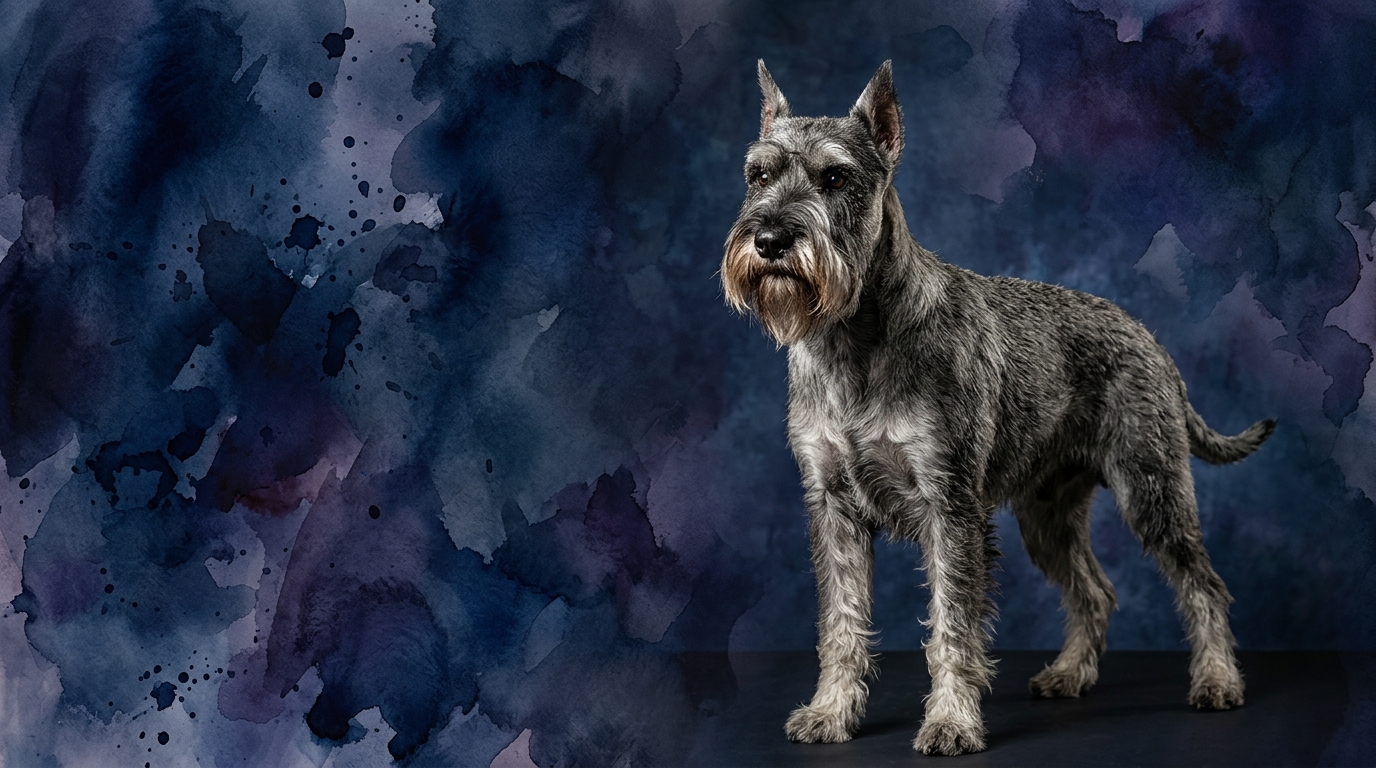
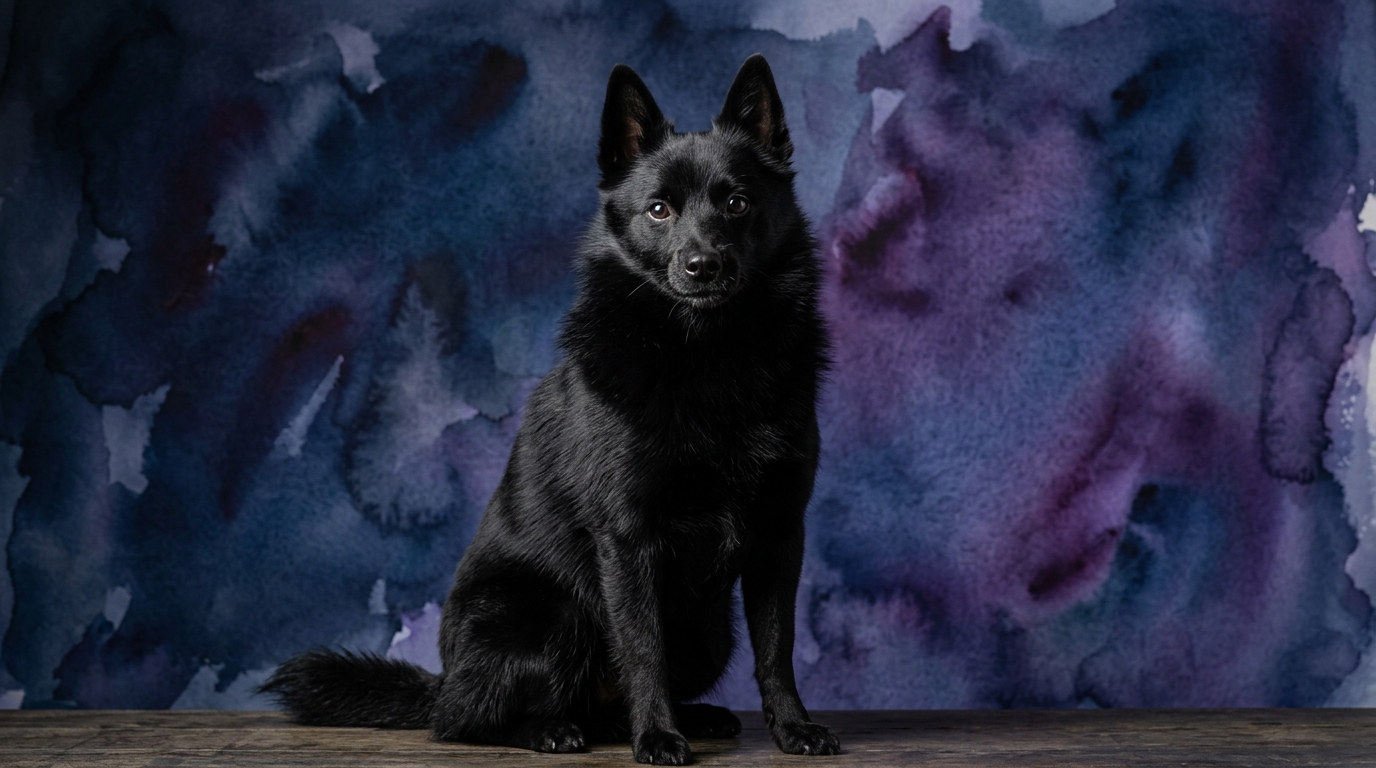
Side-by-Side Cognitive Profiles: Standard Schnauzer vs. Schipperke
Our Pet IQ Lab analysis provides a detailed look into five key cognitive dimensions for these two distinct breeds, offering a granular understanding of their mental strengths. For the Standard Schnauzer, a diligent Working dog, we observe a problem-solving capacity rated at 4/5, indicating a strong ability to navigate challenges methodically. Their training speed is also rated 4/5, suggesting they learn new commands effectively with consistent guidance.
The Schnauzer's social intelligence sits at 3/5, pointing to a balanced understanding of human cues without excessive dependency or aloofness, while their instinctive drive, also 3/5, reflects a moderate but present inclination towards inherent breed behaviors like guarding or tracking. Finally, their memory scores 4/5, demonstrating a reliable ability to retain learned information and experiences over time.
In contrast, the Schipperke, a vigilant Non-Sporting breed, showcases an exceptional problem-solving ability at 5/5, signifying a quick-witted and adaptable mind that rapidly assesses and resolves novel situations. Their training speed matches this at 5/5, meaning they acquire new commands and behaviors with remarkable alacrity and minimal repetition.
Interestingly, the Schipperke shares the same scores as the Schnauzer for social intelligence (3/5) and instinctive drive (3/5). This suggests a similar level of engagement with their human companions and a moderate presence of natural instincts, such as their historical role as ratters or barge guardians. However, the Schipperke excels in memory, scoring a perfect 5/5, indicating a superior capacity for information retention and recall, making their learning experiences deeply ingrained.
Where the Standard Schnauzer Cognitively Shines
While the Schipperke often boasts higher numerical scores, the Standard Schnauzer's specific cognitive configuration offers unique advantages. Their 4/5 problem-solving ability, though not the highest, translates into a methodical and deliberate approach to challenges. This can mean they are less prone to impulsive decisions, instead favoring a considered strategy to new situations, which proves invaluable in tasks requiring sustained focus and precision.
The Schnauzer's 4/5 memory score ensures that once a task or command is learned, it is retained with robust reliability. This consistency is a hallmark of their working heritage, making them excellent candidates for roles where dependable execution over time is paramount, such as advanced obedience or protection work. Their moderate 3/5 social intelligence also presents a benefit for owners seeking a companion that is engaged and responsive without being overly sensitive to every subtle human emotion, fostering a steadfast and balanced partnership.
Their 3/5 instinctive drive, coupled with their methodical problem-solving, means they can be channeled into purposeful activities without becoming overly fixated or difficult to redirect. This makes them adept at tasks like tracking or sentry duty, where their innate drives can be harnessed for productive and consistent outcomes rather than leading to easily distracted behaviors.
Where the Schipperke Cognitively Excels
The Schipperke's cognitive profile is characterized by a remarkable quickness and retention, with perfect 5/5 scores in problem-solving, training speed, and memory. Their exceptional problem-solving ability allows them to rapidly analyze novel situations and devise effective solutions, making them adept at navigating complex environments or excelling in interactive puzzle toys that challenge their intellect.
This superior problem-solving is directly complemented by their 5/5 training speed, meaning they pick up new commands and behaviors with astonishing alacrity. Owners often find they require fewer repetitions to master a new skill, allowing for rapid progression through training levels and the acquisition of an extensive repertoire of tricks and commands. This quick uptake makes them particularly rewarding for owners who enjoy engaging in various dog sports or advanced obedience.
Furthermore, the Schipperke's 5/5 memory ensures that these rapidly learned lessons are deeply ingrained and reliably recalled. This strong retention capacity means once a behavior is taught, it is likely to stick, providing a highly consistent and dependable response, even after periods without practice. For owners who value precision and reliability in learned behaviors, the Schipperke offers a distinct advantage.
Their moderate 3/5 instinctive drive, while similar to the Schnauzer, often manifests in a highly focused, persistent approach to tasks like 'ratting' or guarding. When combined with their superior problem-solving and memory, this drive can be channeled into highly effective and engaging activities that satisfy their need for purpose.
Training Dynamics: Which Breed is Easier to Shape?
Based on their cognitive profiles, the Schipperke is generally considered easier to train due to its 5/5 scores in both training speed and memory. This means they grasp new commands with remarkable rapidity, often requiring minimal repetitions to understand what is being asked of them. Their superior memory ensures that once a lesson is learned, it is retained effectively, leading to consistent performance and fewer instances of 'forgetting' previously mastered behaviors.
A Schipperke's training sessions can be dynamic and fast-paced, allowing for the introduction of more complex sequences and advanced skills at an accelerated rate. Their quick wit means they thrive on varied and engaging training methods, responding well to positive reinforcement and quickly associating actions with rewards. This makes them ideal for owners who enjoy competitive dog sports like agility, where rapid learning and precise execution are crucial.
The Standard Schnauzer, with 4/5 in both training speed and memory, is still a highly trainable breed, but their learning style is more methodical. They absorb information effectively, but they may require a few more repetitions and a more consistent, structured approach to fully ingrain new commands compared to the Schipperke. Their understanding becomes deep and reliable, but the acquisition process itself might be a bit slower.
Training a Standard Schnauzer benefits from patience and clarity, building a solid foundation of understanding rather than rushing through concepts. While they might not pick up every new trick in a single session like a Schipperke, their consistent retention once learned makes them dependable companions for established routines and tasks. Owners who enjoy a deliberate, step-by-step training process will find the Schnauzer very rewarding.
Lifestyle Match: Active Engagement vs. Structured Companionship
When considering an owner's lifestyle, the cognitive profiles of these breeds illuminate their suitability for different home environments. The Schipperke, with its 5/5 problem-solving and memory, thrives with active owners who can provide consistent mental stimulation and physical outlets. Their quick wit means they can become bored and potentially mischievous if not adequately challenged with puzzle toys, training sessions, or engaging dog sports.
Schipperkes excel in environments where their intelligence is regularly put to use, such as participating in agility, flyball, or advanced obedience classes. They are best suited for individuals or families who enjoy an interactive relationship with their dog, constantly teaching new things and exploring new challenges. A Schipperke is not content to be a couch potato; they need purpose and engagement to truly flourish, making them ideal for owners committed to an active, stimulating routine.
The Standard Schnauzer, while also requiring regular exercise and mental engagement due to their Working group heritage and 4/5 problem-solving, often thrives on more structured and routine-oriented activities. Their methodical intelligence and 3/5 instinctive drive make them excellent companions for owners who appreciate a dog with purpose, such as consistent guarding tasks, tracking, or long, structured walks or hikes.
They are well-suited for active owners who enjoy a balanced routine, providing consistent training and opportunities for physical activity without the constant demand for novel, rapid-fire intellectual challenges that a Schipperke might crave. A Standard Schnauzer can adapt well to a family environment that offers predictable schedules and clear expectations, providing a steadfast and dependable presence that still enjoys participating in family activities and structured playtime.
The Verdict: Choosing Your Canine Companion
The Verdict
Choose the Standard Schnauzer if you value a methodical learner, a balanced social presence, and a capable working companion adept at structured tasks and consistent routines, appreciating reliability over sheer speed of acquisition. They offer steadfast companionship for owners who enjoy a deliberate approach to training and engagement.
Opt for the Schipperke if you seek a lightning-fast learner, a dog that thrives on rapid problem-solving and excels in activities requiring quick wit and excellent retention, and you can provide ample mental stimulation and varied challenges. They are an ideal match for active owners eager to explore advanced training and dog sports.
🧠 Find Your Pet's IQ Score
Our Pet IQ Lab assessment covers 25+ tests across 5 cognitive dimensions — personalized to your breed.
Take the Full IQ Test →Frequently Asked Questions
Are Schipperkes too smart for first-time dog owners?
Schipperkes possess exceptional cognitive abilities, scoring 5/5 in problem-solving and memory, which means they learn very quickly. While this makes them highly trainable, their intellect also necessitates consistent mental stimulation and engagement to prevent boredom-induced mischief, which can be a challenge for inexperienced owners. They thrive with owners prepared for an actively engaged partnership.
Do Standard Schnauzers require a lot of exercise?
As a Working group dog with a 3/5 instinctive drive, Standard Schnauzers do require regular, structured exercise to remain content and well-behaved. This includes daily walks, opportunities for vigorous play, and engaging in activities that stimulate their 4/5 problem-solving ability, such as obedience training or scent work. They benefit from having a 'job' or consistent routine.
Which breed is more independent?
Both breeds score 3/5 in social intelligence, suggesting a similar level of balanced independence and engagement with their human companions. Neither is overly clingy nor entirely aloof. The Schipperke's quick problem-solving might lead to more independent decision-making in novel situations, while the Standard Schnauzer's methodical approach often means they are capable of working independently within a known structure.