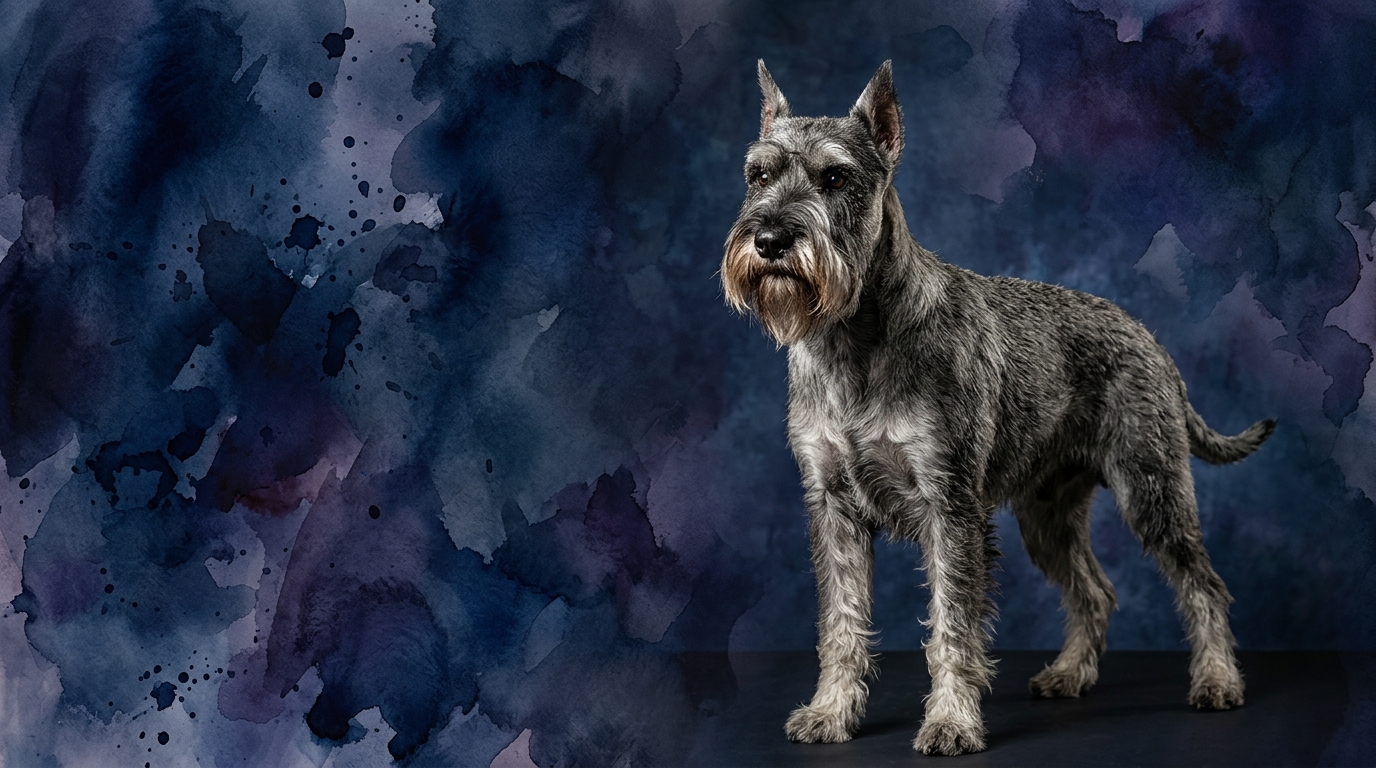
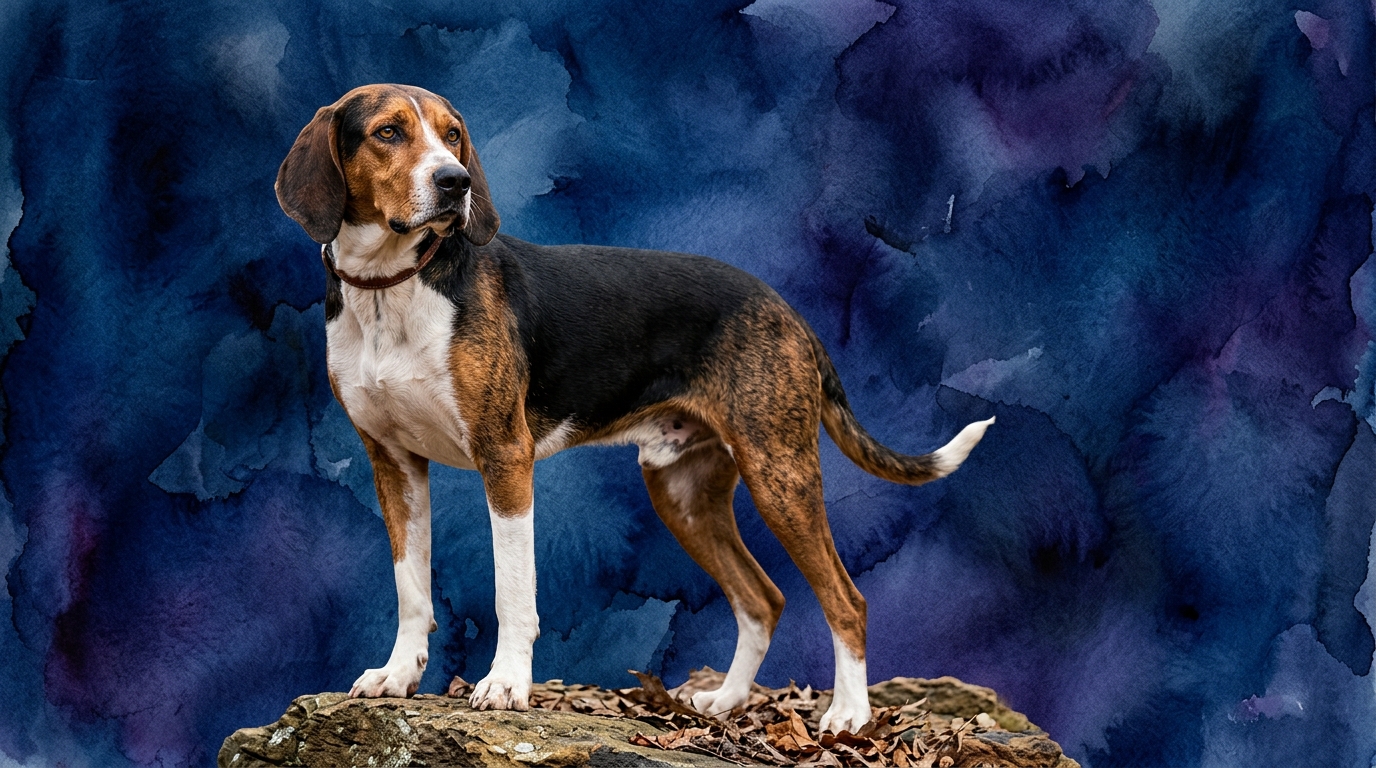
Side-by-Side IQ Profile: Standard Schnauzer vs. Treeing Walker Coonhound
The Cosmic Pet Pet IQ Lab evaluates canine intelligence across five key dimensions, offering a nuanced understanding beyond simple obedience. For the Standard Schnauzer, a Coren rank of #22 places them among breeds demonstrating a strong aptitude for understanding new commands quickly and performing them reliably, reflecting their heritage as adaptable farm dogs and guardians.
Breaking down the Standard Schnauzer's profile, their Problem Solving is rated 4/5, indicating a capacity to independently figure out complex tasks and adapt strategies when faced with novel situations. Their Training Speed also stands at 4/5, meaning they typically grasp new commands after fewer repetitions and respond consistently, making them responsive pupils in structured learning environments. Social Intelligence is 3/5, suggesting they possess a moderate ability to interpret human cues and adapt their behavior in social contexts, while their Instinctive Drive is 3/5, reflecting a balanced blend of prey drive and protective instincts that can be channeled effectively. Lastly, their Memory is 4/5, allowing them to retain learned behaviors and recall past experiences over extended periods.
The Treeing Walker Coonhound, while not Coren-ranked, presents a different cognitive blueprint, deeply rooted in their specialized role as a hunting partner. Their Problem Solving is rated 3/5, which means they are capable of navigating environmental challenges, particularly those related to tracking, but may approach abstract puzzles differently than a Schnauzer. Their Training Speed is 3/5, indicating they require more patience and repetition to master new commands, often needing motivation tailored to their natural inclinations.
The Coonhound's Social Intelligence is 3/5, similar to the Schnauzer, suggesting a decent ability to engage with people, though their primary focus is often on their environment and scent work. Their Instinctive Drive, also 3/5, is profoundly expressed in their relentless pursuit of scent, demonstrating an unwavering focus once a trail is engaged. Finally, their Memory is 3/5, enabling them to remember scent trails and hunting patterns, but perhaps not with the same breadth for complex sequences of commands as a Schnauzer.
Where the Standard Schnauzer Wins Cognitively
The Standard Schnauzer demonstrates clear cognitive advantages in areas requiring abstract thought and rapid learning. Their Problem Solving score of 4/5 means they are more prone to analyze situations and devise solutions independently, whether it's figuring out how to open a gate or navigating a complex obstacle course. This aptitude makes them adept at advanced obedience, dog sports like agility, and even learning complex tricks that require sequential thinking.
With a Training Speed of 4/5, Standard Schnauzers typically excel in formal training settings, absorbing new commands with remarkable efficiency. This translates to quicker mastery of basic manners, faster progress in competitive obedience, and a general eagerness to engage in structured learning. Their higher Memory score of 4/5 further reinforces this, allowing them to retain a vast repertoire of commands and experiences, leading to more reliable performance over time.
Their Coren ranking at #22 underscores their capacity for 'working intelligence' – the ability to understand and execute commands on the first or second attempt with minimal effort. This makes them highly adaptable to various tasks and roles, from companion to working assistant, demonstrating a cognitive flexibility that is a hallmark of their breed.
Where the Treeing Walker Coonhound Wins Cognitively
While the Treeing Walker Coonhound's scores may appear numerically lower in some categories, their cognitive strengths are profoundly specialized and exceptionally effective within their intended purpose. Their Instinctive Drive, rated 3/5, manifests as an unparalleled dedication to scent work, making them relentless and focused trackers. This isn't just a physical attribute; it's a cognitive triumph of single-minded purpose, filtering out distractions to follow a faint scent trail over miles.
Their Problem Solving (3/5) is geared towards practical application in the field. A Coonhound's problem-solving skills shine when they are navigating challenging terrain, overcoming natural obstacles, or strategizing how to 'tree' their quarry based on scent and environmental cues. This type of intelligence is less about abstract puzzles and more about real-world navigation and persistence in a highly sensory-driven pursuit.
The Coonhound's memory (3/5), while not as broad as a Schnauzer's, is acutely honed for remembering intricate scent patterns and geographical layouts relevant to their hunting grounds. They exhibit a remarkable ability to recall specific trails and locations, demonstrating a form of spatial and olfactory memory that is critical to their success. This deep, specialized cognitive ability is a 'win' in its own right, showcasing a different facet of canine brilliance.
Which is Easier to Train and Why
Based on their respective IQ profiles, the Standard Schnauzer is generally considered easier to train in the traditional sense of command obedience and structured learning. Their Training Speed of 4/5 means they typically pick up new commands quickly and are eager to please their handler, making initial training sessions more rewarding and progress more rapid. They respond well to positive reinforcement and clear, consistent instruction, often thriving on the mental engagement that training provides.
The Schnauzer's higher problem-solving ability also contributes to their trainability; they can often generalize learned behaviors to new situations and understand the 'rules' of training more readily. This makes them excellent candidates for advanced obedience, rally, and other dog sports where precision and quick learning are valued. Their balanced instinctive drive allows for easier redirection and focus during training.
In contrast, the Treeing Walker Coonhound, with a Training Speed of 3/5, requires a different approach and more patience. Their powerful instinctive drive, while not numerically higher, is intensely focused on scent, which can make them easily distracted by environmental smells during training. This means owners must be exceptionally consistent, use high-value rewards, and often structure training in environments with minimal olfactory distractions.
Coonhounds are not less capable of learning, but their learning style is often more independent and driven by their sensory world. Training a Coonhound successfully often involves harnessing their natural drives, for example, incorporating scent games into their routine or using their love of tracking as a reward. Directing their focus away from a compelling scent requires significant effort and understanding of their hound nature, making them a more challenging prospect for novice trainers or those seeking instant obedience.
Which Suits Active Owners vs. Relaxed Owners
For active owners who enjoy structured activities, mental challenges, and a dog eager to participate in various sports, the Standard Schnauzer is an excellent match. Their high problem-solving and training speed mean they thrive on daily mental stimulation, such as puzzle toys, learning new tricks, or engaging in agility and obedience trials. They are energetic and require regular exercise, enjoying brisk walks, runs, and interactive play sessions that challenge both their bodies and minds.
Standard Schnauzers are also well-suited for owners who appreciate a dog that is alert and protective, willing to engage in family activities, and capable of being a reliable companion in diverse settings. Their balanced temperament and cognitive flexibility make them adaptable to a variety of lifestyles, as long as their needs for mental and physical engagement are consistently met. They are not content to be couch potatoes and will seek out engagement if not provided.
The Treeing Walker Coonhound, while also active, suits a specific type of active owner: one who is passionate about outdoor adventures, understands the profound impact of scent drive, and is prepared for a dog with incredible stamina. These dogs need significant daily exercise, often in the form of long walks, runs, or hikes where they can engage their powerful noses. Their instinctive drive means they are prone to following a scent, making secure, fenced yards and leashed excursions paramount.
Relaxed owners, or those seeking a dog content with minimal outdoor activity, would likely find the Coonhound a challenging fit. Their need to 'work' their nose and expend energy is non-negotiable for their well-being; without it, they can become restless or destructive. Owners who appreciate a dog with a deep, primal connection to the natural world and are willing to facilitate that connection will find a loyal and enduring partner in the Treeing Walker Coonhound, even if their definition of 'activity' is more about exploring than formal training.
The Verdict: When to Choose Each Breed
The Verdict
Choose the Standard Schnauzer if you desire a highly trainable companion for structured activities, dog sports, and a perceptive partner eager for mental challenges and consistent engagement. Their cognitive agility makes them a versatile and rewarding choice for owners who enjoy an active, participatory relationship.
Opt for the Treeing Walker Coonhound if you are an outdoor enthusiast who appreciates a dog with an extraordinary sense of smell and boundless endurance, willing to accommodate their powerful instinctive drive. They are ideal for owners seeking a dedicated, specialized companion for long explorations and scent-driven adventures.
🧠 Find Your Pet's IQ Score
Our Pet IQ Lab assessment covers 25+ tests across 5 cognitive dimensions — personalized to your breed.
Take the Full IQ Test →Frequently Asked Questions
Are Treeing Walker Coonhounds difficult to train?
Treeing Walker Coonhounds are not 'difficult' in the sense of being untrainable, but their intense scent drive and independent nature mean they require more patience, consistency, and motivation tailored to their instincts. They often thrive with positive reinforcement methods that incorporate their love for tracking and exploration.
Do Standard Schnauzers require a lot of mental stimulation?
Yes, Standard Schnauzers, with their high problem-solving and memory scores, absolutely thrive on mental stimulation. Daily activities like puzzle toys, learning new tricks, advanced obedience, or dog sports are crucial to keep their minds engaged and prevent boredom-related behaviors.
Which breed is better for a first-time dog owner?
For a first-time dog owner seeking a generally easier training experience and a more adaptable companion, the Standard Schnauzer is often the better choice due to their higher training speed and eagerness to please. The Treeing Walker Coonhound's strong prey drive and independent nature can be challenging for those new to dog ownership.