Side-by-Side Cognitive Profiles
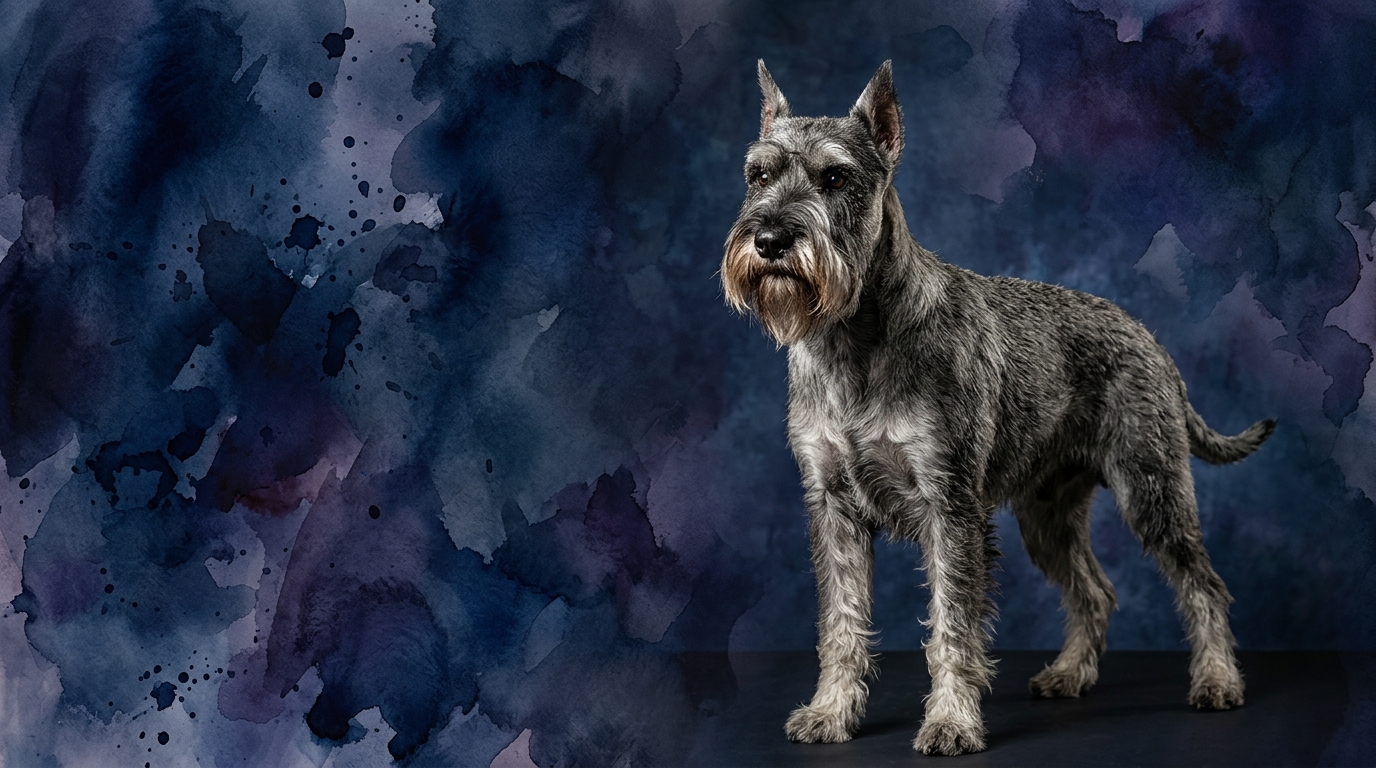
The Cosmic Pet Pet IQ Lab assesses five key dimensions of canine cognition, offering a granular view beyond general perceptions. For the Standard Schnauzer, a dog from the Working Group, its profile includes Problem Solving at 4/5, Training Speed at 4/5, Social Intelligence at 3/5, Instinctive Drive at 3/5, and Memory at 4/5. This breed is also recognized by Stanley Coren as ranking #22 in operational intelligence, highlighting its capacity for understanding and executing commands.
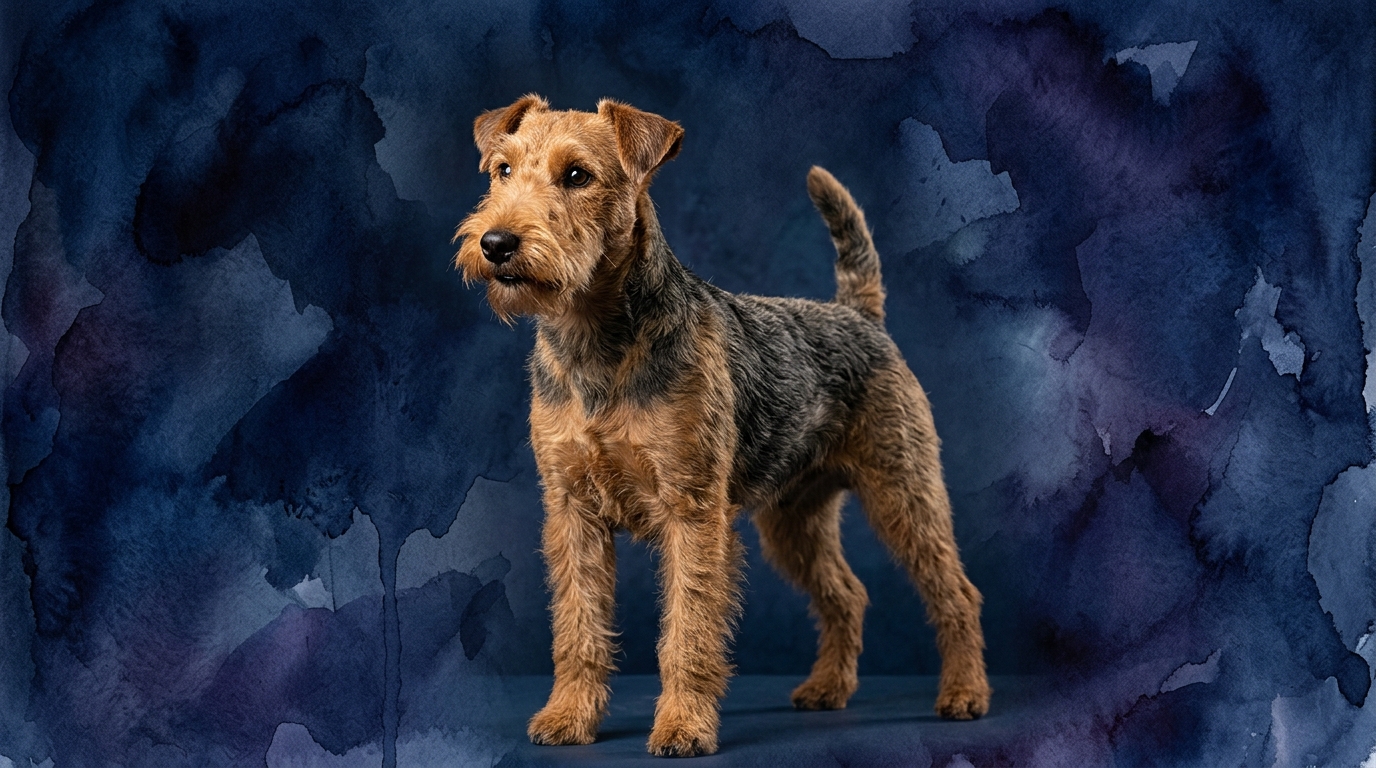
In contrast, the Welsh Terrier, a member of the Terrier Group, presents a balanced yet distinct cognitive profile. Its Problem Solving is rated at 3/5, Training Speed at 3/5, Social Intelligence at 3/5, Instinctive Drive at 3/5, and Memory also at 3/5. It is important to note that the Welsh Terrier is not included in Coren's specific ranking, a point we will revisit, but its scores reflect a different set of cognitive strengths tailored to its heritage.
Where the Standard Schnauzer Excels Cognitively
The Standard Schnauzer’s higher scores in Problem Solving (4/5), Training Speed (4/5), and Memory (4/5) paint a picture of a dog adept at analytical thought and rapid learning. Their superior problem-solving ability means they are more likely to quickly decipher the mechanics of a complex puzzle toy or figure out how to open a childproof gate through observation and trial-and-error. This cognitive agility allows them to excel in activities that demand strategic thinking, such as advanced obedience trials or navigating intricate agility courses where novel obstacles are introduced.
Their elevated training speed and memory are particularly evident in their capacity to acquire and retain a broad repertoire of commands and multi-step sequences with fewer repetitions. A Standard Schnauzer can master a new trick or a complex routine, remembering it accurately over extended periods, making them prime candidates for service work, competitive obedience, or roles requiring consistent, precise responses. This robust memory also extends to routines and environmental cues, allowing them to quickly adapt to structured environments and anticipate daily activities.
Where the Welsh Terrier's Cognition Shines
While the Welsh Terrier’s individual scores are generally a point lower than the Standard Schnauzer’s, their cognitive profile is perfectly suited for their historical role and specific terrier attributes. Their Problem Solving at 3/5, coupled with a strong inherent tenacity, means they approach challenges with persistent determination, often succeeding through sheer will and repeated attempts rather than immediate intellectual insight. This makes them formidable at tasks requiring sustained effort, like locating buried objects or navigating confined spaces, which directly relates to their vermin-hunting origins.
The Welsh Terrier’s Instinctive Drive, also rated at 3/5, is particularly noteworthy. While the score is numerically equal to the Schnauzer's, the *nature* of this drive is distinctly different and a significant cognitive strength for the Welsh Terrier. This drive manifests as an independent, self-reliant pursuit of small prey, requiring autonomous decision-making and a sharp focus on environmental stimuli without constant human direction. Their moderate Social Intelligence (3/5) further supports this independence, allowing them to work effectively without needing constant reassurance or guidance from a handler, a valuable trait for a dog expected to operate alone in the field.
Training Dynamics: Standard Schnauzer vs. Welsh Terrier
When it comes to ease of training, the Standard Schnauzer generally presents a more straightforward experience due to its higher Training Speed (4/5) and Memory (4/5). They tend to absorb new commands quickly and are eager to please, often demonstrating a cooperative attitude that streamlines the learning process. Their working dog heritage instills a willingness to engage in structured tasks and a strong desire to understand and respond to human directives, making them highly receptive to consistent, positive reinforcement methods.
The Welsh Terrier, with its 3/5 scores in Training Speed and Memory, coupled with its inherent terrier independence and strong prey drive, typically requires a more patient and persistent training approach. They are capable learners but may need more repetitions to solidify new behaviors and can be more easily distracted by environmental stimuli, particularly anything that triggers their hunting instincts. Owners often find success by making training sessions engaging, varied, and short, focusing on consistency and leveraging their love for games and puzzles to keep their attention amidst their spirited temperament.
Matching Breeds to Lifestyles: Active vs. Relaxed Owners
Neither the Standard Schnauzer nor the Welsh Terrier is truly suited for a sedentary or 'relaxed' owner in the traditional sense, as both breeds possess considerable energy and a need for engagement. However, the *type* of activity they require differs. The Standard Schnauzer, with its working background and higher cognitive scores, thrives with active owners who can provide structured activities, advanced training, and mentally stimulating tasks. They excel in dog sports like agility, obedience, and rally, and benefit from having a 'job' to do, enjoying purposeful interactions and challenges that tap into their problem-solving and memory skills.
The Welsh Terrier, while equally active, benefits from owners who appreciate and can channel their tenacious, independent spirit. They need outlets for their instinctive drives, such as long walks in varied environments where they can explore scents, engaging in earthdog trials, or playing retrieval games that mimic hunting. Owners who enjoy outdoor adventures, are prepared for a dog with a strong personality, and can provide consistent, engaging physical and mental challenges that cater to their terrier nature will find a wonderful companion in the Welsh Terrier. A truly relaxed owner might struggle with either breed's need for consistent engagement, potentially leading to boredom-related behaviors.
The Verdict
Choose the Standard Schnauzer if you desire a highly trainable, mentally engaged companion for structured activities, advanced obedience, or a 'thinking' dog that thrives on purposeful challenges and a close working relationship.
Opt for the Welsh Terrier if you appreciate an independent, tenacious companion with a spirited personality, thrive on outdoor adventures, and are prepared for a more persistent, creative training approach that respects their terrier instincts.
🧠 Find Your Pet's IQ Score
Our Pet IQ Lab assessment covers 25+ tests across 5 cognitive dimensions — personalized to your breed.
Take the Full IQ Test →Frequently Asked Questions
Does the Welsh Terrier's lack of Coren ranking mean it's less intelligent than the Standard Schnauzer?
Not necessarily. Stanley Coren's ranking primarily assesses 'operational intelligence' based on a dog's ability to learn and obey human commands. Terrier breeds, like the Welsh Terrier, often possess a strong independent streak and problem-solving skills geared towards their specific historical tasks, which may not align perfectly with Coren's obedience-centric criteria, making a direct comparison based solely on that ranking misleading.
Do their social intelligence scores (3/5 for both) mean they are aloof or unfriendly?
A 3/5 social intelligence score indicates a moderate capacity for understanding human cues and forming bonds, but it doesn't imply aloofness. Both breeds are capable of deep companionship; however, they may exhibit a certain independence or less overt people-pleasing behavior compared to breeds with higher scores. They are generally attentive to their family but might not seek constant interaction or be overly demonstrative with strangers.
How do their instinctive drives (both 3/5) differ in practical manifestation?
While both breeds score 3/5 for instinctive drive, its manifestation varies significantly. The Standard Schnauzer's drive often leans towards guarding, herding, or cooperative work alongside humans, making them attentive watchdogs and willing partners. The Welsh Terrier's drive is primarily focused on independent hunting, digging, and pursuit of small vermin, meaning they might be more prone to chasing squirrels or exploring scents with intense focus, requiring careful management of their natural instincts.