
Side-by-Side Cognitive Profiles: A Deeper Look
The Cosmic Pet Pet IQ Lab assesses five crucial dimensions of canine intelligence, providing a structured framework for understanding how different breeds process information and interact with their world.
For the Sussex Spaniel, Problem Solving (3/5) indicates a moderate capacity for navigating new situations, often applied to tasks involving scent discrimination or retrieving within a cooperative framework. Their Training Speed (3/5) suggests an average pace in acquiring new commands, benefiting from consistent, positive reinforcement aligned with their desire to work. Social Intelligence (3/5) means they possess a moderate ability to interpret human cues and household dynamics, making them generally sensitive companions. Their Instinctive Drive (3/5) is moderately strong, primarily rooted in scenting and retrieving, fueling their interest in field exploration. Finally, Memory (3/5) shows an average retention of learned behaviors, commands, and familiar environments.
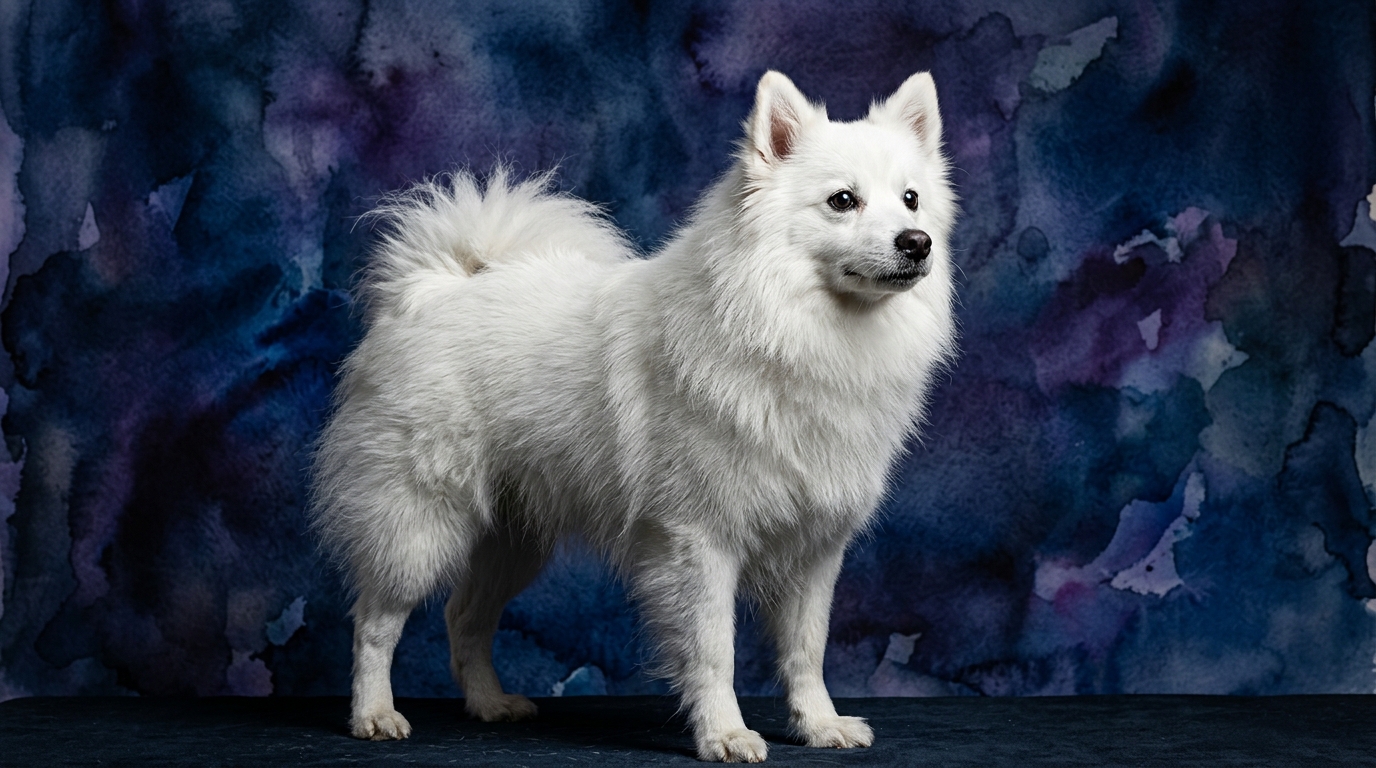
The American Eskimo Dog also scores identically across all five dimensions. Their Problem Solving (3/5) suggests a moderate ability to tackle puzzles and new challenges, often leaning towards figuring out their environment or devising playful strategies. Training Speed (3/5) means they learn new commands at an average pace, but their independent streak often requires variety and engaging activities to maintain focus. Social Intelligence (3/5) reflects a moderate understanding of social signals, allowing them to integrate well into family life while potentially being discerning with strangers. Their Instinctive Drive (3/5) frequently manifests as strong vigilance, vocalization, and a desire for activity and play. Memory (3/5) indicates an average capacity for recalling commands, trick sequences, and the layout of their surroundings with moderate reliability.
Where the Sussex Spaniel Displays Distinct Cognitive Advantages
Despite identical 3/5 scores, the Sussex Spaniel's cognitive strengths are distinctly shaped by its Sporting group heritage. Its problem-solving capacity, while moderate, is often geared towards cooperative tasks, particularly those involving scent work and tracking.
The Sussex excels in sustained focus on a given task, especially when it involves following a trail or methodically searching. This manifests as a more methodical approach to problem-solving, leveraging its instinctive drive for scent in a purposeful, handler-oriented manner. Their Coren rank of #62, unlike the unranked Eskie, suggests a more consistent aptitude for structured obedience and working tasks, which can translate into a more predictable application of their cognitive abilities in formal training settings.
Where the American Eskimo Dog Shines Cognitively
The American Eskimo Dog, while matching the Sussex in raw scores, often displays its cognitive abilities in different, equally compelling ways, reflecting its Non-Sporting group background. Their problem-solving, though 3/5, can manifest as cleverness in navigating domestic environments, such as figuring out how to access treats or outsmarting puzzle toys with ingenuity.
Eskies often demonstrate a keen social awareness within their immediate family, using their social intelligence to gauge moods and solicit attention or play. Their instinctive drive (3/5) contributes to their exceptional alertness and vigilance, making them quick to notice and react to changes in their environment, a form of practical intelligence for guarding and companionship. This vigilance, combined with their agility, often makes them adept at learning complex tricks and excelling in activities like canine freestyle or agility, where quick thinking and physical coordination are paramount.
Training Dynamics: Which Breed is More Amenable?
When considering ease of training, the nuances of their identical 3/5 training speed scores become apparent through their behavioral tendencies. The Sussex Spaniel, with its Sporting dog background and Coren rank, typically exhibits a stronger desire to please its handler and a more biddable nature.
Their cooperative instinct makes them generally more amenable to structured obedience training, especially when tasks involve scent or retrieving. While they learn at an average pace, their consistency and focus, particularly in a working context, can make the training process feel more straightforward and less prone to independent diversions. The American Eskimo Dog, conversely, often possesses a more independent and sometimes mischievous streak. While they are capable learners, their motivation might require more creativity and variety to sustain engagement.
Eskies might be prone to 'selective hearing' if they don't perceive the training as sufficiently rewarding or fun, requiring an owner who can make learning a game. Their alertness and vocal nature also mean that managing distractions and teaching quiet commands may require more patience and consistent positive reinforcement than with a Sussex Spaniel.
Matching Breeds to Lifestyles: Active vs. Relaxed Owners
For owners seeking a companion that thrives on moderate, structured activity and cooperative ventures, the Sussex Spaniel is an excellent fit. They require consistent physical exercise, daily walks, and mental stimulation, particularly through scent games or retrieving activities. Owners who enjoy leisurely but purposeful outdoor excursions, perhaps dabbling in scent work or field trials, will find a devoted and engaged partner in a Sussex.
They are not suited for entirely sedentary lifestyles, but their energy is typically manageable within a moderately active household. The American Eskimo Dog, in contrast, generally requires a more active and engaging owner. Their natural agility, alertness, and desire for mental engagement mean they thrive with owners who enjoy active play, trick training, and perhaps canine sports like agility or rally obedience.
Eskies need significant daily exercise and mental challenges to prevent boredom and channel their energy constructively. Their watchful and vocal nature also means they are best suited for owners who are prepared to manage their alertness and provide consistent training to ensure appropriate expressions of their protective instincts. They are not ideal for truly relaxed or hands-off owners, as their need for interaction and activity is substantial.
The Verdict
Choose the Sussex Spaniel if you desire a steadfast, cooperative companion for moderate activity, particularly if you appreciate scent work and a more biddable temperament in structured settings.
Opt for the American Eskimo Dog if you seek an agile, alert, and highly interactive companion, ready for engaging activities like tricks and agility, and you can provide consistent mental and physical stimulation.
🧠 Find Your Pet's IQ Score
Our Pet IQ Lab assessment covers 25+ tests across 5 cognitive dimensions — personalized to your breed.
Take the Full IQ Test →Frequently Asked Questions
Do Sussex Spaniels enjoy puzzle toys?
Yes, Sussex Spaniels can enjoy puzzle toys that engage their moderate problem-solving skills, especially if they involve scent or a reward. These toys can provide valuable mental stimulation, complementing their love for outdoor exploration and retrieving activities.
Are American Eskimo Dogs good at learning tricks?
American Eskimo Dogs are generally quite adept at learning tricks due to their moderate training speed, agility, and desire for engagement. Their intelligence often shines when presented with fun, varied challenges that make learning enjoyable and stimulating for them.
Which breed adapts better to apartment living?
Neither breed is ideally suited for constant apartment living without significant owner commitment. However, a Sussex Spaniel might adapt slightly better if its moderate exercise and scent work needs are consistently met, while an American Eskimo Dog's higher energy, vocal tendencies, and need for constant engagement can make apartment life more challenging without extensive daily outdoor activity and mental stimulation.