Side-by-Side IQ Profile
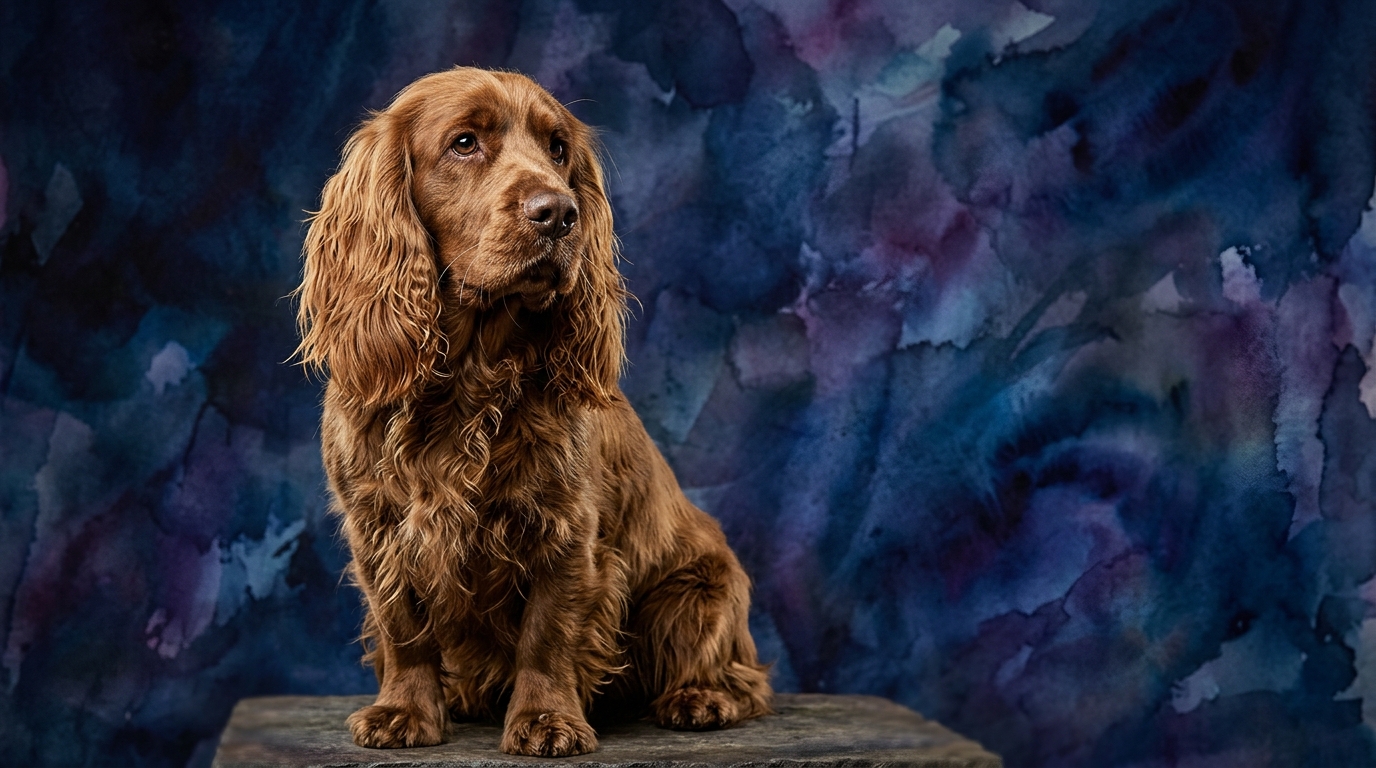
**Sussex Spaniel (Sporting Group, Coren Rank #62)**
**Problem Solving (3/5):** For the Sussex Spaniel, this score reflects a practical, persistent approach to tasks like scent work or navigating varied terrain. Their problem-solving is rooted in methodical trial-and-error to achieve tangible goals, such as flushing game, rather than abstract reasoning.
**Training Speed (3/5):** A 3/5 training speed indicates a steady, rather than rapid, learning curve, absorbing commands effectively with consistency. They require patience and positive reinforcement to build a solid foundation over time.
**Social Intelligence (3/5):** Their social intelligence manifests as a deep bond with primary human companions and a nuanced understanding of family dynamics. They are sensitive to human moods within their trusted circle, often preferring familiar interactions.
**Instinctive Drive (3/5):** The Sussex Spaniel's instinctive drive is primarily centered around their sporting heritage, pointing to a moderate but persistent drive for sniffing, tracking, and retrieving. They exhibit a focused determination when pursuing these innate behaviors in the field.
**Memory (3/5):** A 3/5 memory score suggests a reliable capacity to recall learned commands, routines, and familiar locations, especially when reinforced. This retention contributes to their consistent behavior patterns.
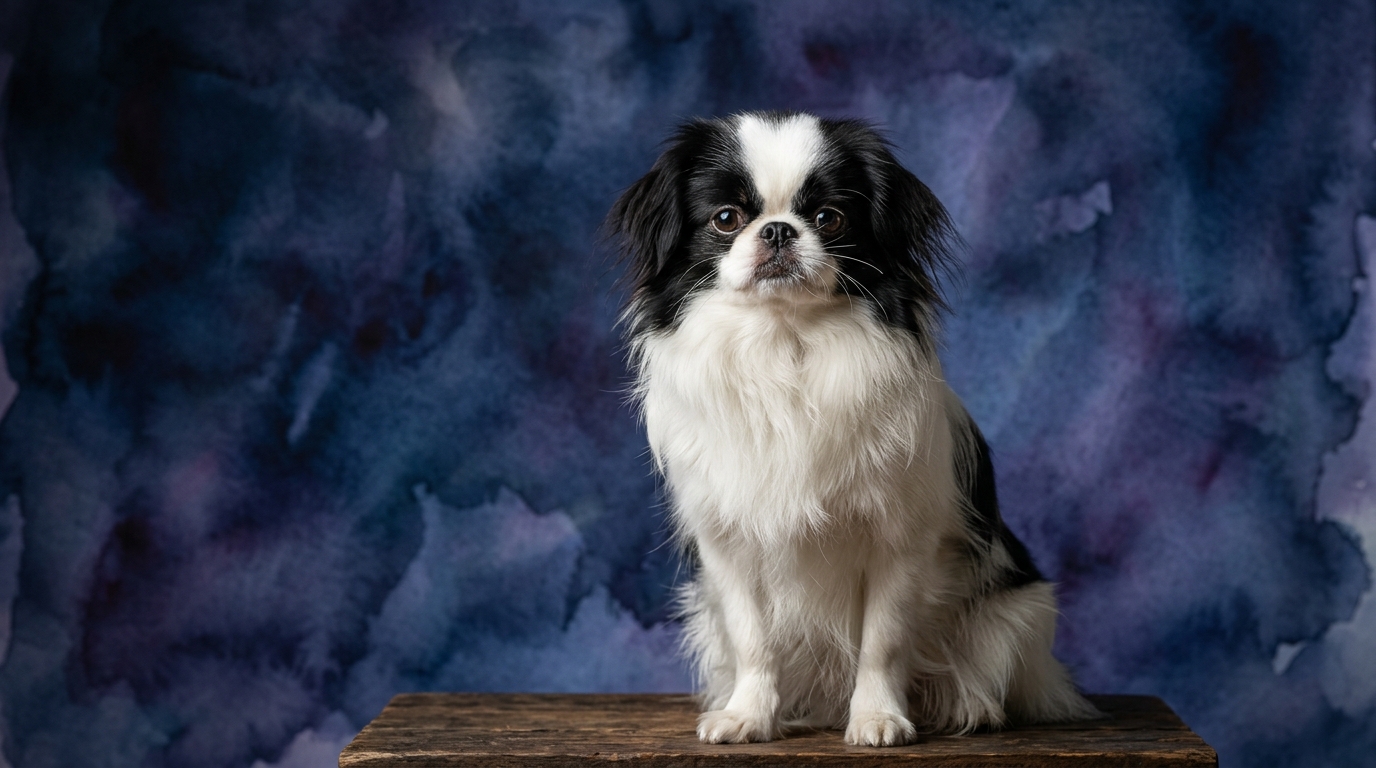
**Japanese Chin (Toy Group, Not Coren-ranked)**
**Problem Solving (3/5):** For the Japanese Chin, 3/5 in problem-solving often translates to cleverness in a domestic context, figuring out how to gain attention or manipulate their environment for comfort. Their solutions are frequently socially oriented, involving charming persistence to achieve desired outcomes.
**Training Speed (3/5):** The Chin's 3/5 training speed implies they learn at a moderate pace, particularly when the training is perceived as fun or rewarding. They respond well to positive reinforcement but their independent spirit means engaging methods are crucial to prevent boredom.
**Social Intelligence (3/5):** Japanese Chins exhibit a highly refined social intelligence, particularly attuned to their human companions. Their 3/5 score highlights their remarkable ability to read emotions, anticipate needs, and adapt behavior to fit social situations, thriving on companionship.
**Instinctive Drive (3/5):** The instinctive drive in a Japanese Chin, rated 3/5, is largely focused on companionship and comfort, often seeking proximity to people or cozy spots. They possess a playful, often cat-like inclination for amusement rather than a primal urge to hunt.
**Memory (3/5):** The Japanese Chin's 3/5 memory score indicates good retention of routines, human preferences, and past interactions. They remember who offers the best cuddles or treats, allowing them to navigate their domestic world with confidence.
Where Sussex Spaniel Wins Cognitively
Despite identical raw scores, the Sussex Spaniel's cognitive strengths lean into practical application and sustained focus, particularly in scent-driven tasks. Their Problem Solving at 3/5, combined with their 3/5 Instinctive Drive, means they excel at methodical, persistent work that requires sustained attention to specific sensory input, like tracking a scent trail. This isn't about abstract thought, but about a dedicated, physical intelligence rooted in their original purpose. Their memory (3/5) supports recalling complex patterns in terrain or scent variations, crucial for a working gundog. This steadfastness in purpose-driven tasks is a clear cognitive advantage for the Sussex Spaniel.
Where Japanese Chin Wins Cognitively
The Japanese Chin's cognitive strengths shine in their social and adaptive intelligence within a domestic setting. While both breeds score 3/5 in Social Intelligence, the Chin's expression is remarkably refined for human interaction. Their ability to read subtle human cues, anticipate needs, and even 'perform' for attention demonstrates a sophisticated understanding of social dynamics. Their Problem Solving (3/5) is less about physical prowess and more about navigating complex human households, like figuring out how to get a preferred treat or secure a prime lap spot. The Chin's cognitive 'win' is in their exceptional ability to integrate seamlessly and often humorously into human family life, using their wits and charm to achieve a comfortable existence.
Which is Easier to Train and Why
Both breeds hold a 3/5 in Training Speed, but the nature of their trainability differs significantly due to their inherent motivations and temperaments. The Sussex Spaniel, a sporting dog, responds well to consistent, reward-based training focused on commands and tasks. They possess a desire to work alongside their handler, and while they can be independently minded, their general willingness to please makes them amenable to learning practical skills. Training sessions should be engaging and varied to maintain their interest, as repetition without purpose can lead to boredom; they learn best with clear expectations and a calm, patient approach.
The Japanese Chin, while also scoring 3/5, learns quickly when motivated by attention, treats, or play. Their training speed is influenced by their sensitive nature and preference for companionship. They are capable of learning a wide array of tricks and manners, but harsh corrections can cause them to shut down or become stubborn. Their social intelligence (3/5) means they are highly attuned to their trainer's emotions, and positive reinforcement works exceptionally well. However, their independent spirit means they might choose not to perform if they don't see the immediate benefit. Neither is 'easier' in an absolute sense; rather, their training requires different approaches tailored to their intrinsic motivations.
Which Suits Active Owners vs Relaxed Owners
The **Sussex Spaniel** is an ideal match for active owners who enjoy outdoor pursuits and are prepared to provide structured engagement. Their moderate instinctive drive (3/5) for scent work and retrieving means they thrive with regular opportunities to explore and use their nose. Daily long walks, hikes, or even participation in dog sports like scent work are essential to keep their minds and bodies content. Owners who appreciate a dog that is sturdy, enjoys the outdoors, and can be a devoted companion on adventures will find the Sussex Spaniel a fulfilling partner.
The **Japanese Chin** is perfectly suited for more relaxed owners who appreciate a devoted, indoor companion. While they enjoy short bursts of playful activity and walks, their exercise needs are modest. Their 3/5 social intelligence means they thrive on close human companionship and are content to spend much of their day lounging with their family. They are excellent apartment dwellers and adapt well to quieter lifestyles, as long as they receive ample attention and affection. Owners who prefer a charming, often amusing, lapdog that is highly attuned to their emotions and does not demand extensive physical exertion will find the Japanese Chin a delightful presence.
The Verdict
Opt for the Sussex Spaniel if you are an active individual or family seeking a robust, loyal companion for outdoor activities and enjoy engaging in scent-based work or consistent, purposeful training.
Select the Japanese Chin if you desire a charming, sensitive, and devoted indoor companion who thrives on close human interaction and requires moderate exercise, fitting seamlessly into a relaxed home environment.
🧠 Find Your Pet's IQ Score
Our Pet IQ Lab assessment covers 25+ tests across 5 cognitive dimensions — personalized to your breed.
Take the Full IQ Test →Frequently Asked Questions
Do Sussex Spaniels make good family dogs?
Yes, Sussex Spaniels can be excellent family dogs, particularly for those who understand their need for consistent exercise and mental engagement. They form strong bonds with their family members and are generally patient and amiable with children, especially when properly socialized from a young age.
Are Japanese Chins prone to separation anxiety?
Japanese Chins thrive on companionship due to their high social intelligence (3/5) and can be prone to separation anxiety if left alone for extended periods. They bond deeply with their owners and prefer to be included in daily activities, making gradual alone time training beneficial.
How much mental stimulation does each breed need?
Both breeds require mental stimulation, though the type differs. Sussex Spaniels benefit from activities that engage their scent drive and problem-solving (3/5) like puzzle toys or scent games. Japanese Chins, with their social intelligence (3/5), thrive on interactive play with their owners, learning new tricks, and being involved in household activities that challenge their domestic problem-solving skills.