Side-by-Side IQ Profile: A Deeper Look at 3/5 Scores
At The Cosmic Pet Pet IQ Lab, we assess canine intelligence across five key dimensions, each scored on a scale of 1 to 5. Both the Sussex Spaniel and the Otterhound register a consistent 3/5 in every category, suggesting a moderate, balanced cognitive aptitude. However, a '3' for a Sporting dog often manifests differently than a '3' for a Hound.
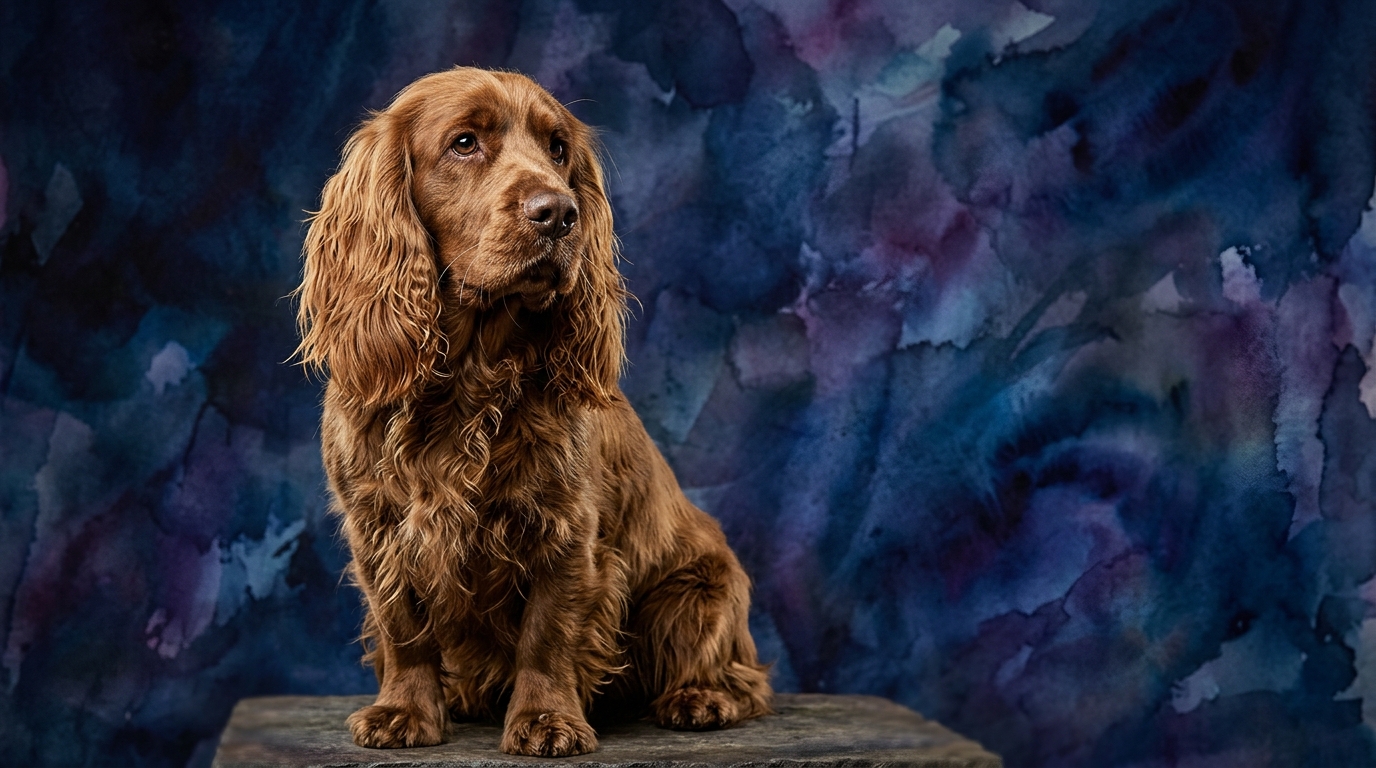
For the Sussex Spaniel, a Sporting breed ranked #62 by Coren, its Problem Solving score of 3/5 typically translates to an ability to figure out tasks related to its historical role of flushing game in dense cover. They can navigate complex undergrowth and deduce how to retrieve fallen birds, often requiring a practical, hands-on approach to challenges. Their Training Speed, also 3/5, indicates they are capable learners, absorbing commands and routines at a steady pace, often motivated by positive reinforcement and a desire to work alongside their handler. Social Intelligence at 3/5 means they are generally aware of human cues and can adapt to social situations, often forming strong bonds and showing attentiveness to their family. Their Instinctive Drive, 3/5, is geared towards flushing and retrieving, a focused energy that, while present, is typically manageable and cooperative. Memory, 3/5, allows them to retain training, remember routines, and recall specific locations or tasks with moderate reliability.
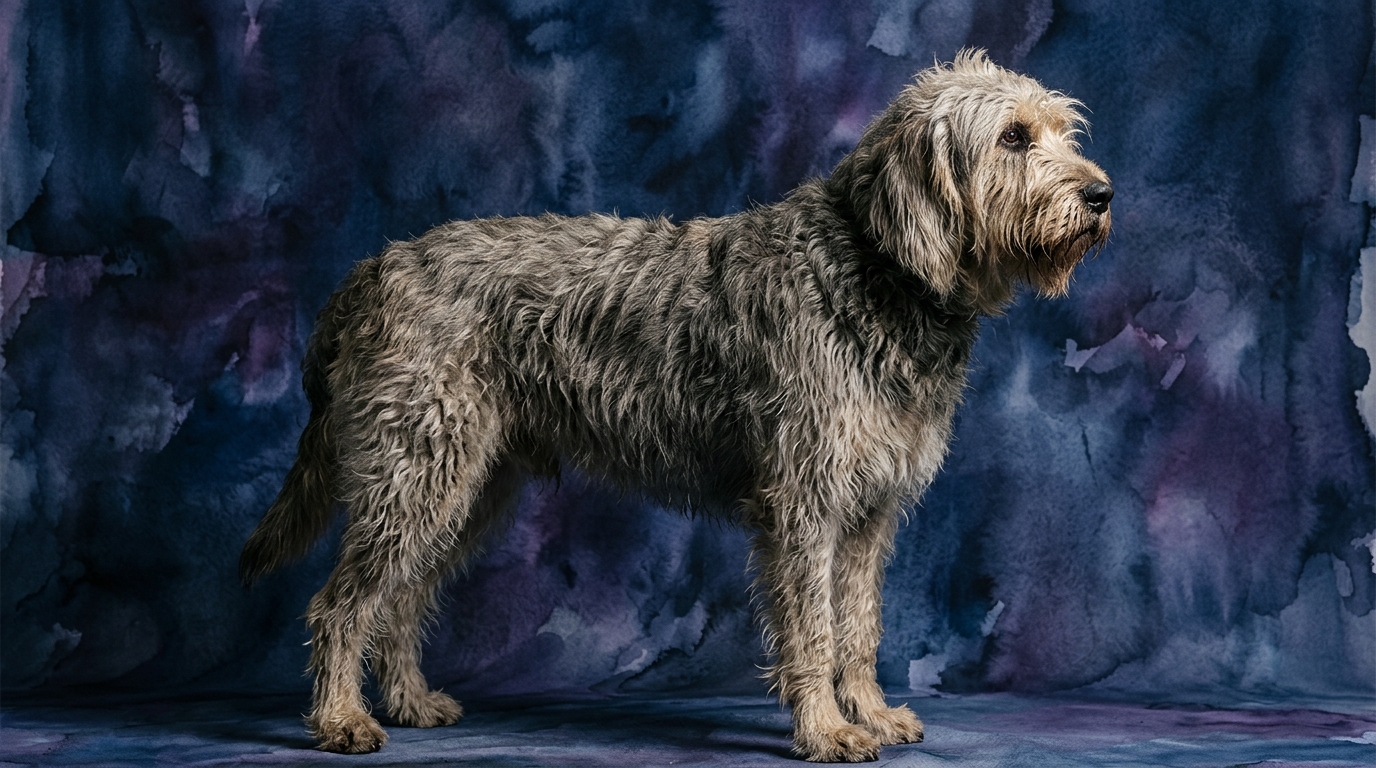
The Otterhound, a robust Hound breed not Coren-ranked, also scores 3/5 in Problem Solving, but its application is distinct. This manifests as exceptional ability in tracking and following complex scent trails over varied terrain, often requiring independent decision-making and persistence. Their 3/5 Training Speed means they can learn, but their strong, independent scent drive may occasionally override their desire to comply, requiring patient and consistent methods that appeal to their natural inclinations. Social Intelligence at 3/5 suggests they are friendly and generally good-natured, enjoying companionship, but their primary focus can often be on their olfactory world rather than direct human interaction. Their Instinctive Drive, 3/5, is a powerful and relentless urge to follow a scent, coupled with impressive endurance, making them formidable trackers. Memory, 3/5, helps them recall scent patterns and routes, though their recall for human commands might be tested when a compelling scent takes precedence.
Where the Sussex Spaniel Cognitively Excels
Despite identical scores, the Sussex Spaniel's cognitive strengths lean into its cooperative nature and biddability. Their 3/5 in Problem Solving is often channeled into tasks that involve human partnership, such as navigating a defined search area or figuring out how to retrieve a specific item on command. This breed tends to excel in scenarios where a solution directly benefits their handler or fulfills a shared objective.
The Sussex Spaniel's 3/5 Social Intelligence is particularly strong in its ability to 'read' its human companions and respond to their moods or intentions. They are generally more attuned to subtle human body language and vocal inflections, making them responsive companions in day-to-day interactions. This attentiveness, combined with their 3/5 Training Speed, means they are often more amenable to structured obedience and enjoy participating in activities like rally or scent work where they work closely with an owner. Their memory (3/5) is well-suited for retaining a repertoire of commands and understanding household routines, contributing to their reputation as a steady and predictable family member.
Where the Otterhound Cognitively Excels
The Otterhound's cognitive prowess, while also scoring 3/5, truly shines in its specialized field of scent work and independent pursuit. Their 3/5 Problem Solving is a masterclass in olfactory deduction, enabling them to follow incredibly faint and complex scent trails across diverse environments, from water to land, navigating obstacles with relentless determination. This isn't about solving human-designed puzzles, but about interpreting the world through an intricate tapestry of smells.
The Otterhound's 3/5 Instinctive Drive is a powerful engine for sustained, independent effort. While a Sussex Spaniel's drive might be focused on a quick flush and retrieve, an Otterhound's drive enables hours of tracking, requiring immense cognitive focus to maintain a trail and make decisions without constant human direction. Their memory (3/5) in this context is phenomenal for recalling specific scent patterns and retaining the 'map' of a hunt. Their Social Intelligence (3/5) often manifests as a robust sociability within a pack (canine or human), but with a strong self-reliance; they are friendly but perhaps less dependent on constant human validation than a spaniel, comfortable in their own, scent-driven world.
Which is Easier to Train and Why?
When considering ease of training, the Sussex Spaniel generally holds an edge, despite both breeds sharing a 3/5 Training Speed score. The Sussex Spaniel's Sporting group heritage means they were selectively bred to work collaboratively with hunters, requiring them to be attentive and responsive to commands. Their inherent desire to please and their focus on their handler means that their 3/5 training speed is often applied more directly to human-directed tasks. They tend to find satisfaction in successful cooperation, which reinforces learning.
The Otterhound, by contrast, possesses a deep-seated independent streak typical of many Hound breeds. Their primary drive is to follow scent, a task that requires them to make their own decisions and can lead them to become engrossed in their olfactory world, sometimes to the exclusion of human commands. While their 3/5 memory is capable, applying it to obedience commands when a compelling scent is present can be a significant challenge. Training an Otterhound often requires more patience, creativity, and a profound understanding of their scent-driven motivations, making consistency and high-value rewards crucial to keep their focus. Their willingness to learn is there, but their priorities can be different, often resulting in a more 'selective' hearing when on a trail.
Suitability for Active vs. Relaxed Owners
The choice between a Sussex Spaniel and an Otterhound also hinges significantly on an owner's lifestyle and activity levels. The Sussex Spaniel, while requiring regular exercise, is generally adaptable to a slightly more varied activity spectrum. They thrive on consistent daily walks, engaging play sessions, and activities like retrieving or scent games that tap into their sporting instincts. They can be active companions for hiking or long strolls, but are also content to relax indoors with their family after their needs are met. Their 3/5 instinctive drive is manageable, allowing them to settle well in a home environment.
The Otterhound, with its powerful 3/5 instinctive drive and historical role as a relentless tracker, demands a truly active and dedicated owner. These dogs possess incredible stamina and a profound need to use their nose, making long, vigorous daily exercise non-negotiable. They are not content with short walks; they require substantial opportunities to explore and engage their scenting abilities, ideally in securely fenced areas or on long-line scent walks. A relaxed, sedentary owner would likely find an Otterhound's energy and vocal nature (they are known for their deep bay) overwhelming. They are best suited for individuals or families who embrace an outdoorsy lifestyle and can provide consistent, stimulating outlets for their impressive physical and cognitive needs.
The Verdict
Choose the Sussex Spaniel if you desire a cooperative, moderately active companion who enjoys working closely with you and adapts well to a balanced indoor-outdoor lifestyle.
Opt for the Otterhound if you are an exceptionally active, outdoors-oriented individual or family prepared to commit to substantial daily exercise and independent scent work, appreciating a dog with robust endurance and an independent spirit.
🧠 Find Your Pet's IQ Score
Our Pet IQ Lab assessment covers 25+ tests across 5 cognitive dimensions — personalized to your breed.
Take the Full IQ Test →Frequently Asked Questions
Do Sussex Spaniels shed a lot?
Yes, Sussex Spaniels have a dense double coat that sheds moderately year-round, with heavier shedding seasons twice a year. Regular brushing, at least 2-3 times a week, is essential to manage loose hair and prevent matting, keeping their coat healthy and tidy.
Are Otterhounds good with children?
Otterhounds are generally known for their friendly and good-natured temperament, often making them suitable companions for children. Their robust build and playful nature mean they can tolerate rough-and-tumble play, but supervision is always recommended to ensure respectful interactions from both dog and child.
What is the typical lifespan for these breeds?
The average lifespan for a Sussex Spaniel is typically between 12 to 15 years, while Otterhounds generally live for 10 to 13 years. Both breeds benefit from proper nutrition, regular veterinary care, and an appropriate exercise regimen to support their longevity.