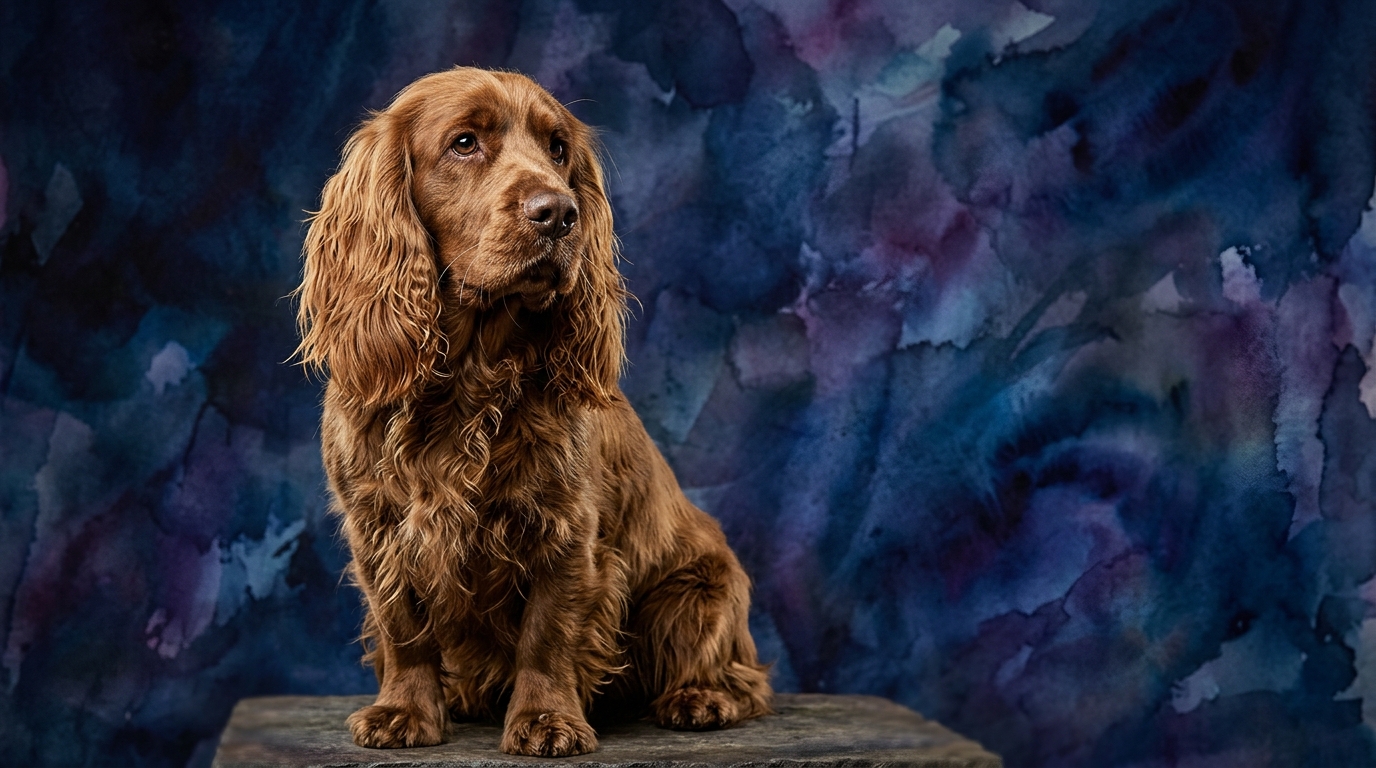
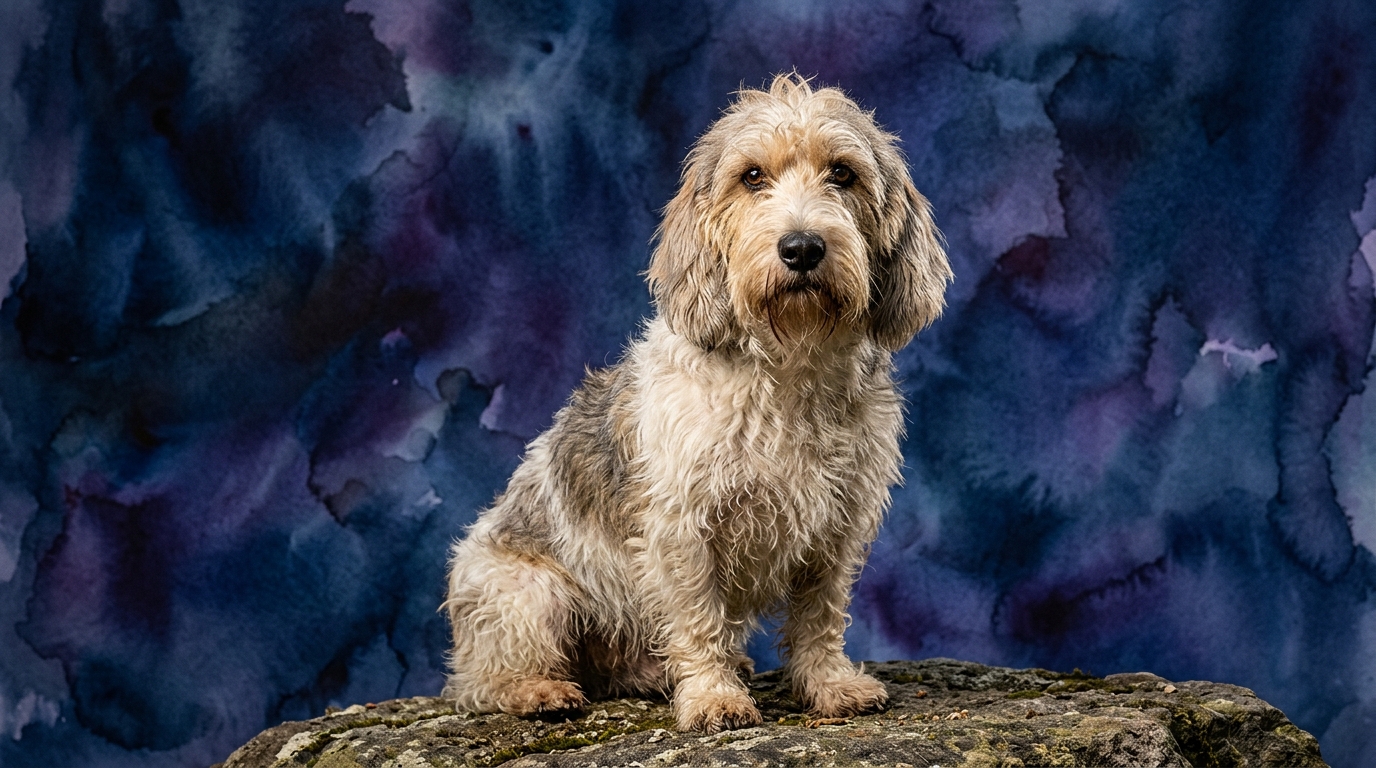
Side-by-Side IQ Profile: Sussex Spaniel vs. PBGV
For the Sussex Spaniel, a 3/5 in problem-solving often translates to navigating complex terrain to flush game, figuring out how to retrieve an item from a challenging spot, or understanding multi-step commands in a field setting. Their problem-solving is typically geared towards cooperative tasks, working in tandem with a human handler to achieve a shared goal. The Petit Basset Griffon Vendéen, also scoring 3/5, applies its problem-solving prowess differently. For this scenthound, it's about independently deciphering intricate scent trails, strategizing how to penetrate dense undergrowth to follow a lead, or finding the most efficient path to a quarry based on olfactory cues. Their intelligence shines in autonomous decision-making rooted in sensory input, particularly scent.
A 3/5 in training speed for the Sussex Spaniel indicates a moderate ability to grasp new commands and routines. They generally respond well to consistent, positive reinforcement, particularly when the training incorporates elements of their natural retrieving and flushing drives. Their desire to please their handler contributes to their learning engagement. The Petit Basset Griffon Vendéen also learns at a moderate pace, scoring 3/5. However, their independent hound nature means that while they can learn quickly, their focus can be heavily influenced by environmental distractions, especially intriguing scents. Training often requires more patience and creativity to hold their attention against the pull of their primary instinct.
The Sussex Spaniel's 3/5 in social intelligence manifests as a keen awareness of human moods and intentions, crucial for a dog bred to work closely with a hunter. They often excel at reading subtle cues from their handler, adapting their behavior to the situation, and engaging cooperatively in family settings. For the Petit Basset Griffon Vendéen, 3/5 social intelligence often means a strong understanding of pack dynamics, both canine and human. They communicate effectively through body language and vocalizations, often expressing their desires or discoveries with a characteristic bay. Their social acumen is less about strict obedience to human command and more about harmonious coexistence and conveying information.
The Sussex Spaniel's 3/5 instinctive drive is deeply rooted in its Sporting group heritage. This manifests as a moderate but persistent drive to scent, flush, and retrieve game, coupled with a natural inclination to work within reasonable range of a handler. Their drive is purposeful and directed towards cooperative hunting tasks. The Petit Basset Griffon Vendéen, with an identical 3/5, possesses a powerful, independent instinctive drive for scenting and tracking. This breed lives to follow a trail, often with a single-minded intensity that can override other stimuli. Their drive is about autonomous pursuit, baying to alert their human companions to their progress or discovery.
A 3/5 memory for the Sussex Spaniel typically means they retain learned commands, routines, and the locations of frequently visited places or objects with moderate reliability. They can remember complex sequences of actions related to field work or agility. The Petit Basset Griffon Vendéen, also scoring 3/5, demonstrates memory for scent patterns, successful tracking routes, and the locations of particularly interesting smells or past discoveries. Their memory is often highly contextual, especially concerning olfactory information, allowing them to revisit and re-evaluate scent trails with precision.
Where the Sussex Spaniel Wins Cognitively
The Sussex Spaniel's cognitive strengths truly shine in scenarios demanding cooperative effort and structured task completion. Their intelligence is intrinsically linked to partnership. A Sussex excels when asked to perform a sequence of actions, such as 'seek, flush, retrieve,' demonstrating an understanding of the overall goal and the steps required to achieve it in collaboration with their person. Their ability to read human cues and maintain focus on a shared objective makes them particularly adept at activities like obedience trials, advanced retrieving, or even therapy work, where consistent, directed engagement is paramount. This breed's cognitive architecture is designed for working with humans, valuing direction and a unified purpose over independent exploration.
Where the Petit Basset Griffon Vendéen Wins Cognitively
Conversely, the Petit Basset Griffon Vendéen's cognitive profile excels in autonomous, sensory-driven problem-solving, particularly when it involves scent. While their 'Problem Solving' score is the same, the application differs. A PBGV demonstrates superior cognitive agility when confronted with a fading or complex scent trail, independently piecing together fragmented information to continue the pursuit. Their persistence and unwavering focus in the face of olfactory challenges are remarkable; they can ignore visual distractions or human commands when engrossed in a scent puzzle. This breed’s cognitive strength lies in its ability to independently interpret environmental data, make decisions based on instinct and memory, and methodically work through a complex sensory task without constant human intervention, making them exceptional at tracking and scent work.
Which is Easier to Train and Why
Despite both breeds scoring 3/5 in Training Speed, the Sussex Spaniel is generally perceived as easier to train for conventional obedience and household manners. This difference stems not from intelligence, but from their inherent breed motivations and historical roles. The Sussex, a Sporting dog, was selectively bred to work closely with a handler, eager to please and responsive to direction. Their 'Instinctive Drive' (3/5) is channeled into cooperative tasks, making them more inclined to focus on human commands even amidst distractions. Conversely, the Petit Basset Griffon Vendéen, a scenthound, was developed to hunt independently, relying on its nose and its own judgment. While they learn new commands at a moderate pace, their profound 'Instinctive Drive' (3/5) for scent can be an overwhelming distraction. A compelling scent trail will often take precedence over a handler’s command, requiring immense patience and highly rewarding motivation techniques to maintain focus. Therefore, while both can learn, the Sussex’s natural inclination towards partnership makes the training process smoother and often yields more consistent results in typical companion dog roles.
Which Suits Active Owners vs. Relaxed Owners
Neither the Sussex Spaniel nor the Petit Basset Griffon Vendéen are suited for truly 'relaxed' owners who prefer a sedentary lifestyle. Both breeds possess a moderate instinctive drive (3/5) and require consistent physical and mental engagement. For active owners, the Sussex Spaniel thrives with structured activities that engage both their body and mind. They excel in activities like long walks, hiking, retrieving games, agility, or even introductory field work. Owners who enjoy teaching new tricks, participating in dog sports, or having a cooperative companion for outdoor adventures will find the Sussex a rewarding partner. Their desire to work with their human makes them adaptable to various active pursuits, provided they offer mental stimulation.
The Petit Basset Griffon Vendéen also requires active owners, but with a specific focus on scent-driven outlets. They need ample opportunities for off-leash exploration in secure areas, allowing them to indulge their powerful sense of smell and follow trails. Long, meandering walks where they can sniff to their heart's content are paramount. Owners who appreciate a dog with an independent spirit and are willing to engage in activities like tracking, nose work, or even just letting them 'hunt' for hidden treats in the yard will find a PBGV fulfilling. Their activity needs are less about high-impact sports and more about sustained, sniff-intensive exploration. For relaxed owners, neither breed is an ideal fit. However, if forced to choose for a slightly less active household, the Sussex Spaniel's more human-directed cognitive style might be marginally easier to manage, provided they still receive daily walks and mental enrichment. A PBGV's independent scent drive can quickly lead to boredom and destructive behaviors if not adequately engaged, making them more challenging for a truly relaxed lifestyle.
The Verdict
Choose the Sussex Spaniel if you seek a cooperative companion eager to engage in structured activities, value a dog that reads your cues for partnership, and enjoy a moderate energy level that channels well into obedience and retrieving games.
Opt for the Petit Basset Griffon Vendéen if you appreciate an independent spirit, are prepared to satisfy a profound scent drive with ample exploration and nose work, and enjoy a dog that offers unique, autonomous problem-solving in the environment.
🧠 Find Your Pet's IQ Score
Our Pet IQ Lab assessment covers 25+ tests across 5 cognitive dimensions — personalized to your breed.
Take the Full IQ Test →Frequently Asked Questions
Are Sussex Spaniels good family dogs?
Yes, Sussex Spaniels can be wonderful family dogs. They are generally gentle, patient, and good with children, especially when properly socialized from a young age, though supervision is always advised with younger kids.
Do PBGVs bark a lot?
Petit Basset Griffon Vendéens are known for their distinctive bay and can be quite vocal, particularly when they pick up a scent or are excited. Consistent training and management are key to moderating their barking tendencies.
How much exercise do these breeds need?
Both breeds require moderate daily exercise. Sussex Spaniels benefit from daily walks, play sessions, and mental stimulation. PBGVs thrive on long, sniff-filled walks or opportunities for off-leash exploration in secure areas to satisfy their strong scent drive.