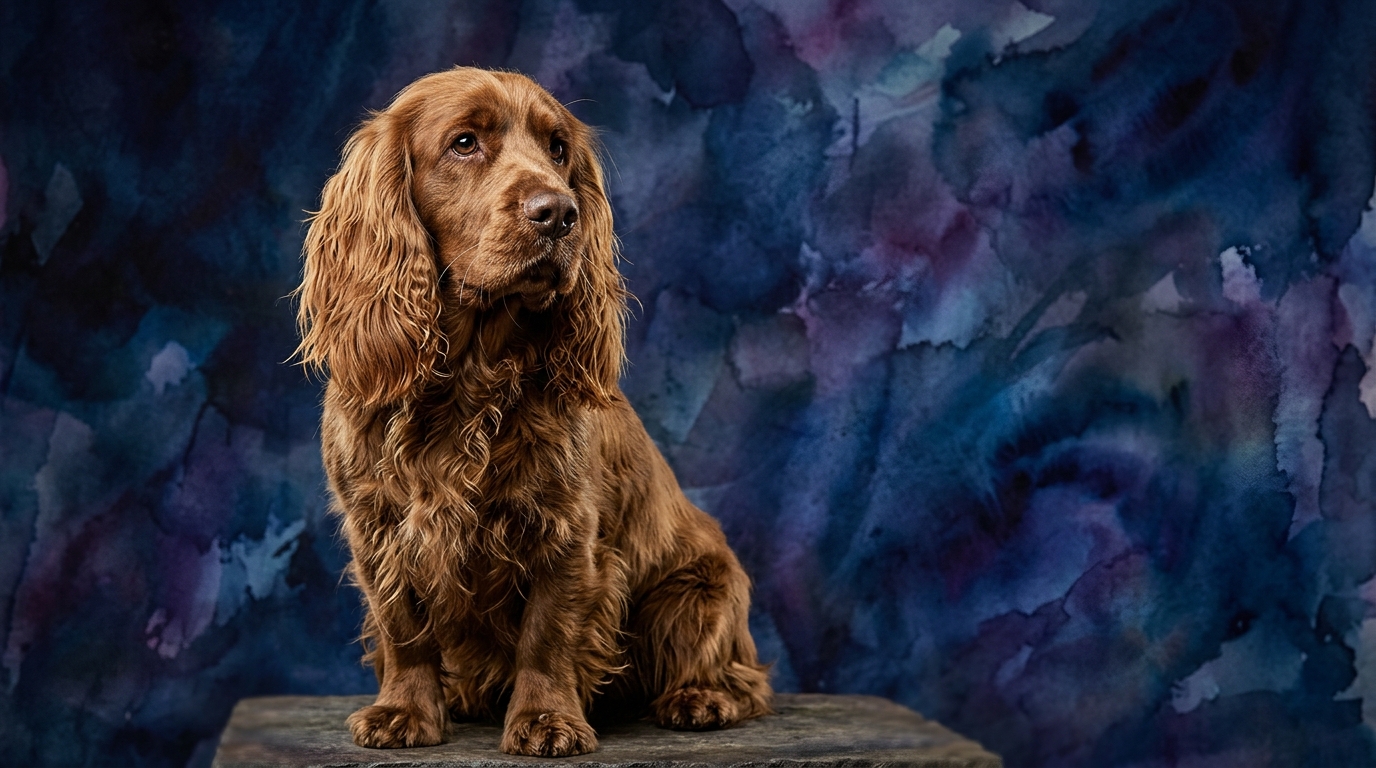
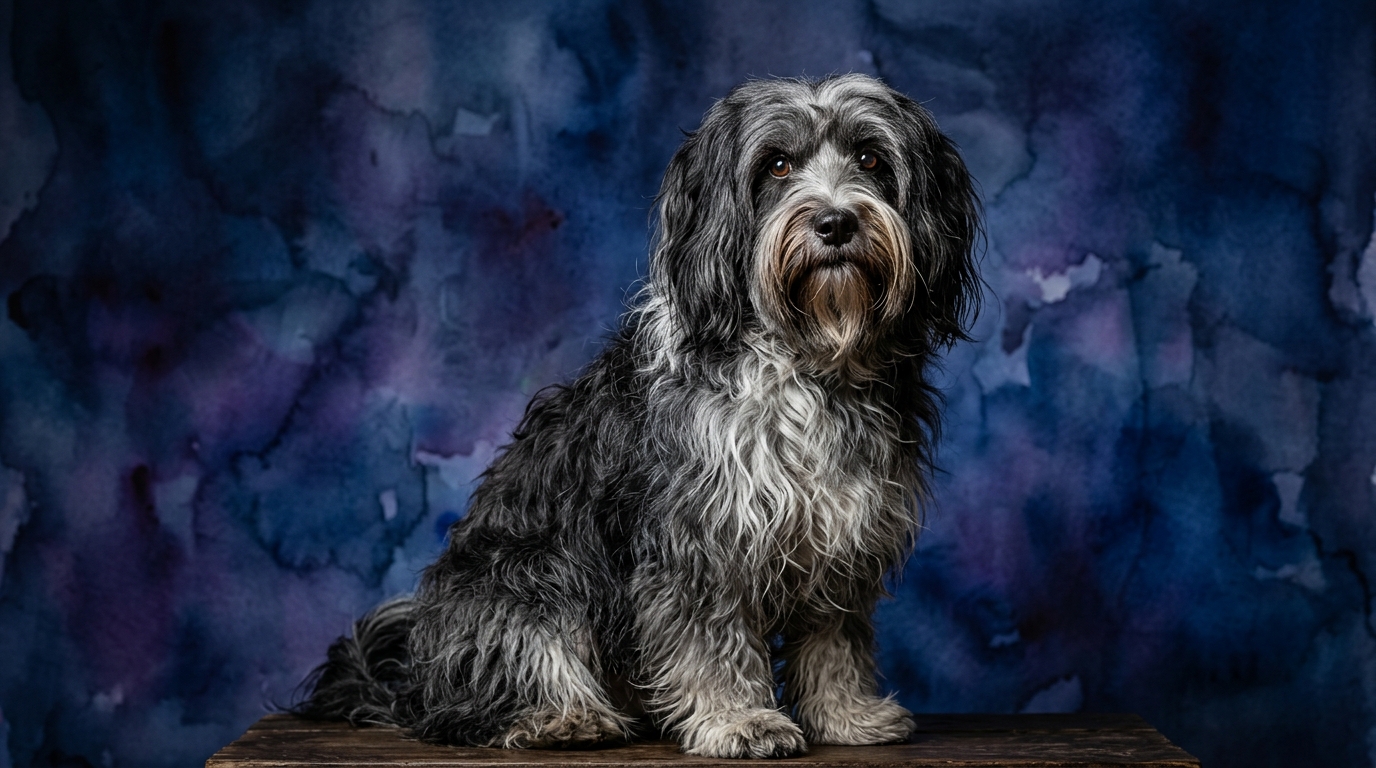
Side-by-Side IQ Profile: Sussex Spaniel vs. Tibetan Terrier
Both breeds demonstrate a moderate capacity for navigating new challenges, reflected in their 3/5 Problem Solving score. For a Sussex Spaniel, this often involves methodically working through a scent trail or figuring out how to retrieve an object from a tricky spot, relying on persistence rather than immediate insight. The Tibetan Terrier, conversely, might apply this score to cleverly manipulating situations to gain attention or figuring out how to bypass a minor household obstacle, often with a touch of independent thought.
Neither breed is a lightning-fast learner, requiring consistent, patient instruction to achieve their 3/5 Training Speed score. A Sussex Spaniel's progress might be influenced by their sometimes-stubborn nature, necessitating positive reinforcement and clear, repetitive cues to cement commands. The Tibetan Terrier, while generally eager to please their family, can also possess an independent streak, meaning training success hinges on engaging their interest and making lessons feel like a game.
Both breeds possess moderate Social Intelligence (3/5). The Sussex Spaniel tends to be devoted to their family, understanding household routines and moods, though they can be reserved with strangers. Their social cues are often direct and earnest. The Tibetan Terrier displays a similar loyalty to their inner circle, often quite perceptive of human emotions, yet they maintain a watchful, sometimes aloof demeanor towards outsiders, making them excellent, discerning companions.
Their Instinctive Drive (3/5) differs significantly despite the same score. For the Sussex Spaniel, this reflects their heritage as a methodical flushing spaniel, manifesting in a moderate but persistent drive for scent work, exploring cover, and carrying objects. The Tibetan Terrier's instinctive drive leans more towards their ancient role as a companion and watchdog in monasteries, exhibiting a moderate but noticeable alertness to surroundings, a tendency to bark at perceived threats, and a desire to “herd” or keep their family members together.
Both breeds show a moderate ability to retain learned information and experiences, scoring 3/5 for Memory. A Sussex Spaniel will remember established routes, learned commands, and family routines, which aids in their consistent performance once a task is mastered. The Tibetan Terrier also demonstrates good recall for boundaries, family members, and past interactions, contributing to their reliable nature within their home environment.
Where the Sussex Spaniel Wins Cognitively
While their scores are numerically identical, the Sussex Spaniel often exhibits a distinct cognitive advantage in tasks requiring sustained, methodical focus, particularly those involving scent or object retrieval. Their problem-solving (3/5) in a field setting, for instance, is characterized by a tenacious determination to follow through on a scent or locate a hidden item, rather than a quick, flashy insight. This deep-seated commitment to a task, rooted in their sporting heritage, means they excel when allowed to work through a challenge systematically, using their strong olfactory senses and physical endurance. Their memory (3/5) also shines in retaining complex sequences of actions for hunting or tracking, making them reliable partners for specific, repetitive work.
Where the Tibetan Terrier Wins Cognitively
Conversely, the Tibetan Terrier shines in areas demanding more nuanced observation and adaptability within a social environment. Their problem-solving (3/5) often manifests as a cleverness in navigating household dynamics, understanding subtle human cues, and finding creative ways to achieve their desires, like opening a cupboard or getting a favored toy. Their social intelligence (3/5) is particularly adept at “reading the room,” making them highly perceptive companions who can anticipate their owner's moods or intentions. This breed's cognitive edge lies in their ability to integrate information from their surroundings and apply it flexibly, making them excellent at adapting to varied home situations and discerning who belongs and who doesn't.
Which is Easier to Train and Why?
Determining which breed is “easier” to train, despite their identical 3/5 training speed scores, boils down to understanding their motivations and temperaments. The Sussex Spaniel, while capable, can possess a notable independent and sometimes stubborn streak. Training them requires immense patience, consistent positive reinforcement, and often benefits from incorporating their natural love for scent work or retrieving to keep them engaged. They are not always driven by a strong desire to please, but rather by the satisfaction of completing a task or the reward of a treat. The Tibetan Terrier, on the other hand, often responds more readily to training due to their strong bond with their family and a desire for companionship. While they can have an independent mind, their sensitivity and social intelligence (3/5) mean they are often more attuned to their owner's feedback and can be more motivated by praise and interactive play. Therefore, for most pet owners, the Tibetan Terrier might feel marginally “easier” to train because of their inherent responsiveness to human connection, even if the actual speed of learning new commands is comparable.
Which Suits Active Owners vs. Relaxed Owners?
The choice between these two breeds also depends significantly on an owner's lifestyle. The Sussex Spaniel, despite its calm demeanor indoors, is a Sporting dog at heart and requires consistent, moderate activity to thrive. They benefit greatly from daily walks, opportunities for off-leash exploration in secure areas, and engaging in scent games or retrieving sessions. An active owner who enjoys outdoor pursuits, even leisurely ones like hiking or long strolls, and can provide mental stimulation through structured activities, will find a Sussex Spaniel a wonderful match. A relaxed owner who cannot commit to regular, purposeful exercise might find the Sussex becomes restless or vocal. The Tibetan Terrier, while agile and playful, is often more adaptable to a variety of lifestyles. They enjoy active play sessions and daily walks, but their cognitive needs can also be met with indoor games, puzzle toys, and interactive family time. While they are not couch potatoes, they can be content with slightly less rigorous outdoor activity than a Sussex, provided their minds are kept busy. Thus, a moderately active owner who enjoys engaging their dog in mental games and shorter, frequent walks might find the Tibetan Terrier a more flexible companion.
The Verdict
For those seeking a devoted companion who excels at methodical outdoor work and thrives on consistent, purposeful activity, the Sussex Spaniel is an excellent choice.
If you value a perceptive, adaptable watchdog and a playful family member who can thrive in various home environments with moderate exercise, the Tibetan Terrier will be an ideal fit.
🧠 Find Your Pet's IQ Score
Our Pet IQ Lab assessment covers 25+ tests across 5 cognitive dimensions — personalized to your breed.
Take the Full IQ Test →Frequently Asked Questions
Do Sussex Spaniels make good family pets, given their sporting background?
Yes, Sussex Spaniels are generally good-natured and devoted family pets, especially with proper socialization. Their calm temperament makes them patient companions for children, though their size and occasional stubbornness mean supervision is always wise.
Are Tibetan Terriers prone to excessive barking?
Tibetan Terriers were originally watchdogs, so they do have a natural inclination to bark to alert their family to perceived threats or strangers. Consistent training can manage this tendency, but owners should expect a degree of vocalness.
How much grooming do these breeds require?
Both breeds require significant grooming. The Sussex Spaniel's dense, flat coat needs regular brushing to prevent mats and occasional trimming. The Tibetan Terrier's long, double coat requires daily brushing to prevent tangles and maintain its health, often necessitating professional grooming.