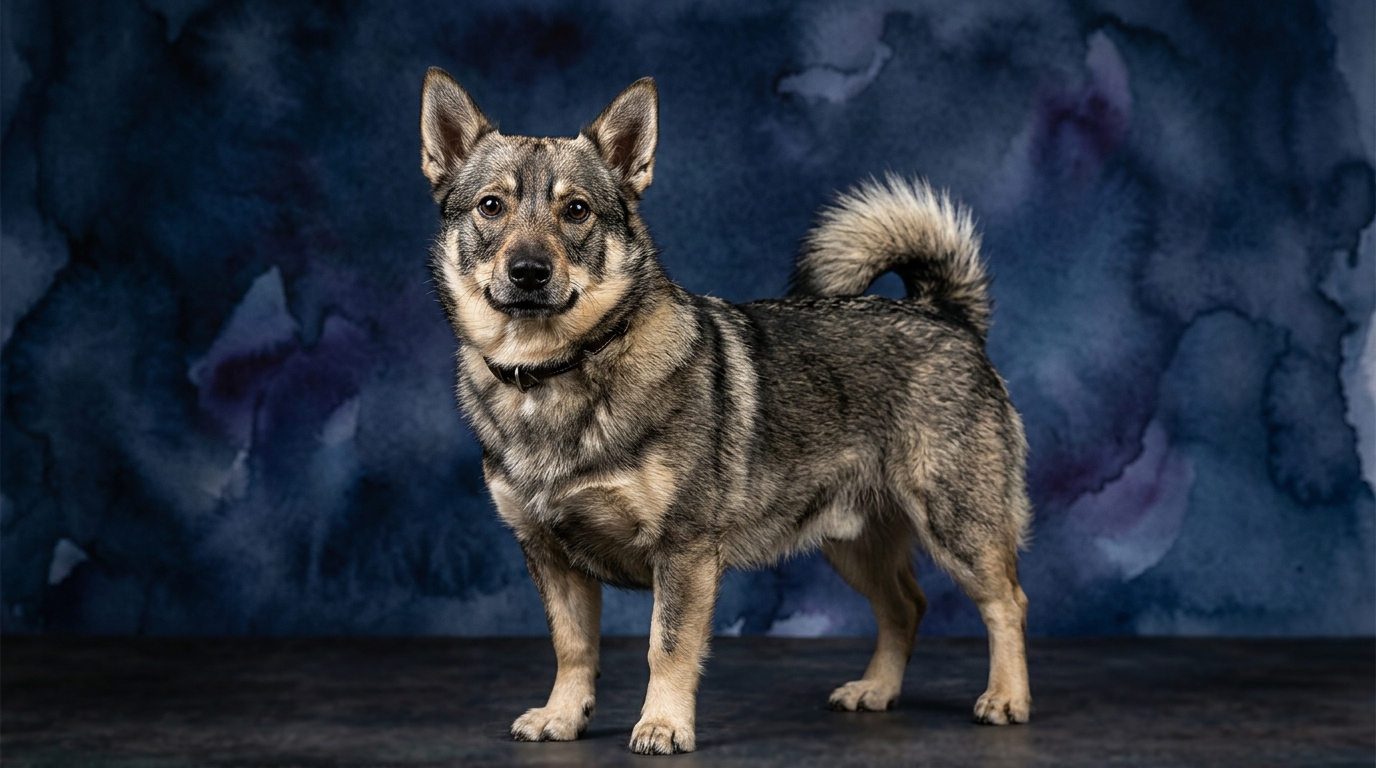
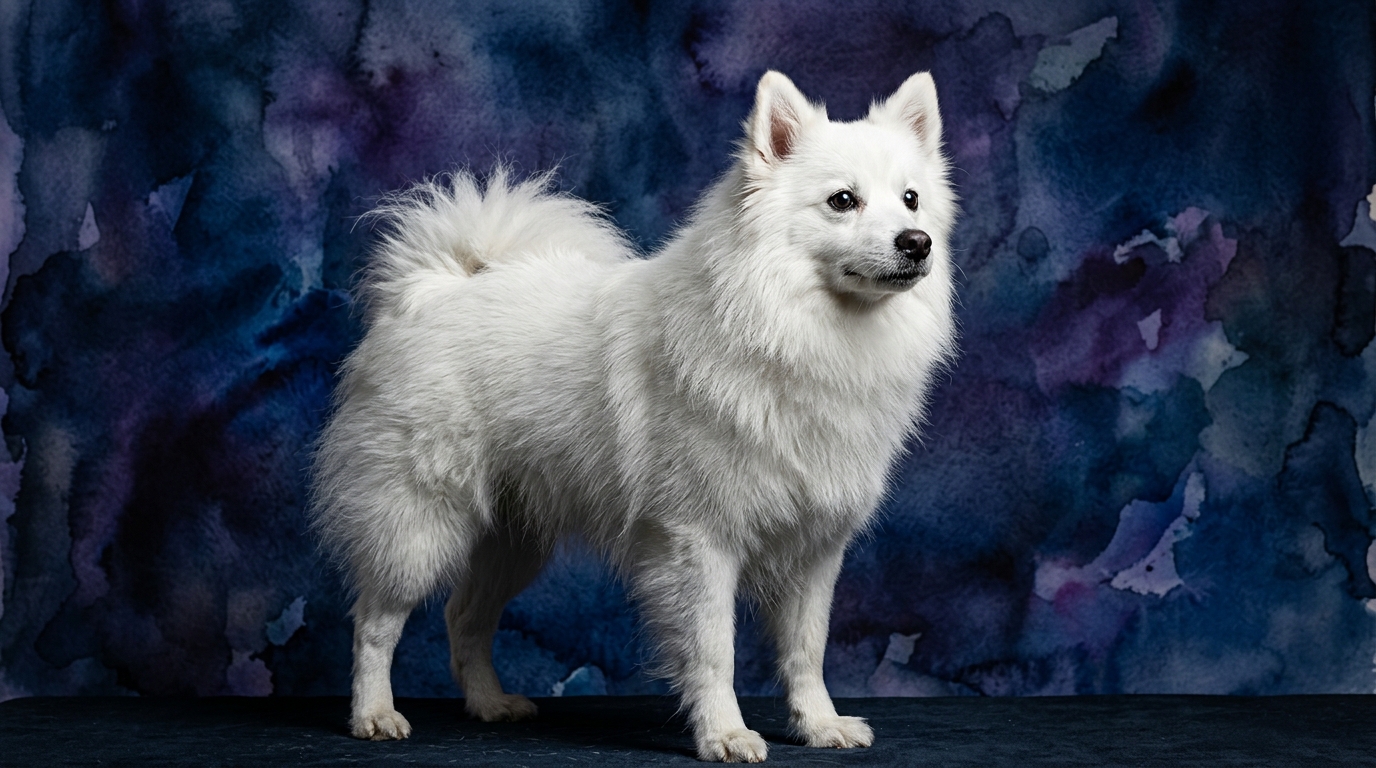
Side-by-Side Cognitive Profiles
The Pet IQ Lab assesses canine intelligence across five key dimensions, each rated on a scale of 1 to 5. Interestingly, both the Swedish Vallhund and the American Eskimo Dog received identical scores of 3/5 in every category, suggesting a baseline of moderate cognitive capacity across the board. However, interpreting these scores through the lens of their breed groups — Herding for the Vallhund and Non-Sporting for the Eskimo Dog — uncovers how these similar numerical ratings manifest in distinct behavioral patterns and cognitive styles.
**Problem Solving (3/5):** Both breeds demonstrate a moderate capacity for independent thought and navigating novel situations. For the Swedish Vallhund, this often translates into figuring out how to maneuver objects or people, a remnant of their herding ancestry, potentially excelling at tasks requiring spatial reasoning. The American Eskimo Dog's problem-solving at this level might manifest as cleverness in manipulating their environment or human companions to achieve desired outcomes, like acquiring a favorite toy or extra attention.
**Training Speed (3/5):** A 3/5 in training speed indicates that both breeds possess a moderate ability to associate commands with actions and retain lessons with consistent effort. The Vallhund, with its working background, typically enjoys structured learning and responds well to engaging, task-oriented training. The Eskimo Dog, while capable, might require more varied and positive reinforcement techniques to maintain focus, as their moderate score suggests they can become bored or exhibit an independent streak if not sufficiently motivated.
**Social Intelligence (3/5):** Both breeds show a moderate aptitude for understanding human cues and navigating social hierarchies. The Swedish Vallhund’s social intelligence often centers on their partnership with a handler, making them attuned to directions and body language in a working context. The American Eskimo Dog, conversely, often applies this intelligence within a family unit, excelling at reading emotional states and dynamics among their human companions, though they can be more reserved with strangers.
**Instinctive Drive (3/5):** This score reflects a moderate level of inherent behavioral patterns unique to each breed. For the Swedish Vallhund, the 3/5 instinctive drive is clearly rooted in their herding heritage, manifesting as a desire to gather, control, and monitor their surroundings, often focusing on movement. The American Eskimo Dog’s 3/5 instinctive drive is more often expressed as vigilance, a strong alert barking tendency, and a playful, sometimes determined, prey drive towards small, moving objects.
**Memory (3/5):** Both breeds possess a moderate capacity for recalling past experiences and learned behaviors. The Swedish Vallhund's memory serves them well in remembering complex training sequences, routes, and specific tasks, vital for their historical roles. The American Eskimo Dog's memory is robust for routines, family members, and past interactions, contributing to their strong bonds and consistent responses within their familiar environment.
Where the Swedish Vallhund Wins Cognitively
Despite identical scores, the Swedish Vallhund's cognitive strengths are distinctly shaped by its herding lineage. Their 3/5 problem-solving and instinctive drive are often channeled into an organized, goal-oriented approach to tasks, making them particularly adept at activities requiring strategic movement and spatial awareness. They excel in scenarios where they can apply their intelligence to manipulate objects or direct movement, such as navigating complex agility courses that demand precise turns and jumps, or even subtly guiding family members from one room to another. Their moderate social intelligence, combined with their drive, makes them highly responsive and collaborative partners when engaged in a shared objective, understanding subtle cues from a handler that relate to a common goal.
Where the American Eskimo Dog Wins Cognitively
The American Eskimo Dog, with its Non-Sporting background and history as a companion and performer, showcases its cognitive strengths in different, yet equally impressive ways. Their 3/5 social intelligence often manifests as a deeper, more nuanced understanding of human emotional states within a domestic setting. They can be remarkably perceptive of family moods and dynamics, offering comfort or seeking interaction based on their observations. Their problem-solving, while moderately rated, can lean towards creative solutions for gaining attention or charmingly manipulating situations to their benefit. Furthermore, their 3/5 instinctive drive often translates into exceptional auditory perception and vigilance, making them keen observers of their immediate environment and quick to alert their families to anything unusual, a cognitive strength valuable in a companion role.
Which is Easier to Train and Why
Both breeds score a 3/5 in training speed, indicating they are capable learners but require consistent, thoughtful approaches. The Swedish Vallhund’s herding drive and inherent desire to work alongside a human partner often make them highly motivated and responsive to training. They thrive on having a purpose, and their moderate memory ensures good retention of learned commands and routines. However, their independent herding mind can lead to selective hearing if training sessions are not stimulating or if they perceive a more pressing 'task' at hand, requiring handlers to maintain engagement and clarity.
The American Eskimo Dog, also at 3/5, is intelligent and capable, but their Non-Sporting nature means they can sometimes exhibit a more independent streak or a 'what's in it for me?' attitude during training. Their moderate social intelligence means they may be more discerning about whose commands they prioritize, potentially testing boundaries more frequently than the Vallhund. To succeed with an Eskie, training needs to be consistently positive, fun, and varied to capture and hold their attention. Their moderate memory benefits from regular refreshers to solidify lessons, and their natural alertness can sometimes be a distraction in busy environments.
Which Suits Active Owners vs. Relaxed Owners
For active owners, the Swedish Vallhund is often an ideal match. Their moderate instinctive drive and herding background mean they possess significant mental and physical energy that needs a constructive outlet. They flourish when given structured activities such as herding trials, agility, obedience, or long, varied walks that allow them to engage their cognitive strengths in a purposeful manner. Owners who enjoy active partnerships and can provide consistent mental stimulation will find the Vallhund a rewarding companion.
While not a true 'relaxed' breed, the American Eskimo Dog can adapt better to owners with a slightly less intense activity regimen, provided they still receive regular walks, interactive play, and consistent mental stimulation. Their 3/5 instinctive drive, while present, doesn't demand the constant 'work' a herding dog might. Their social intelligence makes them excellent companions for owners who enjoy interactive games, puzzle toys, and quality family time. They are not entirely content as couch potatoes, but their energy needs are often met through engaging family activities and consistent, moderate exercise rather than intense, task-oriented work.
The Verdict
Choose the Swedish Vallhund if you seek a clever, task-oriented partner who thrives on structured activities and a strong working bond, appreciating their nuanced problem-solving. They excel with owners who can channel their herding intelligence into engaging pursuits.
Opt for the American Eskimo Dog if you desire an alert, perceptive companion who excels in family dynamics and enjoys interactive play, valuing their social perceptiveness. They suit owners who appreciate a vocal, intelligent dog with strong companion qualities.
🧠 Find Your Pet's IQ Score
Our Pet IQ Lab assessment covers 25+ tests across 5 cognitive dimensions — personalized to your breed.
Take the Full IQ Test →Frequently Asked Questions
Are Swedish Vallhunds good with children?
Their moderate social intelligence and herding instincts mean they can be excellent family dogs, often gently 'herding' children. However, supervision is always wise, and early socialization ensures they learn appropriate interactions and boundaries within the family unit.
Do American Eskimo Dogs bark a lot?
With a 3/5 instinctive drive, American Eskimo Dogs often have a strong vocal nature, particularly as alert barkers. Their moderate social intelligence means they are keen observers of their environment and will frequently communicate perceived threats or excitement.
Which breed is more independent?
While both score 3/5 in problem-solving, the American Eskimo Dog, as a non-sporting breed, can exhibit a slightly more independent streak in decision-making, sometimes requiring more convincing during training. The Vallhund's herding background often inclines them towards working *with* a handler, making them appear more collaborative and less prone to independent decision-making.