Side-by-Side Cognitive Profiles
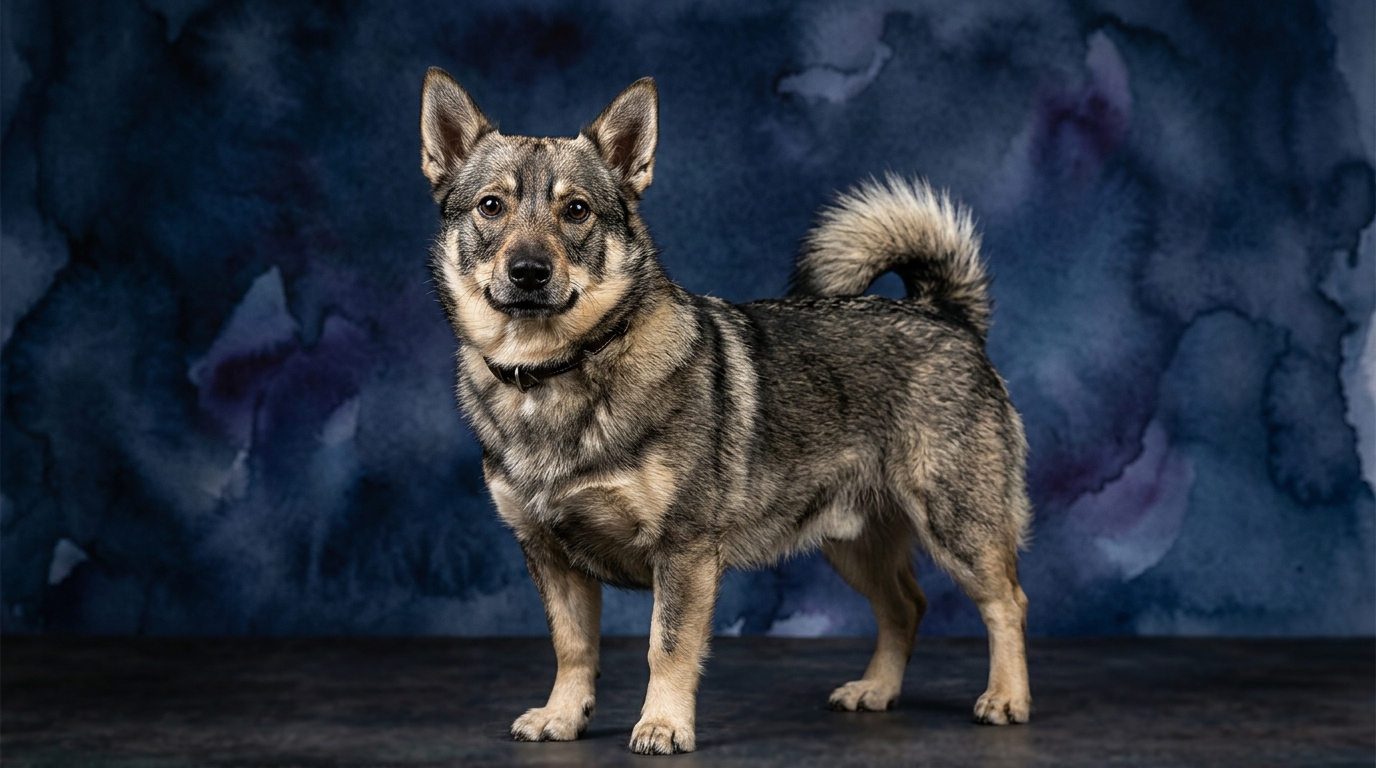
The Swedish Vallhund, a spirited herding dog, exhibits a cognitive profile well-suited to its historical occupation of driving and guarding cattle. Their problem-solving ability (rated 3/5) is characterized by a clever, often quick-thinking approach to dynamic situations, such as maneuvering livestock or figuring out how to access desired items. This breed’s training speed (3/5) indicates a readiness to learn, particularly when tasks are engaging and varied, though they can become bored with excessive repetition. Social intelligence (3/5) is evident in their keen observation of human and animal behavior, allowing them to adapt their actions accordingly. Their instinctive drive (3/5) for herding is pronounced, manifesting as a desire to gather and control, and their memory (3/5) is reliable for retaining complex sequences and commands over time, essential for their working heritage.
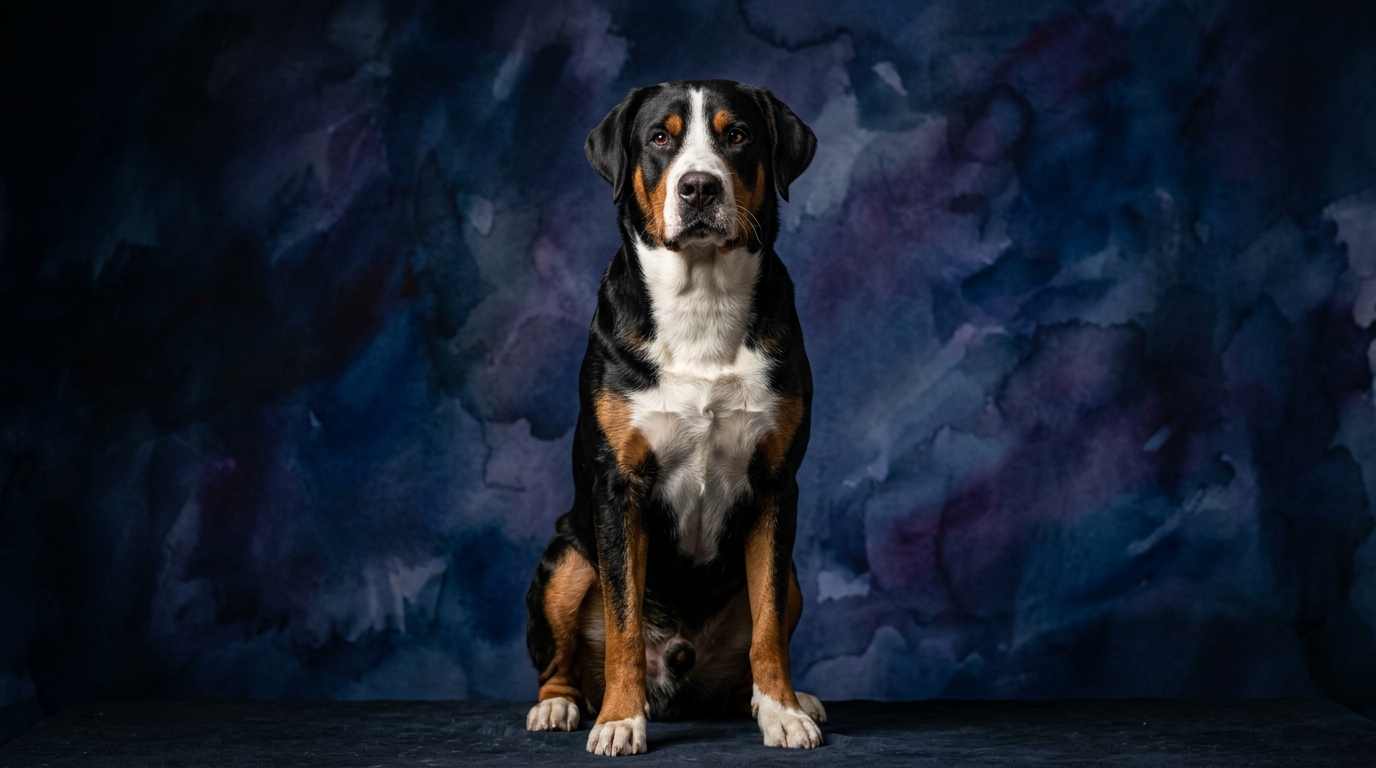
In contrast, the Greater Swiss Mountain Dog, a powerful working breed, showcases a cognitive makeup built for strength, reliability, and companionship. Their problem-solving ability (3/5) tends to be more deliberate and practical, focusing on tasks requiring persistence and physical application, such as navigating obstacles while pulling a cart or assessing a situation requiring protection. The training speed (3/5) of a Swissy is steady; they benefit from consistent, patient instruction, often taking longer to master a command but retaining it solidly once learned. Social intelligence (3/5) in this breed is marked by a deep loyalty and sensitivity to their family, coupled with a reserved yet observant demeanor towards strangers. Their instinctive drive (3/5) is geared towards guarding, companionship, and pulling, thriving on purposeful work, and their memory (3/5) is excellent for long-term recall of routines, boundaries, and beloved individuals.
Where the Swedish Vallhund Excels Cognitively
The Swedish Vallhund often demonstrates a quicker, more agile cognitive processing, particularly in dynamic, fast-changing environments. Their historical role as cattle drovers demanded rapid assessment of moving livestock and the ability to execute precise, often improvisational, maneuvers. This translates into their problem-solving ability (rated 3/5) being expressed as a nimble cleverness, allowing them to quickly adapt tactics or find novel solutions to immediate challenges, whether that's outsmarting a gate latch or figuring out how to retrieve a toy from an awkward spot. Their social intelligence (3/5) also shines in their capacity to read subtle cues and react promptly, making them particularly responsive to handler intentions during active tasks. This breed's memory (3/5) is particularly sharp for sequences of actions and locations, a critical asset for managing livestock across varied terrain.
Where the Greater Swiss Mountain Dog Excels Cognitively
In contrast, the Greater Swiss Mountain Dog's cognitive strengths lean towards steadfastness, deliberate thought, and a robust, reliable memory for established routines and boundaries. Their history as drovers, guardians, and cart-pullers required a more methodical approach to tasks, prioritizing consistency and endurance over speed. Their problem-solving ability (rated 3/5) is often expressed through practical application and a calm persistence, such as figuring out how to navigate heavy loads through uneven terrain or understanding complex spatial relationships. This breed's social intelligence (3/5) is marked by a profound loyalty and a capacity for deep, stable bonds, allowing them to anticipate family needs and offer comfort. Furthermore, their memory (3/5) is excellent for long-term retention of learned behaviors, routes, and people, contributing to their dependable nature in their working roles.
Training Aptitude: Vallhund vs. Swissy
Determining which breed is 'easier' to train depends significantly on the owner's approach and expectations. The Swedish Vallhund, with its agile mind and quick training speed (3/5), often grasps new commands rapidly, especially if the training is engaging and mimics tasks like herding or agility. Their eagerness to work and strong instinctive drive (3/5) can make them highly motivated students. However, this same quick wit can lead to boredom with repetitive drills, and their problem-solving aptitude might manifest as finding ways to 'train' their owner instead. They respond best to varied, positive reinforcement methods that keep them mentally stimulated, and their herding instincts mean they might try to 'gather' children or other pets, requiring specific redirection.
The Greater Swiss Mountain Dog, while also possessing a training speed of 3/5, typically learns at a more deliberate pace. Their substantial size and inherent strength mean that early, consistent training is paramount for manners and safety. They thrive on clear, patient instruction and benefit from consistency, often taking a bit longer to solidify a command but retaining it exceptionally well once learned. Their social intelligence (3/5) makes them eager to please their family, contributing to their trainability, but their strong instinctive drive (3/5) for guarding and pulling needs to be channeled appropriately. They might not offer the same rapid-fire responses as a Vallhund but compensate with a reliable, steady performance, especially in tasks requiring focus and endurance. Owners should be prepared for their slower maturation rate, meaning training might be an ongoing process for a few years.
Lifestyle Match: Active vs. Relaxed Owners
For the highly active owner seeking a canine partner for dynamic sports or consistent mental engagement, the Swedish Vallhund often presents a more fitting choice. Their inherent drive to work, coupled with their agility and problem-solving skills, makes them excel in activities such as agility, obedience, rally, and even urban herding. They require daily physical exercise that goes beyond a simple walk, benefiting greatly from structured play, puzzle toys, and opportunities to use their quick wits. Owners who appreciate a dog that is constantly thinking and engaging with its environment, and who can provide consistent mental stimulation, will find the Vallhund a rewarding companion.
Conversely, the Greater Swiss Mountain Dog, while still requiring regular exercise, aligns better with owners who appreciate a robust, steadfast companion whose activity level is more about purposeful work and steady companionship than high-octane performance. They enjoy long walks, hiking, and activities that allow them to use their strength, like carting or weight pulling. Their social intelligence and strong bond with family make them excellent companions for more relaxed home environments, provided they receive adequate physical activity and mental engagement through training and social interaction. They are generally content to relax with their family after their exercise needs are met, making them suitable for owners who might enjoy an active lifestyle but also value a calm, dependable presence in the home.
The Verdict
Choose the Swedish Vallhund if you seek a quick-witted, agile companion for dynamic activities and can provide consistent mental challenges to satisfy their herding instincts. They thrive with owners who enjoy active engagement and can channel their clever problem-solving into constructive outlets.
Opt for the Greater Swiss Mountain Dog if you desire a steadfast, loyal companion who excels in purposeful work and offers a calm, dependable presence. They suit owners who appreciate a methodical learner and can provide consistent training, ample space, and a strong family bond.
🧠 Find Your Pet's IQ Score
Our Pet IQ Lab assessment covers 25+ tests across 5 cognitive dimensions — personalized to your breed.
Take the Full IQ Test →Frequently Asked Questions
Are Swedish Vallhunds good with children?
Swedish Vallhunds can be excellent with children, especially if raised with them. Their herding instinct (instinctive drive 3/5) might lead them to try and "herd" youngsters, so supervision and teaching appropriate interactions are key. Early socialization helps them understand family dynamics.
Do Greater Swiss Mountain Dogs require a lot of grooming?
Greater Swiss Mountain Dogs have a relatively low-maintenance double coat. Regular brushing, perhaps once or twice a week, is generally sufficient to manage shedding and keep their coat healthy. They are not prone to matting.
Can a Greater Swiss Mountain Dog live in an apartment?
While their size might suggest otherwise, a Greater Swiss Mountain Dog can potentially adapt to apartment living if their significant exercise and mental stimulation needs are consistently met. Daily long walks or structured activities are crucial, as is having enough space indoors for their large frame.