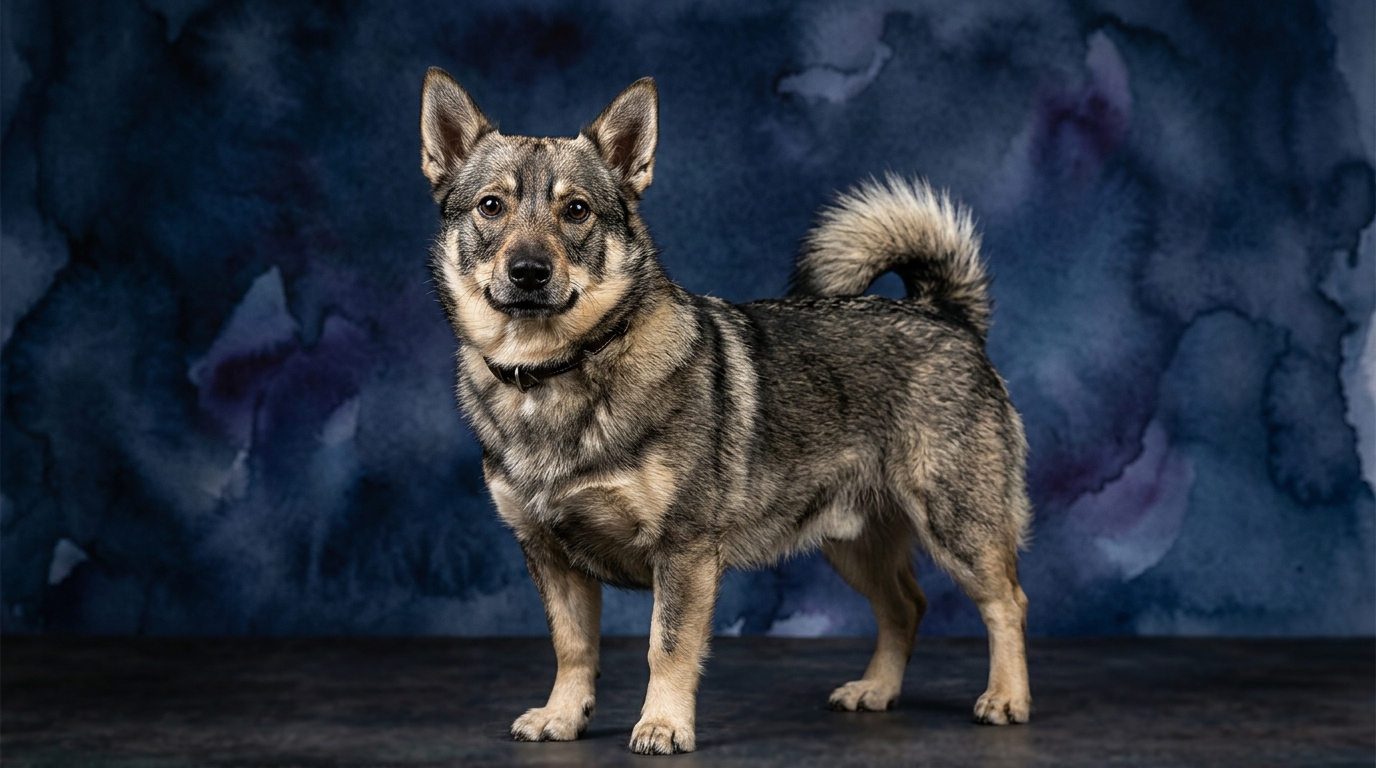
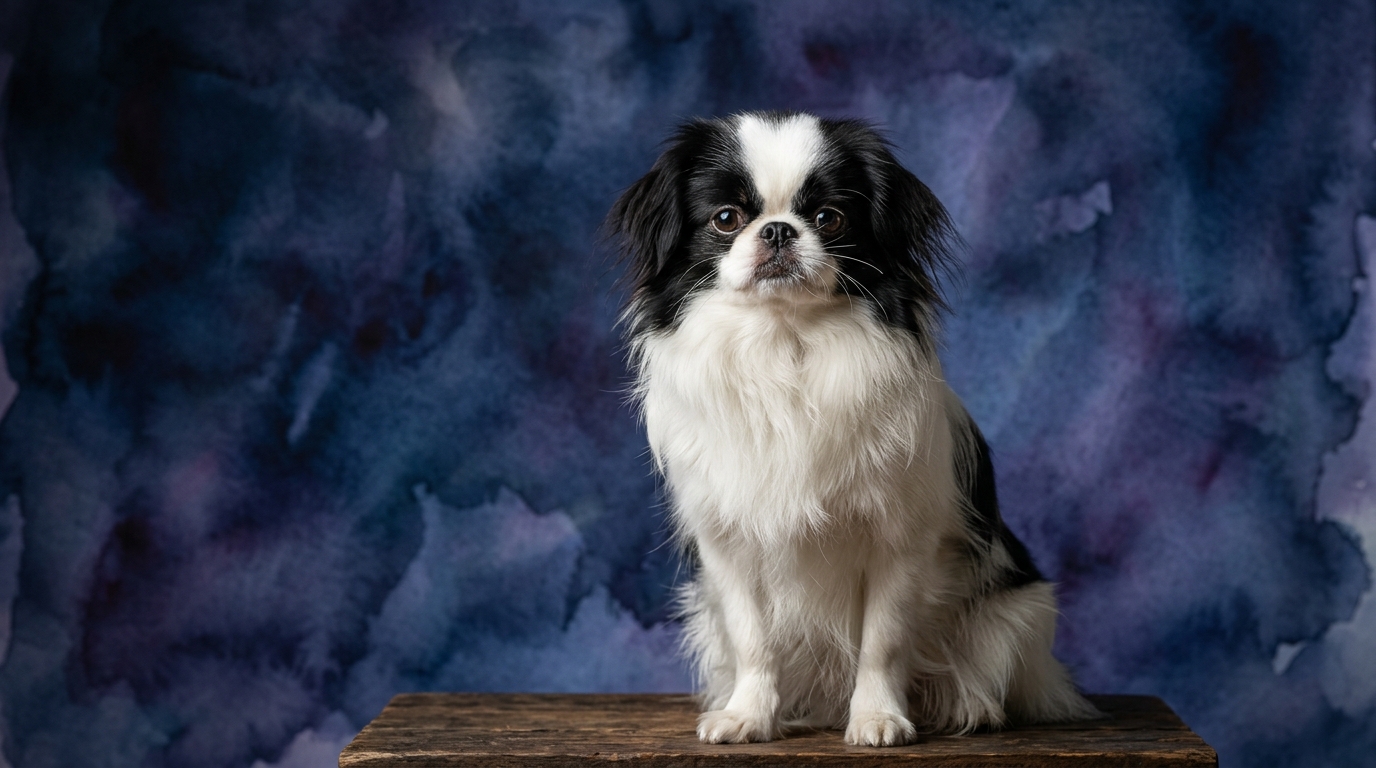
Side-by-Side IQ Profile: Swedish Vallhund vs. Japanese Chin
**Swedish Vallhund (Herding, Not Coren-ranked):** The Swedish Vallhund, a resilient herding dog from Sweden, demonstrates its cognitive abilities through its working heritage.
**Problem Solving 3/5:** The Vallhund's moderate score here reflects its heritage as a cattle herder, where it learned to outmaneuver livestock and adapt to changing conditions. This manifests as practical resourcefulness, finding inventive ways to achieve goals, whether navigating an agility course or figuring out a gate. They approach challenges with a methodical, persistent mindset.
**Training Speed 3/5:** With a solid 3/5, Vallhunds typically pick up new commands and routines quickly. Their desire to work alongside humans, combined with quick comprehension, means they can master various tasks. However, their independent spirit means they respond best to engaging, varied training, and might occasionally offer their own "better" solution.
**Social Intelligence 3/5:** This score speaks to their ability to read environmental and human cues within a working context. A Vallhund can discern a handler's subtle body language during herding trials. In a family setting, they observe household dynamics, learning routines and becoming attuned to their owner's moods.
**Instinctive Drive 3/5:** The Vallhund's core drive is rooted in its herding purpose. This moderate score indicates a strong, innate desire to gather and control, translating into a propensity for chasing anything that moves. This drive provides a powerful motivational tool for training when channeled appropriately.
**Memory 3/5:** A Vallhund's memory is robust enough to retain complex sequences of commands, remember specific routes, and recall solutions to previously encountered problems. This serves them well in tasks requiring sequential steps or remembering territory layout, contributing to reliability.
**Japanese Chin (Toy, Not Coren-ranked):** Originating from Asian nobility, the Japanese Chin's intelligence is finely tuned for companionship and charm.
**Problem Solving 3/5:** Despite its toy breed designation, the Chin's 3/5 in problem-solving is evident in its clever manipulation of its environment and human companions. This means figuring out how to get onto a forbidden couch, opening a cabinet for a treat, or using charming antics for attention. Their problem-solving is often refined and geared towards comfort and interaction.
**Training Speed 3/5:** Japanese Chins learn quickly, especially when motivated by positive reinforcement and human approval. They can master an impressive array of tricks and commands. However, their training speed is often linked to their interest; they might become bored with repetitive drills, preferring to engage on their own terms.
**Social Intelligence 3/5:** The Chin excels in social settings, particularly understanding human emotions and intentions. Their 3/5 score reflects deep empathy and an ability to read subtle expressions, allowing them to adapt behavior. They are masters of charming their way into laps, using perceptiveness to foster strong bonds.
**Instinctive Drive 3/5:** For the Japanese Chin, instinctive drive is less about work and more about companionship and comfort. Their moderate score highlights an innate desire for close human contact. While they might display a playful "hunter" instinct for small toys, their primary drive is for social connection.
**Memory 3/5:** Japanese Chins possess a good memory for routines, favorite spots, and family quirks. They remember where treats are kept, who is most likely to give in, and daily event sequences. This strong recall contributes to their adaptability and ability to quickly learn household rules, or ways to bend them.
Where the Swedish Vallhund Wins Cognitively
The Swedish Vallhund's cognitive strengths truly shine in contexts demanding sustained focus, strategic thinking, and physical coordination. Its herding background imbues it with an ability to process dynamic information rapidly, like predicting livestock movement or navigating complex terrain. This breed excels at tasks requiring initiative and independent decision-making within a structured framework, demonstrating practical, purpose-driven intelligence. Their capacity for prolonged engagement in mentally stimulating activities, such as advanced obedience or agility, often surpasses that of breeds bred primarily for companionship, allowing them to tackle multi-step problems with persistent enthusiasm.
Where the Japanese Chin Wins Cognitively
Conversely, the Japanese Chin's cognitive prowess is deeply rooted in its role as a cherished companion. This breed demonstrates a superior ability to understand and manipulate complex human social dynamics, often using subtle cues and endearing behaviors to achieve desired outcomes, such as securing extra treats or monopolizing lap time. Their problem-solving, while equally rated 3/5, is often more refined and focused on navigating the nuances of human interaction and comfort within a home environment. The Chin's perceptive nature allows it to anticipate human actions and moods, making it exceptionally adept at forming strong, emotionally intelligent bonds and adapting seamlessly to various social situations with charm.
Which is Easier to Train and Why
Determining which breed is 'easier' to train is nuanced, as both score 3/5 in Training Speed, but their motivations differ. The Swedish Vallhund, with its inherent desire for a job and a strong partnership ethic, generally responds well to structured, reward-based training, thriving on mental challenges. They excel in dog sports like agility. Their independent herding streak means they might occasionally question a command, requiring a patient, consistent handler, but their drive to work often makes them eager students. Potty training tends to be straightforward due to their moderate size and natural inclination to relieve themselves outdoors. The Japanese Chin, while equally quick to grasp new concepts, is motivated more by personal comfort, affection, and food rewards than by a strong 'work ethic.' They learn tricks with surprising speed if training is fun, but might lack sustained focus for repetitive drills. Their small bladder size can make potty training more challenging, requiring frequent outdoor trips. Ultimately, the Vallhund is easier for task-oriented training due to its drive, while the Chin is easier for trick-based or charm-based learning due to its social intelligence.
Which Suits Active Owners vs. Relaxed Owners
For individuals leading an active lifestyle and seeking a canine partner for adventures, the Swedish Vallhund is an ideal match. Its moderate instinctive drive and need for mental and physical engagement make it well-suited for activities such as hiking, competitive obedience, or herding trials. This breed thrives when given a purpose and sufficient outlets for its energy, making it a dynamic companion for consistent, varied engagement. In contrast, the Japanese Chin is perfectly suited for more relaxed owners who appreciate a calm, affectionate presence in their home. While they enjoy short walks and playful interaction, their exercise needs are modest, making them content with indoor games and cozy companionship. They provide delightful, low-impact mental stimulation through their charming antics and perceptive nature, fitting seamlessly into a quieter household without demanding extensive physical exertion.
The Verdict
Opt for the Swedish Vallhund if you seek an active, engaging partner eager for mental challenges and physical adventures, thriving in a structured environment with a clear purpose.
Select the Japanese Chin if you desire a perceptive, affectionate companion whose intelligence shines in social interaction and charming manipulation, content with a more relaxed, indoor-focused lifestyle.
🧠 Find Your Pet's IQ Score
Our Pet IQ Lab assessment covers 25+ tests across 5 cognitive dimensions — personalized to your breed.
Take the Full IQ Test →Frequently Asked Questions
Do both breeds require similar amounts of mental stimulation?
While both score 3/5 in problem-solving, their mental stimulation needs differ in type. The Vallhund thrives on structured tasks and complex challenges like puzzle toys or advanced training, whereas the Chin prefers interactive games, learning tricks, and engaging in social interactions that leverage its perceptive nature.
Are Swedish Vallhunds good with children due to their social intelligence?
Swedish Vallhunds, with their 3/5 social intelligence, can be excellent with children, especially if raised with them and taught appropriate boundaries. Their herding instinct may lead them to "herd" children, so supervision and training are essential to ensure gentle interactions and prevent nipping.
How does the Japanese Chin's 3/5 instinctive drive manifest if not for work?
The Japanese Chin's instinctive drive primarily manifests as a profound need for companionship and comfort, seeking close proximity to their human family. They may also display a playful, cat-like hunting instinct for small toys, but their core drive is deeply social and comfort-oriented, making them devoted companions.