Side-by-Side IQ Profile: Interpreting Identical Scores
At first glance, the Pet IQ Lab scores for both the Swedish Vallhund and Norwegian Buhund appear identical: a solid 3 out of 5 across all five cognitive dimensions. This suggests a consistent, moderate level of cognitive ability in areas crucial for working breeds. However, understanding these scores requires looking beyond the numbers to the specific ways each breed's heritage and physical attributes shape the manifestation of these capabilities.
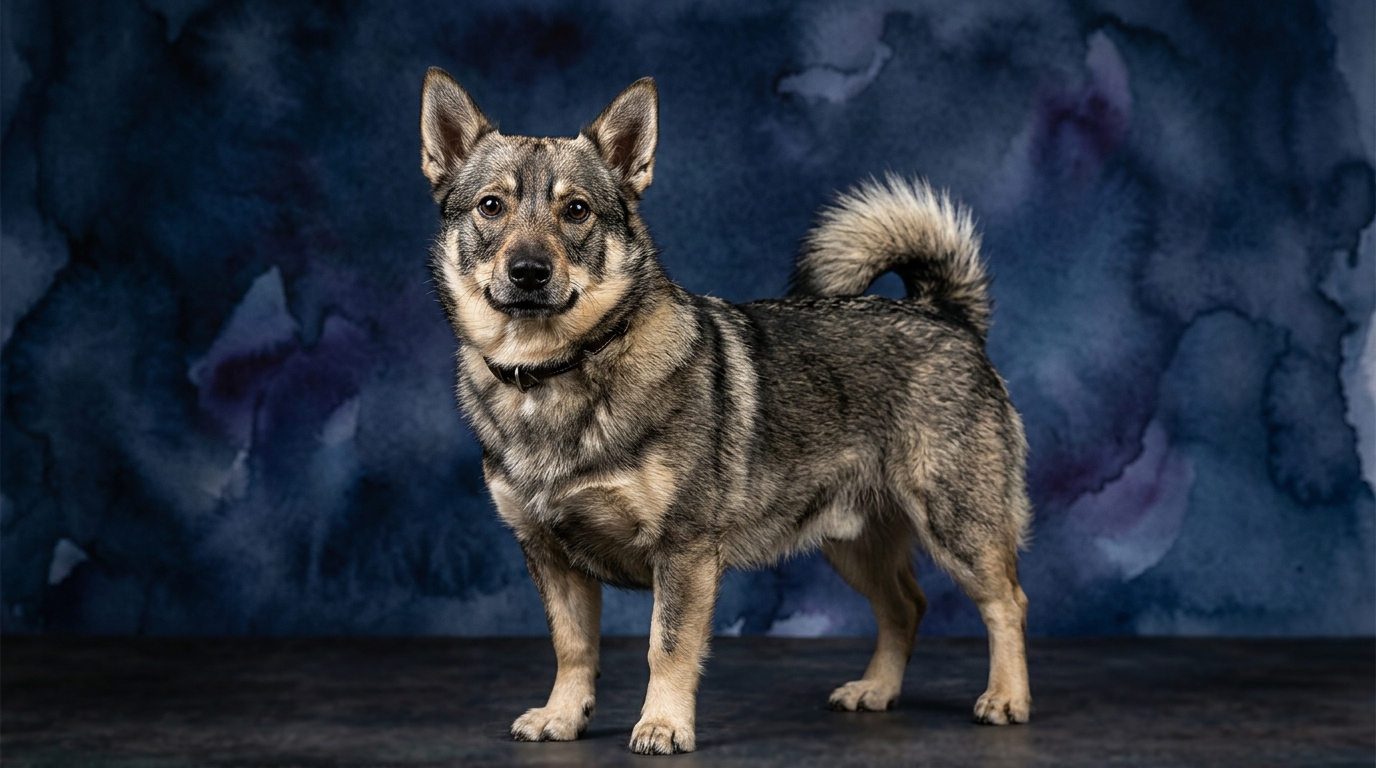
For the **Swedish Vallhund**, a 3/5 in **Problem Solving** often manifests in their agility and resourcefulness when navigating complex terrain or managing livestock. These 'Viking dogs' are adept at finding efficient paths and adapting to changing conditions, showcasing a practical, on-the-ground intelligence essential for their low-to-the-ground herding style. Their historical role as cattle herders on varied Scandinavian landscapes demanded cleverness in maneuvering around obstacles and anticipating herd movements, rather than intricate strategic planning. A 3/5 in **Training Speed** indicates they are moderately quick learners, capable of picking up new commands and routines with consistent, positive reinforcement. While not instant savants, their eagerness to engage and their working drive ensure a steady progression in training, responding well to methods that tap into their herding instincts and desire for purposeful activity. Their **Social Intelligence** at 3/5 means Vallhunds are generally attuned to their human companions and family dynamics, understanding social cues within their immediate 'pack' and forming strong bonds. However, their herding watchfulness might make them a bit more reserved or discerning with strangers, taking time to assess new individuals before fully accepting them into their social sphere. The 3/5 **Instinctive Drive** is deeply rooted in their herding heritage, particularly their characteristic 'heeling' style of moving livestock. This drive is persistent and purposeful, strong enough to require channeling through activities like herding trials, agility, or structured play to prevent misdirection. Finally, a 3/5 **Memory** ensures they reliably retain learned commands, routines, and experiences, remembering training cues, environmental layouts, and daily patterns to support consistent performance and long-term skill retention.
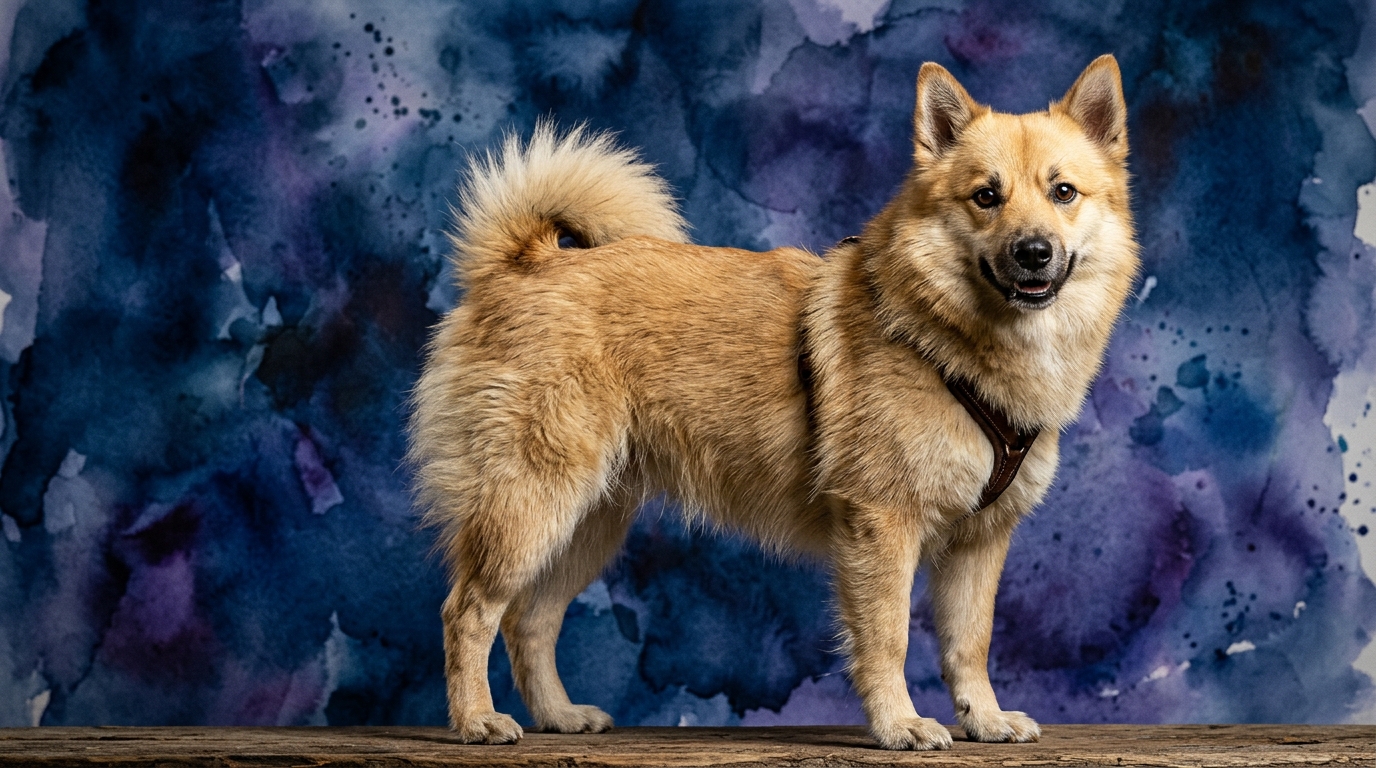
The **Norwegian Buhund**, similarly scoring 3/5 across the board, expresses these cognitive traits through its role as an all-purpose farm dog. Its 3/5 in **Problem Solving** typically shines in its adaptability and versatility on a farm. Buhunds can figure out varied tasks, from locating lost sheep to alerting to unusual sounds, demonstrating a flexible, practical intellect. Their historical role meant they needed to solve a diverse range of daily challenges, requiring broad observational skills and quick adaptation rather than highly specialized, intricate problem-solving. A 3/5 **Training Speed** signifies that Buhunds learn at a moderate, steady pace, often motivated by their natural biddability and desire to participate. They are generally responsive and enjoy working alongside their owners, making training sessions productive when kept engaging and positive, with their willingness to please contributing significantly to their progress. For **Social Intelligence**, a 3/5 for a Buhund often translates to an outgoing and friendly disposition, readily engaging with family members and typically quite welcoming to visitors once introduced. They are adept at reading human emotions and intentions, making them empathetic companions eager to be part of family activities and interact positively. Their 3/5 **Instinctive Drive** is a multifaceted herding and guarding instinct, characteristic of a Nordic farm dog. This drive motivates them to keep their 'flock' (family) together and to be vigilant protectors of their home. It’s a strong, protective drive that requires appropriate outlets, manifesting as watchful attention and a desire to patrol, rather than a purely predatory herding style. Lastly, a 3/5 **Memory** ensures that Buhunds consistently recall their training, household routines, and the people and animals they interact with regularly. This reliable memory aids their role as vigilant farm dogs, allowing them to remember specific threats or patterns, and to maintain a consistent understanding of their environment and responsibilities.
Where the Swedish Vallhund Wins Cognitively
Despite identical numerical scores, the Swedish Vallhund often exhibits a nuanced cognitive edge in specific contexts related to their specialized herding technique. Their low-to-the-ground stature and powerful build lend themselves to agile, swift movements in tight spaces, demanding a particularly quick cognitive assessment of environmental geometry. While both breeds score 3/5 in problem-solving, a Vallhund's problem-solving often appears more physically oriented and precise in scenarios requiring nimble navigation and close-quarters control within a confined or complex space. This translates to a practical problem-solving advantage in tasks that demand precise body control and spatial awareness, such as weaving through obstacles or guiding livestock with minimal fuss, reflecting their historical need for efficiency in challenging terrain.
Where the Norwegian Buhund Wins Cognitively
The Norwegian Buhund, with its background as an all-around farm dog, shows a distinct cognitive advantage in its broad adaptability and social openness. While both breeds score 3/5 in problem-solving, a Buhund's intellect often appears more about applying diverse cognitive strategies to a *variety* of changing tasks—from finding a misplaced item to alerting to an unfamiliar sound. This versatility reflects a wider array of observational skills and a quicker ability to pivot between different types of challenges. Similarly, their social intelligence, while also 3/5, often presents as a more overtly friendly and adaptable nature towards a wider range of people and situations. This makes them potentially quicker to form positive associations with new individuals or environments, offering a cognitive edge in varied domestic or public settings where broad social engagement is beneficial, ensuring they integrate smoothly into diverse social structures.
Which is Easier to Train and Why
When considering ease of training, both the Swedish Vallhund and Norwegian Buhund register a 3/5 in training speed, indicating they are moderately receptive to learning. However, the *experience* of training can differ significantly due to their inherent temperamental variations. The Norwegian Buhund is often described as more biddable and eager to please, a trait that directly impacts an owner's perception of training ease. Their 3/5 social intelligence often translates into a stronger intrinsic motivation to cooperate and respond to human approval, making them generally more straightforward to guide through new commands and routines. They thrive on positive reinforcement and enjoy the collaborative aspect of training.
Conversely, the Swedish Vallhund, while equally capable of learning at a moderate pace, can possess a more independent streak. Their historical role required a degree of self-reliance, meaning they are not always solely driven by social approval. This independence means that an owner might need to be more creative and persistent in making training rewarding and engaging to consistently overcome that inherent drive to work autonomously. While they absorb lessons reliably, keeping a Vallhund consistently engaged might require more innovative approaches and varied tasks, as their self-reliant spirit means they are less consistently driven by social approval alone. Therefore, for an owner seeking a dog that naturally seeks to please and cooperates readily, the Buhund might feel 'easier' to train, even if both breeds learn at a similar pace.
Which Suits Active Owners vs. Relaxed Owners
It's crucial to understand that neither the Swedish Vallhund nor the Norwegian Buhund is truly suited for a 'relaxed' or sedentary owner. Both are robust herding breeds with substantial energy levels and a deep-seated need for mental and physical engagement. The distinction lies in the *type* of activity that best fulfills their specific cognitive and physical requirements.
The Swedish Vallhund thrives with active owners who can provide consistent, structured outlets for their energy and a keen interest in task-oriented activities. Their stamina and drive mean they excel in dog sports like agility, herding trials, flyball, or nose work, which tap into their problem-solving and instinctive drives. They are compact but possess significant energy, requiring regular, purposeful exercise that challenges their minds as much as their bodies. Owners who enjoy engaging in structured training and competitive activities will find a Vallhund a highly rewarding partner.
The Norwegian Buhund also requires an active lifestyle, but their exercise needs might be slightly more varied and integrated into family life. They enjoy long walks, hikes, and interactive play, but also appreciate being 'involved' in family activities, whether it's accompanying an owner on errands or 'guarding' the yard while gardening. Their protective instincts, combined with their adaptability, make them suitable for owners who enjoy a mix of physical outings and interactive home-based engagement. Buhunds are often described as 'velcro dogs,' desiring to be close to their people, making them an excellent choice for active families who want their dog to be a constant companion in their adventures. While both breeds demand an active commitment, the Buhund might be slightly more adaptable to a broader range of active family lifestyles, provided they receive sufficient physical and mental engagement.
The Verdict
Choose the Swedish Vallhund if you appreciate a clever, agile companion with a strong independent spirit and a keen interest in structured, task-oriented activities like agility or herding games. They thrive with owners who understand their self-reliant nature and can provide consistent, engaging challenges for their active minds and bodies.
Opt for the Norwegian Buhund if you seek a versatile, biddable partner eager to be involved in all aspects of family life, offering a blend of playful energy, watchful companionship, and adaptable intelligence. They flourish with owners who enjoy a variety of activities and value a dog that integrates readily into diverse social settings.
🧠 Find Your Pet's IQ Score
Our Pet IQ Lab assessment covers 25+ tests across 5 cognitive dimensions — personalized to your breed.
Take the Full IQ Test →Frequently Asked Questions
Do Swedish Vallhunds and Norwegian Buhunds have similar energy levels?
Yes, both breeds possess substantial energy levels characteristic of their herding heritage. They require consistent daily exercise and mental stimulation to prevent boredom and maintain well-being. Neither is suited for a sedentary lifestyle, thriving instead on engaging activities and purposeful work that challenges their active minds and bodies.
Are these breeds good with children and other pets?
Both the Swedish Vallhund and Norwegian Buhund can be excellent family dogs, typically good with children when properly socialized and raised together. Their herding instincts mean they might try to 'herd' young children or smaller pets, but with supervision and consistent training, they generally coexist peacefully. Early exposure and positive experiences are key for harmonious multi-pet households and safe interactions.
How do their grooming needs compare?
Both breeds have relatively low-maintenance coats, requiring regular brushing to manage shedding, particularly during seasonal changes. The Swedish Vallhund has a harsh, medium-length double coat, while the Norwegian Buhund has a thick, harsh outer coat with a soft undercoat. Neither typically requires professional grooming, making their coat care manageable for most owners with a consistent routine.