Side-by-Side IQ Profile: Herding Wit vs. Hound Persistence
The Cosmic Pet Pet IQ Lab assesses canine intelligence across five critical dimensions, each scored from 1 to 5. Both the Swedish Vallhund and the Otterhound achieve a consistent 3/5 across all categories, suggesting a balanced cognitive profile. However, the *application* of these scores varies dramatically based on their breed-specific roles.
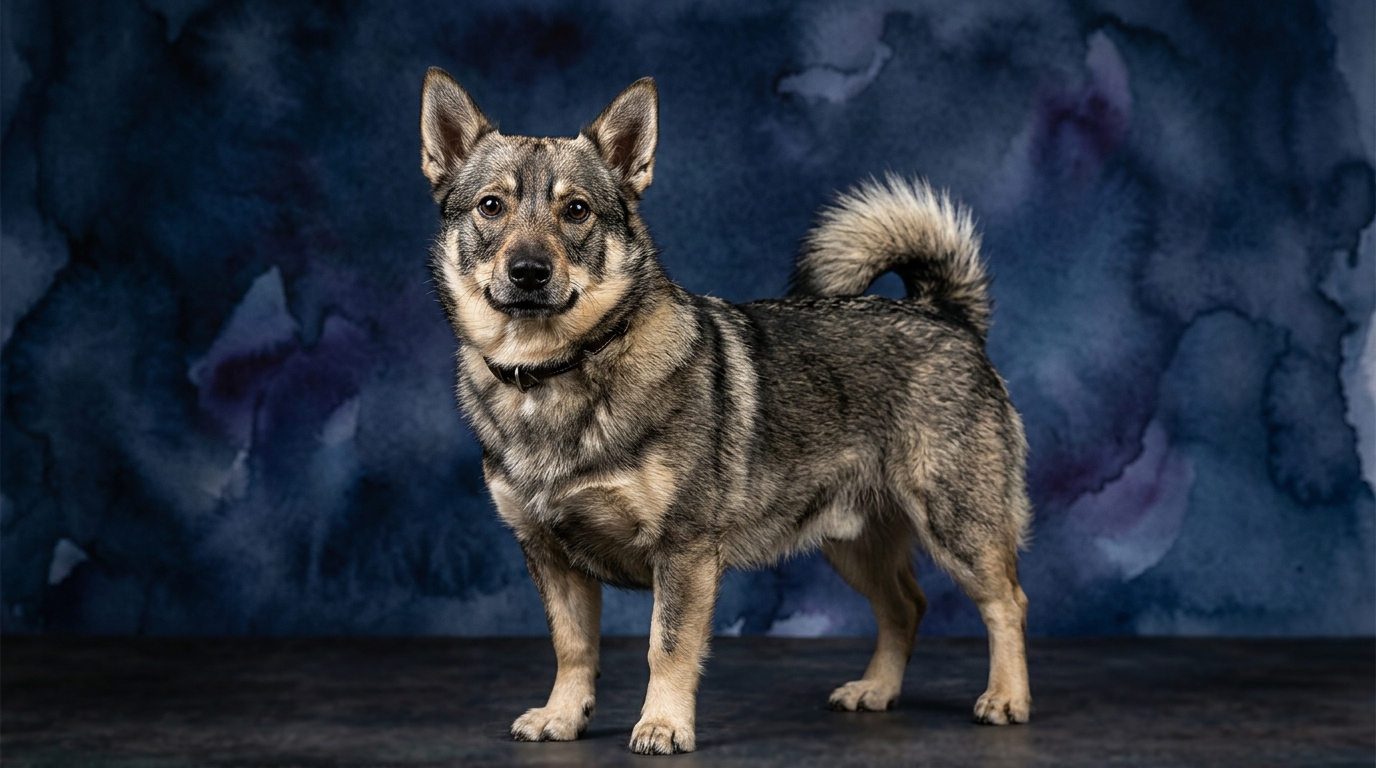
For the **Swedish Vallhund**, a venerable herding dog, its Problem Solving (3/5) manifests in its agility to navigate complex environments while herding, quickly assessing and reacting to livestock movement. They excel at practical, real-time spatial puzzles. Their Training Speed (3/5) reflects a general quickness to grasp new commands, largely driven by an inherent desire to work with their handler; their attentiveness makes them receptive students in structured environments. Social Intelligence (3/5) means they are adept at reading human cues and understanding pack dynamics, thriving on interaction and seeking to please their family unit. Their Instinctive Drive (3/5) is rooted in a strong herding instinct, translating to a desire to gather, control, and sometimes playfully 'heel' people or other pets, foundational to their quick reactions and focus. Finally, their Memory (3/5) is solid, showing good retention of learned behaviors and routines, remembering specific tasks and the layout of their environment effectively.
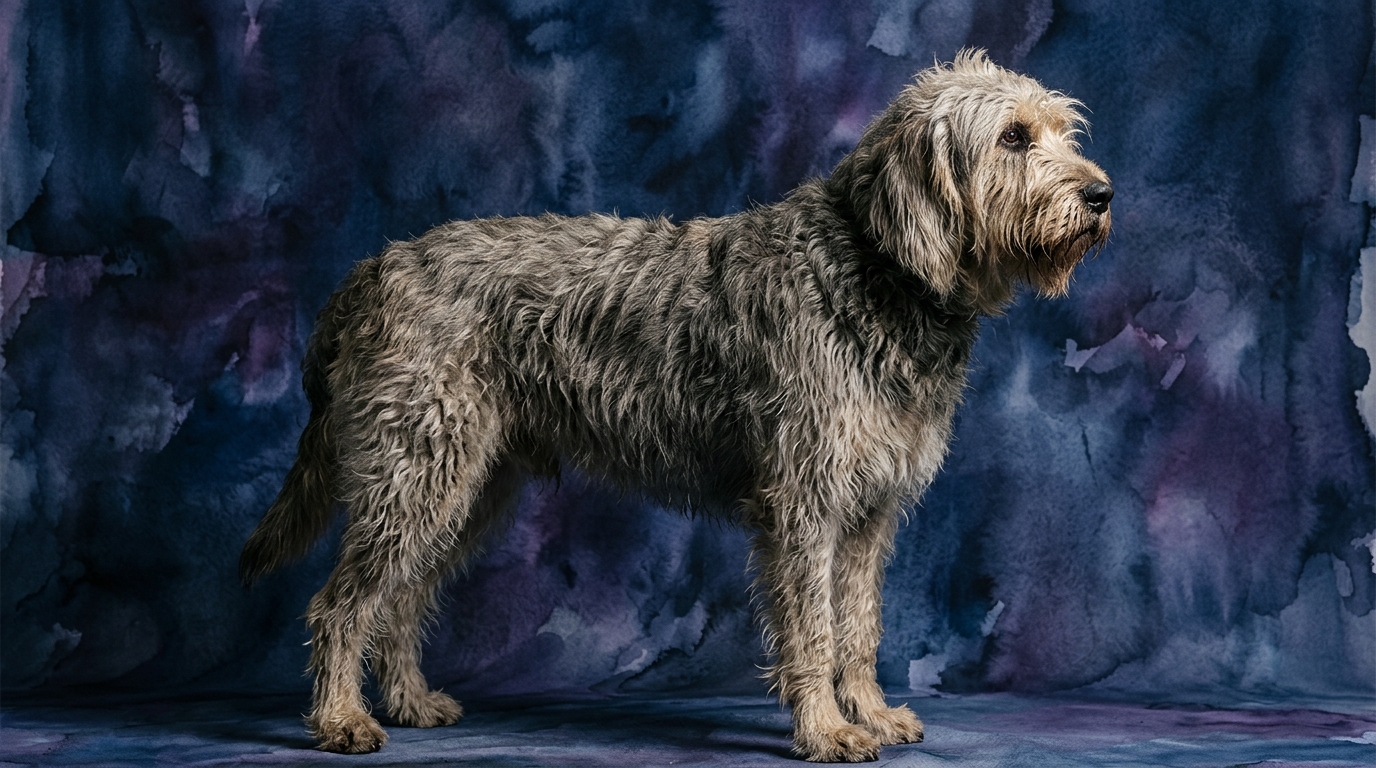
The **Otterhound**, a large, shaggy scent hound, applies its cognitive strengths quite differently. Its Problem Solving (3/5) is characterized by persistent, methodical scent tracking; their problem-solving involves unraveling complex scent trails, often requiring sustained focus over long distances and varied terrain, rather than quick-fire decisions. Training Speed (3/5) can appear slower in traditional obedience due to their independent nature and preoccupation with scent; they learn, but their intrinsic motivation often outweighs human directives, demanding more repetition and patience. Social Intelligence (3/5) is evident within a pack context, but their primary focus is often on their task; they are affable with humans but might prioritize an interesting scent over direct interaction. Their Instinctive Drive (3/5) is an overpowering scent drive; their entire being is geared towards tracking, making them relentless and single-minded when on a trail. This drive is central to their cognitive function. Their Memory (3/5) is exceptional for scent profiles and geographical features associated with trails, allowing them to remember complex routes and the nuances of various odors, often over long periods.
Where the Swedish Vallhund Wins Cognitively
The Vallhund's cognitive strengths shine in cooperative problem-solving and adaptable task execution. Their herding heritage has honed their ability to make rapid, nuanced decisions in dynamic situations, such as anticipating the movement of a flock or navigating an agility course. This translates to a quicker grasp of complex multi-step commands and a more fluid response to handler cues, making them excel in activities requiring precision and teamwork. Their social intelligence, coupled with their inherent desire to work, means they often interpret human intentions more readily, leading to smoother interactions and a stronger partnership in learning new skills. They demonstrate a more agile mental approach to novel challenges presented by their human companions, often keen to figure out what is expected of them, making them highly responsive to new training scenarios.
Where the Otterhound Wins Cognitively
The Otterhound's cognitive prowess is deeply rooted in its specialized hunting function, particularly its unparalleled ability in scent discrimination and endurance-based problem-solving. While a Vallhund might excel at quick, reactive decisions, the Otterhound's mind is a master of sustained, analytical focus. They demonstrate superior cognitive resilience in unraveling intricate scent puzzles, meticulously following a trail that might be hours old or traverse varied, challenging terrain. Their memory for specific scents and the complex pathways they've taken is exceptional, allowing them to pick up a cold trail with remarkable accuracy. This persistence, driven by their powerful instinctive drive, means they possess a unique form of 'mental stamina' that allows them to remain engrossed in a task long after other breeds might lose interest, making them peerless in scent-related activities such as tracking or detection work.
Which is Easier to Train and Why
The Swedish Vallhund is generally considered easier to train due to its strong desire to please its handler and its inherent herding instincts, which predispose it to responsiveness and cooperation. Their 3/5 training speed is often amplified by their 3/5 social intelligence, meaning they are attentive to human body language and vocal tones, allowing for quicker comprehension of commands. They thrive on engaging with their human partners in structured activities, making them enthusiastic participants in obedience, agility, or rally. Their cognitive makeup favors a collaborative learning environment, where clear communication and positive reinforcement lead to rapid skill acquisition and reliable recall, especially when their "gathering" instinct can be channeled into tasks like retrieving or rounding up toys, making them generally more tractable and eager to learn.
Conversely, the Otterhound, while certainly trainable, presents a greater challenge for the average owner. Its 3/5 training speed is often tempered by its profound 3/5 instinctive drive for scent work, which can frequently override human directives. When an Otterhound catches an interesting scent, its focus becomes almost singularly dedicated to tracking it, making recall or attention to commands extremely difficult in distracting environments. Their independent hound nature means they are less inherently driven to please and more motivated by their own sensory explorations. Training requires immense patience, consistency, and a deep understanding of their scent-driven motivations, often needing to incorporate scent games into their training to capture their interest and make learning feel like a natural extension of their instincts, rather than a deviation from them.
Which Suits Active Owners vs. Relaxed Owners
The Swedish Vallhund is undeniably better suited for active owners. Their heritage as working farm dogs means they possess significant energy levels and a keen mind that requires consistent engagement. An owner who enjoys dog sports like agility, herding trials, or even advanced obedience will find the Vallhund a willing and capable partner. They thrive on having a "job" to do, whether it's learning new tricks, participating in long hikes, or engaging in mentally stimulating puzzle toys. A relaxed owner who cannot provide daily physical exercise and mental challenges would likely find a Vallhund to be bored, potentially leading to undesirable behaviors like excessive barking or destructive chewing. Their cognitive profile demands an owner who is prepared to invest time in active play and training sessions, channeling their quick wit and physical agility into productive outlets.
The Otterhound, despite its powerful build and impressive stamina for tracking, can surprisingly adapt to a more relaxed home environment once its exercise needs are met. While it absolutely requires active owners who are prepared for long, exploratory walks or dedicated scent work sessions, its indoor demeanor can often be quite calm and laid-back. However, "relaxed" in this context does not mean sedentary; it means an owner who appreciates extended, low-impact activities like scent trailing or exploring varied natural environments, rather than constant high-intensity bursts. An Otterhound's mind is always "on" when it comes to scents, but its social interaction can be more reserved. A relaxed owner who understands and caters to their deep-seated need for scent exploration, providing ample outdoor time to satisfy this drive, will find a calm, affectionate companion indoors, but neglecting this instinct will lead to a frustrated and potentially challenging dog.
The Verdict
Opt for a Swedish Vallhund if you seek a highly engaged, cooperative canine partner eager to participate in training, dog sports, and family activities, thriving on mental and physical challenges. They are ideal for owners who enjoy a dog that quickly grasps concepts and forms a strong, communicative bond, ready for shared adventures.
Select an Otterhound if you are an owner who appreciates a dog with an independent spirit, an unwavering drive for scent exploration, and a calm, affectionate nature once its profound need for outdoor investigation is met. They are best for those prepared for patient, consistent training and who can provide ample opportunities for their dog to follow its nose.
🧠 Find Your Pet's IQ Score
Our Pet IQ Lab assessment covers 25+ tests across 5 cognitive dimensions — personalized to your breed.
Take the Full IQ Test →Frequently Asked Questions
Are Swedish Vallhunds good family dogs?
Yes, Swedish Vallhunds are generally good family dogs, known for their affectionate nature and loyalty. Their social intelligence helps them interact well with children and other pets, though their herding instincts might lead them to playfully "herd" family members, which is typically gentle.
Do Otterhounds bark a lot?
Otterhounds can be vocal, especially when they catch an interesting scent or want to alert their owners. They possess a deep, resonant bay that is characteristic of the breed, which can be quite loud and persistent when their instinctive drive is engaged, requiring management.
How much exercise does a Swedish Vallhund need?
A Swedish Vallhund requires a moderate to high amount of exercise daily, typically needing at least an hour of vigorous activity. This can include brisk walks, playtime, training sessions, or participation in dog sports to keep their active bodies and minds stimulated and prevent boredom.