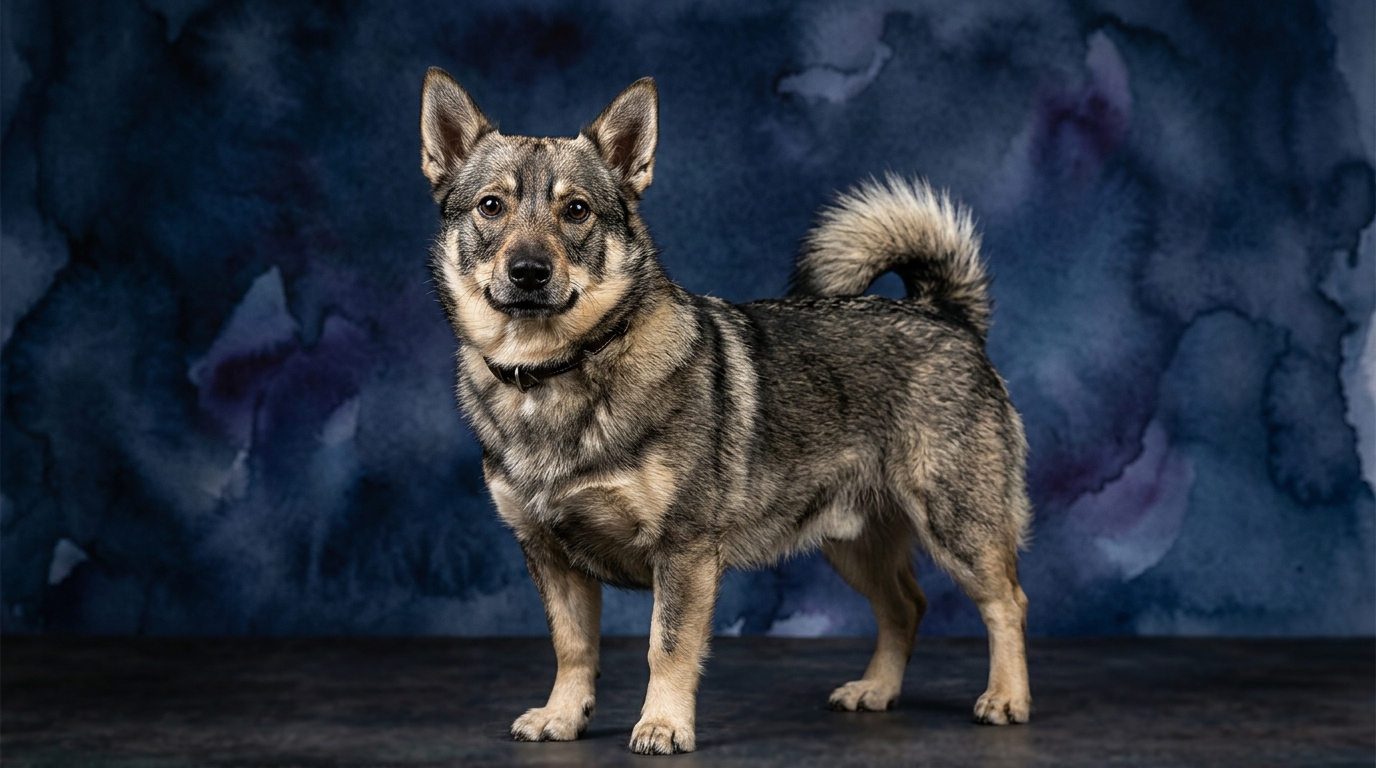
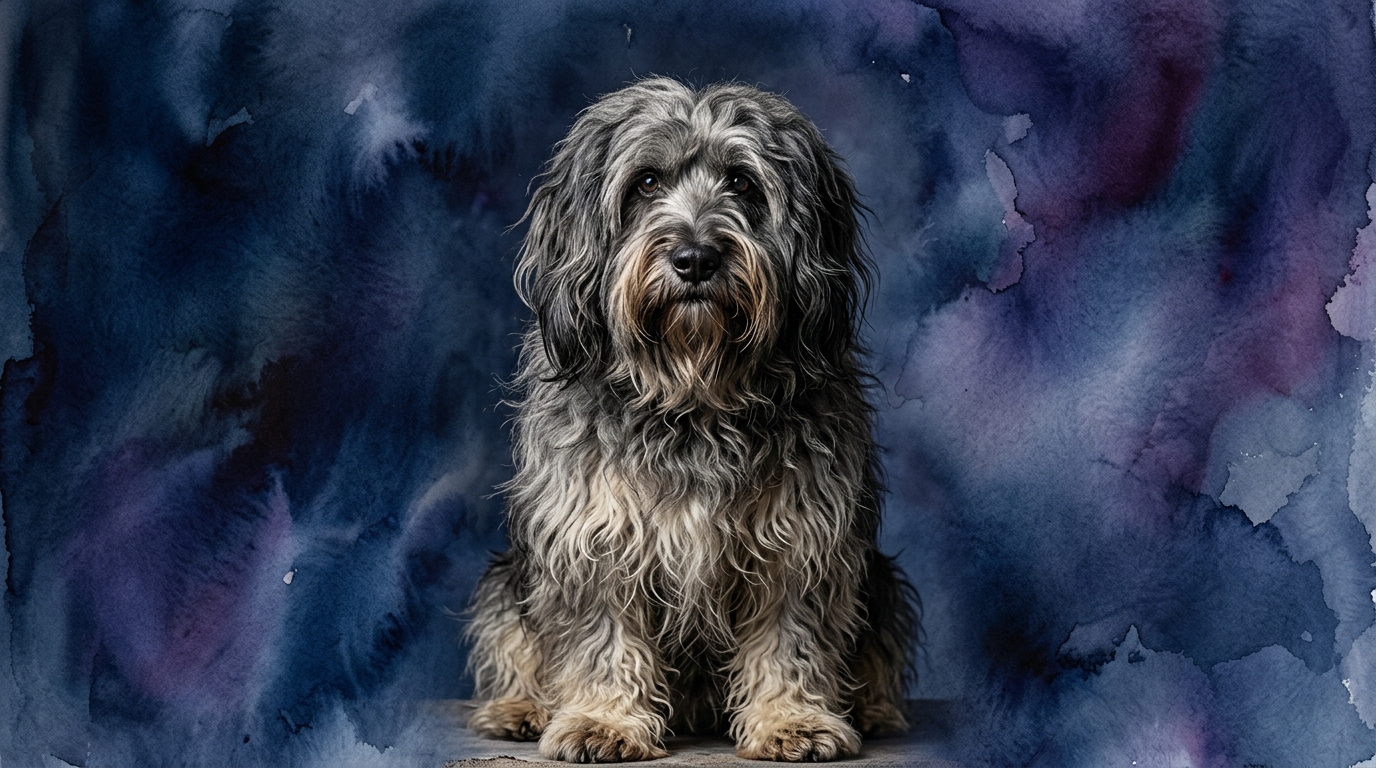
Side-by-Side IQ Profile: Unpacking the 3/5 Rating
Both the Swedish Vallhund and the Polish Lowland Sheepdog are esteemed members of the herding group, a lineage that inherently demands a suite of cognitive faculties for managing livestock. Our Cosmic Pet Pet IQ Lab assessment reveals a consistent rating of 3 out of 5 across all measured intelligence dimensions for both breeds: problem-solving, training speed, social intelligence, instinctive drive, and memory. This uniform score doesn't imply identical mental landscapes, but rather a robust, balanced set of cognitive tools adapted to their respective historical responsibilities, prompting us to delve deeper into the specific ways these traits emerge in each breed.
For problem-solving, both breeds demonstrate a competent ability to navigate challenges, whether it's figuring out a gate latch or adapting to changes in their environment. The Vallhund, with its low-slung body and agile nature, might display this as cleverness in maneuvering around obstacles or finding the most efficient path to gather stock, often using its keen observational skills. The Polish Lowland Sheepdog, a more substantial and shaggy breed, might apply its problem-solving to more complex, spatial tasks involving large flocks or understanding intricate territory boundaries. Their memory, also rated 3/5, allows both to recall routines, commands, and spatial arrangements with reliability, crucial for their working roles, though the Vallhund's memory might be more focused on patterns of movement, while the PON's might be more attuned to individual flock members or family recognition.
In terms of training speed, a 3/5 score indicates that both breeds learn new commands and behaviors at a steady pace, requiring consistent methods but generally showing good retention. The Vallhund's eagerness to work often translates into a cooperative attitude during training, though their independent spirit means they appreciate clear direction. The PON, while attentive, can sometimes exhibit a thoughtful deliberation, taking time to process information before offering a response, a trait rooted in their independent guardian instincts. Social intelligence, also 3/5, manifests differently; the Vallhund excels in reading human cues and collaborating closely with their handler, a cornerstone of their cooperative herding style. The PON's social intelligence often revolves around discerning friend from foe, understanding pack dynamics within their family, and exhibiting a protective understanding of their human companions, sometimes appearing more reserved with strangers.
Finally, their instinctive drive, rated 3/5, is a powerful force for both breeds, albeit channeled uniquely. The Swedish Vallhund possesses a strong herding instinct, often seen in their inclination to gather and 'heel-nip' at moving objects or people, a throwback to their cattle-herding days. This drive is typically expressed with energy and enthusiasm. The Polish Lowland Sheepdog's instinctive drive leans more towards guarding and flock management, exhibiting a watchful, protective demeanor. Their drive is often expressed as vigilance and a desire to keep their 'flock' (their family) safe and accounted for, rather than the active gathering of the Vallhund.
Where the Swedish Vallhund Wins Cognitively
While both breeds share identical numerical scores, the Swedish Vallhund often demonstrates a cognitive advantage in tasks requiring quick, agile thinking combined with physical nimbleness. Their ancestral role involved active, close-quarters herding of cattle, which demanded rapid assessment of animal movement and immediate, precise responses. This translates to problem-solving that is often expressed through clever physical manipulation and swift adaptation to changing scenarios. A Vallhund might excel at navigating an agility course, not just physically, but by quickly understanding the sequence and applying learned patterns with minimal hesitation, showcasing an integrated cognitive-motor intelligence.
The Vallhund's social intelligence, at a 3/5 rating, particularly shines in its collaborative aspect. Their herding tasks required a close partnership with humans, necessitating a keen ability to read subtle cues and work as a responsive team member. This makes them particularly adept at understanding complex verbal commands and body language, often anticipating their handler’s next move. When presented with a novel puzzle, a Vallhund might be quicker to engage with human assistance, interpreting suggestions or encouragement as part of the problem-solving process, indicating a strong inclination towards cooperative cognitive effort.
Where the Polish Lowland Sheepdog Wins Cognitively
The Polish Lowland Sheepdog, despite sharing the same 3/5 problem-solving score, often demonstrates its cognitive strengths in situations demanding independent thought and sustained vigilance. Their historical role as a flock guardian in varied terrain meant they frequently had to make decisions without direct human instruction, assessing threats and managing livestock autonomously. This fosters a problem-solving approach that is often deliberate, thorough, and self-reliant. A PON might excel at figuring out how to secure a perimeter or manage a difficult situation by systematically evaluating options rather than relying on immediate human input, showcasing a thoughtful, self-directed cognitive process.
The PON's social intelligence, while also rated 3/5, excels in its depth of understanding social dynamics within its immediate 'flock' and its discernment of outsiders. They possess a remarkable memory for individuals and their established roles, quickly learning who belongs and who does not. This is not just about recognizing faces but understanding social hierarchies and behaviors within their family unit. Their memory allows them to recall past interactions with specific individuals, influencing their present responses. This leads to a social acumen that is deeply contextual and often manifests as a reserved, yet protective, loyalty, making them exceptional at recognizing and reacting appropriately to familiar versus unfamiliar social cues within their defined territory.
Which Is Easier to Train and Why
When it comes to ease of training, both breeds are rated 3/5 for training speed, indicating they are capable learners but require consistent methods. However, their temperaments and historical roles introduce nuances. The Swedish Vallhund, with its energetic and cooperative disposition, often approaches training with an eager willingness to please, making initial learning phases potentially smoother. Their strong desire to work alongside their human companions means they are generally receptive to new commands and enjoy the engagement of training sessions. They thrive on positive reinforcement and clear, concise instructions, often picking up new tasks steadily.
The Polish Lowland Sheepdog, while equally capable of learning, can present a different training experience due to their independent and sometimes deliberate nature. Their heritage as autonomous flock guardians means they were bred to make their own decisions, which can sometimes translate into a thoughtful pause before responding to a command, or even testing boundaries. Training a PON requires immense patience, consistency, and a deep understanding of their innate desire to assess situations. They respond best to clear, firm, but fair leadership and methods that appeal to their intelligence rather than rote repetition. Once a PON understands the 'why' behind a command and respects their trainer, they are incredibly loyal and reliable, but getting to that point can require more nuanced handling than with a Vallhund.
Which Suits Active Owners vs. Relaxed Owners
For owners leading an active lifestyle who seek a canine companion to participate enthusiastically in their adventures, the Swedish Vallhund often presents a more natural fit. Their inherent energy, coupled with a strong desire for engagement and mental stimulation, means they thrive when given regular opportunities for exercise, training, and interactive play. Their instinctive drive for herding translates into a need for activities that challenge both their bodies and minds, such as agility, obedience, or even backyard 'herding' games. An owner who enjoys daily walks, hikes, or dog sports will find a Vallhund a willing and capable partner, channeling their 3/5 instinctive drive into constructive outlets. A relaxed owner might find their constant need for engagement challenging.
The Polish Lowland Sheepdog, while certainly not a sedentary breed, may appeal more to owners who appreciate a thoughtful, watchful companion and are prepared for a different kind of activity. While they require regular exercise to maintain physical and mental well-being, their activities often lean towards patrolling their territory, long, meandering walks, or engaging in scent work and problem-solving games that stimulate their independent intellect. Their 3/5 instinctive drive manifests as vigilance and protectiveness, making them excellent, albeit sometimes reserved, family guardians. A relaxed owner who values a calm presence indoors but is still committed to providing consistent mental stimulation and moderate physical activity, along with firm guidance, may find the PON to be a profoundly rewarding and loyal companion, appreciating their discerning nature rather than seeking constant high-octane engagement.
The Verdict
Choose the Swedish Vallhund if you seek an energetic, collaborative partner eager for engaging activities like dog sports or active outdoor adventures, thriving on close teamwork and quick mental challenges. Their cooperative spirit and agile problem-solving make them ideal for owners ready to channel their enthusiasm into structured training and play.
Opt for the Polish Lowland Sheepdog if you value a thoughtful, independent companion capable of discerning situations, who thrives on consistent guidance and moderate, purposeful activities, and offers a watchful presence. Their deliberate problem-solving and deep loyalty make them suitable for owners who appreciate a reserved yet devoted family guardian.
🧠 Find Your Pet's IQ Score
Our Pet IQ Lab assessment covers 25+ tests across 5 cognitive dimensions — personalized to your breed.
Take the Full IQ Test →Frequently Asked Questions
Do Swedish Vallhunds bark a lot?
Swedish Vallhunds can be quite vocal, often using barks to express excitement, alert their owners to new arrivals, or when engaged in play. Their herding instincts contribute to their alert nature, making them prone to sounding the alarm. Consistent training from a young age can help manage excessive barking.
Are Polish Lowland Sheepdogs good with children?
Polish Lowland Sheepdogs are generally good with children, especially those they are raised with, often displaying a protective and patient demeanor. Their strong guarding instincts mean they consider children part of their 'flock.' However, their size and herding tendencies mean supervision is always wise, particularly with very young children.
What is the grooming requirement for each breed?
The Swedish Vallhund has a relatively low-maintenance double coat requiring weekly brushing to remove loose hair and manage shedding. The Polish Lowland Sheepdog, with its long, shaggy double coat, demands significantly more grooming, including daily brushing to prevent mats and tangles, and occasional professional grooming or trimming to keep their coat healthy and clean.