Side-by-Side IQ Profile: Herder vs. Terrier Minds
The Cosmic Pet Pet IQ Lab assesses canine intelligence across five critical dimensions: problem solving, training speed, social intelligence, instinctive drive, and memory. Intriguingly, both the Swedish Vallhund and the Scottish Terrier register a consistent 3 out of 5 across all these metrics, suggesting a moderate, capable intellect that is far from rudimentary. However, the application and expression of these scores diverge significantly due to their distinct breed histories and primary functions.
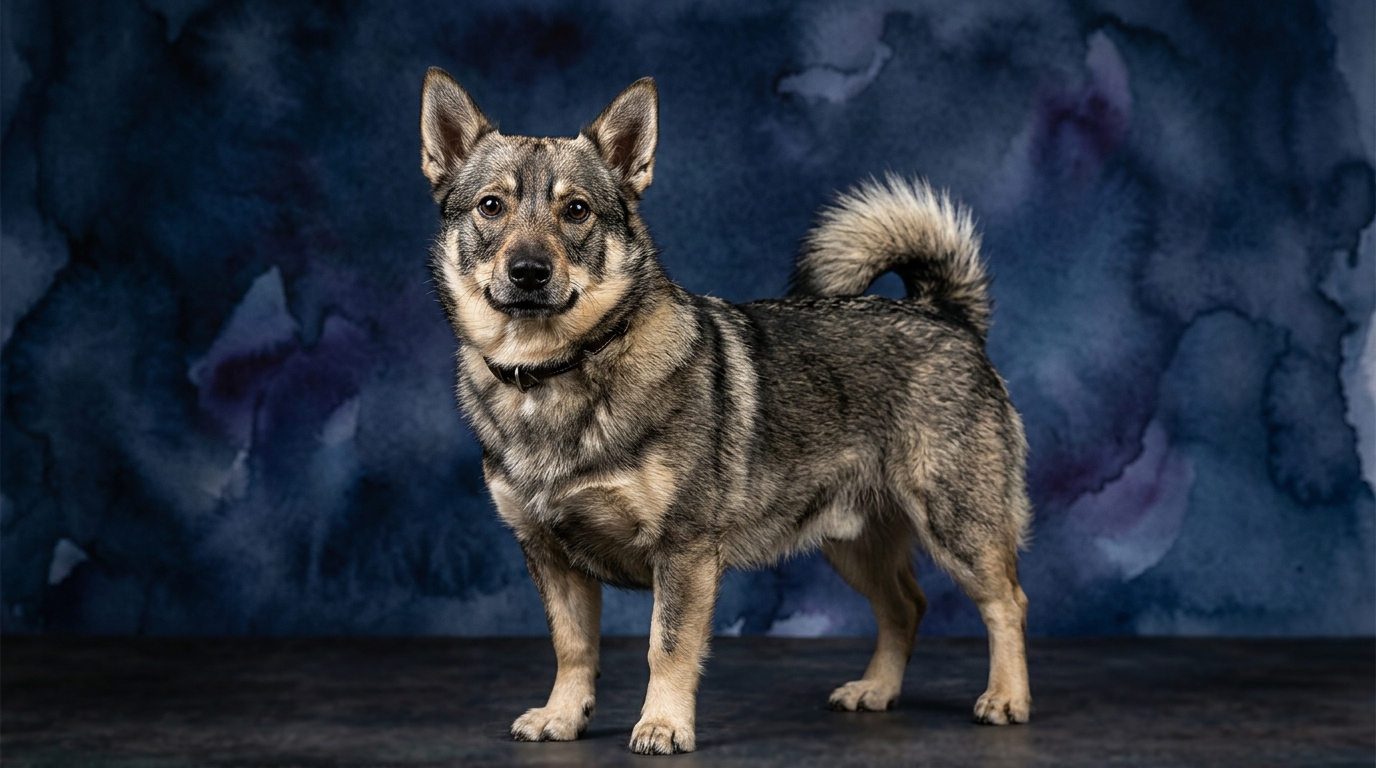
The Swedish Vallhund, a venerable herding dog from Sweden, applies its problem-solving (3/5) to dynamic, real-time situations involving livestock. This isn't abstract puzzle-solving but rather strategic maneuvering, anticipating herd movement, and adapting to environmental changes. Their training speed (3/5) reflects a willingness to learn commands and routines that facilitate their herding duties, often eager to please a handler who provides clear direction. Social intelligence (3/5) for a Vallhund is paramount, extending beyond human interaction to understanding the nuances of animal behavior within a group setting, allowing them to communicate effectively with both their charges and their human partners. Their instinctive drive (3/5) is rooted in their herding heritage, manifesting as a strong desire to gather and control, a drive that needs appropriate outlets. Finally, their memory (3/5) is crucial for recalling complex herding patterns, boundaries, and the specific commands associated with various tasks.
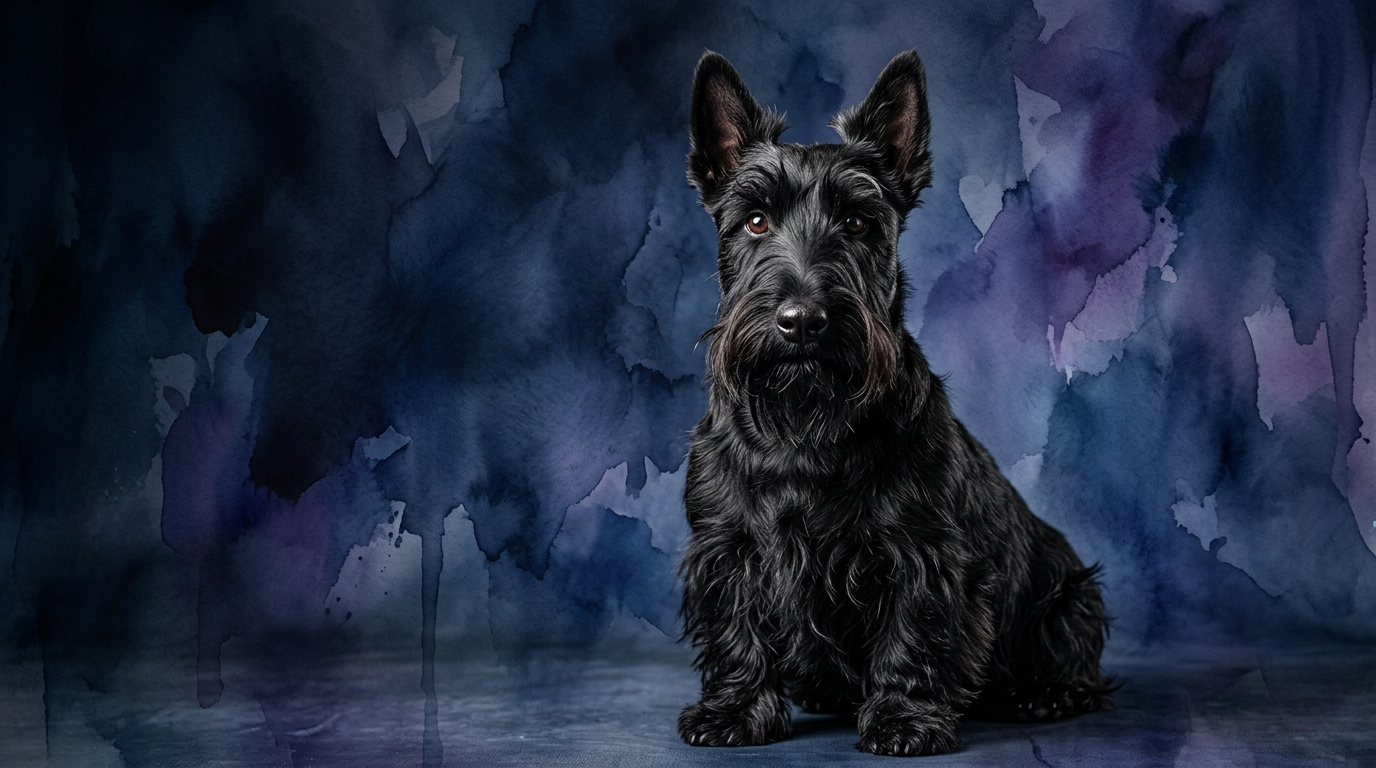
In contrast, the Scottish Terrier, a tenacious hunter of vermin from the Scottish Highlands, channels its identical scores through a different lens. Their problem-solving (3/5) is often solitary and persistent, focused on independently locating and dispatching prey in challenging environments, requiring ingenuity to navigate tight spaces or overcome obstacles. Training speed (3/5) in a Scottie can be proficient, but it is frequently paired with a strong independent streak; they learn, but their compliance is often conditional on their own perceived self-interest or the reward. Their social intelligence (3/5) is less about group dynamics and more about acute observation of their immediate human companions and potential threats, often expressed through watchful loyalty rather than overt gregariousness. The instinctive drive (3/5) of a Scottish Terrier is powerfully geared towards hunting, digging, and chasing, a deep-seated impulse to pursue and dispatch small animals. Their memory (3/5) is adept at recalling scent trails, the locations of hidden prey, and the most effective routes to achieve their hunting objectives.
Where the Swedish Vallhund Wins Cognitively
The Swedish Vallhund often demonstrates a superior capacity for cooperative cognitive tasks. Their historical role required them to work in tandem with humans, interpreting subtle cues and executing complex, multi-step commands within a dynamic environment. This fosters a distinct advantage in situational awareness and the ability to adapt their behavior based on ongoing feedback from a human partner or changes in their surroundings. A Vallhund's problem-solving, though rated 3/5, is typically more outwardly directed and collaborative, making them adept at activities like agility or obedience where precise, responsive action is key. Their social intelligence is finely tuned to reading human intent, leading to a more intuitive understanding of complex instructions and a greater desire to please and engage in shared activities. They excel at deciphering body language and vocal tones, allowing for a nuanced communication flow that is vital for intricate tasks.
Where the Scottish Terrier Wins Cognitively
The Scottish Terrier, while equally capable, excels in areas demanding independent cognitive prowess. Their problem-solving, also 3/5, is geared towards self-reliance and tenacity in achieving a goal without constant human oversight. This manifests as remarkable persistence and strategic focus when pursuing an objective, such as locating a hidden toy or navigating an unfamiliar space to find a specific scent. Scotties possess a superior ability for focused sensory discrimination, particularly in scent work, allowing them to isolate and follow a particular odor amidst many distractions. Their memory is particularly strong for spatial layouts relevant to hunting, recalling specific hiding spots or effective routes. This breed's intelligence shines in scenarios where dogged determination and autonomous decision-making are paramount, often exhibiting a cleverness in outsmarting perceived obstacles or getting their own way, even if it requires a degree of charming stubbornness.
Which is Easier to Train and Why
When considering ease of training, the Swedish Vallhund generally presents as the more straightforward student. Their herding background has ingrained a natural inclination to work with a human and respond to direction, making their 3/5 training speed more consistently accessible. They thrive on structure, positive reinforcement, and clear communication, often seeing training as a collaborative activity that strengthens their bond with their owner. Their social intelligence makes them keen observers of human intentions, and they typically possess a higher “biddability” – a willingness to comply because they enjoy the interaction and purpose. They are less likely to question a command or decide an instruction is not worth their effort, making progress in obedience and dog sports generally smoother.
The Scottish Terrier, while equally capable of learning quickly (3/5 training speed), often requires a more nuanced approach. Their independent nature and strong terrier will mean that simply understanding a command doesn't always translate into immediate or consistent execution. They are thinkers, and if they perceive a command as unnecessary, unrewarding, or simply less interesting than their current pursuit (like a fascinating scent), they may choose to ignore it. Training a Scottie demands patience, consistency, and a keen understanding of motivation. Owners often find success by making training sessions feel like a game, incorporating their natural drives (like chase or scent work), and always presenting a clear “what's in it for me?” scenario. Their memory is excellent, but they might remember not to comply if a previous attempt resulted in a less desirable outcome for them. Real behavioral differences include the Vallhund's inherent desire to be part of a team versus the Scottie's preference for making independent decisions, which can manifest as selective hearing during training.
Which Suits Active Owners vs. Relaxed Owners
The Swedish Vallhund is undoubtedly better suited for active owners who can provide consistent mental and physical stimulation. Their herding heritage means they possess considerable energy and a need for purpose. They thrive on activities that engage their problem-solving and social intelligence, such as agility, obedience, rally, or even simulated herding games. Owners who enjoy long walks, hikes, or regular dog sports will find a Vallhund to be an enthusiastic and capable partner. A relaxed owner might find a Vallhund channeling its unused energy and intelligence into less desirable behaviors like excessive barking or “herding” family members.
The Scottish Terrier can adapt to a slightly wider range of owner activity levels, though they are by no means sedentary. They are well-suited for owners who are active in specific ways – daily walks, engaging in scent games, or providing opportunities for digging in a designated area. While they don't typically require the vast open spaces or continuous high-impact exercise of a herding breed, their mental needs are significant. They need outlets for their instinctive drives, which can include puzzle toys, interactive play, and short, frequent training sessions that challenge their independent minds. A truly “relaxed” owner who offers minimal engagement might find a bored Scottie becoming destructive or developing nuisance barking. They appreciate comfort and proximity to their people but still possess a terrier's underlying drive that needs attention.
The Verdict
Choose the Swedish Vallhund if you seek a highly cooperative, versatile, and eager-to-please canine partner who thrives on shared activities, consistent training, and offers intuitive communication. They are ideal for active individuals or families looking to participate in dog sports and appreciate a dog that genuinely enjoys working as part of a team.
Choose the Scottish Terrier if you appreciate an independent, spirited, and tenacious companion with a profound sense of self, are prepared for a rewarding training challenge, and can provide outlets for their distinct terrier instincts and clever, self-reliant problem-solving. They are perfect for owners who admire a dog with a big personality and a strong will.
🧠 Find Your Pet's IQ Score
Our Pet IQ Lab assessment covers 25+ tests across 5 cognitive dimensions — personalized to your breed.
Take the Full IQ Test →Frequently Asked Questions
Are Swedish Vallhunds good family dogs?
Their herding background makes them observant and protective, often forming strong bonds with their family. They generally adapt well to children, but their herding instinct might manifest as gentle nipping at heels if not redirected, requiring consistent guidance.
Do Scottish Terriers get along with other pets?
Scotties can coexist with other pets, especially if raised together, but their strong prey drive means small, fast-moving animals might trigger their instincts. Careful introductions and supervision are crucial to ensure harmonious living and prevent chasing behaviors.
What kind of mental stimulation do these breeds need?
Vallhunds thrive on activities that engage their problem-solving and social intelligence, like agility, obedience, and puzzle toys that require strategy. Scotties benefit from scent work, interactive toys that challenge their persistence, and short, engaging training sessions to satisfy their independent minds.